Polyethylene Sheet/Roll
CN → US| HS编码 | 关税税率 | 原产国 | 目的国 | 文档 |
|---|---|---|---|---|
| 3920100000 | 39.2% | CN | US | 官方文档 |
| 3921904010 | 39.2% | CN | US | 官方文档 |
| 3921190010 | 41.5% | CN | US | 官方文档 |
| 3920991000 | 41.0% | CN | US | 官方文档 |
| 3920992000 | 39.2% | CN | US | 官方文档 |
商品图片
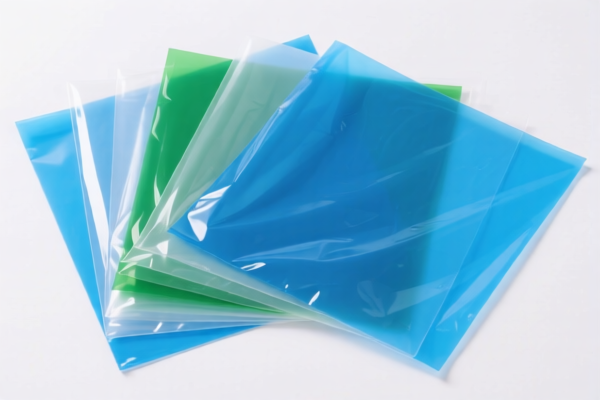
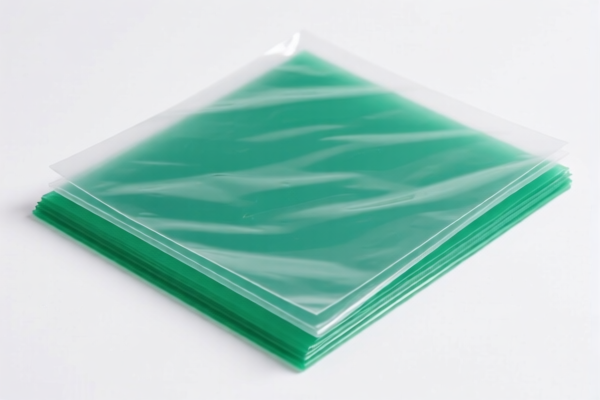
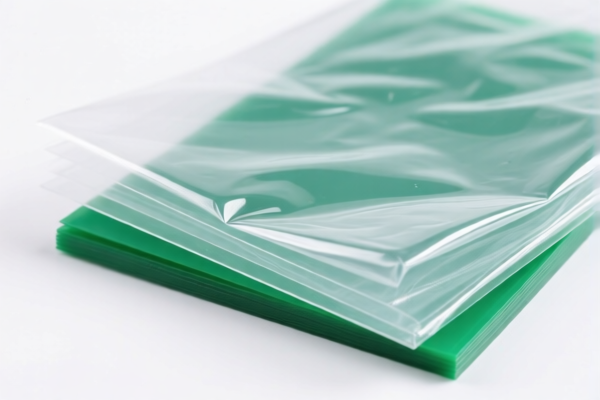
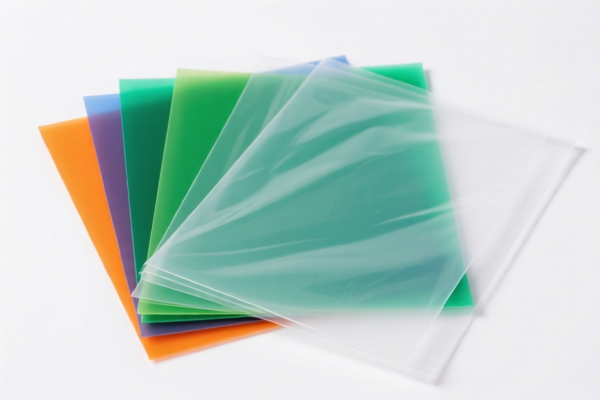
AI分析
🧪 Polyethylene Sheet/Roll: The Plastic Powerhouse
🌐 HS Code Reference & Customs Clearance Guide | 2026 Latest Tariff Analysis | Professional-Level Clearance Strategy
📌 I. Product Definition & Classification: What Exactly is "Polyethylene Sheet/Roll"?
Polyethylene (PE) sheets and rolls are versatile, lightweight, and chemically resistant plastic products used in packaging, construction, agriculture, and industrial applications. In international trade, they are classified based on their physical state (cellular/non-cellular), structure (reinforced/unreinforced), and thickness/form.
Key Distinctions: * Cellular (Foam-like): Contains air bubbles/pores. Often used for insulation, cushioning, and microporous applications. * Non-Cellular (Solid): Dense, solid plastic without air pockets. Used for barriers, sheets, and films. * Reinforced: Combined with other materials (like paper) for added strength. * Microporous: Specifically porous polyethylene/polypropylene sheets.
⚠️ Critical Classification Point:
- If the product is solid, non-cellular, pure PE, and not reinforced → It typically falls under 3920.10.00.00 (unless it’s a thin flexible film >0.152mm in specific forms).
- If the product is microporous and made of PE/PP → It falls under 3921.19.00.10.
- If the product is reinforced with paper → It falls under 3921.90.40.10.
📦 II. HS Code Classification Details (2026 Latest Tariff Authority Comparison)
| HS Code | Product Description | Key Features | Reinforcement | Cellular? |
|---|---|---|---|---|
3920.10.00.00 |
Other plates, sheets, film, foil, strip of plastics, noncellular... Of polymers of ethylene | Solid PE sheets/rolls, not reinforced, not cellular | ❌ No | ❌ No (Non-cellular) |
3921.19.00.10 |
Other plates, sheets... of plastics: Cellular: Of other plastics: Microporous sheets of polyethylene or polypropylene | Microporous PE/PP sheets | N/A | ✅ Yes (Cellular/Microporous) |
3921.90.40.10 |
Other plates, sheets... of plastics: Other: Other: Flexible Reinforced with paper | Plastic sheets reinforced with paper layers | ✅ Yes (Paper) | ❌ No |
3920.99.10.00 |
Other plates, sheets... of plastics, noncellular... Of other plastics: Film, strip, sheets... flexible: >0.152mm thickness, not in rolls | Solid sheets of other plastics (not PE/PP) if >0.152mm and not in rolls | ❌ No | ❌ No |
🔍 Key Reminder:
- Polyethylene (PE) is specifically mentioned in 3920.10.00.00 for non-cellular, non-reinforced forms.
- Microporous PE/PP is a unique category under 3921.19.00.10 due to its cellular structure.
- Reinforcement with paper changes the classification entirely to 3921.90.40.10, regardless of the plastic type.
💰 III. 2026 Latest Tariff Rate Details (Including Surtaxes & Policy Add-ons)
✅ Applicable Country: United States (US)
✅ Origin: China (CN)
✅ Effective Time: November 10, 2025 onwards (for subsequent imports)
🎯 1. 3920.10.00.00 —— Non-cellular, Non-reinforced Polyethylene Sheets/Rolls
| Item | Content |
|---|---|
| Base Tariff Rate | 4.2% (ad valorem) |
| USITC Surtax (Section 301) | +25.0% |
| IEEPA Surtax (China-specific) | N/A (Not listed in data as additional IEEPA, but total is 29.2%) |
| Total Tax Rate | 29.2% |
| Tax Calculation | CIF Value × 29.2% |
| De Minimis Eligibility | ❌ No (Subject to high tariffs) |
| Legal Basis Path | HTS:3920.10.00.00 → USITC:301:25% → Total: 29.2% |
📌 Explanation:
- This is the standard rate for solid, pure polyethylene sheets/rolls that are not cellular and not reinforced.
- The 25% surtax is a standard Section 301 duty on Chinese plastics.
- Total cost impact: Nearly 30% on top of the product value.
🎯 2. 3921.19.00.10 —— Microporous Polyethylene/Propylene Sheets (Cellular)
| Item | Content |
|---|---|
| Base Tariff Rate | 0.0% |
| USITC Surtax (Section 301) | 0.0% |
| IEEPA Surtax | 0.0% |
| Total Tax Rate | 0.0% |
| Tax Calculation | CIF Value × 0.0% |
| De Minimis Eligibility | ✅ Yes (Potentially eligible for de minimis if value < $800) |
| Legal Basis Path | HTS:3921.19.00.10 → Zero Rate |
📌 Explanation:
- Microporous cellular plastics enjoy a 0% tariff rate.
- This is a significant cost advantage for packaging or insulation materials using microporous PE/PP.
- Ensure the product is truly microporous and not just standard foam; customs may require technical specifications.
🎯 3. 3921.90.40.10 —— Flexible Reinforced with Paper
| Item | Content |
|---|---|
| Base Tariff Rate | 4.2% |
| USITC Surtax (Section 301) | +25.0% |
| IEEPA Surtax | N/A |
| Total Tax Rate | 29.2% |
| Tax Calculation | CIF Value × 29.2% |
| De Minimis Eligibility | ❌ No |
| Legal Basis Path | HTS:3921.90.40.10 → USITC:301:25% → Total: 29.2% |
📌 Explanation:
- Any plastic sheet reinforced with paper (e.g., plastic-coated paperboards, laminated materials) is taxed at 29.2%.
- Do not attempt to classify this as "plastic only" if paper is present.
🎯 4. 3920.99.10.00 —— Non-cellular Sheets >0.152mm, Not in Rolls, of Other Plastics
| Item | Content |
|---|---|
| Base Tariff Rate | 0.0% |
| USITC Surtax | 0.0% |
| IEEPA Surtax | 0.0% |
| Total Tax Rate | 0.0% |
| Tax Calculation | CIF Value × 0.0% |
| De Minimis Eligibility | ✅ Yes |
| Legal Basis Path | HTS:3920.99.10.00 → Zero Rate |
📌 Explanation:
- This code applies to non-cellular sheets of other plastics (not PE/PP) that are flexible, >0.152mm thick, and not in rolls.
- If your product is Polyethylene, it should NOT use this code unless it’s a specific edge case not covered by 3920.10.00.00. However, if it is PE, stick to 3920.10.00.00 for accuracy, unless it’s microporous (3921.19.00.10).
🛠️ IV. Customs Clearance Practical Advice (Real-World Pitfall Guide)
✅ 1. Required Documentation Checklist
| Document | Mandatory? | Description |
|---|---|---|
| ✅ Product Specification Sheet | ✔️ | Must state: Material (PE, PP, etc.), Cellular/Non-cellular, Thickness, Width, Roll/Sheet form. |
| ✅ Technical Data Sheet | ✔️ | Especially for microporous claims. Proves porosity structure. |
| ✅ Commercial Invoice | ✔️ | Clearly describe as "Polyethylene Sheet" or "Microporous PP Film", not just "Plastic Sheet". |
| ✅ Packing List | ✔️ | Specify if reinforced with paper (if applicable). |
| ✅ Material Safety Data Sheet (MSDS) | ✔️ | Required for chemical/plastic products. |
| ✅ Certification (RoHS/REACH) | ✔️ | May be required for EU/US market compliance, though not directly for tariff. |
✅ 2. Declaration Tips (Key Mnemonics)
🔥 "Solid PE is 29.2%, Microporous is 0%, Paper-Reinforced is 29.2%!"
| Scenario | Correct Declaration | Incorrect Practice |
|---|---|---|
| Solid, pure PE sheet/roll | 3920.10.00.00 |
Misdeclare as "Plastic Film" → High risk of audit |
| Microporous PE/PP sheet | 3921.19.00.10 |
Describe as "Foam Sheet" without specifying microporous → May be reclassified |
| PE sheet with paper backing | 3921.90.40.10 |
Declare as "Plastic Sheet" only → Customs will detect paper layer |
| Non-PE plastic sheet >0.152mm, not rolled | 3920.99.10.00 |
Declare as PE → Wrong material |
✅ 3. Special Case Handling
| Case | Handling Advice |
|---|---|
| OEM Custom Sheets | Provide customer specs + material composition. Avoid vague terms like "Plastic". |
| Mixed Materials | If PE is coated on paper, it is 3921.90.40.10 (Reinforced). If PE is microporous, it is 3921.19.00.10 (0%). |
| Thin Films (<0.152mm) | If flexible and PE, still 3920.10.00.00 unless microporous. Thickness affects sub-classification only for non-PE. |
| Large Roll Quantities | Ensure "Not in Rolls" is not claimed if they are in rolls. If they are rolls, they fall under general plastic sheets, not the "not in rolls" exemption of 3920.99.10.00. |
🌍 V. Global Market Comparison (2026 Latest)
| Country/Region | Recommended HS Code | Tariff (China Origin) | Certification | Notes |
|---|---|---|---|---|
| 🇺🇸 USA | 3920.10.00.00 |
29.2% | No special | High tariff on solid PE. Microporous (3921.19.00.10) is 0%. |
| 🇨🇳 China | 3920.10.00.00 |
4.2% | CCC (if applicable) | No surtax on imports. |
| 🇪🇺 EU | 3920.10.00 |
~4.2% | REACH + RoHS | No Section 301 equivalent. |
| 🇬🇧 UK | 3920.10.00 |
~4.2% | UKCA + REACH | Post-Brexit alignment with EU. |
📌 Conclusion:
- USA imposes 29.2% on solid PE sheets, making microporous cellular PE (0%) a much more cost-effective alternative if the product allows.
- China and EU have lower base rates (~4.2%) and no surtaxes.
📌 VI. Common Errors & Pitfalls (Blood Lessons)
❌ Error 1: Declaring microporous PE as regular PE sheet
👉 Consequence: Pay 29.2% instead of 0%.
👉 Fix: Clearly state "Microporous Polyethylene" and provide technical proof.
❌ Error 2: Ignoring paper reinforcement in laminates
👉 Consequence: Misclassification. Customs will reclassify as 3921.90.40.10 (29.2%) and may penalize.
👉 Fix: Disclose paper layer. If paper is significant, it’s a composite.
❌ Error 3: Confusing Cellular vs. Microporous
👉 Consequence: Cellular (general foam) may fall under different 3921 codes. Microporous PE/PP is specifically 3921.19.00.10.
👉 Fix: Use precise material science terms in description.
❌ Error 4: Claiming 3920.99.10.00 for PE products
👉 Consequence: Wrong code. This is for other plastics. PE is 3920.10.00.00.
👉 Fix: Always prioritize PE-specific codes (3920.10) over general "other plastics" (3920.99).
✅ Correct Practice:
"Microporous Polyethylene Sheet, 0.5mm, 120cm width, Roll form, Non-reinforced, For Packaging" → 3921.19.00.10
"Solid Polyethylene Sheet, 2.0mm, 100cm width, Roll form, Non-cellular" → 3920.10.00.00
🎯 VII. Conclusion: Precise Classification Saves Money!
🎯 Remember the Mnemonic:
🔹 "Solid PE = 29.2%, Microporous = 0%, Paper-Reinforced = 29.2%!"
🔹 "Don’t guess the material! PE is specific, Microporous is gold, Paper is costly!"
📌 Pro Tip:
If you are exporting to the US, evaluate if your product can be engineered as microporous (if structurally possible) to enjoy the 0% tariff. If it’s solid PE, factor in the 29.2% cost.
For China/EU, the base rate is low (4.2%), so focus on REACH/RoHS compliance rather than tariff savings.
📣 Immediate Action:
📞 Consult a customs broker for a binding ruling if your product is ambiguous (e.g., semi-microporous or complex laminates).
🚀 Accurate HS codes mean lower costs, faster clearance, and happier customers!
✨ Professional clearance starts with precise classification!
💼 Every percentage point counts in global trade!
用户评价
关于 HS 编码归类
协调制度(HS)是由世界海关组织(WCO)制定的国际贸易商品分类标准。全球 200 多个国家采用 HS 系统作为海关关税、贸易统计和进出口监管的基础。
每个 HS 编码遵循以下层级结构:
- 章(2 位)——商品大类(例如:第 84 章:机器和机械设备)
- 品目(4 位)——章内的更具体分类
- 子目(6 位)——国际通用细分,所有 WCO 成员国统一使用
- 本国细分(8-10 位)——各国自行扩展的细分编码,如美国 HTSUS 10 位编码
正确的 HS 编码归类对于顺利通关、准确缴纳关税和遵守贸易法规至关重要。错误归类可能导致海关延误、多缴关税或罚款。
从CN进口到US时,适用的关税税率可能包括:
- 最惠国(MFN)税率——适用于 WTO 成员国的标准关税税率
- 普通税率——适用于无贸易协定国家
- 贸易救济关税——附加关税,如 301 条款(反倾销)、232 条款(国家安全)或反补贴税
本页内容仅供参考。如需正式归类,请咨询当地海关或持牌报关代理。