Polyethylene Terephthalate Primary Form
CN → US| HS编码 | 关税税率 | 原产国 | 目的国 | 文档 |
|---|---|---|---|---|
| 3907610010 | 41.5% | CN | US | 官方文档 |
| 3901909000 | 41.5% | CN | US | 官方文档 |
| 3907610050 | 41.5% | CN | US | 官方文档 |
| 3901905501 | 41.5% | CN | US | 官方文档 |
商品图片
AI分析
🧪 Polyethylene Terephthalate (PET) Primary Form – High-Tariff Import Alert (USA/China)
🌐 HS Code Reference & Customs Clearance Guide | 2026 Latest Tariff Analysis | Critical Compliance Strategy
📌 1. Product Definition & Classification: What is "PET Primary Form"?
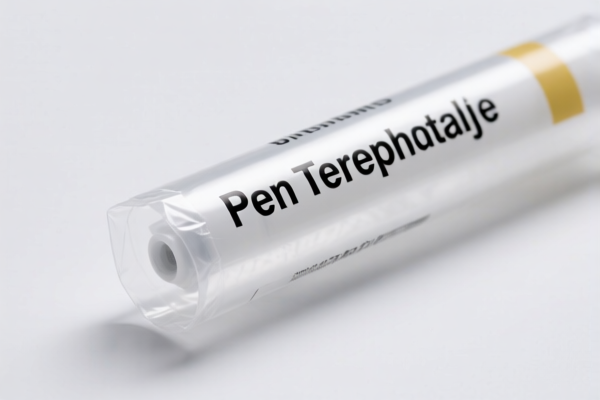
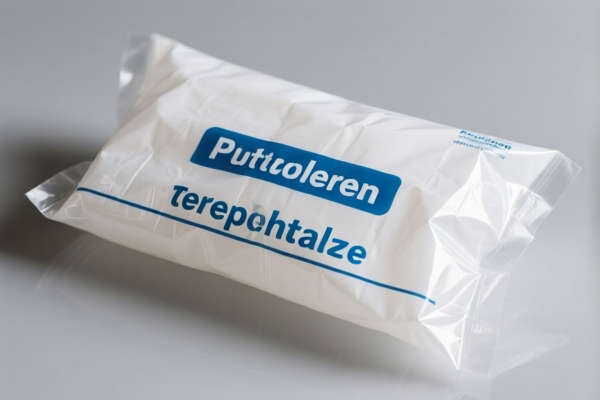
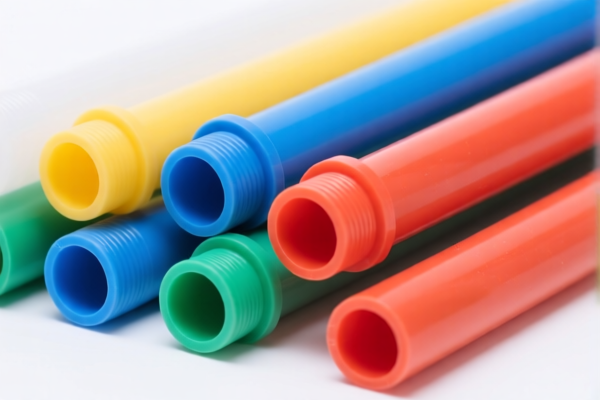
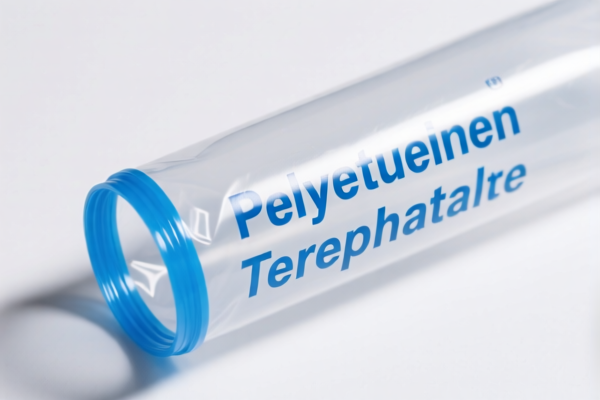
Polyethylene Terephthalate (PET) Primary Form refers to raw, unprocessed polymer resins or granules used as the foundational material for manufacturing plastic bottles, fibers, films, and sheets. In international trade, this is classified strictly under Chapter 39 (Plastics and Articles Thereof), specifically as Polyesters.
⚠️ Key Distinction:
- "Primary Form" includes granules, powders, liquids, or non-vulcanized shapes that are not yet manufactured into specific articles (like bottles or films).
- If the PET is already shaped into bottles, films, or fibers, it does NOT belong here; it falls under Chapter 39 sub-headings for specific articles or Chapter 54/62 for textiles.
- Misclassification Risk: Declaring finished PET bottles as "Primary Form" to avoid tariffs is illegal and triggers severe penalties.
📦 2. HS Code Classification Matrix (2026 Tariff Book)
Based on the provided data, PET Primary Form is classified under four specific sub-headings. All share the same high tariff profile due to trade restrictions.
| HS Code | Product Description | Classification Logic | Key Characteristics |
|---|---|---|---|
3907.61.00.10 |
Polyethylene Terephthalate (PET), Primary Form | Classified as Polyester Polymers under heading 3907 (Polyethers, Epoxides, Polyacetals, Other Polyethers, Polyesters). | Standard commercial PET resin. |
3901.90.90.00 |
Polyethylene Terephthalate (PET), Primary Form | Classified under Polymers of Ethylene (Heading 3901). Used when the polymer structure aligns more closely with ethylene-based classifications or specific regulatory interpretations. | Alternative classification for specific resin grades or manufacturing origins. |
3907.61.00.50 |
Polyethylene Terephthalate (PET), Primary Form | Classified as Polyester Polymers (Heading 3907). | Similar to .10 but may differ in specific sub-category metrics (e.g., intrinsic viscosity or additive packages) defined by customs. |
3901.90.55.01 |
Polyethylene Terephthalate (PET), Primary Form | Classified under Polymers of Ethylene, aligning with logical polymer shape classification. | Specific sub-type for ethylene-related polymer logic. |
🔍 Critical Note:
- Despite different HS Codes (3907 vs. 3901), all four codes result in the exact same total tax rate of 41.5%.
- The choice of HS Code depends on the specific chemical composition, manufacturing process, and customs interpretation of "polyester" vs. "ethylene polymer" structure, but the financial impact is identical.
💰 3. 2026 Latest Tariff Rate Breakdown (USA Import from China)
✅ Applicable Country: United States (US)
✅ Country of Origin: China (CN)
✅ Effective Date: Ongoing (High Tariff Regime)
🎯 Total Effective Tax Rate: 41.5%
| Tax Component | Rate | Description |
|---|---|---|
| Base Tariff | 6.5% | Standard Most Favored Nation (MFN) duty for plastics under Chapter 39. |
| Section 301 Tariff (Trade War) | 25.0% | Additional duty imposed under the US Trade Representative (USTR) Section 301 actions against Chinese goods. |
| Section 122 Tariff | 10.0% | Additional duty under Section 122 of the Trade Act of 1974 (specific to certain strategic materials). |
| TOTAL | 41.5% | Cumulative Ad Valorem Duty |
📌 Legal Basis:
- Base: HTSUS Chapter 39.
- Section 301: 25% surcharge on Category 4 (Consumer Goods/Industrial Inputs).
- Section 122: 10% surcharge for specific import restrictions.
- No De Minimis Exemption: This cargo is NOT eligible for the $800 de minimis exemption. It must be formally entered through CBP.⚠️ Warning:
- There are NO known exemptions for PET resin from China under current policies.
- Attempting to route through third countries (transshipment) without substantial transformation may trigger anti-circumvention duties.
🛠️ 4. Customs Clearance Operational Advice (Avoiding Pitfalls)
✅ 1. Required Documentation Checklist
| Document | Mandatory? | Notes |
|---|---|---|
| Commercial Invoice | ✅ Yes | Must clearly state: "Polyethylene Terephthalate (PET), Primary Form, Granules/Powder". |
| Packing List | ✅ Yes | Must specify net/gross weight, bag count, and palletization. |
| Certificate of Origin (CO) | ✅ Yes | Crucial to prove origin. If claiming non-China origin, must provide valid CO from eligible country. |
| Bill of Lading / Airway Bill | ✅ Yes | Ensure "Shipper" and "Consignee" details match invoice. |
| Product Specification Sheet | ✅ Recommended | Include intrinsic viscosity, melt flow rate, and colorant details to support HS Code classification. |
| Import Entry Summary | ✅ Yes | Filed via ACE portal with correct HS Code (e.g., 3907.61.00.10). |
✅ 2. Classification Strategy & Naming Conventions
| Scenario | Correct HS Code | Incorrect HS Code | Risk |
|---|---|---|---|
| Raw PET Granules | 3907.61.00.10 or 3907.61.00.50 |
3907.99.90 (Other plastics) |
Misclassification may lead to audit or penalty for wrong duty rate. |
| PET Bottles (Finished) | 3923.30.00.00 |
3907.61.00.10 |
High Risk: Finished goods have different tariff rates and may trigger anti-dumping duties. |
| PET Film Rolls | 3920.62.00.00 |
3907.61.00.10 |
High Risk: Film is not "primary form" in the polymer sense but a manufactured article. |
| Mixed Shipment (Resin + Bottles) | Split Lines | Combined Line | High Risk: Customs will reject mixed classification. Separate entries required. |
🔥 Key Phrase for Declaration:
"Polyethylene Terephthalate (PET), Primary Form, Unvulcanized, In Granular Form, Not Further Processed, Chemical Formula (C10H8O4)n"
✅ 3. Special Cases & Mitigation Strategies
| Case | Recommendation |
|---|---|
| Origin Transshipment | If goods are shipped from Vietnam/Malaysia but originate in China, ensure substantial transformation occurred. Otherwise, CBP will apply Chinese origin rules and 41.5% tariff. |
| Free Trade Agreements (FTAs) | Check if any component qualifies for FTAs (e.g., USMCA if sourced from US/Mexico). PET resin itself rarely qualifies if produced in China. |
| Anti-Dumping Duties (AD/CVD) | Verify if PET resin from China is subject to AD/CVD. (Note: Currently, AD/CVD is more common for aluminum and steel, but always check the latest CBP notices). |
| Intrinsic Viscosity Disputes | CBP may question if the product is truly "primary form" or a pre-polymer. Provide lab test reports to confirm it is suitable for further polymerization or molding. |
🌍 5. Global Market Comparison (2026)
| Region | HS Code | Base Tariff | Additional Tariffs (China) | Total Effective Rate | Notes |
|---|---|---|---|---|---|
| 🇺🇸 USA | 3907.61.00.10 |
6.5% | 25% (301) + 10% (122) | 41.5% | Highest tariff globally. Must budget for full cost. |
| 🇨🇳 China (Import) | 3907.61.00.00 |
6.5% | None | 6.5% | Lower cost for domestic Chinese buyers. |
| 🇪🇺 EU | 3907.61.00 |
6.5% | None (generally) | 6.5% | No Section 301 equivalent. Favorable for EU importers. |
| 🇯🇵 Japan | 3907.61.00 |
6.0% | None | 6.0% | Low tariff, stable supply chain. |
| 🇮🇳 India | 3907.61.00 |
7.5% | Anti-dumping Duty (may apply) | Varies | Check for ongoing AD investigations on PET from China. |
📌 Conclusion:
- USA is the most expensive market for importing PET primary form from China due to layered tariffs.
- EU and Japan remain cost-effective alternatives for global supply chains.
- Supply Chain Diversification: Consider sourcing PET resin from Vietnam, Thailand, or India to mitigate US tariffs, but ensure origin compliance.
📌 6. Common Mistakes & Pitfalls (Lessons Learned)
❌ Mistake 1: Declaring PET films or bottles as "Primary Form"
👉 Consequence: CBP will reclassify as finished goods, assess different tariffs (possibly higher), and impose penalties for misdeclaration.
❌ Mistake 2: Ignoring Section 122 Tariff
👉 Consequence: Underpaying duty by 10%. CBP audits will recover back-taxes plus interest and penalties.
❌ Mistake 3: Using vague descriptions like "Plastic Resin"
👉 Consequence: Customs may select goods for inspection, causing delays. Always specify "Polyethylene Terephthalate (PET), Primary Form".
❌ Mistake 4: Assuming De Minimis Exemption applies
👉 Consequence: Packages under $800 are NOT exempt from Section 301/122 duties. They are still subject to the 41.5% rate.
✅ Correct Practice:
"Polyethylene Terephthalate (PET) Primary Form, Granules, Intrinsic Viscosity 0.6-0.8, For Injection Molding, HS Code 3907.61.00.10, Country of Origin: China"
🎯 7. Conclusion: Strategic Import Planning
🎯 Key Takeaways:
🔹 Total Tariff = 41.5% (6.5% Base + 25% Section 301 + 10% Section 122).
🔹 No Exemptions for Chinese-origin PET primary form in the US.
🔹 Accurate Classification is critical: Ensure the product is truly "primary form" (granules/powder) and not a finished article.
🔹 Documentation must be robust: Invoice, Packing List, CO, and Specification Sheets must align perfectly.
📌 Pro Tip:
If you are importing large volumes, consider Apply for an Exclusion under Section 301 (if available) or explore Foreign Trade Zones (FTZs) to defer duty payments.
Consult a Licensed Customs Broker to review your specific product specifications and optimize HS Code selection (e.g.,3907.61.00.10vs.3907.61.00.50) to ensure full compliance.
📣 Immediate Action:
📞 Contact your Customs Broker today.
📄 Prepare Product Specifications (Viscosity, Melt Flow, Additives).
💰 Budget for 41.5% Duty in your landed cost calculations.
🚀 Ensure Smooth Clearance by avoiding misclassification penalties!
✨ Professional Customs Compliance, Starting with Accurate Classification!
💼 Your Cost Savings Depend on Precision!
用户评价
关于 HS 编码归类
协调制度(HS)是由世界海关组织(WCO)制定的国际贸易商品分类标准。全球 200 多个国家采用 HS 系统作为海关关税、贸易统计和进出口监管的基础。
每个 HS 编码遵循以下层级结构:
- 章(2 位)——商品大类(例如:第 84 章:机器和机械设备)
- 品目(4 位)——章内的更具体分类
- 子目(6 位)——国际通用细分,所有 WCO 成员国统一使用
- 本国细分(8-10 位)——各国自行扩展的细分编码,如美国 HTSUS 10 位编码
正确的 HS 编码归类对于顺利通关、准确缴纳关税和遵守贸易法规至关重要。错误归类可能导致海关延误、多缴关税或罚款。
从CN进口到US时,适用的关税税率可能包括:
- 最惠国(MFN)税率——适用于 WTO 成员国的标准关税税率
- 普通税率——适用于无贸易协定国家
- 贸易救济关税——附加关税,如 301 条款(反倾销)、232 条款(国家安全)或反补贴税
本页内容仅供参考。如需正式归类,请咨询当地海关或持牌报关代理。