Polyethylene Vegetable Bags
CN → US| HS编码 | 关税税率 | 原产国 | 目的国 | 文档 |
|---|---|---|---|---|
| 3923210080 | 38.0% | CN | US | 官方文档 |
| 3923210095 | 38.0% | CN | US | 官方文档 |
| 3923210011 | 38.0% | CN | US | 官方文档 |
| 3926909989 | 22.8% | CN | US | 官方文档 |
| 3926901000 | 20.9% | CN | US | 官方文档 |
商品图片
AI分析
🥬 Polyethylene Vegetable Bags (Plastic Packaging Films)
🌐 HS Code Reference & Customs Clearance Guide | 2026 Latest Tariff Analysis | Professional Clearance Strategy
📌 I. Product Definition & Classification: What Exactly Are "Polyethylene Vegetable Bags"?
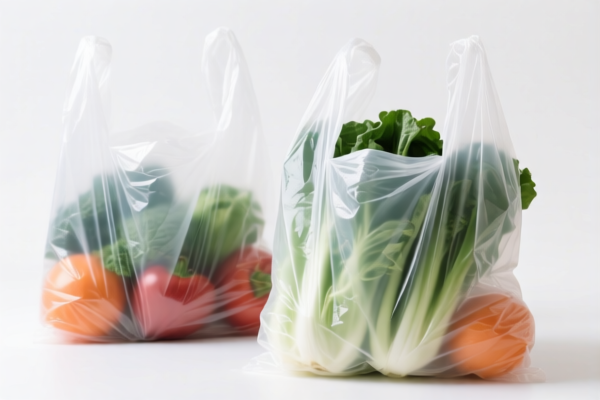
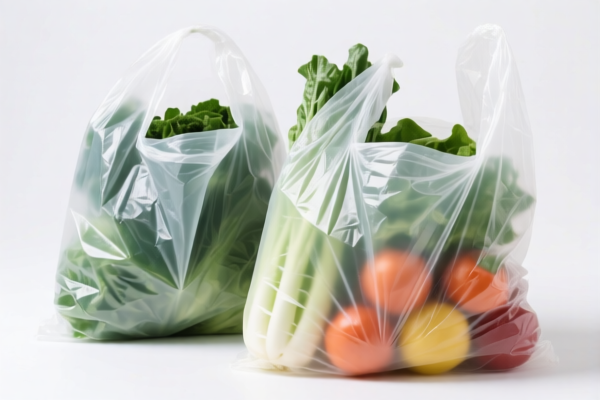
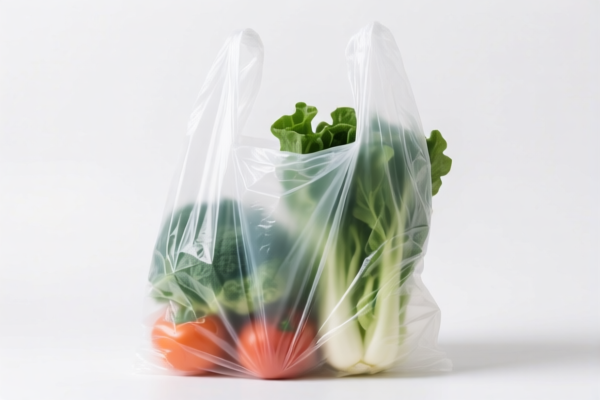
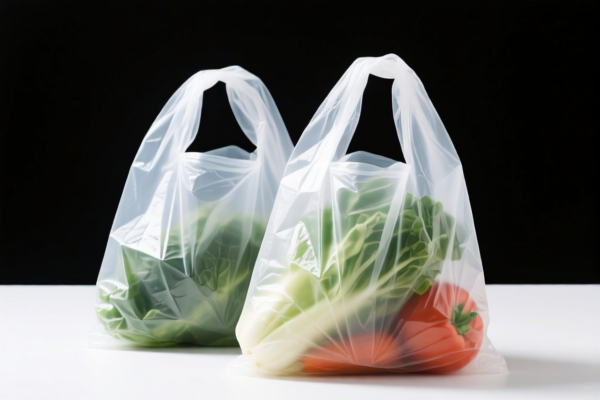
Polyethylene (PE) vegetable bags are flexible plastic packaging materials primarily used for holding, protecting, and displaying fresh produce in retail and logistics chains. In international trade, the classification depends heavily on the specific morphology, material composition, and intended use.
Key Distinctions: * Simple PE Bags: Basic pouches or sacks made solely of polyethylene. * Specialized Fruit/Vegetable Bags: May include features like ventilation holes, specific thickness requirements, or branded shapes. * Containers vs. Films: If the item is a rigid or semi-rigid container (like a bucket or deep basin), it falls under different headings than thin films.
⚠️ Critical Classification Point:
- If the item is a thin, flexible bag made of PE → Likely Chapter 39, Heading 3923.
- If the item is a rigid container (e.g., a plastic basin/bucket for vegetables) → Likely Chapter 39, Heading 3926.
📦 II. HS Code Classification Details (2026 Latest Tariff Authority Match)
Based on the provided data, the product is classified into two main categories: Packaging Films (Bags) and Plastic Containers.
| HS Code | Product Description | Application Scenario | Classification Logic |
|---|---|---|---|
3923.21.00.80 |
Polyethylene fruit/vegetable bags | General packaging of fruits/vegetables | Material: PE; Form: Bag; Use: Packaging |
3923.21.00.95 |
Polyethylene fruit/vegetable bags (Sack-type) | Bags meeting specific "sack/bag" attributes | Material: PE; Form: Bag; Attribute: Sack/Bag type |
3923.21.00.11 |
Polyethylene bags (General) | Basic PE bags meeting material/shape requirements | Material: PE; Form: Bag; Basic compliance |
3926.90.99.89 |
Plastic Vegetable Basin | Non-specific plastic article (rigid/semi-rigid) | Material: Plastic; Category: Other plastic articles |
3926.90.10.00 |
Plastic Vegetable Basin (Buckets/Pails) | Rigid container classified as Buckets/Pails | Material: Plastic; Form: Container; Specific: Bucket/Pail |
🔍 Key Reminder:
- Bags/Films go to 3923.21 (Articles for the conveyance or packing of goods, of plastics, in the form of sheets, film, bags, sacks...).
- Basins/Buckets go to 3926.90 (Other articles of plastics).
- Do not confuse a soft plastic bag with a rigid plastic container.
💰 III. 2026 Latest Tariff Rate Breakdown (Including Surcharges & Policy Add-ons)
✅ Applicable Country: USA (US)
✅ Country of Origin: China (CN)
✅ Effective Date: Includes imports post-2025 (based on provided tax details)
🎯 1. Polyethylene Bags (HS Codes: 3923.21.00.80, 3923.21.00.95, 3923.21.00.11)
These codes cover the flexible polyethylene bags. The tax structure is identical for all three sub-codes based on the data.
| Item | Detail |
|---|---|
| Basic Tariff | 3.0% (ad valorem) |
| Retaliatory Tariff (Section 301) | +25.0% |
| Section 122 Tariff | +10.0% |
| Total Tax Rate | 38.0% |
| Tax Calculation | CIF Value × 38% |
| De Minimis Eligibility | ❌ Not Eligible (High total rate usually excludes de minimis benefits or requires full duty payment) |
| Legal Basis Path | Basic Tariff: 3.0% + Section 301: 25.0% + Section 122: 10.0% |
📌 Explanation:
- The 25% is the standard Section 301 tariff on many Chinese plastic products.
- The 10% is an additional "Section 122" tariff (often related to specific trade enforcement or emergency actions).
- Total Cost Impact: For every $1,000 CIF value, expect $380 in duties. This is a high-cost item for importers.
🎯 2. Plastic Vegetable Basins/Containers (HS Codes: 3926.90.99.89, 3926.90.10.00)
These codes apply if the "vegetable bag" is actually a rigid plastic container (e.g., a reusable produce bin or a heavy-duty basin).
| Sub-Code | Product Description | Total Tax Rate | Tax Breakdown |
|---|---|---|---|
3926.90.99.89 |
Other plastic articles (Non-specific) | 22.8% | Basic: 5.3% + Sec 301: 7.5% + Sec 122: 10% |
3926.90.10.00 |
Buckets and Pails | 20.9% | Basic: 3.4% + Sec 301: 7.5% + Sec 122: 10% |
📌 Explanation:
- 3926.90.10.00 is the preferred code if the item is specifically a bucket or pail, as it has a lower basic tariff (3.4% vs 5.3%), resulting in a 1.9% savings compared to the generic "other article" code.
- Both are subject to the 10% Section 122 and 7.5% Section 301 surcharges.
🛠️ IV. Customs Clearance Practical Advice (Real-World Pitfall Avoidance)
✅ 1. Documentation Checklist (Non-Negotiable)
| Document | Required? | Description |
|---|---|---|
| ✅ Product Specification Sheet | ✔️ | Must clearly state: Material (100% Polyethylene), Weight, Thickness, Dimensions. |
| ✅ Commercial Invoice | ✔️ | Clearly describe as "Polyethylene Vegetable Bags" OR "Plastic Vegetable Basin" depending on actual form. |
| ✅ Packing List | ✔️ | List quantity, weight, and packaging type (e.g., "1000 bags per carton"). |
| ✅ Material Declaration | ✔️ | Confirm no restricted substances (e.g., heavy metals, certain phthalates) if for food contact. |
| ✅ Certificate of Origin (CO) | ✔️ | Essential for proving China origin (triggering surcharges) or exempting if shipped from third country. |
✅ 2. Declaration Strategy (Key Mantra)
🔥 "Soft is Bag (3923), Rigid is Basin (3926). Name it right, save your night!"
| Scenario | Correct Declaration | Wrong Practice | Consequence |
|---|---|---|---|
| Thin, flexible PE bag | 3923.21.00.80 (or .95/.11) |
Declare as "Plastic Container" | Risk of misclassification penalty + higher duty if wrongly classified as rigid |
| Rigid Plastic Basin/Bucket | 3926.90.10.00 |
Declare as "Bag" | Risk of rejection or re-classification to 3926.90.99.89 (higher duty) |
| Food Contact Bags | Specify "Food Grade PE" | Omit material use | Customs may request additional FDA compliance docs, causing delays |
✅ 3. Special Case Handling
| Situation | Handling Advice |
|---|---|
| Sample vs. Bulk | Samples may still be subject to duties if declared as commercial goods. Mark as "Non-Commercial Sample" but be aware of de minimis rules (Section 321) which may not apply to China-origin goods due to surcharges. |
| Composite Packaging | If bags are inside boxes, declare the primary function (packaging). Do not split duties unless items are distinct and separately sold. |
| Re-Export from Mexico/Vietnam | If shipped from a third country with substantial transformation, you may avoid Section 301/122 tariffs. Requires strict Substantial Transformation documentation. |
🌍 V. Global Market Customs Comparison (2026 Latest)
| Country/Region | Recommended HS Code | Estimated Duty (China Origin) | Key Certifications | Notes |
|---|---|---|---|---|
| 🇺🇸 USA | 3923.21.00.80 |
38.0% (Bags) 20.9%~22.8% (Basins) |
None specific, but FDA compliance for food contact | High Tariff Market due to Sec 301 & 122. |
| 🇨🇳 China | 3923.21.00.80 |
10.0%~13.0% | GB Standards | Import duty lower than US, but VAT applies. |
| 🇪🇺 EU | 3923.29.10 |
6.5% | REACH, Food Contact Compliance | No Section 301 equivalent, but high VAT. |
| 🇯🇵 Japan | 3923.29.000 |
6.0%~8.0% | Food Sanitation Act | Moderate duty, strict food safety checks. |
📌 Conclusion:
- The USA is the most expensive market for polyethylene bags due to the 38% total tariff.
- Plastic basins are slightly cheaper to import into the US (20.9%) if classified correctly as "Buckets/Pails."
- Strategy: If possible, consider sourcing from or manufacturing in non-China countries to avoid Section 301/122 tariffs.
📌 VI. Common Errors & Pitfall Guide (Lessons Learned)
❌ Error 1: Calling a "Plastic Basin" a "Bag"
👉 Consequence: Customs may reject the declaration or apply the higher "Other Plastic Articles" duty if it doesn't fit the "Bag" definition.
❌ Error 2: Ignoring Section 122 Tariff
👉 Consequence: Under-declaring duties by 10% leads to penalties and back-taxes.
❌ Error 3: Using Generic Terms like "Plastic Stuff"
👉 Consequence: Customs will classify under the highest possible duty rate or hold the shipment for inspection.
❌ Error 4: Assuming Food-Grade Means Duty-Free
👉 Consequence: Material safety is separate from tariff classification. No duty exemption for food-contact plastics from China.
✅ Correct Practice:
"Polyethylene Vegetable Bags, 100% PE, Food Grade, Clear, 12x18 inches, 0.5 mil thickness"
OR
"Plastic Vegetable Basin, Rigid, Blue, 5 Gallon Capacity, Food Safe"
🎯 VII. Conclusion: Smart Classification, Lower Costs!
🎯 Remember the Mantra:
🔹 "Soft = 3923 (38% Tax), Rigid = 3926 (21% Tax)."
🔹 "Section 301 + 122 = Pain. Check Origin, Plan Ahead."
📌 Pro Tip:
If you are importing large volumes, consider applying for an Exclusion under Section 301 (if available) or restructuring supply chains to avoid China origin. For plastic basins, always use 3926.90.10.00 to save that extra 1.9% compared to generic plastic articles.
📣 Immediate Action:
📞 Confirm with your supplier: Is it a bag (flexible) or a basin (rigid)?
📝 Ensure your invoice matches the physical product perfectly.
🚀 Clear Customs Smoothly, Minimize Duties, Maximize Profit!
✨ Professional Clearance Starts with Accurate Classification!
💼 Your Bottom Line Depends on This HS Code!
用户评价
关于 HS 编码归类
协调制度(HS)是由世界海关组织(WCO)制定的国际贸易商品分类标准。全球 200 多个国家采用 HS 系统作为海关关税、贸易统计和进出口监管的基础。
每个 HS 编码遵循以下层级结构:
- 章(2 位)——商品大类(例如:第 84 章:机器和机械设备)
- 品目(4 位)——章内的更具体分类
- 子目(6 位)——国际通用细分,所有 WCO 成员国统一使用
- 本国细分(8-10 位)——各国自行扩展的细分编码,如美国 HTSUS 10 位编码
正确的 HS 编码归类对于顺利通关、准确缴纳关税和遵守贸易法规至关重要。错误归类可能导致海关延误、多缴关税或罚款。
从CN进口到US时,适用的关税税率可能包括:
- 最惠国(MFN)税率——适用于 WTO 成员国的标准关税税率
- 普通税率——适用于无贸易协定国家
- 贸易救济关税——附加关税,如 301 条款(反倾销)、232 条款(国家安全)或反补贴税
本页内容仅供参考。如需正式归类,请咨询当地海关或持牌报关代理。