Polymer Plastic Light Shielding Film
CN → US| HS编码 | 关税税率 | 原产国 | 目的国 | 文档 |
|---|---|---|---|---|
| 3920620050 | 39.2% | CN | US | 官方文档 |
| 3920992000 | 39.2% | CN | US | 官方文档 |
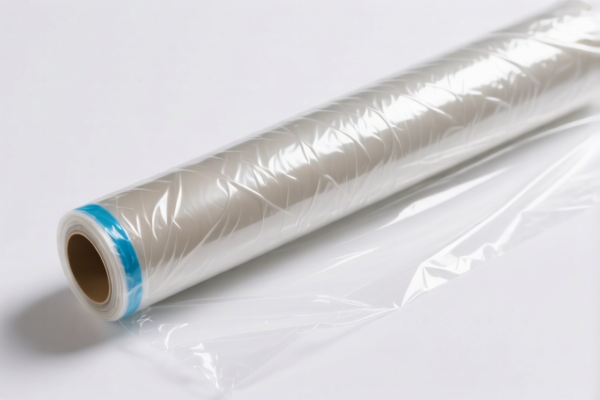
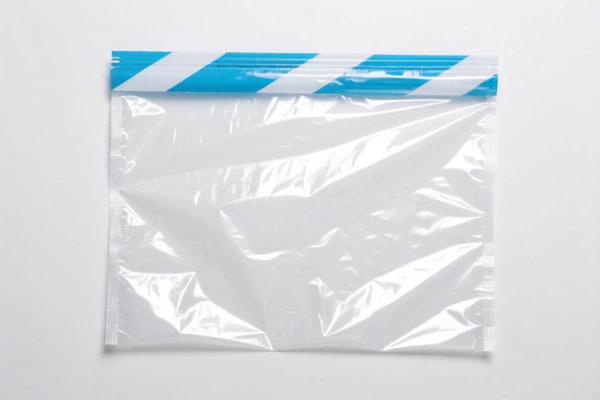
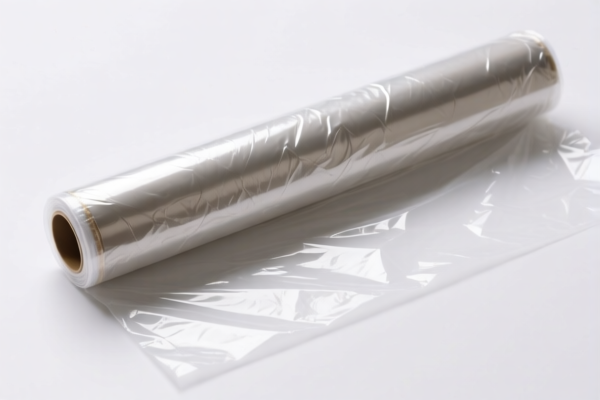
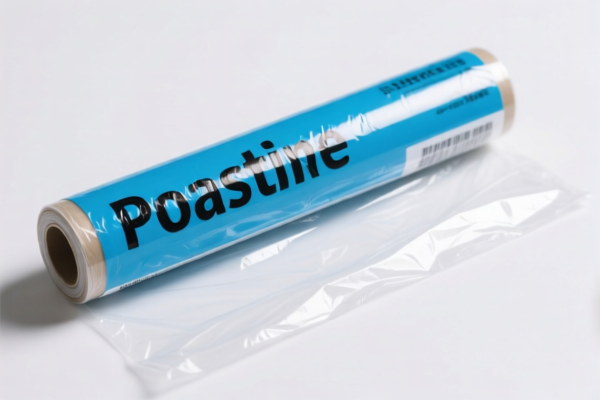
商品图片
AI分析
🛡️ Polymer Plastic Light Shielding Film ( Metallized PET & Flexible Plastic Films )
🌐 HS Code Reference & Customs Clearance Guide | 2026 Latest Tariff Analysis | Professional Compliance Strategy
📌 1. Product Definition & Classification: What Exactly is "Light Shielding Film"?
Light shielding films are functional plastic films designed to block light, UV rays, or electromagnetic interference. In international trade, they are primarily classified under Chapter 39 (Plastics and Articles Thereof) based on their material composition and structure.
The key distinction lies in the material type and whether they are metallized/reinforced:
- Metallized PET Film (Polycarbonates/Polyesters): These are often used for high-end electronics, packaging, or decorative purposes. They consist of Polyethylene Terephthalate (PET) coated with a thin metal layer (usually aluminum) to provide light/electricity blocking.
- Key Feature: Rigid or semi-rigid, transparent base with metallic sheen.
- Flexible Plastic Films (Other Plastics): These include films made from PVC, PE, PP, or other polymers that are not specifically PET/Polyester and are not metallized. They are used for general wrapping, masking, or simple light-blocking applications.
- Key Feature: Flexible, often matte or opaque, non-metallic surface.
⚠️ Critical Distinction:
- If the film is Metallized PET → It falls under 3920.62.00.50 (Polyesters/Metallized).
- If the film is Other Plastic (e.g., PVC/PE) and Non-Metallized → It falls under 3920.99.20.00 (Other Plastics/Flexible).
- Do not confuse "Light Shielding" with "Electrical Insulation" or "Optical Lenses" unless it has a specific optical function beyond simple blocking.
📦 2. HS Code Classification Details (2026 Latest Tariff Authority)
| HS Code | Product Description | Applicable Scenario | Material Type | Metallized? |
|---|---|---|---|---|
3920.62.00.50 |
Other plates, sheets, film, foil, strip of plastics: Of polyesters (e.g., PET): Metallized PET film: Other | High-end packaging, solar panel backsheets, decorative laminates, EMI shielding substrates | Polyethylene Terephthalate (PET) | ✅ Yes |
3920.99.20.00 |
Other plates, sheets, film, foil, strip of plastics: Of other plastics: Film, strip, sheets, flexible: Other | General-purpose light blocking, masking tape backing, simple opaque wraps, PVC/PE films | PVC, PE, PP, etc. | ❌ No |
🔍 Key Reminder:
- Metallization matters: If the PET film is coated with metal for light/electrical shielding, it must be classified under3920.62.00.50.
- Flexibility matters: Both codes apply to "noncellular" (solid, not foamed) films. If the film is foamed (e.g., foam tape), it may fall under different headings (e.g., 3921).
- Reinforcement: If the film is laminated with other materials (e.g., paper, fabric), it may not qualify as "supported" under 3920 unless specifically allowed. Assume simple single-layer or co-extruded for these codes.
💰 3. 2026 Latest Tariff Rate Breakdown (Including Surcharges, Policy Add-ons)
✅ Applicable Country: United States (US)
✅ Country of Origin: China (CN)
✅ Effective Date: From November 10, 2025 (for subsequent imports)
🎯 1. 3920.62.00.50 —— Metallized PET Film (Polyesters)
| Item | Content |
|---|---|
| Base Tariff Rate | 4.2% (ad valorem) |
| Section 301 Additional Tariff | +25.0% (under USITC Footnote 9903.88.01) |
| Total Tariff Rate | 29.2% |
| Tax Calculation | CIF Value × 29.2% |
| De Minimis Exemption Eligible? | ❌ No (deny_de_minimis for Section 301 goods) |
| Legal Basis Path | USITC:3920.62.00.50 → SECTION_301:9903.88.01 |
📌 Explanation:
- Metallized PET films from China are subject to the 25% Section 301 surcharge due to their classification as "plastic films" under the trade war list.
- The 4.2% base rate is the standard Most Favored Nation (MFN) rate for plastic films of polyester.
- Total cost impact: 29.2% is significant for high-volume imports. Price negotiation or supply chain relocation (e.g., to Vietnam/Mexico) should be considered.
🎯 2. 3920.99.20.00 —— Other Flexible Plastic Films
| Item | Content |
|---|---|
| Base Tariff Rate | 4.2% (ad valorem) |
| Section 301 Additional Tariff | +25.0% (under USITC Footnote 9903.88.01) |
| Total Tariff Rate | 29.2% |
| Tax Calculation | CIF Value × 29.2% |
| De Minimis Exemption Eligible? | ❌ No (deny_de_minimis for Section 301 goods) |
| Legal Basis Path | USITC:3920.99.20.00 → SECTION_301:9903.88.01 |
📌 Explanation:
- Even if the film is made of PVC or PE (not PET), it is still subject to the 25% Section 301 surcharge if it falls under "Other plastics" and is imported from China.
- The 4.2% base rate applies uniformly to many flexible plastic films.
- Total cost impact: Same as PET films (29.2%). No tariff advantage for switching to PVC/PE if origin remains China.⚠️ Critical Note:
- Both codes incur 29.2% total duty for Chinese-origin goods.
- No de minimis exemption applies under Section 301, meaning even small shipments are taxed.
- If the film is imported from Vietnam, Thailand, or Mexico, these surcharges may not apply (subject to rules of origin verification).
🛠️ 4. Customs Clearance Practical Advice (Field Avoidance Guide)
✅ 1. Required Documentation Checklist (All Mandatory)
| Document | Required | Description |
|---|---|---|
| ✅ Product Specification Sheet | ✔️ | Must state: Material (PET/PVC/PE), Thickness, Width, Length, Metallization status, Light transmission % |
| ✅ Material Safety Data Sheet (MSDS) | ✔️ | For chemical composition verification |
| ✅ Commercial Invoice | ✔️ | Clearly describe as "Plastic Light Shielding Film" + HS Code + Country of Origin |
| ✅ Packing List | ✔️ | Show gross/net weight, number of rolls, dimensions |
| ✅ Certificate of Origin (CO) | ✔️ | Crucial to prove non-Chinese origin if seeking tariff relief |
| ✅ Test Report | ✔️ | Light blocking efficiency, tensile strength, flammability (if applicable) |
✅ 2. Declaration Tips (Key Mnemonics)
🔥 "Specify Material, State Metallization, Declare Origin!"
| Scenario | Correct Declaration | Incorrect Practice |
|---|---|---|
| Metallized PET | 3920.62.00.50 - "Metallized PET Film, Light Shielding" |
"Plastic Film" (Vague → Audit Risk) |
| PVC Light Blocking Film | 3920.99.20.00 - "Flexible PVC Film, Opaque" |
"Light Shielding Product" (Not an HS term) |
| Laminated Film (e.g., PET + Foil) | May be 3920.62.00.50 if PET is principal |
Split declaration → 89.5% tariff on components! |
| Foam Light Blocking Tape | Not 3920 (May be 3921 or 3919) | Misclassification → Delay + Penalty |
📌 Golden Rule:
- Do not split rolls into "film" and "adhesive" if it's a pre-coated tape.
- Do not declare as "Packaging Material" without specifying HS code.
- Always specify "Metallized" if present. It changes the subheading and confirms the 3920.62 classification.
✅ 3. Special Case Handling
| Scenario | Handling Advice |
|---|---|
| OEM Custom Film | Provide customer order + design file. Specify exact material composition. |
| Rolls vs. Sheets | Ensure description matches "Film" (rolls) or "Sheets" (cut). Both are 3920, but clarity prevents inspection delays. |
| Non-Chinese Origin | If from Vietnam/Mexico, provide CO to potentially avoid 25% surcharge (verify current trade policies). |
| Sample Shipments | Even samples are subject to 29.2% if Chinese origin. Declare accurately; do not use "Gift" or "Sample" to evade tax. |
🌍 5. Global Market Comparison (2026 Latest)
| Country/Region | Recommended HS Code | Tariff (China Origin) | Certification Requirements | Notes |
|---|---|---|---|---|
| 🇺🇸 USA | 3920.62.00.50 / 3920.99.20.00 |
29.2% (4.2% Base + 25% 301) | None specific (general safety) | High duty cost. Check for exclusions. |
| 🇨🇳 China | 3920.62.00.50 / 3920.99.20.00 |
4.2% (Import Duty) | CCC (if applicable) | Lower duty, but check environmental regulations. |
| 🇪🇺 EU | 3920.62.00 / 3920.99 |
6.5% (General) | REACH, RoHS | No Section 301 equivalent. REACH compliance critical. |
| 🇦🇺 Australia | 3920.62.00 / 3920.99 |
5% (General) | Australian Compliance Label | Lower than US, no extra surcharges. |
| 🇯🇵 Japan | 3920.62.00 / 3920.99 |
6.0% (General) | PSE (if electrical) | Standard duties, no political surcharges. |
📌 Conclusion:
- USA is the most expensive market due to Section 301 tariffs (29.2% total).
- EU, Japan, Australia offer significantly lower duties (5–6.5%) but require stricter environmental compliance (REACH, RoHS).
- Supply Chain Strategy: Consider sourcing from Vietnam, Thailand, or Mexico to bypass US surcharges, but ensure Rules of Origin are met.
📌 6. Common Mistakes & Pitfalls (Lessons Learned)
❌ Mistake 1: Declaring "Light Shielding Film" without specifying material (PET vs. PVC)
👉 Consequence: Customs may misclassify → Audit + Back Tax + Penalty
❌ Mistake 2: Omitting "Metallized" status for PET films
👉 Consequence: Incorrect HS Code (e.g., using 3920.99 instead of 3920.62) → Delay in release
❌ Mistake 3: Assuming "Sample" or "Low Value" ships are exempt from 25% surcharge
👉 Consequence: 29.2% tax still applies. De minimis does not cover Section 301 goods.
❌ Mistake 4: Splitting a laminated film into "Plastic" and "Metal Foil" for separate declaration
👉 Consequence: 89.5% total tariff if components are taxed separately → Massive cost increase
✅ Correct Practice:
"Metallized PET Light Shielding Film, 50 Micron, 100cm Width, Roll Form, Origin: China, HS Code: 3920.62.00.50"
🎯 7. Conclusion: Precision Declaration Saves Money!
🎯 Remember the Mantra:
🔹 "Specify Material, State Metallization, Declare Origin!"
🔹 "HS Code Dictates Tax, 29.2% is the Price, Wrong Code Means Delay!"
📌 Pro Tip:
- If your film is originally from Vietnam, Mexico, or Thailand, you may avoid the 25% Section 301 surcharge, reducing the total duty to just 4.2%.
- Always verify the Rules of Origin and obtain a valid Certificate of Origin (CO).
- Consider Apply for Advance Ruling with US Customs (CBP) for high-volume imports to ensure classification certainty.
📣 Immediate Action Required:
📞 Contact your customs broker + Provide Product Specs + Verify Country of Origin
🚀 Optimize your supply chain, reduce duty costs, and ensure smooth customs clearance!
✨ Professional Clearance Starts with Accurate Classification!
💼 Every cent of duty cost deserves precise calculation!
用户评价
关于 HS 编码归类
协调制度(HS)是由世界海关组织(WCO)制定的国际贸易商品分类标准。全球 200 多个国家采用 HS 系统作为海关关税、贸易统计和进出口监管的基础。
每个 HS 编码遵循以下层级结构:
- 章(2 位)——商品大类(例如:第 84 章:机器和机械设备)
- 品目(4 位)——章内的更具体分类
- 子目(6 位)——国际通用细分,所有 WCO 成员国统一使用
- 本国细分(8-10 位)——各国自行扩展的细分编码,如美国 HTSUS 10 位编码
正确的 HS 编码归类对于顺利通关、准确缴纳关税和遵守贸易法规至关重要。错误归类可能导致海关延误、多缴关税或罚款。
从CN进口到US时,适用的关税税率可能包括:
- 最惠国(MFN)税率——适用于 WTO 成员国的标准关税税率
- 普通税率——适用于无贸易协定国家
- 贸易救济关税——附加关税,如 301 条款(反倾销)、232 条款(国家安全)或反补贴税
本页内容仅供参考。如需正式归类,请咨询当地海关或持牌报关代理。