Polypropylene Antioxidant Masterbatch
CN → US| HS编码 | 关税税率 | 原产国 | 目的国 | 文档 |
|---|---|---|---|---|
| 3812393000 | 35.0% | CN | US | 官方文档 |
| 3911902500 | 41.1% | CN | US | 官方文档 |
| 3901909000 | 41.5% | CN | US | 官方文档 |
| 3901905501 | 41.5% | CN | US | 官方文档 |
| 3911909110 | 41.5% | CN | US | 官方文档 |
商品图片
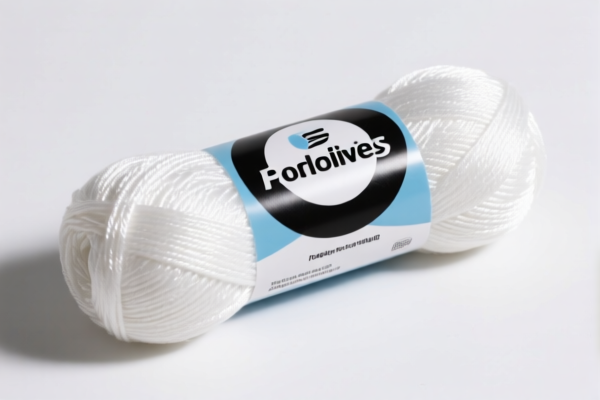
AI分析
🧪 Polypropylene Antioxidant Masterbatch (Polyethylene/Antioxidant Masterbatch)
🌐 HS Code Reference & Customs Clearance Guide | 2026 Latest Tariff Analysis | Professional Level Clearance Strategy
📌 I. Product Definition & Classification: What is "Antioxidant Masterbatch"?
Antioxidant Masterbatch is a specialized additive concentrate used in plastic processing. It consists of an antioxidant agent (chemical function) dispersed within a carrier resin matrix (typically Polyethylene or Polypropylene). Its primary purpose is to prevent polymer degradation during processing and service life.
In international trade, classification hinges on two critical factors: 1. The Carrier Material: Is it considered a "Chemical Preparation" or a "Plastic Primary Form"? 2. The Composition: Does it contain more than 10% of active antioxidant ingredients?
⚠️ Key Distinction:
- If the active antioxidant content is >10% and it is formulated for a specific technical function → Likely Chapter 38 (Chemical Preparations).
- If the active antioxidant content is ≤10% or it is primarily viewed as a plastic pellet with additives → Likely Chapter 39 (Plastics & Articles Thereof).
📦 II. HS Code Classification Details (2026 Latest Tariff Alignment)
Based on the provided data, the following HS Codes are potential classifications depending on the specific chemical structure and carrier resin used:
| HS Code | Product Description & Matching Logic | Total Tax Rate | Tax Composition Breakdown |
|---|---|---|---|
3812.39.30.00 |
Chemical Preparations for Plastic Processing. Matching Logic: "Polyethylene" aligns with the carrier material; "Antioxidant Masterbatch" fits the description of antioxidants and specific chemical structure masterbatches. |
35.0% | Base: 0.0% Section 301: 25.0% Section 122: 10.0% |
3911.90.25.00 |
Phenolic Resins / Other Primary Plastics. Matching Logic: Inferred as a polyolefin derivative;形态 (Form) is "Masterbatch" (granules/pellets), fitting primary form characteristics without material conflict. |
41.1% | Base: 6.1% Section 301: 25.0% Section 122: 10.0% |
3901.90.90.00 |
Other Primary Forms of Ethylene Polymers. Matching Logic: Material is Polyethylene (Ethylene polymer); Form is Masterbatch (Primary Form). Fits the classification of ethylene polymer primary forms. |
41.5% | Base: 6.5% Section 301: 25.0% Section 122: 10.0% |
3901.90.55.01 |
Other Polyethylenes with Specific Gravity > 0.94. Matching Logic: Material is Polyethylene; Form is Masterbatch (Primary Form/Feedstock). Highly consistent with ethylene copolymer categories with no material conflict. |
41.5% | Base: 6.5% Section 301: 25.0% Section 122: 10.0% |
3911.90.91.10 |
Phenolic Resins, Primary Forms. Matching Logic: Infers "Masterbatch" as primary form (granules). Fits Chapter 39 characteristics for resin/plastic primary products, no material conflict. |
41.5% | Base: 6.5% Section 301: 25.0% Section 122: 10.0% |
🔍 Critical Note:
- The difference between 35.0% and 41.5% lies in whether Customs views the product as a "Chemical Preparation" (Ch. 38) or a "Plastic Primary Form" (Ch. 39). - Ch. 39 codes carry a higher base tariff (6.1%-6.5%), whereas Ch. 38 code has a 0% base tariff but is capped at a lower total.
💰 III. 2026 Latest Tariff Rate Detailed Explanation (Including Surtaxes & Policies)
✅ Applicable Country: United States (US)
✅ Origin: China (CN)
✅ Effective Date: Post-November 10, 2025 (Includes subsequent imports)
🎯 1. 3812.39.30.00 —— Chemical Preparations (Antioxidants)
| Item | Content |
|---|---|
| Base Tariff | 0% (ad valorem) |
| USITC Surtax (Section 301) | +25% |
| IEEPA Surtax (Section 122) | +10% (Targeting China/HK products, effective from 2025-11-10) |
| Total Tariff Rate | 35.0% |
| Calculation Method | CIF Value × 35.0% |
| De Minimis Exemption | ❌ Not Eligible (deny_de_minimis) |
| Legal Basis Path | IEEPA:9903.01.25 → IEEPA:9903.01.24 → USITC:3812.39.30.00 → FOOTNOTE:9903.88.01 |
📌 Interpretation:
- This is the lowest total tariff option (35%). - It is classified under Chapter 38, which treats the masterbatch as a chemical formulation rather than just plastic resin. - Strategy: If the antioxidant content is significant and the product is clearly a functional chemical additive, aim for this code to save ~6.5% on base duties.
🎯 2. 3901.90.90.00 / 3901.90.55.01 / 3911.90.91.10 —— Primary Forms of Plastics
| Item | Content |
|---|---|
| Base Tariff | 6.5% (for 3901/3911 variants) |
| USITC Surtax (Section 301) | +25% |
| IEEPA Surtax (Section 122) | +10% |
| Total Tariff Rate | 41.5% |
| Calculation Method | CIF Value × 41.5% |
| De Minimis Exemption | ❌ Not Eligible |
| Legal Basis Path | IEEPA:9903.01.25 → IEEPA:9903.01.24 → USITC:3901.90.90.00 → FOOTNOTE:9903.88.01 |
📌 Interpretation:
- This is the highest cost option (41.5%). - Classified under Chapter 39, treating the masterbatch as a plastic pellet/resin with minor additives. - Risk: If Customs determines it is a chemical preparation but you declared it as plastic resin, you may face reclassification penalties.
🎯 3. 3911.90.25.00 —— Phenolic Resins / Derivatives
| Item | Content |
|---|---|
| Base Tariff | 6.1% |
| USITC Surtax (Section 301) | +25% |
| IEEPA Surtax (Section 122) | +10% |
| Total Tariff Rate | 41.1% |
| Calculation Method | CIF Value × 41.1% |
| De Minimis Exemption | ❌ Not Eligible |
📌 Interpretation:
- Slightly lower than the 3901/3911.91 variants but still significantly higher than the Chapter 38 option. - Specific to phenolic resin derivatives or specific polyolefin structures.
🛠️ IV. Customs Clearance Practical Advice (Battle-Tested Pitfall Guide)
✅ 1. Required Documentation Checklist (Non-negotiable)
| Document | Mandatory? | Description |
|---|---|---|
| ✅ Product Specification Sheet | ✔️ | Must detail: Chemical composition, antioxidant type/concentration, carrier resin type (PE/PP), and density. |
| ✅ Technical Data Sheet (TDS) | ✔️ | Proves functional purpose (antioxidant) vs. mere plastic filler. |
| ✅ Product Photos | ✔️ | Clear shots of pellets/granules and labeling. |
| ✅ Commercial Invoice | ✔️ | Must explicitly state "Antioxidant Masterbatch for Plastics" – do NOT use vague terms like "Plastic Pellets". |
| ✅ Certificate of Origin (CO) | ✔️ | Essential for verifying China origin to apply surtaxes. |
| ✅ Declaration of Composition | ✔️ | Specifically state if antioxidant content >10%. |
✅ 2. Declaration Tactics (Key Mantras)
🔥 "Function Over Form, Chemical Over Plastic!"
| Scenario | Correct Declaration Strategy | Wrong Practice |
|---|---|---|
| High Antioxidant Content (>10%) | Declare as 3812.39.30.00 (Chemical Prep). Highlight functional additives. |
Declaring as "Plastic Resin" → Triggers 41.5% tax. |
| Low Antioxidant Content (≤10%) | Declare as 3901 or 3911 (Plastic Primary Form). |
Declaring as Chemical → Potential audit for misclassification. |
| Carrier is Polyethylene | Use 3901 subheadings if Ch. 39 is chosen. |
Using generic "Plastic" terms → Delay in clearance. |
| Carrier is Phenolic/Polyolefin Mix | Use 3911 if it fits resin definitions. |
Misidentifying resin type → Rejection. |
✅ 3. Special Situation Handling
| Situation | Handling Advice |
|---|---|
| OEM Custom Masterbatch | Provide formulation details from the client. If the antioxidant is proprietary, provide a redacted TDS showing chemical nature. |
| Mixed Carriers (PE+PP) | If both are present, the classification may lean towards 3901 (PE) or 3911 depending on weight dominance. |
| Anti-Block vs. Antioxidant | Ensure the invoice says Antioxidant. Anti-blocking agents might fall under different Ch. 38 or Ch. 39 headings. |
| Small Quantity Samples | Still subject to duties. No de minimis for China-origin goods under these specific surtax rules. |
🌍 V. Global Main Market Clearance Comparison (2026 Latest)
| Country/Region | Recommended HS Code | Tariff Rate | Certification Req. | Notes |
|---|---|---|---|---|
| 🇺🇸 USA | 3812.39.30.00 |
35.0% (Ch. 38) 41.5% (Ch. 39) |
None Specific | Highest Surcharge Market. Choose Ch. 38 if possible to save ~6.5%. |
| 🇨🇳 China | 3812.39.30.00 |
~5-10% | None | Lower base tariffs. |
| 🇪🇺 EU | 3812.39.30 (approx) |
~6.5% | REACH Registration | REACH compliance is critical for antioxidants. |
| 🇬🇧 UK | 3812.39.00 |
~6.5% | UK REACH | Post-Brexit rules apply. |
| 🇯🇵 Japan | 3812.39.00 |
~6.5% | JIS/SEPA | No significant surtaxes. |
📌 Conclusion:
- The USA is the only market imposing punitive 25%+10% surtaxes on these goods. - Optimization Opportunity: If your product qualifies as a "Chemical Preparation" (functional antioxidant masterbatch),3812.39.30.00is the optimal code, saving 6.5% in base duties compared to plastic resin codes.
📌 VI. Common Errors & Pitfall Guide (Blood & Tears Lessons)
❌ Error 1: Declaring "Antioxidant Masterbatch" as "Polyethylene Resin" (3901...)
👉 Consequence: You pay 41.5% instead of 35.0%. Overpayment of ~6.5% on every shipment.
👉 Fix: Prove the chemical functional content.
❌ Error 2: Using vague terms like "Plastic Additives" or "Filler"
👉 Consequence: Customs may reclassify to a higher duty rate or hold the shipment for detailed analysis.
👉 Fix: Use precise chemical names and HS code justification.
❌ Error 3: Ignoring the "Masterbatch" form factor
👉 Consequence: If it's granules, it's often seen as "Primary Form" (Ch. 39) unless the chemical content is dominant.
👉 Fix: Provide TDS showing the antioxidant is the active ingredient.
❌ Error 4: Assuming De Minimis applies
👉 Consequence: Small shipments from China are NOT exempt from Section 301/122 surtaxes.
👉 Fix: Budget for full tariff payment even for samples.
🎯 VII. Conclusion: Professional Declaration, Cost Savings, Efficiency!
🎯 Remember the Mantra:
🔹 "Function First, Code Ch.38, Save 6.5%, Avoid Ch.39 Trap!"
🔹 "Masterbatch is Chemical, Not Just Plastic, Declare Right, Avoid Tax Attack!"
📌 Pro Tip:
- If your antioxidant content is low (<10%) and primarily acts as a stabilizer in a plastic pellet, 3901 or 3911 may be more defensible as "Plastic Primary Forms."
- If the antioxidant is the main functional component and content is >10%, push for 3812.39.30.00 to secure the 35.0% rate.
- Recommendation: Apply for an Advance Ruling from US CBP if the classification is ambiguous. It provides legal certainty for future shipments.
📣 Immediate Action:
📞 Consult a licensed customs broker + Provide TDS + Argue for
3812.39.30.00if chemically justified.
🚀 Optimize your tariff burden, clear customs smoothly, protect your margin!
✨ Professional Customs Clearance Starts with Precise Classification!
💼 Every Percent of Duty Saved is Pure Profit!
用户评价
关于 HS 编码归类
协调制度(HS)是由世界海关组织(WCO)制定的国际贸易商品分类标准。全球 200 多个国家采用 HS 系统作为海关关税、贸易统计和进出口监管的基础。
每个 HS 编码遵循以下层级结构:
- 章(2 位)——商品大类(例如:第 84 章:机器和机械设备)
- 品目(4 位)——章内的更具体分类
- 子目(6 位)——国际通用细分,所有 WCO 成员国统一使用
- 本国细分(8-10 位)——各国自行扩展的细分编码,如美国 HTSUS 10 位编码
正确的 HS 编码归类对于顺利通关、准确缴纳关税和遵守贸易法规至关重要。错误归类可能导致海关延误、多缴关税或罚款。
从CN进口到US时,适用的关税税率可能包括:
- 最惠国(MFN)税率——适用于 WTO 成员国的标准关税税率
- 普通税率——适用于无贸易协定国家
- 贸易救济关税——附加关税,如 301 条款(反倾销)、232 条款(国家安全)或反补贴税
本页内容仅供参考。如需正式归类,请咨询当地海关或持牌报关代理。