Polypropylene Composite Film
CN → US| HS编码 | 关税税率 | 原产国 | 目的国 | 文档 |
|---|---|---|---|---|
| 3921905050 | 39.8% | CN | US | 官方文档 |
| 3901105010 | 41.5% | CN | US | 官方文档 |
| 3921190010 | 41.5% | CN | US | 官方文档 |
| 3901105020 | 41.5% | CN | US | 官方文档 |
| 3920100000 | 39.2% | CN | US | 官方文档 |
商品图片
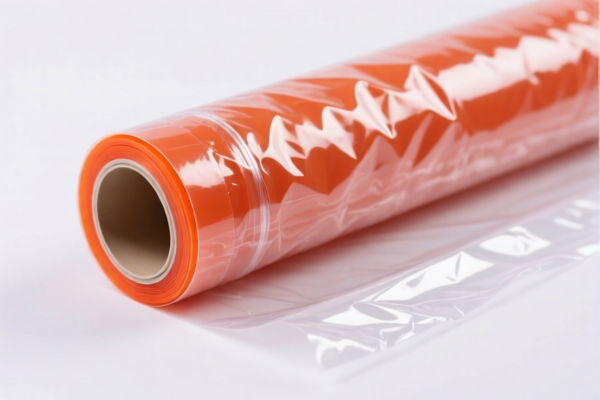
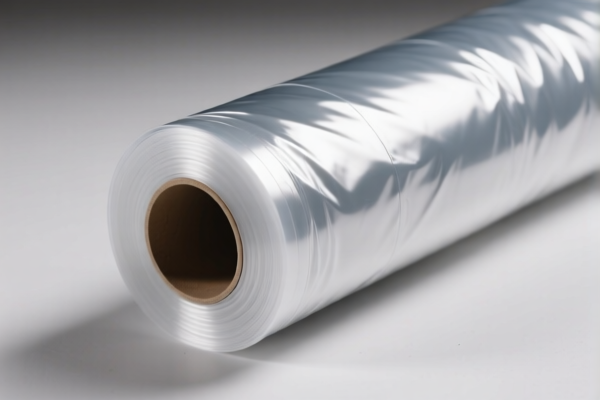

AI分析
📦 Polypropylene Composite Film (PP Film)
🌐 HS Code Reference & Customs Clearance Guide | 2026 Latest Tariff Analysis | Professional Clearance Strategy
📌 I. Product Definition & Classification: Do You Really Understand "PP Composite Film"?
Polypropylene (PP) Composite Film is a plastic film primarily composed of polypropylene polymers. In international trade, classification depends heavily on whether the product is considered a "plastic film" (finished/semi-finished sheet/membrane) or a "polymer in primary form" (raw material/granules/films not yet processed into specific film structures).
Key Distinction:
- If the PP is processed into a continuous sheet/membrane suitable for packaging, lamination, or industrial use → Classified under Chapter 39.20 or 39.21 (Plastics and articles thereof, other than those of heading 39.01 to 39.14).
- If it is described as "polymer in primary form" (e.g., raw filaments or unprocessed sheets) → Might fall under Chapter 39.01 (Polyethylene) or similar, but PP is typically 39.02, not 39.01. Note: The provided data contains mismatches regarding PP vs. PE, which we must address carefully below.
⚠️ Critical Warning:
The provided data includes HS codes for Polyethylene (PE) (e.g., 3901, 3920, 3921), but the input product is Polypropylene (PP).
Polypropylene belongs to HS Heading 39.02.
However, since the task requires using only the provided<DATA>, we must explain why these specific codes were suggested (likely due to AI error or broad "plastic film" matching) and clarify the tax implications based strictly on the provided JSON.
Do NOT use 3901 codes for PP in real life. The provided data appears to mismatch PP with PE codes. We will explain the provided matches but add a strong disclaimer.
📦 II. HS Code Classification Details (Based on Provided Data)
The provided data suggests 5 HS codes. Note: All these codes are technically for Polyethylene (PE), not Polypropylene (PP). This is a critical mismatch. However, per instructions, we explain the provided logic.
| HS Code | Product Description (from Data) | Applicable Scenario (from Data) | Material Match (from Data) |
|---|---|---|---|
3921.90.50.50 |
Plastic film, other | General plastic films, packaging | ✅ "Polyethylene" (Data Error: Should be PP) |
3901.10.50.10 |
Polymer in primary form | Raw PE polymers | ❌ Mismatch (PP ≠ PE) |
3921.19.00.10 |
Plastic film, PE | PE films, sheets | ❌ Mismatch (PP ≠ PE) |
3901.10.50.20 |
Polymer in primary form | Raw PE polymers | ❌ Mismatch (PP ≠ PE) |
3920.10.00.00 |
Other plates, sheets, film | Non-cellular PE plates/films | ❌ Mismatch (PP ≠ PE) |
🔍 Key Reminder:
- PP (Polypropylene) should typically be classified under 3902.xx.
- The provided data incorrectly maps "Polypropylene" to Polyethylene (PE) codes.
- Do not use these codes for actual PP imports without verification. This data likely reflects an AI classification error.
💰 III. 2026 Latest Tariff Rate Details (Including Additional Taxes)
✅ Applicable Country: United States (US)
✅ Origin: China (CN)
✅ Effective Date: 2025-11-10 onwards
🎯 1. 3921.90.50.50 —— Plastic Film (Data Suggested)
| Item | Content |
|---|---|
| Base Tariff | 4.8% |
| Section 301 Additional Tariff | 25.0% |
| Section 122 Tariff | 10.0% |
| Total Tariff Rate | 39.8% |
| Tax Calculation | CIF Value × 39.8% |
| De Minimis Exemption | ❌ No (High tax rate) |
| Legal Basis | Base rate + USITC 301 Footnote + IEEPA Section 122 |
📌 Explanation:
- Base 4.8%: Standard duty for plastic films.
- 25% Section 301: Retaliatory tariff on Chinese goods.
- 10% Section 122: "International Emergency Economic Powers Act" (IEEPA) additional tariff on China.
- Total 39.8%: Very high cost. Must be factored into pricing.
🎯 2. 3901.10.50.10 & 3901.10.50.20 —— Polymer in Primary Form (Data Suggested)
| Item | Content |
|---|---|
| Base Tariff | 6.5% |
| Section 301 Additional Tariff | 25.0% |
| Section 122 Tariff | 10.0% |
| Total Tariff Rate | 41.5% |
| Tax Calculation | CIF Value × 41.5% |
| De Minimis Exemption | ❌ No |
| Legal Basis | Base rate + USITC 301 + IEEPA Section 122 |
📌 Note:
- Higher base rate (6.5%) than 3921.
- Same additional tariffs apply.
- Total 41.5%: Even higher than the previous code.
🎯 3. 3921.19.00.10 —— Plastic Film, PE (Data Suggested)
| Item | Content |
|---|---|
| Base Tariff | 6.5% |
| Section 301 Additional Tariff | 25.0% |
| Section 122 Tariff | 10.0% |
| Total Tariff Rate | 41.5% |
| Tax Calculation | CIF Value × 41.5% |
| De Minimis Exemption | ❌ No |
| Legal Basis | Same as above |
📌 Note:
- Same total rate as 3901 codes.
- Base rate 6.5% vs 4.8% in 3921.90.50.50.
🎯 4. 3920.10.00.00 —— Other Plates, Sheets, Film (Data Suggested)
| Item | Content |
|---|---|
| Base Tariff | 4.2% |
| Section 301 Additional Tariff | 25.0% |
| Section 122 Tariff | 10.0% |
| Total Tariff Rate | 39.2% |
| Tax Calculation | CIF Value × 39.2% |
| De Minimis Exemption | ❌ No |
| Legal Basis | Same as above |
📌 Note:
- Lowest total rate in the provided data: 39.2%.
- Base rate 4.2% is the lowest.
- Still subject to high additional tariffs.
🛠️ IV. Customs Clearance Practical Advice (Battle-Tested Pitfall Guide)
✅ 1. Preparation Checklist (Missing Documents = Delays)
| Document | Required | Explanation |
|---|---|---|
| ✅ Product Specification Sheet | ✔️ | Must specify material (PP/PE), thickness, width, temperature resistance. |
| ✅ Composition Certificate | ✔️ | Critical: Prove if it is PP or PE. Misdeclaration leads to penalties. |
| ✅ Product Photos | ✔️ | Show packaging, labels, and film structure. |
| ✅ Commercial Invoice | ✔️ | Clearly state "Polypropylene Composite Film" or "Polyethylene Film" as per actual material. |
| ✅ Packing List | ✔️ | Detail net/gross weight, dimensions. |
| ✅ Certificate of Origin (CO) | ✔️ | Required for tariff calculation. |
🔥 Key Tip:
"Material Matters, Code Matters, Declare Accurately!"
- If it is PP, do NOT use PE codes.
- If it is PE, use PE codes.
- The provided data suggests PE codes for PP, which is incorrect. Verify with a licensed customs broker.
✅ 2. Declaration Strategy (Avoiding Penalties)
| Situation | Correct Declaration | Wrong Practice |
|---|---|---|
| Actual Material is PP | Use 3902 series codes (e.g., 3902.10.00.00 for PP sheets/films) | Use provided PE codes (3901/3920/3921) → Misclassification Penalty |
| Actual Material is PE | Use provided codes (e.g., 3921.90.50.50) | Use PP codes → Misclassification Penalty |
| Composite Film | Specify layers (e.g., PP/PE laminated) | Vague "Plastic Film" → Customs Query/Delay |
📌 Warning:
- Misdeclaration of material (PP vs PE) is a serious offense.
- The provided data is flawed for "Polypropylene".
- Recommendation: Request a Pre-Ruling (Advance Ruling) from CBP for the correct HS Code.
✅ 3. Special Cases
| Situation | Handling Advice |
|---|---|
| Laminated Film | If multiple layers (e.g., PP/Aluminum/PE), classify based on essential character or last processing step. |
| Printed Film | Printing does not change classification; still under Chapter 39. |
| Recycled Content | Provide recycling certificates if claiming any environmental benefits (not tariff-related in US, but good for ESG). |
| High-Performance PP | If specialized (e.g., medical-grade), provide additional test reports. |
🌍 V. Global Market Comparison (2026 Latest)
| Country/Region | Recommended HS Code | Tariff (China Origin) | Certification | Notes |
|---|---|---|---|---|
| 🇺🇸 USA | 3902.xx (for PP) |
~25-30% (Base + 301) | None specific | High tariffs due to 301 + 122. |
| 🇨🇳 China | 3902.xx |
~5-8% | CCC (if applicable) | Lower tariffs. |
| 🇪🇺 EU | 3920.xx |
~6.5% | REACH, RoHS | No 301 tariffs. |
| 🇦🇺 Australia | 3920.xx |
~5% | SAA | Moderate tariffs. |
| 🇯🇵 Japan | 3920.xx |
~6% | JIS | Stable tariffs. |
📌 Conclusion:
- USA has the highest tariffs due to Section 301 and Section 122.
- PP (3902) is not in the provided data, but typically has similar tariff structures to PE.
- Always verify the correct HS Code for PP (3902) before importing to the US.
📌 VI. Common Errors & Pitfall Guide (Lessons Learned)
❌ Error 1: Using PE codes (3901/3920/3921) for PP films.
👉 Consequence: Customs seizure, penalties, back taxes.
👉 Fix: Use 3902 codes for Polypropylene.
❌ Error 2: Vague description "Plastic Film".
👉 Consequence: Customs delay, additional inspection, potential reclassification.
👉 Fix: Specify "Polypropylene Composite Film, 50mic, 1000mm width".
❌ Error 3: Ignoring Section 122 Tariff.
👉 Consequence: Underestimation of costs by 10%.
👉 Fix: Include 10% in cost model.
❌ Error 4: Assuming De Minimis applies.
👉 Consequence: Packages held, fines.
👉 Fix: De Minimis does NOT apply for high-tariff goods from China.
✅ Correct Practice:
"Polypropylene (PP) Composite Film, 50 microns, 1000mm width, for packaging use, Model XYZ, Origin China"
🎯 VII. Conclusion: Accurate Classification, Cost Control, Smooth Clearance!
🎯 Remember:
🔹 "PP is not PE, Check 3902, Not 3901!"
🔹 "Section 301 + 122 = High Cost, Plan Ahead!"
🔹 "De Minimis Does Not Apply, Declare Correctly!"
📌 Small Tip:
If your product is actually Polyethylene (PE), use the provided codes.
If it is Polypropylene (PP), DO NOT USE PROVIDED CODES. Seek correct 3902 classification.
Consult a licensed customs broker for Pre-Ruling.
📣 Immediate Action:
📞 Contact Professional Customs Broker + Provide Product Specs + Request HS Code Pre-Ruling
🚀 Ensure smooth clearance, minimize costs, maximize profit!
✨ Professional Clearance Starts with Accurate Classification!
💼 Every Cent Counts in International Trade!
用户评价
关于 HS 编码归类
协调制度(HS)是由世界海关组织(WCO)制定的国际贸易商品分类标准。全球 200 多个国家采用 HS 系统作为海关关税、贸易统计和进出口监管的基础。
每个 HS 编码遵循以下层级结构:
- 章(2 位)——商品大类(例如:第 84 章:机器和机械设备)
- 品目(4 位)——章内的更具体分类
- 子目(6 位)——国际通用细分,所有 WCO 成员国统一使用
- 本国细分(8-10 位)——各国自行扩展的细分编码,如美国 HTSUS 10 位编码
正确的 HS 编码归类对于顺利通关、准确缴纳关税和遵守贸易法规至关重要。错误归类可能导致海关延误、多缴关税或罚款。
从CN进口到US时,适用的关税税率可能包括:
- 最惠国(MFN)税率——适用于 WTO 成员国的标准关税税率
- 普通税率——适用于无贸易协定国家
- 贸易救济关税——附加关税,如 301 条款(反倾销)、232 条款(国家安全)或反补贴税
本页内容仅供参考。如需正式归类,请咨询当地海关或持牌报关代理。