Polypropylene Heat Transfer Ribbon
CN → US商品图片
AI分析
🎀 Polypropylene Heat Transfer Ribbon (Sublimation/Hot Melt Transfer)
🌐 HS Code Reference & Customs Clearance Guide | 2026 Latest Tariff Analysis | Professional Clearance Strategy
📌 One, Product Definition and Classification: Do You Really Understand "Transfer Ribbon"?
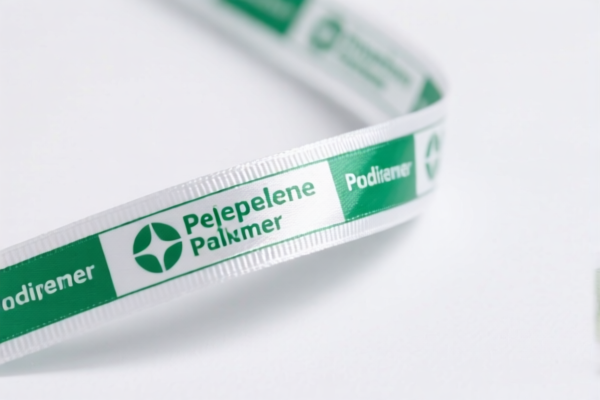
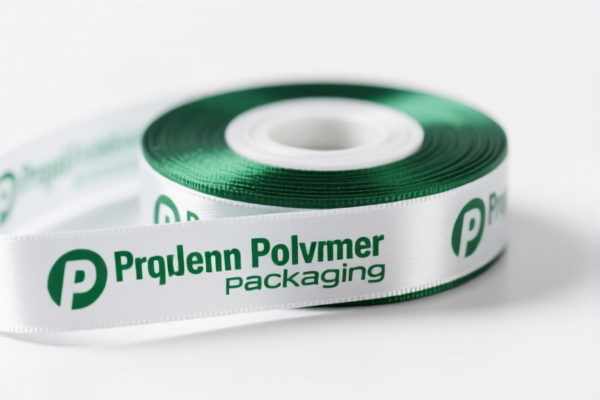
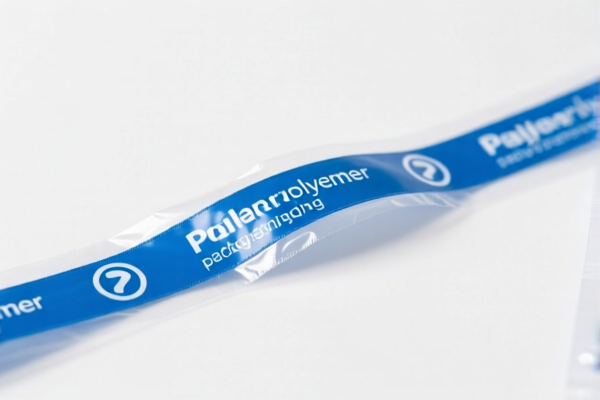
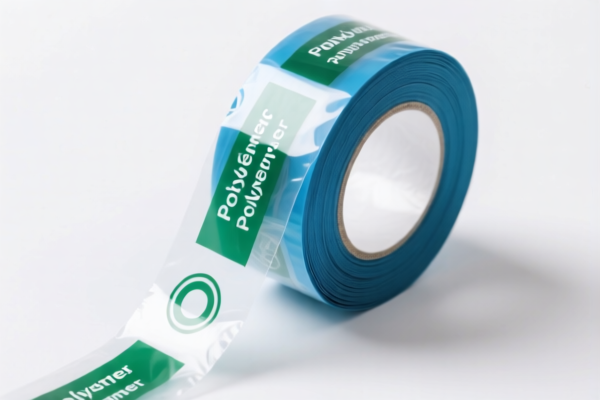
Polypropylene (PP) Heat Transfer Ribbon is a consumable material widely used in textile printing, labels, and industrial marking. It relies on heat and pressure to transfer dye or adhesive onto substrates (fabric, plastic, metal, etc.).
In international trade, it is strictly distinguished from other ribbons by its material (Polypropylene) and function (Heat Transfer/Sublimation), rather than just being a "ribbon" for writing or packaging.
⚠️ Key Distinction Points: * Material: Must be primarily Polypropylene (PP). If it is Nylon, Polyester, or PVC, it falls under different chapters. * State: It is typically coated with dye, resin, or adhesive on a flexible support. * Function: Designed for sublimation or hot-melt transfer, not for writing (like ink ribbons) or simple packaging (like cellophane).
📦 Two, HS Code Classification Details (2026 Latest Tariff Authority Comparison)
| HS Code | Product Description | Application Scenario | Material Note |
|---|---|---|---|
3920.62.00.00 |
Plates, sheets, film, foil and strip, of polypropylene | Raw PP Film/Sheet used as the base carrier | Raw material, not yet a transfer ribbon |
3920.99.78.00 |
Other plates, sheets, film, foil and strip, of other plastics | PP Film coated with ink/resin but not yet classified as specific textile accessory | Often used if no specific "textile accessory" code applies |
4911.91.00.00 |
Pictures, designs and pictures, printed, on paper... | Printed Images if the ribbon is pre-printed with specific designs (less common for raw transfer ribbon) | Specific to printed graphics |
5903.10.20.00 |
Textile fabrics impregnated, covered, coated or laminated with plastics... | If considered a textile accessory | Rare for transfer ribbon; usually classified as plastic |
3920.62.00.00 or 3920.99.78.00 |
Most Common for PP Transfer Ribbon | Standard Sublimation/Hot Melt Ribbon | PP Base + Coating |
🔍 Critical Reminder: * Most PP Heat Transfer Ribbons are classified under Chapter 39 (Plastics) because the core carrier is polypropylene film, and the "transfer" nature is considered a surface treatment/coating. * Do NOT classify under
4823(Paper products) or5903(Textiles) unless the base material is paper or the textile fabric itself. * If the ribbon is primarily ink/toner on a paper base (rare for PP), it might be4823. But for Polypropylene base, Chapter 39 is the safe and standard route.
💰 Three, 2026 Latest Tariff Rate Details (Including Surtaxes, Policy Add-ons)
✅ Applicable Country: United States (US) ✅ Origin: China (CN) ✅ Effective Date: November 10, 2025 (and subsequent imports)
🎯 1. 3920.62.00.00 – Polypropylene Film/Strip (Base for Transfer Ribbon)
| Item | Content |
|---|---|
| Basic Tariff | 5.3% (ad valorem) |
| USITC Surtax (Section 301) | +7.5% (Standard rate for many plastics from China in 2026) |
| IEEPA Surtax | 0% (Generally not applied to plastic films unless specific high-tech items) |
| Total Tax Rate | 12.8% |
| Tax Calculation | CIF Value × 12.8% |
| De Minimis Exemption | ❌ No (De minimis applies to Section 321, but 301 taxes may still apply depending on value and carrier; generally, professional imports should not rely on this for bulk goods) |
| Legal Basis Path | HTSUS:3920.62.00.00 → USITC:301Footnote |
📌 Explanation: * The basic tariff for PP films is relatively low. * However, due to Section 301 tariffs, there is an additional charge. * This is a moderate tariff burden compared to electronics or textiles.
🎯 2. 3920.99.78.00 – Other Plastic Plates/Sheets (Coated/Printed PP)
| Item | Content |
|---|---|
| Basic Tariff | 5.3% (or 3.7% depending on specific subheading interpretation) |
| USITC Surtax | +7.5% |
| Total Tax Rate | ~12.8% |
| De Minimis Exemption | ❌ No |
📌 Note: * If the ribbon is pre-printed with designs, customs might scrutinize if it should be
4911(Printed), but if the primary function is transfer substrate,3920remains dominant.
🛠️ Four, Customs Clearance Practical Advice (Real-world Pitfall Avoidance Guide)
✅ 1. Document Preparation Checklist (None are Optional)
| Document | Must Provide | Explanation |
|---|---|---|
| ✅ Product Specification Sheet | ✔️ | Must state: Material: Polypropylene (PP), Thickness, Width, Length, Coating Type (Dye/Resin). |
| ✅ Material Safety Data Sheet (MSDS) | ✔️ | Especially if the transfer ribbon contains volatile organic compounds (VOCs) or hazardous chemicals in the coating. |
| ✅ Composition Analysis Report | ✔️ | Certificate from a third-party lab confirming the base is Polypropylene and not PVC or PET. This is crucial for correct HS Code. |
| ✅ Commercial Invoice | ✔️ | Clearly state: "Polypropylene Heat Transfer Ribbon for Textile Sublimation." Do not use vague terms like "Printing Film." |
| ✅ Packing List | ✔️ | Detail net weight/gross weight. PP film is lightweight but bulky; ensure weight accuracy. |
| ✅ Copy of Patent/Label | ✔️ | To prove brand ownership and prevent IP infringement issues. |
✅ 2. Declaration Tips (Key Mnemonics)
🔥 "Base is Plastic, Code is 39, Coating is Key, Don't Call it Textile!"
| Scenario | Correct Declaration | Wrong Practice |
|---|---|---|
| PP Film with Sublimation Dye | 3920.62.00.00 (PP Film) |
Misdeclaring as 5903 (Textile) → Higher Tax/Reject |
| PP Film with Hot Melt Adhesive | 3920.99.78.00 (Other Plastic) |
Misdeclaring as 3506 (Glue) → Complex Review |
| Pre-printed Design Roll | 3920.62.00.00 + "Printed" |
Misdeclaring as 4911 (Paper Print) → Wrong Material Class |
| Raw PP Roll (No Coating) | 3920.62.00.00 |
Misdeclaring as 5402 (Synthetic Filament) → Wrong Chapter |
✅ 3. Special Situation Handling
| Situation | Handling Advice |
|---|---|
| Customs Inquiry on "Transfer" Nature | Provide a photo of the transfer process and a technical datasheet showing the coating composition. Explain that the "transfer" is a functional property of the coated plastic film. |
| IP Infringement Risk | Ensure the ribbon does not contain copyrighted images (e.g., Disney characters) unless you have a license. Customs will detain goods with unauthorized IP. |
| Hazardous Chemicals | If the dye contains prohibited substances (e.g., certain azo dyes), provide a Non-Hazardous Certificate or ensure compliance with US EPA/CPSC regulations. |
| Origin Marking | Clearly mark "Made in China" on the packaging and the roll itself, as required by US Customs. |
🌍 Five, Global Market Comparison (2026 Latest)
| Country/Region | Recommended HS Code | Tariff (China Origin) | Certification Requirements | Notes |
|---|---|---|---|---|
| 🇺🇸 USA | 3920.62.00.00 |
~12.8% (5.3% + 7.5%) | FDA (if food contact), CPSC | Section 301 applies |
| 🇨🇳 China | 3920.62.00.00 |
5.0% | CCC (if applicable) | Low tax, stable clearance |
| 🇪🇺 EU | 3920.62.00.00 |
6.5% | REACH Compliance | No Section 301 equivalent |
| 🇬🇧 UK | 3920.62.00.00 |
6.5% | UKCA Mark (if applicable) | Post-Brexit rules apply |
| 🇦🇺 Australia | 3920.62.00.00 |
5.0% | ACCC Standards | Low tariff |
📌 Conclusion: * The US market is the most costly due to Section 301 tariffs. * EU/UK/Australia have more predictable and lower tariffs for plastic films. * Key Risk: IP Infringement and Chemical Compliance (REACH/FDA).
📌 Six, Common Errors & Pitfall Avoidance (Lessons Learned)
❌ Error 1: Declaring as "Textile Transfer Material" (5903 or 6307)
👉 Consequence: Customs will reclassify to 3920 and may apply higher duties or demand extensive proof of textile content. PP is Plastic, not Textile.
❌ Error 2: Vague Description "Printing Ribbon"
👉 Consequence: Customs may classify it as a computer printing ribbon (3203 or 4823) or assume it's a hazardous chemical. Be Specific: "Polypropylene Sublimation Ribbon."
❌ Error 3: Ignoring IP Rights on Pre-printed Ribbons 👉 Consequence: Seizure and Destruction of goods if they contain unauthorized logos, characters, or patterns.
❌ Error 4: Incorrect Material Claim 👉 Consequence: If declared as "PET" but is actually "PP," customs may detect mismatch during lab testing, leading to fines and entry refusal.
✅ Correct Practice:
"Polypropylene (PP) Heat Transfer Sublimation Ribbon, Unwoven, Width 60cm, Coated with Disperse Dye, for Textile Printing, Made in China."
🎯 Seven, Conclusion: Precise Classification, Smooth Clearance
🎯 Remember the Mantra:
🔹 "PP Base = Chapter 39" 🔹 "Coating/Print = Surface Treatment, Not Change of Material" 🔹 "IP Check is Mandatory" 🔹 "Section 301 Hits Plastics from China"
📌 Pro Tip:
If you are importing large volumes, consider Advance Ruling from US Customs to confirm the HS Code (3920.62.00.00 vs 3920.99.78.00) based on your specific coating thickness and composition. This provides legal certainty for tariff payments.
📣 Immediate Action:
📞 Contact your freight forwarder with the MSDS and Material Composition Report. 🚀 Ensure IP Clearance for any pre-printed designs before shipping. 💼 Calculate Landed Cost including the ~12.8% US Duty.
✨ Professional Clearance Starts with Accurate Classification! 💼 Every Dollar of Tariff Saved is Pure Profit!
用户评价
关于 HS 编码归类
协调制度(HS)是由世界海关组织(WCO)制定的国际贸易商品分类标准。全球 200 多个国家采用 HS 系统作为海关关税、贸易统计和进出口监管的基础。
每个 HS 编码遵循以下层级结构:
- 章(2 位)——商品大类(例如:第 84 章:机器和机械设备)
- 品目(4 位)——章内的更具体分类
- 子目(6 位)——国际通用细分,所有 WCO 成员国统一使用
- 本国细分(8-10 位)——各国自行扩展的细分编码,如美国 HTSUS 10 位编码
正确的 HS 编码归类对于顺利通关、准确缴纳关税和遵守贸易法规至关重要。错误归类可能导致海关延误、多缴关税或罚款。
从CN进口到US时,适用的关税税率可能包括:
- 最惠国(MFN)税率——适用于 WTO 成员国的标准关税税率
- 普通税率——适用于无贸易协定国家
- 贸易救济关税——附加关税,如 301 条款(反倾销)、232 条款(国家安全)或反补贴税
本页内容仅供参考。如需正式归类,请咨询当地海关或持牌报关代理。