Polypropylene Tufted Outdoor Mat
CN → US| HS编码 | 关税税率 | 原产国 | 目的国 | 文档 |
|---|---|---|---|---|
| 3926909989 | 22.8% | CN | US | 官方文档 |
| 3926905900 | 37.4% | CN | US | 官方文档 |
| 5704900190 | 35.0% | CN | US | 官方文档 |
| 5603949070 | 35.0% | CN | US | 官方文档 |
商品图片
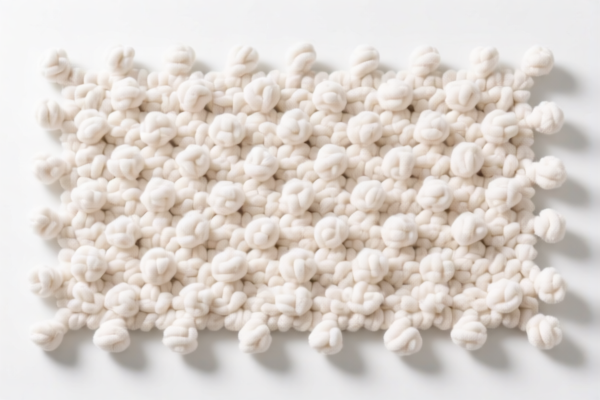
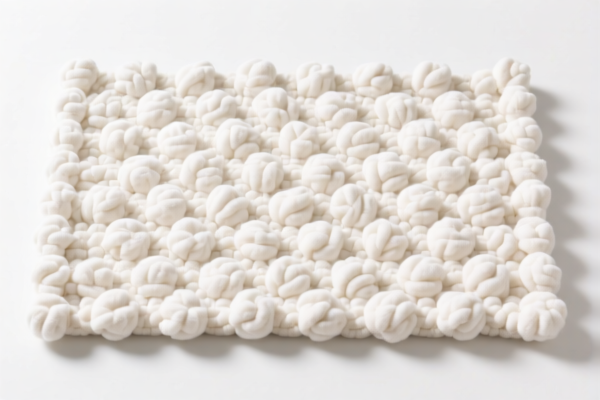
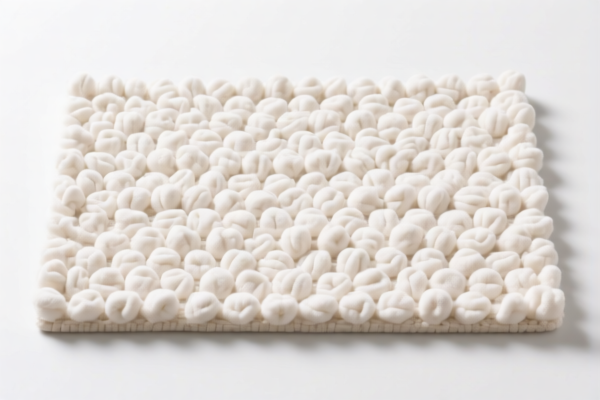
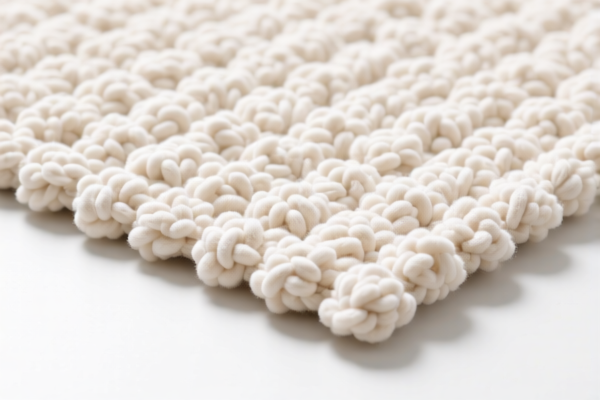
AI分析
🌿 Polypropylene Tufted Outdoor Mat (Outdoor Carpet/Matting)
🌐 HS Code Reference & Customs Clearance Guide | 2026 Latest Tariff Analysis | Professional-Level Clearance Strategy
📌 I. Product Definition & Classification: What Exactly is a "Polypropylene Tufted Outdoor Mat"?
A Polypropylene (PP) Tufted Outdoor Mat is typically used for patios, decks, balconies, or poolside areas. In international trade, the classification hinges on the manufacturing method ("tufted") and the material structure, which often leads to divergent HS Code interpretations.
The core debate lies in whether it is classified as: 1. A Plastic Product (Chapter 39): If viewed primarily as a molded or extruded plastic sheet with a specific texture. 2. A Textile Product (Chapter 57): If viewed as a carpet/rug made by tufting yarns into a backing. 3. A Non-Woven Fabric (Chapter 56): If the structure is confused with non-woven mats (though "tufted" usually excludes this, it’s a common misclassification risk).
⚠️ Key Distinction Point:
- "Tufted" (簇绒) implies yarns are inserted into a backing fabric. This is the defining characteristic of Chapter 57 (Carpet & Textile Floor Coverings).
- If the product is a solid plastic sheet with a printed texture (not tufted yarns), it falls under Chapter 39 (Plastics).
- Critical Error: Many exporters misclassify tufted mats as "Non-wovens" (5603) or simple "Plastics" (3926) to avoid high tariffs, leading to severe customs penalties.
📦 II. HS Code Classification Details (2026 Latest Tariff Authority Comparison)
Based on the provided data, here are the four possible HS Codes for a Polypropylene Tufted Outdoor Mat, along with their tax implications.
| HS Code | Product Description | Applicable Scenario | Tax Rate (Total) | Key Risk/Note |
|---|---|---|---|---|
3926.90.99.89 |
Other articles of plastic (PP) | Misclassification Risk: Classifies as "Other Plastic Products." Usually applies to non-tufted, molded, or extruded plastic mats. | 22.8% | Low tariff, but high risk of rejection if the product is genuinely tufted. |
3926.90.59.00 |
Other articles of plastic (PP) | Misclassification Risk: Another "Plastic Product" category. May apply if the mat is considered a specific plastic accessory. | 37.4% | High tariff due to specific footnote rules. Risk remains if not a pure plastic item. |
5704.90.01.90 |
Carpets & Other Textile Floor Coverings | Correct Classification (Likely): Applies to tufted carpets made of synthetic fibers (Polypropylene). This is the standard classification for tufted outdoor rugs. | 35.0% | High Risk of Section 301 Tariff: Subject to 25% additional tariff. |
5603.94.90.70 |
Nonwovens, weighing >70g/m² | Incorrect Classification: Applies to non-woven fabrics. Tufted mats are not non-woven. Using this code is a classification error. | 35.0% | High Compliance Risk: Customs may reclassify to 5704, leading to penalties. |
🔍 Important Reminder:
- "Tufted" (簇绒) = Textile (Chapter 57): If the mat is made by inserting yarns into a backing, it must generally fall under 5704 or 5703. Classifying it as Plastic (3926) or Non-Woven (5603) is legally incorrect for true tufted products. - Polypropylene (PP) is a Synthetic Fiber: Therefore, it falls under synthetic textile categories. - Tariff Shock: The difference between 22.8% and 35.0%+ is significant. However, choosing the wrong code (e.g., 3926) to save money can lead to de minimis violations, audits, and back-taxes.
💰 III. 2026 Latest Tariff Rate Breakdown (Including Surcharges & Policy Additions)
✅ Applicable Country: United States (US)
✅ Origin: China (CN)
✅ Effective Time: 2025-11-10 onwards (including subsequent imports)
🎯 1. 3926.90.99.89 —— Other Plastic Articles (Low Tariff Strategy, High Risk)
| Item | Detail |
|---|---|
| Base Tariff | 5.3% |
| Section 301 Surtax | +7.5% (Specific footnote application) |
| Section 122 Tariff | +10% (Specific policy surcharge) |
| Total Tariff | 22.8% |
| Tax Calculation | CIF Value × 22.8% |
| De Minimis Eligibility | ❌ Not Eligible (Deny de minimis) |
| Legal Basis Path | USITC:3926.90.99.89 → FOOTNOTE:Section301 → IEEPA:Section122 |
📌 Explanation:
- This code offers the lowest visible tariff (22.8%). - BUT: If customs determines the mat is tufted (textile-based), this classification is invalid. You will be assessed the correct tariff (35%+) plus penalties. - Use this only if the product is 100% molded plastic with no yarns (e.g., a plastic mesh mat with no tufting process).
🎯 2. 3926.90.59.00 —— Other Plastic Articles (Medium Tariff, High Risk)
| Item | Detail |
|---|---|
| Base Tariff | 2.4% |
| Section 301 Surtax | +25.0% (Higher surtax rate) |
| Section 122 Tariff | +10% |
| Total Tariff | 37.4% |
| Tax Calculation | CIF Value × 37.4% |
| De Minimis Eligibility | ❌ Not Eligible |
| Legal Basis Path | USITC:3926.90.59.00 → FOOTNOTE:Section301(25%) → IEEPA:Section122 |
📌 Note:
- This code has a higher total tariff (37.4%) than the textile classification. - It is rarely used for mats unless it’s a specific plastic component. - Not recommended for general PP tufted mats due to higher cost and classification mismatch.
🎯 3. 5704.90.01.90 —— Carpets & Textile Floor Coverings (Correct Classification for Tufted)
| Item | Detail |
|---|---|
| Base Tariff | 0.0% (Low base duty for textiles) |
| Section 301 Surtax | +25.0% (Major surtax for Chinese textiles) |
| Section 122 Tariff | +10% |
| Total Tariff | 35.0% |
| Tax Calculation | CIF Value × 35.0% |
| De Minimis Eligibility | ❌ Not Eligible |
| Legal Basis Path | USITC:5704.90.01.90 → FOOTNOTE:Section301(25%) → IEEPA:Section122 |
📌 Explanation:
- This is the most likely correct HS Code for a tufted polypropylene mat. - Although the base tariff is 0%, the 25% Section 301 tariff makes the total cost high. - Compliance Advantage: Correct classification avoids customs audits, seizures, and legal penalties. The "risk-adjusted cost" is often lower than using an incorrect low-tax code.
🎯 4. 5603.94.90.70 —— Nonwovens (Incorrect Classification Risk)
| Item | Detail |
|---|---|
| Base Tariff | 0.0% |
| Section 301 Surtax | +25.0% |
| Section 122 Tariff | +10% |
| Total Tariff | 35.0% |
| Tax Calculation | CIF Value × 35.0% |
| De Minimis Eligibility | ❌ Not Eligible |
| Legal Basis Path | USITC:5603.94.90.70 → FOOTNOTE:Section301 → IEEPA:Section122 |
📌 Warning:
- Tufted mats are NOT non-woven. Non-woven mats are made by bonding fibers chemically or thermally without weaving or tufting. - If you declare a tufted mat as non-woven, customs will likely reclassify it to 5704 (same tax rate) or impose fraud penalties. - Do not use this code for tufted products.
🛠️ IV. Customs Clearance Practical Advice (Combat Pitfalls Guide)
✅ 1. Document Preparation Checklist (Mandatory)
| Document | Must Provide | Explanation |
|---|---|---|
| ✅ Product Specifications | ✔️ | Must clearly state "Tufted" (簇绒) or "Woven" (机织) if applicable. If it's just a plastic sheet, say "Molded Plastic." |
| ✅ Technical Diagram/Structure Chart | ✔️ | Show the yarn insertion process to prove it is tufted (supporting 5704) OR show it's a solid plastic sheet (supporting 3926). |
| ✅ Product Photos (Close-up) | ✔️ | High-res photos of the backing and front surface. Show yarn ends if tufted. |
| ✅ Material Composition | ✔️ | "100% Polypropylene (PP)" is not enough. Specify the form: "Tufted Yarn" vs. "Plastic Sheet." |
| ✅ Commercial Invoice | ✔️ | Description: "Polypropylene Tufted Outdoor Mat" (for 5704) OR "Polypropylene Plastic Outdoor Mat" (for 3926). Be precise. |
| ✅ Origin Certificate (CO) | ✔️ | Required for Section 301 tariff determination. |
✅ 2. Declaration Tips (Key Mantra)
🔥 “Tufted = Textile (5704), Non-Tufted = Plastic (3926). Do not mix!”
| Scenario | Correct Declaration | Wrong Declaration | Consequence |
|---|---|---|---|
| Tufted Mat (Yarn in backing) | 5704.90.01.90 (35.0%) |
3926.90.99.89 (22.8%) |
Penalty + Back-tax. Customs will seize goods and impose fines for misclassification. |
| Molded Plastic Mat (No Yarn) | 3926.90.99.89 (22.8%) |
5704.90.01.90 (35.0%) |
Overpayment. You pay 12.2% more than necessary. |
| Non-Woven Mat (Bonded Fibers) | 5603.94.90.70 (35.0%) |
5704.90.01.90 (35.0%) |
Tax is same, but compliance risk if structure is wrong. |
| Mixed Package (Mat + Stand) | Declare Mat as primary item | Split into parts | Higher tax on accessories (up to 89.5% for some parts). |
✅ 3. Special Situation Handling
| Situation | Handling Advice |
|---|---|
| OEM Custom Mat | Provide the design pattern and manufacturing process sheet. Proving the "tufted" method is crucial for 5704. |
| Mat with Plastic Backing | If the backing is plastic but the face is tufted yarn, it is still a textile product (5704). The backing material is secondary. |
| Exporting to Non-US Markets | EU, UK, Canada do not have Section 301 tariffs. Tariffs may be 0-5%. Adjust HS Code strategy accordingly. |
| De Minimis (Section 321) | Not Applicable. Both 3926 and 5704 codes for Chinese origin are excluded from de minimis exemption due to Section 301/122 tariffs. |
🌍 V. Global Market Clearance Comparison (2026 Latest)
| Country/Region | Recommended HS Code | Tariff (China Origin) | Certification Requirements | Notes |
|---|---|---|---|---|
| 🇺🇸 USA | 5704.90.01.90 |
35.0% (25% Sec301 + 10% Sec122) | None specific for mats | High Risk if misclassified as Plastic. |
| 🇪🇺 EU | 5703.30.00 / 5704.10.00 |
0% - 4% | CE (if applicable) | No Section 301. Lower tax. |
| 🇬🇧 UK | 5704.10.00 |
0% - 4% | UKCA | No Section 301. |
| 🇨🇦 Canada | 5704.10.00 |
0% - 5% | CFIA (if organic) | No Section 301. |
| 🇯🇵 Japan | 5704.10.00 |
0% - 6% | PSE (if electric parts, unlikely) | No Section 301. |
📌 Conclusion:
- USA is the only major market with punitive tariffs on Chinese textile/plastic goods. - Correct classification is critical. Using3926for a tufted mat saves 12.2% upfront but risks 100%+ in penalties. - For non-US markets, you can safely use Textile codes (5704) with minimal tax.
📌 VI. Common Mistakes & Pitfalls Guide (Lessons Learned)
❌ Mistake 1: Declaring a Tufted Mat as Plastic (3926) to save 12.2%
👉 Consequence: Customs audits, seizure of goods, back-tax of 12.2% + penalties + legal fees.
👉 Reality: The tax difference is small compared to the risk of fraud allegations.
❌ Mistake 2: Declaring a Tufted Mat as Non-Woven (5603)
👉 Consequence: Customs rejects the declaration because tufted is structurally different from non-woven.
👉 Reality: Requires re-classification to 5704. Delays in clearance.
❌ Mistake 3: Not specifying "Tufted" in the product description
👉 Consequence: Ambiguity leads to customs officer discretion, which may default to a higher tariff or detailed examination.
👉 Reality: Always include manufacturing process in the description.
✅ Correct Practice:
"Polypropylene Tufted Outdoor Mat, Non-Slip Backing, 100% PP, Manufactured via Tufting Process, Model XYZ"
🎯 VII. Conclusion: Professional Declaration, Time-Saving, Cost-Effective!
🎯 Remember the Mantra:
🔹 "Tufted = Textile (5704), Plastic = Molded (3926). Do not confuse!"
🔹 "In the US, 35% is better than 22.8% if it means no audit!"
🔹 "HS Code defines your destiny, one line change, thousands saved or lost!"
📌 Tips:
- If your mats are exporting to the EU or Asia, use 5704 for correct classification with low/zero tariffs.
- For US exports, consider Advance Ruling from US Customs if the product structure is complex (e.g., mixed materials).
- Document your manufacturing process to prove the "Tufted" nature if challenged.
📣 Immediate Action:
📞 Contact a professional customs broker + Provide product photos + Apply for HS Code Advance Ruling (if needed)
🚀 Let your mats pass customs smoothly, efficiently, and profitably!
✨ Professional Customs Clearance Starts with Accurate Classification!
💼 Every cent of your cost is worth precise calculation!
用户评价
关于 HS 编码归类
协调制度(HS)是由世界海关组织(WCO)制定的国际贸易商品分类标准。全球 200 多个国家采用 HS 系统作为海关关税、贸易统计和进出口监管的基础。
每个 HS 编码遵循以下层级结构:
- 章(2 位)——商品大类(例如:第 84 章:机器和机械设备)
- 品目(4 位)——章内的更具体分类
- 子目(6 位)——国际通用细分,所有 WCO 成员国统一使用
- 本国细分(8-10 位)——各国自行扩展的细分编码,如美国 HTSUS 10 位编码
正确的 HS 编码归类对于顺利通关、准确缴纳关税和遵守贸易法规至关重要。错误归类可能导致海关延误、多缴关税或罚款。
从CN进口到US时,适用的关税税率可能包括:
- 最惠国(MFN)税率——适用于 WTO 成员国的标准关税税率
- 普通税率——适用于无贸易协定国家
- 贸易救济关税——附加关税,如 301 条款(反倾销)、232 条款(国家安全)或反补贴税
本页内容仅供参考。如需正式归类,请咨询当地海关或持牌报关代理。