Polyurethane Foam Sound Absorbing Material
CN → US| HS编码 | 关税税率 | 原产国 | 目的国 | 文档 |
|---|---|---|---|---|
| 3921131950 | 40.3% | CN | US | 官方文档 |
| 3921135000 | 39.2% | CN | US | 官方文档 |
| 3921110000 | 40.3% | CN | US | 官方文档 |
| 3921190090 | 41.5% | CN | US | 官方文档 |
| 6806900010 | 35.0% | CN | US | 官方文档 |
商品图片
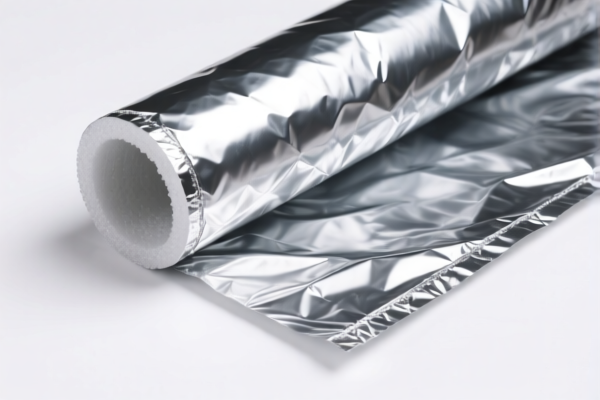
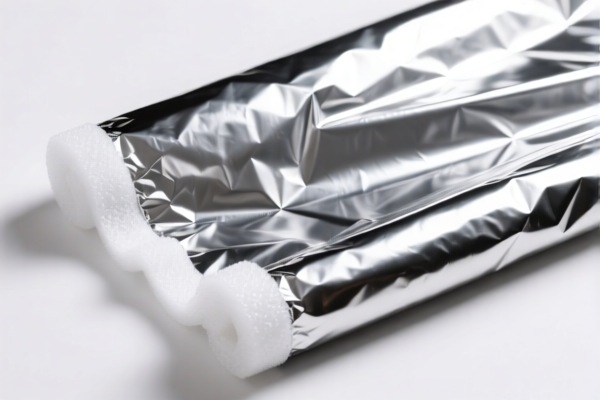
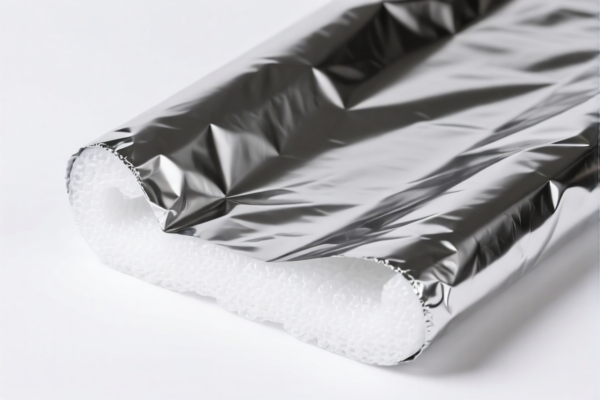
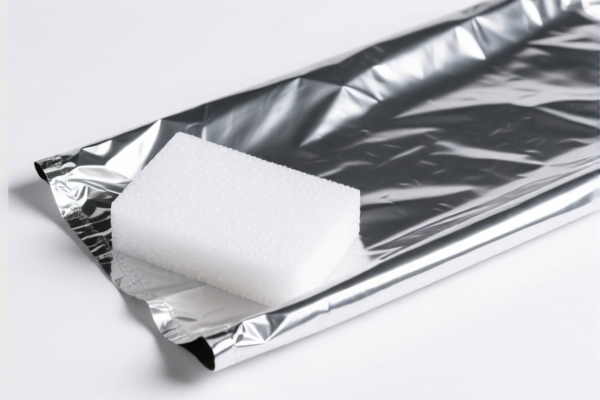
AI分析
🔊 Polyurethane Foam Sound Absorbing Material (Acoustic Panels/Slabs)
🌐 HS Code Reference & Customs Clearance Guide | 2026 Latest Tariff Analysis | Professional Clearance Strategy
📌 I. Product Definition & Classification: Do You Really Understand "Polyurethane Foam"?
Polyurethane (PU) Foam Sound Absorbing Material is widely used in architectural acoustics, automotive interiors, and industrial noise control. In international trade, its classification depends heavily on physical form (board/sheet/film) and specific polymer composition.
Key Distinctions: * Polyurethane Foam (PU): Specifically identified as polyurethane. * Styrene Foam (PS): Often inferred for generic "sound absorbing boards" if not specified as PU. * Mineral/Polymer Composite: If the material includes mineral fillers or specific composite structures, it may fall under different headings. * Form Factor: Must be classified as "Board/Sheet/Film" to fit the primary HS codes provided in the data.
⚠️ Critical Distinction Point:
- If the material is explicitly Polyurethane (PU) → Look at codes 3921.13.x.x
- If the material is inferred as Styrene/Other Polymer → Look at 3921.11.x.x or 3921.19.x.x
- If the material is a Mineral/Polymer composite for soundproofing → Look at 6806.90.00.10
📦 II. HS Code Classification Matrix (2026 Latest Tariff Authority Reference)
| HS Code | Product Description | Material Inference | Form | Total Tax Rate (CN→US) |
|---|---|---|---|---|
3921.13.19.50 |
Polyurethane Foam Acoustic Material, Board/Sheet/Film Form | Polyurethane (PU) Foam | Board/Sheet/Film | 40.3% |
3921.13.50.00 |
Polyurethane Foam Acoustic Material, Explicitly Polyurethane Foam Plastic | Polyurethane (PU) Foam | Board/Sheet/Film | 39.2% |
3921.11.00.00 |
Sound Absorbing Foam Board | Polystyrene (PS) or Similar Polymer | Board | 40.3% |
3921.19.00.90 |
Sound Absorbing Foam Board, Other Synthetic Plastics | Polyurethane or Other Plastics (General) | Board | 41.5% |
6806.90.00.10 |
Sound Absorbing Board, Mineral/Polymer Insulation Material | Mineral or Polymer Composite | Board | 35.0% |
🔍 Key Reminder:
- 3921.13 is the most accurate for explicitly Polyurethane foam.
- 3921.19 is a "catch-all" for other plastic foams if PU is not clearly defined.
- 6806.90 is a lower-tax alternative but requires the product to be classified as mineral or specific polymer insulation material, not just pure plastic foam.
💰 III. 2026 Latest Tariff Rate Breakdown (Detailed Tax Clauses)
✅ Applicable Country: United States (US)
✅ Origin: China (CN)
✅ Effective Date: 2025+ (Current Trade Environment)
🎯 1. 3921.13.19.50 & 3921.11.00.00 —— Polyurethane/Styrene Foam Board
| Item | Detail |
|---|---|
| Base Tariff | 5.3% (Ad Valorem) |
| Section 301 Surcharge (25%) | +25% (USITC Footnote for Chapter 39 plastics) |
| Section 122 Surcharge (10%) | +10% (Specific trade remedy surcharge) |
| Total Effective Rate | 40.3% |
| Calculation Base | CIF Value × 40.3% |
| De Minimis Exemption | ❌ Not Applicable (Subject to high tariffs) |
| Legal Path | HTSUS:3921.13.19.50 → USITC:301-List → Section 122 |
📌 Explanation:
- Base 5.3%: Standard MFN rate for plastic plates/sheets/film of polymers.
- 25% Surcharge: Standard Section 301 tariff on Chinese plastic products.
- 10% Surcharge: Specific additional tariff clause (Section 122) applied to certain plastic imports.
- Total 40.3%: A significant cost driver. Must be factored into FOB/CIF pricing.
🎯 2. 3921.13.50.00 —— Explicitly Polyurethane Foam
| Item | Detail |
|---|---|
| Base Tariff | 4.2% (Ad Valorem) |
| Section 301 Surcharge (25%) | +25% |
| Section 122 Surcharge (10%) | +10% |
| Total Effective Rate | 39.2% |
| Calculation Base | CIF Value × 39.2% |
| De Minimis Exemption | ❌ Not Applicable |
| Legal Path | HTSUS:3921.13.50.00 → USITC:301-List → Section 122 |
📌 Note:
- This is the lowest tax rate among the pure plastic foam options (39.2% vs 40.3%/41.5%).
- Crucial: Requires clear documentation stating "Polyurethane" and "Foam Plastic" in the commercial invoice and material specification.
🎯 3. 3921.19.00.90 —— Other Plastic Foam Board
| Item | Detail |
|---|---|
| Base Tariff | 6.5% (Ad Valorem) |
| Section 301 Surcharge (25%) | +25% |
| Section 122 Surcharge (10%) | +10% |
| Total Effective Rate | 41.5% |
| Calculation Base | CIF Value × 41.5% |
| De Minimis Exemption | ❌ Not Applicable |
📌 Warning:
- This is the highest rate for plastic foams.
- Only use if the material is not clearly polyurethane or styrene, but falls under "other plastics."
- Avoid this code if possible by specifying material type accurately.
🎯 4. 6806.90.00.10 —— Mineral/Polymer Sound Insulation Board
| Item | Detail |
|---|---|
| Base Tariff | 0.0% (Ad Valorem) |
| Section 301 Surcharge (25%) | +25% |
| Section 122 Surcharge (10%) | +10% |
| Total Effective Rate | 35.0% |
| Calculation Base | CIF Value × 35.0% |
| De Minimis Exemption | ❌ Not Applicable |
| Legal Path | HTSUS:6806.90.00.10 → USITC:301-List → Section 122 |
📌 Strategy:
- Lowest Overall Rate (35.0%).
- Risk: Requires proving the product is not just plastic foam but a mineral or specific polymer composite used for insulation.
- If customs determines it is pure polyurethane foam, they will reclassify to 3921.13 (39.2% or 40.3%), leading to back taxes + penalties.
- Only use if the product contains significant mineral content or is a specialized composite.
🛠️ IV. Customs Clearance Practical Advice (Pitfall Avoidance Guide)
✅ 1. Documentation Checklist (Essential)
| Document | Required | Purpose |
|---|---|---|
| Product Spec Sheet | ✔️ | Clearly state Material: "Polyurethane (PU) Foam" or "Mineral Composite". Avoid vague terms like "Soundproofing Material". |
| Commercial Invoice | ✔️ | Must include: "Polyurethane Foam Sound Absorbing Board", HS Code, CIF Value. |
| Material Safety Data Sheet (MSDS) | ✔️ | Proves chemical composition (supports PU vs. Other Plastic). |
| Test Report | ✔️ | Acoustic performance tests (NRC, ASTM). May support "Insulation Material" classification if composite. |
| Packing List | ✔️ | Detail weight, dimensions, and package count. |
| Origin Certificate | ✔️ | Required for Section 301/122 applicability determination. |
✅ 2. Declaration Tips (Key Mantra)
🔥 "Material Explicit, Form Clear, HS Code Exact, Tax Predictable!"
| Scenario | Correct Declaration | Incorrect Declaration | Consequence |
|---|---|---|---|
| Pure PU Foam Board | 3921.13.50.00 (39.2%) |
"Sound Absorbing Material" (Vague) | Risk of reclassification to 3921.19 (41.5%) or delay. |
| Mineral Composite Board | 6806.90.00.10 (35.0%) |
"Polyurethane Foam" | If customs proves it's PU, back taxes + penalty. If proven composite, save 4-6.5%. |
| Styrene Foam Board | 3921.11.00.00 (40.3%) |
"Polyurethane Foam" | Misdeclaration leads to penalty for false origin/material. |
| Unspecified Plastic Foam | 3921.19.00.90 (41.5%) |
"Polyurethane Foam" | Higher tax burden if material is actually PU. |
✅ 3. Special Situations
| Situation | Recommendation |
|---|---|
| OEM Custom Panels | Provide client design drawings showing material composition. |
| Composite Materials | If >50% mineral content or specific composite structure, argue for 6806.90.00.10 to save tax. Must have test reports. |
| Pure PU Foam | Use 3921.13.50.00 (39.2%) as it has the lowest base rate (4.2%) among PU codes. Ensure invoice says "Polyurethane". |
| Acoustic Panels with Fabric Cover | Still classified as 3921 if the core is foam. Do not try to split into fabric (6307) and foam. |
🌍 V. Global Market Comparison (2026 Latest)
| Country/Region | Recommended HS Code | Tariff (CN Origin) | Certification Required | Notes |
|---|---|---|---|---|
| 🇺🇸 USA | 3921.13.50.00 |
39.2% | No specific US certification for foam, but ASTM for acoustic claims. | High tariffs (301 + 122). |
| 🇪🇺 EU | 3921.10.90 |
~3-6% + VAT | CE Marking (REACH/RoHS) for chemical safety. | No Section 301/122 equivalent. |
| 🇨🇳 China | 3921.13.90 |
5-6% | CCC (if applicable). | No anti-dumping on foam. |
| 🇬🇧 UK | 3921.10.90 |
~3-6% + VAT | UKCA Marking. | Post-Brexit rules apply. |
📌 Conclusion:
- USA is the most costly market due to Section 301 (25%) and Section 122 (10%) surcharges.
- EU/UK/China have significantly lower tariffs but require chemical compliance (REACH/RoHS/CCC).
- Optimization Strategy: For USA, if the product is a composite, argue for 6806.90.00.10 (35.0%) to save ~4-6.5%. If pure PU, use 3921.13.50.00 (39.2%).
📌 VI. Common Mistakes & Pitfall Guide (Blood & Tears Lessons)
❌ Mistake 1: Using vague terms like "Acoustic Panel" without specifying material.
👉 Consequence: Customs may assign 3921.19.00.90 (41.5%) as the default "other plastic" code, or hold for material analysis.
❌ Mistake 2: Claiming "Mineral Insulation" (6806.90) for pure PU foam.
👉 Consequence: Penalty for misclassification. Customs labs will test the foam; if pure PU, they will reclassify to 3921.13 and charge back taxes + interest.
❌ Mistake 3: Ignoring Section 122 (10%) surcharge.
👉 Consequence: Under-declaring tax. The 10% is mandatory for Chinese plastic imports under current trade rules.
❌ Mistake 4: Splitting "Foam + Fabric Cover" into two lines.
👉 Consequence: Customs will likely classify the entire unit as the primary material (foam) anyway, leading to over-complication and potential delays.
✅ Correct Practice:
"Polyurethane Foam Acoustic Board, 50mm Thick, Open Cell Structure, Black, 1200x600mm, ASTM E84 Class A Rated, HS 3921.13.50.00"
🎯 VII. Conclusion: Precise Classification Saves Cost!
🎯 Remember the Mantra:
🔹 "Pure PU? Use 3921.13 (39.2%). Composite? Try 6806.90 (35.0%). Vague? Risk 41.5%!"
🔹 "Section 301 + 122 = 35-41% Tax. Declare Accurately to Avoid Penalties!"
📌 Pro Tip:
- If your product is 100% Polyurethane, ensure the commercial invoice explicitly states "Polyurethane" and "Foam". This justifies 3921.13.50.00 (39.2%), which is 0.3%-2.3% cheaper than other PU codes.
- If you have significant mineral content (e.g., rock wool blend, mineral-filled PU), gather test reports to support 6806.90.00.10 (35.0%) for maximum savings.
- Always apply for a Pre-Ruling with US Customs if the material composition is complex or composite.
📣 Immediate Action:
📞 Consult a Customs Broker + Provide Material Spec Sheet + Apply for HS Code Pre-Ruling if unsure.
🚀 Accurate Classification = Lower Costs + Faster Clearance + Zero Penalties!
✨ Professional Clearance Starts with Precise Classification!
💼 Your Every Dollar Saved is Calculated with Precision!
用户评价
关于 HS 编码归类
协调制度(HS)是由世界海关组织(WCO)制定的国际贸易商品分类标准。全球 200 多个国家采用 HS 系统作为海关关税、贸易统计和进出口监管的基础。
每个 HS 编码遵循以下层级结构:
- 章(2 位)——商品大类(例如:第 84 章:机器和机械设备)
- 品目(4 位)——章内的更具体分类
- 子目(6 位)——国际通用细分,所有 WCO 成员国统一使用
- 本国细分(8-10 位)——各国自行扩展的细分编码,如美国 HTSUS 10 位编码
正确的 HS 编码归类对于顺利通关、准确缴纳关税和遵守贸易法规至关重要。错误归类可能导致海关延误、多缴关税或罚款。
从CN进口到US时,适用的关税税率可能包括:
- 最惠国(MFN)税率——适用于 WTO 成员国的标准关税税率
- 普通税率——适用于无贸易协定国家
- 贸易救济关税——附加关税,如 301 条款(反倾销)、232 条款(国家安全)或反补贴税
本页内容仅供参考。如需正式归类,请咨询当地海关或持牌报关代理。