Polyurethane Insulation Board
CN → US| HS编码 | 关税税率 | 原产国 | 目的国 | 文档 |
|---|---|---|---|---|
| 4016935050 | 37.5% | CN | US | 官方文档 |
| 4016996050 | 37.5% | CN | US | 官方文档 |
| 3926909989 | 22.8% | CN | US | 官方文档 |
| 3921135000 | 39.2% | CN | US | 官方文档 |
| 3921190090 | 41.5% | CN | US | 官方文档 |
商品图片
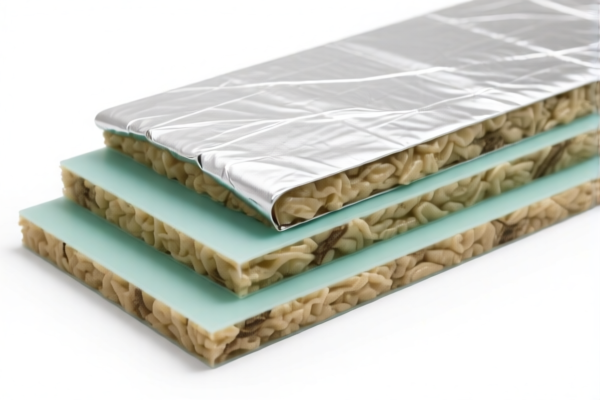
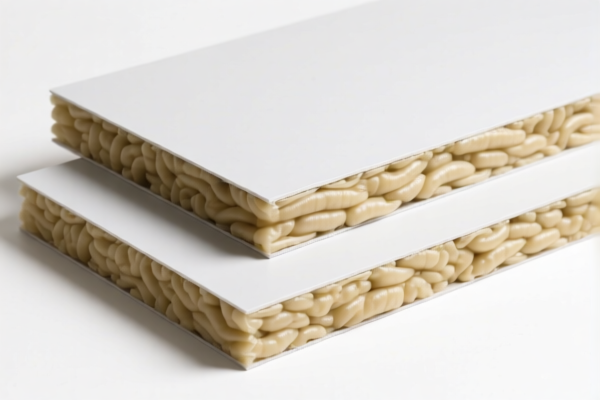
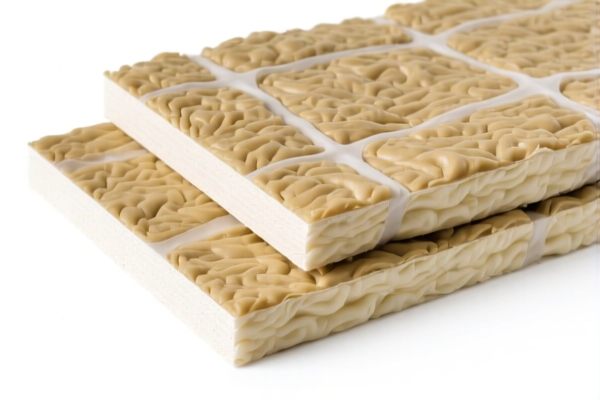
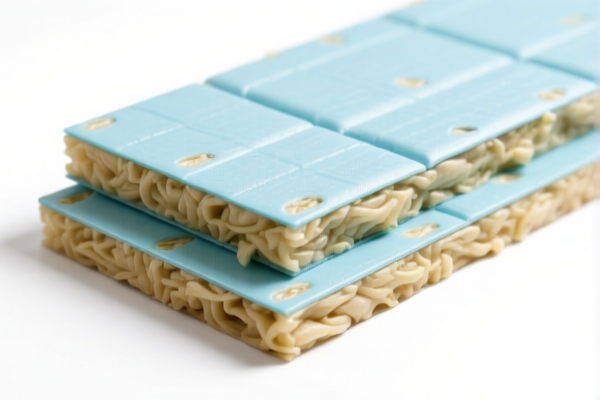
AI分析
🧱 Polyurethane Insulation Board (PU Foam Board)
🌐 HS Code Reference & Customs Clearance Guide | 2026 Latest Tariff Analysis | Strategic Clearance Strategy
📌 1. Product Definition & Classification: Do You Really Know "Polyurethane Board"?
Polyurethane (PU) Insulation Board is a high-performance thermal insulation material widely used in construction, refrigeration, and industrial piping. In international trade, its classification depends heavily on its physical state (solid vs. cellular/foam) and chemical composition (rubber vs. plastic).
Key Distinction: * Sulfurized Rubber Products (Ch. 40): If the PU is chemically modified to behave like rubber (sulfurized/cross-linked) and used as a seal or gasket. * Plastic/Foam Products (Ch. 39): If the PU is a rigid or flexible foam board used primarily for thermal insulation.
⚠️ Critical Classification Point:
- If it is a solid, non-foamed, elastic sheet used for sealing → Likely Ch. 40 (Rubber).
- If it is a foamed, cellular structure used for insulation → Likely Ch. 39 (Plastics/Foam).
- Note: The data below reflects specific classification scenarios provided.
📦 2. HS Code Classification Details (2026 Latest Tariff Reference)
Based on the provided data, here are the possible HS Codes for "Polyurethane Insulation Board" depending on its specific material structure and application:
| HS Code | Product Description (Summary) | Key Attribute | Tax Rate (Total) |
|---|---|---|---|
4016.93.50.50 |
Sulfurized Rubber Articles: Polyurethane Sealing Plates | Material: PU; Form: Sealing Plate | 37.5% |
4016.99.60.50 |
Other Sulfurized Rubber Articles: PU Elastic Board | Material: PU Elastic; Form: Plate | 37.5% |
3926.90.99.89 |
Plastic Articles: Polyurethane Plate | Material: Plastic; Form: Plate | 22.8% |
3921.13.50.00 |
Polyurethane Foam Plastic Plates | Material: PU Foam; Form: Plate | 39.2% |
3921.19.00.90 |
Other Plastic Plates: Polyurethane | Material: PU; Form: Plate | 41.5% |
🔍 Key Insight:
- Ch. 40 (Rubber) codes attract a 37.5% total tax due to high additional tariffs.
- Ch. 39 (Plastic) codes vary significantly: 22.8% to 41.5%, depending on whether it is classified as foam (3921.13) or other plastic plates (3921.19/3926.90).
- Misclassification between Rubber (Ch. 40) and Plastic (Ch. 39) can lead to significant duty discrepancies and customs penalties.
💰 3. 2026 Latest Tariff Rate Breakdown (Including Additional Taxes)
✅ Applicable Country: United States (US)
✅ Origin: China (CN)
✅ Effective Date: From November 10, 2025 (including subsequent imports)
🎯 1. 4016.93.50.50 & 4016.99.60.50 — Sulfurized Rubber PU Plates
| Item | Content |
|---|---|
| Base Duty | 2.5% |
| Section 301 Additional Duty | +25.0% |
| IEEPA 122-Clause Duty | +10.0% |
| Total Tax Rate | 37.5% |
| Tax Calculation | CIF Value × 37.5% |
| De Minimis Exemption | ❌ Not Applicable |
| Legal Basis Path | USITC:4016.93.50.50 → Footnote:301 → IEEPA:122 |
📌 Explanation:
- These codes fall under Chapter 40 (Rubber).
- The 25% Section 301 duty and 10% IEEPA duty are叠加 (stacked) on the base rate.
- This results in a high tax burden, making it crucial to verify if the product truly qualifies as "sulfurized rubber."
🎯 2. 3926.90.99.89 — Plastic PU Plate (Non-Foam/Other)
| Item | Content |
|---|---|
| Base Duty | 5.3% |
| Section 301 Additional Duty | +7.5% |
| IEEPA 122-Clause Duty | +10.0% |
| Total Tax Rate | 22.8% |
| Tax Calculation | CIF Value × 22.8% |
| De Minimis Exemption | ❌ Not Applicable |
| Legal Basis Path | USITC:3926.90.99.89 → Footnote:301 → IEEPA:122 |
📌 Explanation:
- This code represents Chapter 39 (Plastics), specifically other plastic articles.
- The Section 301 duty is lower (7.5%) compared to rubber or foam plates.
- 22.8% is the most cost-effective option among the listed codes, provided the product is not classified as foam.
🎯 3. 3921.13.50.00 — Polyurethane Foam Plastic Plates
| Item | Content |
|---|---|
| Base Duty | 4.2% |
| Section 301 Additional Duty | +25.0% |
| IEEPA 122-Clause Duty | +10.0% |
| Total Tax Rate | 39.2% |
| Tax Calculation | CIF Value × 39.2% |
| De Minimis Exemption | ❌ Not Applicable |
| Legal Basis Path | USITC:3921.13.50.00 → Footnote:301 → IEEPA:122 |
📌 Explanation:
- This code is for PU Foam Plates.
- Despite being plastic, the Section 301 duty is high (25%), leading to a 39.2% total rate.
- Common for rigid foam insulation boards.
🎯 4. 3921.19.00.90 — Other Plastic Plates
| Item | Content |
|---|---|
| Base Duty | 6.5% |
| Section 301 Additional Duty | +25.0% |
| IEEPA 122-Clause Duty | +10.0% |
| Total Tax Rate | 41.5% |
| Tax Calculation | CIF Value × 41.5% |
| De Minimis Exemption | ❌ Not Applicable |
| Legal Basis Path | USITC:3921.19.00.90 → Footnote:301 → IEEPA:122 |
📌 Explanation:
- This is a "catch-all" for other plastic plates.
- It has the highest total tax rate (41.5%) due to the 25% Section 301 duty.
- Avoid this code unless no other specific plastic/foam/rubber code applies.
🛠️ 4. Customs Clearance Practical Advice (Pitfall Avoidance Guide)
✅ 1. Documentation Checklist (Essential)
| Document | Required? | Notes |
|---|---|---|
| ✅ Product Specification Sheet | ✔️ | Must specify: Material (PU/Rubber), Density, Hardness, Foam vs. Solid |
| ✅ Technical Data Sheet (TDS) | ✔️ | Show physical properties: Is it cellular (foam) or solid? |
| ✅ Product Photos | ✔️ | Clear images of cross-section (to show foam structure) and finished board |
| ✅ Commercial Invoice | ✔️ | Clearly state "Polyurethane Board" or "PU Insulation Board" |
| ✅ Packing List | ✔️ | Details on packaging to prevent damage |
| ✅ Origin Certificate (CO) | ✔️ | Required for origin determination |
✅ 2. Declaration Tips (Key Rules)
🔥 “Foam is Plastic, Solid May Be Rubber, Name Must Be Precise!”
| Scenario | Correct Declaration | Incorrect Declaration |
|---|---|---|
| Rigid Foam Board (Insulation) | 3921.13.50.00 (PU Foam) |
Misdeclare as 4016 (Rubber) → Higher tax |
| Solid PU Sheet (Gasket/Seal) | 4016.93.50.50 (Rubber) |
Misdeclare as 3921 (Plastic) → Class Error |
| Non-Foam PU Plate | 3926.90.99.89 (Plastic) |
Misdeclare as 3921.19 → Higher tax (41.5% vs 22.8%) |
| Generic "Insulation Board" | Specify Material & Form | Vague description → Customs delay & penalty |
✅ 3. Special Cases Handling
| Situation | Advice |
|---|---|
| Mixed Materials | If the board has a foil or fabric facing, ensure the PU core is the essential character. |
| Customs Examination | Be prepared to provide a cross-section sample to prove whether it is foam (3921) or solid (4016/3926). |
| Pre-Ruling | If the classification is ambiguous, apply for an Advance Ruling from US Customs (CBP) to avoid post-clearance audits. |
🌍 5. Global Market Comparison (2026 Latest)
| Country/Region | Recommended HS Code | Total Tax Rate (US Origin) | Notes |
|---|---|---|---|
| 🇺🇸 United States | 3926.90.99.89 |
22.8% | Best rate if classified as "Other Plastic." |
| 🇺🇸 United States | 4016.93.50.50 |
37.5% | Higher if classified as Rubber. |
| 🇨🇳 China (Import) | 3921.13.00.00 |
~4.2% | Lower base rate, no Section 301. |
| 🇪🇺 EU | 3921.13.00 |
~6.5% | No Section 301, but may have VAT. |
📌 Conclusion:
- For US Imports from China: Aim for3926.90.99.89(22.8%) if the product is a solid plastic plate.
- If it is Foam: You face 39.2% (3921.13.50.00).
- If it is Rubber: You face 37.5% (4016.93.50.50).
- Strategy: Consult with your supplier to confirm the exact physical structure (foam vs. solid) and chemical nature (plastic vs. rubber) to choose the most favorable code.
📌 6. Common Errors & Pitfalls (Lessons Learned)
❌ Error 1: Declaring Foam Board as Rubber (4016)
👉 Consequence: If it’s actually foam, it’s a misclassification. If it’s rubber, you pay 37.5% instead of potentially lower plastic rates.
❌ Error 2: Declaring Solid PU as Foam (3921.13)
👉 Consequence: 41.5% tax instead of 22.8%. Loss of $18,700 per $1M shipment.
❌ Error 3: Vague Description ("Insulation Board")
👉 Consequence: Customs may reclassify it to the highest duty code or delay shipment for inspection.
✅ Correct Practice:
"Polyurethane Rigid Foam Insulation Board, Non-Cellular Solid Plate, Model XYZ, for Construction Thermal Insulation"
🎯 7. Conclusion: Professional Declaration Saves Money!
🎯 Remember the Golden Rule:
🔹 “Foam = Plastic (Ch.39), Solid = Rubber/Plastic. Check Structure First!”
🔹 “3926.90.99.89 (22.8%) is the best rate for solid PU plates. Avoid 3921.19 (41.5%) unless necessary.”
📌 Pro Tip:
If your PU board is sourced from Vietnam, Mexico, or Thailand, you may be eligible for IEEPA exemptions or lower tariffs.
👉 Always apply for a Pre-Ruling if the classification is unclear.
📣 Immediate Action:
📞 Contact your freight forwarder + Provide Product Specs + Confirm HS Code
🚀 Ensure smooth clearance, minimize duties, and maximize profits!
✨ Professional Customs Clearance Starts with Accurate Classification!
💼 Every dollar of duty saved is pure profit!
用户评价
关于 HS 编码归类
协调制度(HS)是由世界海关组织(WCO)制定的国际贸易商品分类标准。全球 200 多个国家采用 HS 系统作为海关关税、贸易统计和进出口监管的基础。
每个 HS 编码遵循以下层级结构:
- 章(2 位)——商品大类(例如:第 84 章:机器和机械设备)
- 品目(4 位)——章内的更具体分类
- 子目(6 位)——国际通用细分,所有 WCO 成员国统一使用
- 本国细分(8-10 位)——各国自行扩展的细分编码,如美国 HTSUS 10 位编码
正确的 HS 编码归类对于顺利通关、准确缴纳关税和遵守贸易法规至关重要。错误归类可能导致海关延误、多缴关税或罚款。
从CN进口到US时,适用的关税税率可能包括:
- 最惠国(MFN)税率——适用于 WTO 成员国的标准关税税率
- 普通税率——适用于无贸易协定国家
- 贸易救济关税——附加关税,如 301 条款(反倾销)、232 条款(国家安全)或反补贴税
本页内容仅供参考。如需正式归类,请咨询当地海关或持牌报关代理。