Polyurethane Textile Composite Shock Absorbing Board
CN → US| HS编码 | 关税税率 | 原产国 | 目的国 | 文档 |
|---|---|---|---|---|
| 6810990080 | 35.0% | CN | US | 官方文档 |
| 5903202000 | 35.0% | CN | US | 官方文档 |
| 5903202500 | 42.5% | CN | US | 官方文档 |
| 3921131950 | 40.3% | CN | US | 官方文档 |
商品图片
AI分析
🏗️ Polyurethane Textile Composite Shock Absorbing Board (PTCSAB)
🌐 HS Code Classification & Customs Clearance Guide | 2026 Tariff Analysis | Specialized Logistics Strategy
📌 I. Product Definition: What Exactly Is a "Polyurethane Textile Composite Shock Absorbing Board"?
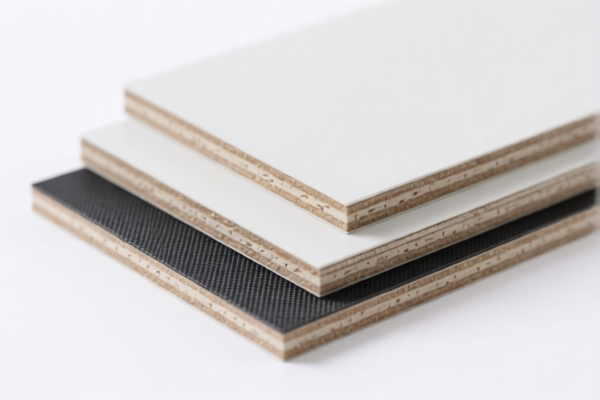
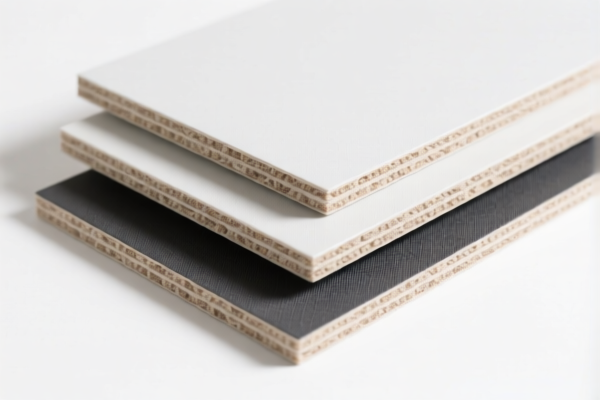
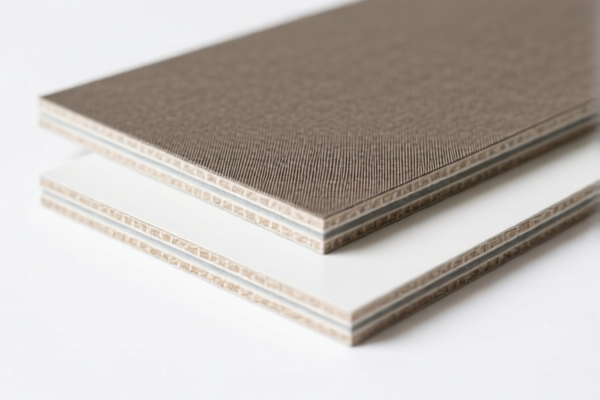
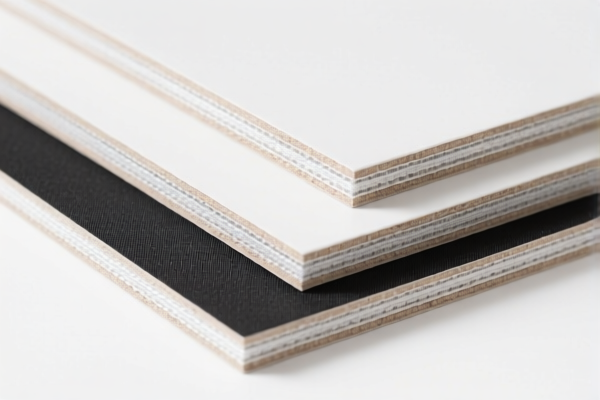
The Polyurethane Textile Composite Shock Absorbing Board is a multi-layered industrial material designed for vibration damping, sound insulation, and structural reinforcement in construction and industrial applications. It consists of: * Core/Matrix: Polyurethane (PU), a polymer known for its elasticity and shock-absorbing properties. * Reinforcement/Backing: Textile fabric (woven or non-woven) impregnated, coated, or laminated with the PU. * Form: Rigid or semi-rigid board/sheet format.
⚠️ Critical Classification Dilemma:
Customs authorities often struggle to classify this product because it straddles two major categories: 1. Plastics/Board: If viewed primarily as a PU foam/plastic sheet used for construction. 2. Textiles/Fabric: If viewed primarily as a fabric treated with plastic (PU).The classification depends on whether the textile provides the essential character or if the plastic coating/impregnation does.
📦 II. HS Code Classification Details (Based on Provided Data)
Based on the specific data provided, there are four potential HS Code classifications, each with significant tax implications.
| HS Code | Product Description & Rationale | Total Tax Rate | Tax Breakdown |
|---|---|---|---|
6810.99.00.80 |
Cement/Concrete/Artificial Stone Articles: Classified as "other articles" under cementitious building materials. Rationale: Viewed as a composite building board primarily used for construction infrastructure. | 35.0% | Base: 0.0% Section 301: 25.0% Section 301 (Item 122): 10% |
5903.20.20.00 |
Impregnated/Coated/Laminated Textile Fabrics: Classified as textile fabric impregnated, coated, covered, or laminated with plastic. Rationale: Emphasizes the textile base with PU coating. | 35.0% | Base: 0.0% Section 301: 25.0% Section 301 (Item 122): 10% |
5903.20.25.00 |
PU-Treated Artificial Fiber Textile Fabrics: Classified specifically as textile fabrics made from artificial fibers, impregnated with polyurethane. Rationale: Most specific textile classification if the fabric is artificial (synthetic) fibers. | 42.5% | Base: 7.5% Section 301: 25.0% Section 301 (Item 122): 10% |
3921.13.19.50 |
Plastic Plates/Sheets/Film (Other): Classified as plates, sheets, film, etc., of plastics (PU), other than those of headings 3901-3914, for other uses. Rationale: Viewed primarily as a plastic board/sheet product for construction. | 40.3% | Base: 5.3% Section 301: 25.0% Section 301 (Item 122): 10% |
🔍 Key Insight:
- Lowest Tax:6810.99.00.80and5903.20.20.00both offer 35.0% total duty.
- Highest Tax:5903.20.25.00carries 42.5% due to a higher base rate (7.5%) for artificial fiber textiles.
- Middle Ground:3921.13.19.50sits at 40.3% due to a 5.3% base rate for plastics.
- Note: All options include 35% in additional duties (25% Section 301 + 10% Item 122). The difference lies in the Base Duty Rate.
💰 III. Detailed Tax Structure Explanation (2026 Tariff Breakdown)
✅ Applicable Market: United States (US)
✅ Origin: China (CN) (Implied by Section 301 and Item 122 tariffs)
✅ Effective Date: Current tariffs apply as of 2026.
🎯 1. Common Additional Duties (Applies to ALL HS Codes)
| Component | Rate | Source | Explanation |
|---|---|---|---|
| Base Duty | 0.0% - 7.5% | HTSUS | Varies by HS Code. |
| Section 301 Duty | +25.0% | USTR List 3/4 | Tariff on Chinese imports for strategic goods. Applies to all four codes. |
| Section 301 (Item 122) | +10.0% | USTR List 122 | Additional tariff on specific Chinese goods. Applies to all four codes. |
| Total Additional Tariff | +35.0% | Non-negotiable surcharge for Chinese origin. |
📌 Why 35% Extra?
- The 25% is standard for many Chinese industrial goods under Section 301.
- The 10% (Item 122) is a specific additional levy for certain textile/plastic composites or strategic materials.
- This 35% is added ON TOP of the Base Duty.
🎯 2. Base Duty Variations
| HS Code | Base Duty | Reason for Rate |
|---|---|---|
6810.99.00.80 |
0.0% | Cement/concrete articles often have 0% base duty. |
5903.20.20.00 |
0.0% | Some coated textiles have 0% base duty. |
5903.20.25.00 |
7.5% | Artificial fiber textiles often incur higher base duties. |
3921.13.19.50 |
5.3% | Other plastic plates/sheets have a modest base duty. |
🛠️ IV. Customs Clearance Recommendations (Avoid Pitfalls)
✅ 1. Best Classification Strategy: Opt for 35% Total Duty
Recommendation: Aim for 6810.99.00.80 or 5903.20.20.00 to minimize total tax to 35.0%.
-
Why
6810.99.00.80?- If the board is rigid, used in building construction, and the PU/textile composite acts as a "building material" similar to cementitious boards, this is a strong argument.
- Pros: 0% base duty.
- Cons: May be challenged if not clearly a "cement/concrete" derivative. Ensure marketing emphasizes "construction board" and "building application."
-
Why
5903.20.20.00?- If the textile fabric is the essential component and PU is just a coating/lamination.
- Pros: 0% base duty.
- Cons: Must prove it’s a "textile" product, not a plastic sheet. Provide fabric specs.
⚠️ Avoid
5903.20.25.00if possible, as the 7.5% base duty pushes total cost to 42.5%. This applies only if the textile is explicitly artificial fiber (e.g., polyester, nylon). If it’s natural fiber (cotton, wool), this code may not apply, but if it is artificial, the tax is higher.⚠️ Avoid
3921.13.19.50if you can use the others, as 5.3% base duty is higher than 0%. This is a fallback if the product is clearly a "plastic board" with minimal textile characterization.
✅ 2. Documentation Requirements
| Document | Purpose | Key Details to Include |
|---|---|---|
| Product Spec Sheet | Justify Classification | - Material composition (% PU, % Textile) - Manufacturing process (Lamination vs. Coating vs. Impregnation) - End-use (Construction/Shock Absorption) |
| Photos | Visual Proof | - Cross-section showing layers - Label showing material type - Application example |
| Bill of Materials (BOM) | Prove Origin & Composition | - List of all raw materials - PU type (e.g., flexible, rigid foam) - Textile type (woven, non-woven, fiber content) |
| Commercial Invoice | Accurate Description | Use precise terms: "Polyurethane-Coated Textile Composite Board for Construction" or "PU Impregnated Fabric Board" depending on chosen HS code. |
| Certificate of Origin | Confirm China Origin | Required for Section 301/Item 122 assessment. |
✅ 3. Declaration Tips
-
For
6810.99.00.80:
> Declare as: "Composite building board, polyurethane-textile, used for construction shock absorption."
> Emphasize "building material" and "composite board." -
For
5903.20.20.00:
> Declare as: "Textile fabric, coated/laminated with polyurethane, for industrial use."
> Emphasize "textile fabric" and "coated/laminated." -
For
3921.13.19.50:
> Declare as: "Polyurethane plastic board/sheet, for construction shock absorption."
> Emphasize "plastic board" and "PU material."
✅ 4. Risk Mitigation
| Risk | Mitigation Strategy |
|---|---|
| Misclassification | Apply for Advance Ruling (Ruling Letter) from US Customs (CBP) before shipping. This locks in the HS code and duty rate. |
| Dispute on "Base Duty" | If CBP argues for 5903.20.25.00 (42.5%), provide evidence that the textile is not artificial fiber (e.g., cotton blend) or that the plastic coating is not the essential character. |
| Item 122 Tariff | Confirm if Item 122 applies to your specific product form. If the product is excluded, you may save 10%. Check USTR latest lists. |
🌍 V. Global Market Comparison (2026)
| Market | Recommended HS Code | Est. Total Duty | Notes |
|---|---|---|---|
| 🇺🇸 USA | 6810.99.00.80 or 5903.20.20.00 |
35.0% | Best option due to 0% base duty. |
| 🇪🇺 EU | Varies (e.g., 3921.13 or 5903) | ~5-10% + VAT | No Section 301 tariffs. Lower overall cost. |
| 🇨🇳 China | Varies | ~5-10% | Low base duty, no additional tariffs for export. |
| 🇲🇽 Mexico | Varies | ~5% | USMCA may apply if rules of origin met. |
📌 Conclusion:
The US market is the most expensive due to Section 301 and Item 122 tariffs.
Strategy: Focus on6810.99.00.80or5903.20.20.00to keep total duty at 35.0%. Avoid5903.20.25.00unless necessary, as it adds 7.5% base duty.
📌 VI. Common Errors & Pitfalls
❌ Error 1: Declaring as 5903.20.25.00 without verifying textile fiber content.
👉 Consequence: If the textile is not artificial fiber, CBP may reclassify to 6810.99.00.80 (0% base), but you may face penalties for incorrect declaration. If it IS artificial fiber, you pay 42.5% unnecessarily if a 35% option was available.
❌ Error 2: Using 3921.13.19.50 when 6810.99.00.80 applies.
👉 Consequence: Overpaying 5.3% in base duty (Total 40.3% vs 35.0%).
❌ Error 3: Ignoring Item 122 Tariff.
👉 Consequence: Underpaying by 10%. CBP will assess additional duty + interest upon audit.
✅ Correct Approach:
"Submit Advance Ruling for
6810.99.00.80or5903.20.20.00. Provide cross-section photos, material specs, and construction application evidence. Confirm total duty is 35.0%."
🎯 VII. Conclusion: Smart Clearance, Cost Control!
🎯 Key Takeaway:
🔹 Target HS Code:
6810.99.00.80or5903.20.20.00
🔹 Total Duty: 35.0% (0% Base + 25% Sec 301 + 10% Item 122)
🔹 Action: Apply for CBP Advance Ruling to lock in classification.
🔹 Avoid:5903.20.25.00(42.5%) unless required by textile composition.
📌 Pro Tip:
If your supply chain allows, consider transshipment through a non-China origin country (e.g., Vietnam, Mexico) to mitigate Section 301 tariffs. However, ensure substantial transformation occurs to avoid "circumvention" claims.
📣 Immediate Action:
📞 Engage a Customs Broker to submit an Advance Ruling request.
📄 Prepare Technical Specs highlighting construction use or textile nature.
🚀 Optimize Logistics: Secure the 35.0% duty rate to maximize profit margins.
✨ Professional Clearance Starts with Precise Classification!
💼 Every percentage point of duty saved is pure profit!
用户评价
关于 HS 编码归类
协调制度(HS)是由世界海关组织(WCO)制定的国际贸易商品分类标准。全球 200 多个国家采用 HS 系统作为海关关税、贸易统计和进出口监管的基础。
每个 HS 编码遵循以下层级结构:
- 章(2 位)——商品大类(例如:第 84 章:机器和机械设备)
- 品目(4 位)——章内的更具体分类
- 子目(6 位)——国际通用细分,所有 WCO 成员国统一使用
- 本国细分(8-10 位)——各国自行扩展的细分编码,如美国 HTSUS 10 位编码
正确的 HS 编码归类对于顺利通关、准确缴纳关税和遵守贸易法规至关重要。错误归类可能导致海关延误、多缴关税或罚款。
从CN进口到US时,适用的关税税率可能包括:
- 最惠国(MFN)税率——适用于 WTO 成员国的标准关税税率
- 普通税率——适用于无贸易协定国家
- 贸易救济关税——附加关税,如 301 条款(反倾销)、232 条款(国家安全)或反补贴税
本页内容仅供参考。如需正式归类,请咨询当地海关或持牌报关代理。