Polyurethane Textile Composite Sound Absorbing Panel
CN → US| HS编码 | 关税税率 | 原产国 | 目的国 | 文档 |
|---|---|---|---|---|
| 3921131500 | 41.5% | CN | US | 官方文档 |
| 3921131950 | 40.3% | CN | US | 官方文档 |
| 5903202500 | 42.5% | CN | US | 官方文档 |
| 5903202000 | 35.0% | CN | US | 官方文档 |
| 6810990080 | 35.0% | CN | US | 官方文档 |
商品图片
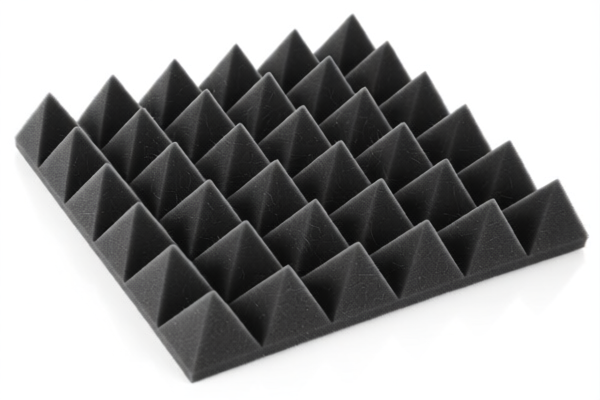
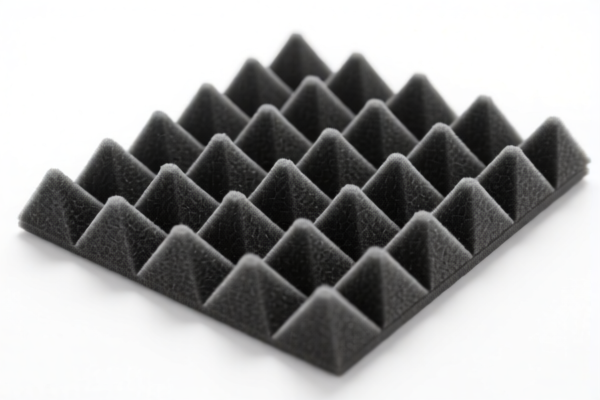
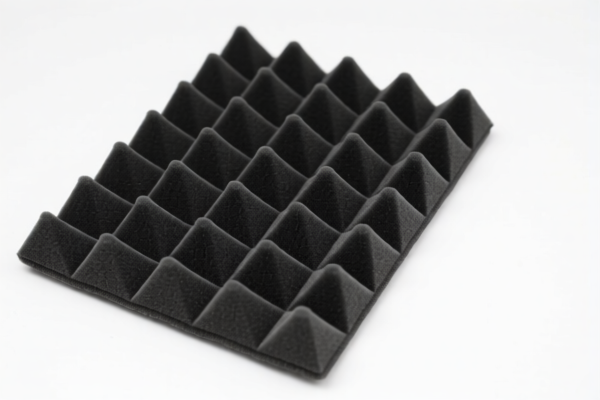
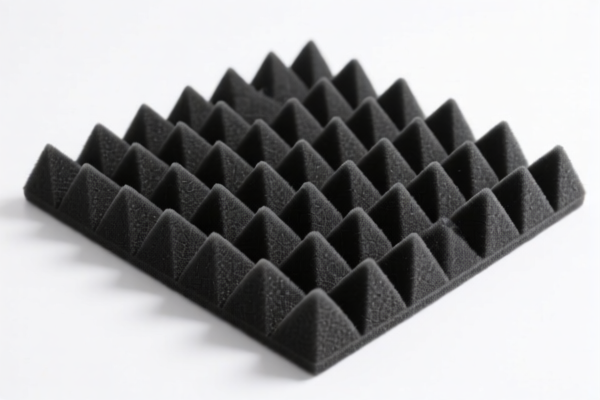
AI分析
🏗️ Polyurethane Textile Composite Sound Absorbing Panels (Building Materials)
🌐 HS Code Reference & Customs Clearance Guide | 2026 Latest Tariff Analysis | Professional Clearance Strategy
📌 Part 1: Product Definition & Classification: Do You Really Understand "Polyurethane Textile Composites"?
Polyurethane Textile Composite Sound Absorbing Panels are specialized building materials that combine Polyurethane (PU) foam with textile fabrics. Their primary function is sound absorption and thermal insulation in construction. In international trade, the classification depends heavily on whether the focus is on the composite nature (laminated fabric), the core material (PU plastic board), or the application (building component).
⚠️ Key Distinction Points:
- If the textile is impregnated/coated/laminated with PU → Classified under Chapter 59 (Impregnated Textiles) or Chapter 39 (Plastics).
- If it is primarily a rigid/flexible PU board with textile facing → Classified under Chapter 39 (Polyurethane Sheets/Plates).
- If misclassified as Cement/Stone → High risk of penalty and delay (Chapter 68).
📦 Part 2: HS Code Classification Details (2026 Latest Tariff Authority Comparison)
Based on the provided data, there are five potential HS Code classifications for this product. Each has different tax implications.
| HS Code | Product Description | Key Classification Logic | Total Tax Rate* |
|---|---|---|---|
3921.13.15.00 |
Polyurethane Textile Composite Board | Focus on Composite Form: PU + Textile combined into a board. Matches "Composite boards" description. | 41.5% |
3921.13.19.50 |
Polyurethane Board (Other) | Focus on Material/Shape: PU as the base material, shape is "plate/sheet/film". Generic PU board category. | 40.3% |
5903.20.25.00 |
PU-Impregnated Textile Fabric | Focus on Textile Nature: Textile fabric treated/impregnated with PU. Matches "Artificial fiber textile fabrics, impregnated/coated/laminated". | 42.5% |
5903.20.20.00 |
PU-Laminated Textile (Lower Duty) | Focus on Specific Textile Sub-category: PU-treated textile fabric, specific sub-heading for laminated/impregnated types. | 35.0% |
6810.99.00.80 |
Cement/Concrete/Artificial Stone Articles | ⚠️ Risk/Error: Inferred as "Building Material" → Mapped to cement/concrete articles. Likely Incorrect unless mixed with cement. | 35.0% |
📌 Critical Note:
- Code6810.99.00.80is high-risk. Unless the panel contains significant cement/concrete content, classifying a PU-textile panel here is a classification error. Customs may reject this as it does not match the physical composition (PU + Fabric ≠ Cement). - Codes5903.20.25.00and5903.20.20.00depend on whether the product is considered "fabric" (flexible) or "board/panel" (rigid). For rigid building panels, Chapter 39 (3921) is often more accurate than Chapter 59. - Codes3921.13.15.00and3921.13.19.50are the most likely correct classifications for rigid composite building panels.
💰 Part 3: 2026 Latest Tariff Rate Breakdown (Including Surtaxes & Policy Add-ons)
✅ Applicable Country: United States (US)
✅ Country of Origin: China (CN)
✅ Effective Date: Post-2025/2026 Import Cycle
🎯 1. 3921.13.15.00 – Polyurethane Textile Composite Board (Composite Form)
| Item | Detail |
|---|---|
| Base Tariff | 6.5% |
| Section 301 Surtax | +25.0% |
| Section 122 Tariff | +10.0% |
| Total Tariff | 41.5% |
| Tax Calculation | CIF Value × 41.5% |
| De Minimis Exemption | ❌ Not Applicable (High tariff codes usually exclude de minimis) |
| Legal Basis | Section 301: 9903.88.01 → Section 122 → HTSUS: 3921.13.15.00 |
📌 Explanation:
- This code treats the product as a plastic composite board.
- The 6.5% base duty is standard for polyurethane products.
- The 25% Section 301 tax and 10% Section 122 tax are added for Chinese-origin goods.
- Total 41.5% is a significant cost factor. Ensure your CIF value is accurately declared to avoid underpayment penalties.
🎯 2. 3921.13.19.50 – Other Polyurethane Sheets/Plates
| Item | Detail |
|---|---|
| Base Tariff | 5.3% |
| Section 301 Surtax | +25.0% |
| Section 122 Tariff | +10.0% |
| Total Tariff | 40.3% |
| Tax Calculation | CIF Value × 40.3% |
| De Minimis Exemption | ❌ Not Applicable |
| Legal Basis | Section 301: 9903.88.01 → Section 122 → HTSUS: 3921.13.19.50 |
📌 Explanation:
- This is a slightly cheaper alternative (40.3%vs41.5%).
- It classifies the product as a generic PU plate/sheet, ignoring the textile composite aspect.
- Risk: If Customs determines the textile layer is essential to the product’s function, they may reclassify it to3921.13.15.00or5903.20.xxxx, leading to back taxes and fines.
🎯 3. 5903.20.25.00 – PU-Impregnated Textile Fabric (High Duty)
| Item | Detail |
|---|---|
| Base Tariff | 7.5% |
| Section 301 Surtax | +25.0% |
| Section 122 Tariff | +10.0% |
| Total Tariff | 42.5% |
| Tax Calculation | CIF Value × 42.5% |
| De Minimis Exemption | ❌ Not Applicable |
| Legal Basis | Section 301: 9903.88.01 → Section 122 → HTSUS: 5903.20.25.00 |
📌 Explanation:
- This is the highest tax rate (42.5%).
- It classifies the product as textile fabric first, with PU as a treatment.
- Risk: If the product is rigid (a building panel), this classification is weak. Customs may challenge it as "not primarily textile."
- Recommendation: Avoid this code unless the product is clearly flexible fabric rolls, not rigid panels.
🎯 4. 5903.20.20.00 – PU-Laminated Textile (Lower Duty)
| Item | Detail |
|---|---|
| Base Tariff | 0.0% |
| Section 301 Surtax | +25.0% |
| Section 122 Tariff | +10.0% |
| Total Tariff | 35.0% |
| Tax Calculation | CIF Value × 35.0% |
| De Minimis Exemption | ❌ Not Applicable |
| Legal Basis | Section 301: 9903.88.01 → Section 122 → HTSUS: 5903.20.20.00 |
📌 Explanation:
- This is the lowest tax rate (35.0%).
- It benefits from a 0% base tariff for certain PU-treated textiles.
- Risk: Like5903.20.25.00, this assumes the product is textile, not a building board. If Customs argues it’s a rigid panel, they may reclassify it to Chapter 39, requiring you to pay the difference + penalties.
- Strategy: Only use this if you can prove the product is flexible textile or if your customs broker has strong precedent for this classification.
🎯 5. 6810.99.00.80 – Cement/Concrete Articles (High Risk)
| Item | Detail |
|---|---|
| Base Tariff | 0.0% |
| Section 301 Surtax | +25.0% |
| Section 122 Tariff | +10.0% |
| Total Tariff | 35.0% |
| Tax Calculation | CIF Value × 35.0% |
| De Minimis Exemption | ❌ Not Applicable |
| Legal Basis | Section 301: 9903.88.01 → Section 122 → HTSUS: 6810.99.00.80 |
📌 Explanation:
- ⚠️ HIGH RISK CODE.
- This code is for cement, concrete, or artificial stone.
- Polyurethane textile panels are NOT cement-based.
- Consequence: If you use this code, Customs will likely reject the shipment, demand reclassification, and impose penalties for misdeclaration.
- Recommendation: DO NOT USE unless the panel contains a cement backing or significant cement content.
🛠️ Part 4: Customs Clearance Practical Advice (Avoid Pitfalls)
✅ 1. Required Documentation Checklist
| Document | Must Provide? | Description |
|---|---|---|
| ✅ Product Specification Sheet | ✔️ | Detail materials: % PU, type of textile, thickness, density. |
| ✅ Product Photos | ✔️ | Show cross-section to prove it’s a composite (PU core + fabric layers). |
| ✅ Commercial Invoice | ✔️ | Clearly state "Polyurethane Textile Composite Sound Absorbing Panel". |
| ✅ Certificate of Origin (CO) | ✔️ | For US-China trade, proves Chinese origin (triggers surtaxes). |
| ✅ Bill of Lading | ✔️ | Standard shipping document. |
| ✅ Test Reports (Optional) | ✔️ | Sound absorption coefficient, fire resistance (UL94). |
✅ 2. Declaration Strategy (Key Mnemonic)
🔥 “Be Specific, Be Honest, Be Compliant: ‘PU Composite Panel’ not ‘Fabric’ or ‘Cement’!”
| Scenario | Correct Declaration | Incorrect Declaration | Consequence |
|---|---|---|---|
| Rigid Building Panel | 3921.13.15.00 or 3921.13.19.50 |
5903.20.20.00 (Textile) |
Risk of reclassification + penalties. |
| Flexible Fabric Roll | 5903.20.20.00 |
3921.13.15.00 (Board) |
Minor issue, but better to match physical form. |
| Cement-Based Panel | 6810.99.00.80 |
3921.13.15.00 (PU) |
Severe penalty for misdeclaration. |
| Mixed PU/Cement | Consult Broker | 3921.13.15.00 |
May require split classification. |
✅ 3. Special Case Handling
| Situation | Handling Advice |
|---|---|
| OEM Custom Panels | Provide client specs and material composition. Avoid vague terms like "Building Material." |
| Sound Absorption Claim | Provide test reports. Customs may ask for proof of function if classification is challenged. |
| Fire Resistance | If rated for fire, include UL94 or NFPA test reports. May affect insurance but not HS code directly. |
| High-Value Shipments | Consider Advance Ruling from US CBP to lock in the HS Code and avoid disputes. |
🌍 Part 5: Global Market Clearance Comparison (2026 Latest)
| Country/Region | Recommended HS Code | Tariff (China Origin) | Certification | Notes |
|---|---|---|---|---|
| 🇺🇸 United States | 3921.13.15.00 |
41.5% | FCC (if electronic), UL (Fire) | Highest risk due to surtaxes. |
| 🇨🇳 China | 3921.13.15.00 |
~6.5% | CCC (if applicable) | Lower base duty, no Section 301. |
| 🇪🇺 EU | 3921.10 |
~6.5% | CE, REACH, CPR (Construction) | No Section 301/122 equivalents. |
| 🇦🇺 Australia | 3921.13 |
~5% | SAA | Moderate duty. |
| 🇯🇵 Japan | 3921.13 |
~5% | JIS | Moderate duty. |
📌 Conclusion:
- USA is the most expensive market due to Section 301 (25%) and Section 122 (10%) surtaxes.
- Total tax of 35-42.5% significantly impacts profitability.
- EU and Asia are more favorable for this product type.
- Strategy: If targeting the US, consider value engineering (lower density PU) or supply chain diversification (if possible) to mitigate tariff impact.
📌 Part 6: Common Errors & Pitfalls Guide (Lessons Learned)
❌ Error 1: Classifying rigid PU panels as Textile (5903)
👉 Consequence: Customs may argue it’s not "primarily textile," reclassify to 3921, and charge back taxes.
❌ Error 2: Classifying PU panels as Cement (6810)
👉 Consequence: Severe penalty. PU is plastic, not cement. This is a major misdeclaration.
❌ Error 3: Ignoring Section 301 & 122 Taxes
👉 Consequence: Underpayment by 35%. Customs will assess penalties + interest + potential seizure.
❌ Error 4: Vague Description "Building Material"
👉 Consequence: Customs cannot determine correct HS Code. Shipment delayed for inspection.
✅ Correct Approach:
"Polyurethane (PU) Foam Core, Laminated with Polyester Fabric, Rigid Panel, for Sound Absorption in Building Interiors, Model XYZ"
🎯 Part 7: Conclusion: Professional Declaration, Cost Saving, Efficiency!
🎯 Remember the Mnemonic:
🔹 "PU Core + Fabric = Chapter 39 (Board) or Chapter 59 (Textile). NEVER Cement (Chapter 68) unless it’s cement!"
🔹 "US Tariff = Base + 25% (301) + 10% (122). Plan your margins accordingly!"
🔹 "HS Code determines your fate. A 1% difference in base rate can mean thousands in savings!"
📌 Pro Tip:
If your panels are flexible fabric rolls, use
5903.20.20.00(35.0% total).
If they are rigid boards, use3921.13.15.00(41.5% total) or3921.13.19.50(40.3% total).
Always apply for an Advance Ruling with US CBP if the shipment value is high.
📣 Take Action Now:
📞 Contact a Licensed Customs Broker + Provide Product Photos + Request HS Code Advance Ruling
🚀 Clear Customs Smoothly, Maximize Profit, Expand Global Reach!
✨ Professional Clearance Starts with Accurate Classification!
💼 Every Dollar Saved is a Dollar Earned!
用户评价
关于 HS 编码归类
协调制度(HS)是由世界海关组织(WCO)制定的国际贸易商品分类标准。全球 200 多个国家采用 HS 系统作为海关关税、贸易统计和进出口监管的基础。
每个 HS 编码遵循以下层级结构:
- 章(2 位)——商品大类(例如:第 84 章:机器和机械设备)
- 品目(4 位)——章内的更具体分类
- 子目(6 位)——国际通用细分,所有 WCO 成员国统一使用
- 本国细分(8-10 位)——各国自行扩展的细分编码,如美国 HTSUS 10 位编码
正确的 HS 编码归类对于顺利通关、准确缴纳关税和遵守贸易法规至关重要。错误归类可能导致海关延误、多缴关税或罚款。
从CN进口到US时,适用的关税税率可能包括:
- 最惠国(MFN)税率——适用于 WTO 成员国的标准关税税率
- 普通税率——适用于无贸易协定国家
- 贸易救济关税——附加关税,如 301 条款(反倾销)、232 条款(国家安全)或反补贴税
本页内容仅供参考。如需正式归类,请咨询当地海关或持牌报关代理。