Poplar Pulpwood
CN → US| HS编码 | 关税税率 | 原产国 | 目的国 | 文档 |
|---|---|---|---|---|
| 4412333285 | 43.0% | CN | US | 官方文档 |
| 4407970079 | 35.0% | CN | US | 官方文档 |
| 4408900197 | 35.0% | CN | US | 官方文档 |
| 4412335700 | 43.0% | CN | US | 官方文档 |
| 4408900151 | 35.0% | CN | US | 官方文档 |
商品图片
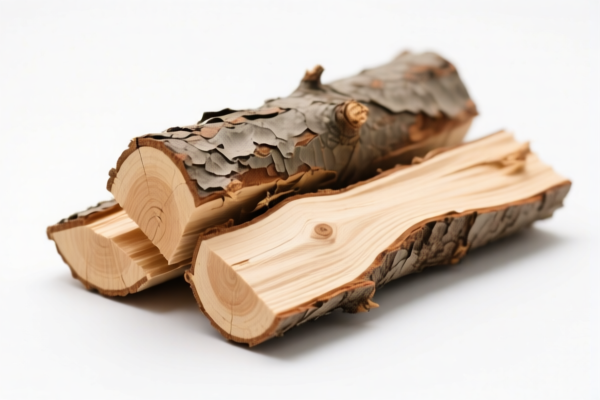
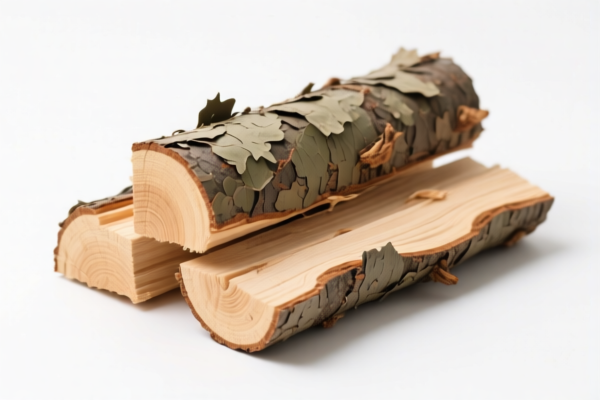
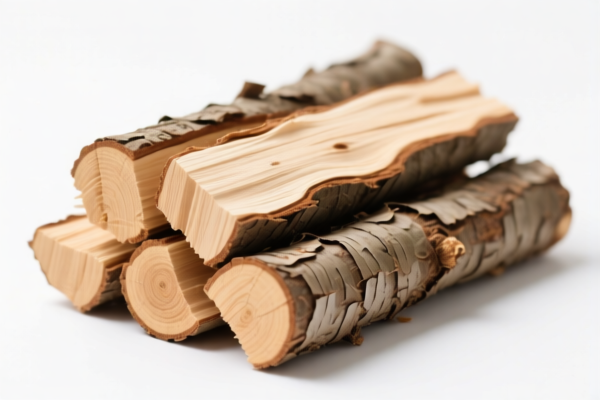
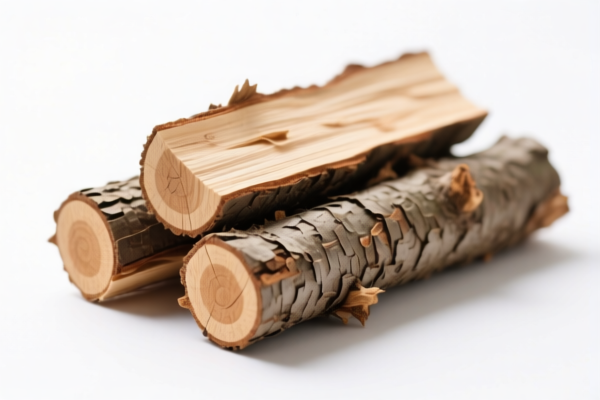
AI分析
🌲 Poplar Pulpwood (Yáng Mù Bǎncái / Poplar Timber Products)
🌐 HS Code Reference & Customs Clearance Guide | 2026 Latest Tariff Analysis | Professional Clearance Strategy
📌 I. Product Definition: What is "Poplar Pulpwood"?
In international trade, "Poplar Pulpwood" typically refers to timber derived from Poplar trees (Populus spp.). However, the term is ambiguous and heavily dependent on the processing state and final use of the wood. It is not a single HS Code but a category that splits into three distinct classifications based on physical form:
- Plywood/Laminated Wood: Thin layers of poplar veneer glued together.
- Sawn Wood (Thick): Log-like or plank forms thicker than 6mm, longitudinally sawn or peeled.
- Veneer Sheets (Thin): Very thin slices used for surface decoration (veneer).
⚠️ Critical Distinction:
- If the wood is glued into layers → It is Plywood (Chapter 4412).
- If the wood is solid, thick, and simply sawn/peeled → It is Sawn Wood (Chapter 4407/4408).
- If the wood is thin and used for surface finishing → It is Veneer (Chapter 4408).
Misclassification leads to severe penalties due to the 35%-43% tariff disparity.
📦 II. HS Code Classification Details (2026 Latest Tariff Authority)
Based on the specific processing form of the Poplar timber, here are the five possible HS Codes and their corresponding tax structures for imports from China to the US.
| HS Code | Product Description | Physical Form | Key Characteristic | Total Tax Rate |
|---|---|---|---|---|
4412.33.32.85 |
Plywood, of other wood | Plywood/Laminated Wood | Made of plies glued together; characteristic of plywood products. | 43.0% |
4407.97.00.79 |
Wood sawn or chipped lengthwise, thickness > 6 mm | Thick Sawn Wood | Solid wood, thickness exceeds 6mm; longitudinally sawn or sliced. | 35.0% |
4408.90.01.97 |
Veneer sheets for wood flooring or other wood products | Veneer (General) | Thin sheets for decorative surfaces; follows "other" fallback principles. | 35.0% |
4412.33.57.00 |
Other plywood, laminated wood | Plywood/Laminated Wood | General classification for plywood/laminated wood items not elsewhere specified. | 43.0% |
4408.90.01.51 |
Veneer sheets, of other wood | Veneer (Specific) | Thin sheets meeting specific "other category" requirements for veneer. | 35.0% |
🔍 Key Classification Logic:
- Plywood (4412): Always carries a higher base tariff (8%) because it is a manufactured composite product. Total: 43%.
- Sawn Wood/Veneer (4407/4408): Considered raw or semi-processed materials. Base tariff is 0%. Total: 35%.
- "Pulpwood" Misnomer: If the material is truly for paper pulp (crushed/chipped wood fibers), it might fall under Chapter 44 or 47, but the provided data focuses on boards/sheets. Ensure the physical form matches the HS code description (Board vs. Fiber).
💰 III. 2026 Latest Tariff Rate Breakdown (Including Surcharge & Policy Add-ons)
✅ Applicable Country: United States (US)
✅ Origin: China (CN)
✅ Effective Date: November 10, 2025 (and subsequent imports)
🎯 1. Section 301 Tariff: 25%
Applies to ALL listed HS Codes above. This is the standard "Trade War" tariff on Chinese timber products.
🎯 2. IEEPA Surcharge: 10%
Applies to ALL listed HS Codes above. Based on the International Emergency Economic Powers Act, targeting specific Chinese goods.
🎯 3. Base Tariff Variation (The Critical Difference)
A. Plywood Category (4412.33.32.85 & 4412.33.57.00)
| Item | Content |
|---|---|
| Base Tariff | 8.0% (Ad Valorem) |
| Section 301 Surcharge | +25.0% |
| IEEPA Surcharge | +10.0% |
| Total Tax Rate | 43.0% |
| Tax Calculation | CIF Value × 43% |
| De Minimis Exemption? | ❌ No (Section 321 de minimis does NOT apply to these goods) |
📌 Explanation:
Plywood is classified as a "manufactured wood product." The 8% base rate is non-zero, leading to the highest total tax burden of 43%.
B. Sawn Wood & Veneer Category (4407.97.00.79, 4408.90.01.97, 4408.90.01.51)
| Item | Content |
|---|---|
| Base Tariff | 0.0% (Ad Valorem) |
| Section 301 Surcharge | +25.0% |
| IEEPA Surcharge | +10.0% |
| Total Tax Rate | 35.0% |
| Tax Calculation | CIF Value × 35% |
| De Minimis Exemption? | ❌ No (Section 321 de minimis does NOT apply) |
📌 Explanation:
Raw sawn wood and veneer sheets are considered "semi-processed." The base tariff is 0%, making the total tax 35%, which is 8% lower than plywood.
🛠️ IV. Customs Clearance Practical Advice (Real-World Pitfall Avoidance)
✅ 1. Documentation Checklist (Mandatory)
| Document | Required | Description |
|---|---|---|
| ✅ Product Specification Sheet | ✔️ | Must explicitly state: Material (Poplar), Thickness, Width/Length, Processing Method (Sawn vs. Glued/Veneered). |
| ✅ Product Photos | ✔️ | Clear shots showing cross-section. Crucial: Show if it's layered (Plywood) or solid grain (Sawn Wood). |
| ✅ Commercial Invoice | ✔️ | Must use precise terminology: "Poplar Plywood" OR "Poplar Sawn Timber" OR "Poplar Veneer Sheets." Do NOT just write "Wood." |
| ✅ Packing List | ✔️ | Detail dimensions and weight to verify if thickness >6mm (for Sawn Wood classification). |
| ✅ Fumigation Certificate | ✔️ | ISPM 15 compliant for all wood products entering the US. |
✅ 2. Declaration Tips (Key Mnemonics)
🔥 "Layered is Plywood (43%), Solid is Sawed (35%), Veneer is Thin (35%)"
| Scenario | Correct HS Code | Incorrect Code | Consequence |
|---|---|---|---|
| Poplar Plywood (Glued layers) | 4412.33.32.85 or 4412.33.57.00 |
4407.97.00.79 |
Under-declaration: Customs will reclassify, charge 43% + penalties. |
| Thick Planks (>6mm, solid) | 4407.97.00.79 |
4412.33.xxxx |
Over-declaration: Unnecessary tax payment (8% extra). |
| Thin Veneer (For gluing later) | 4408.90.01.97 or .51 |
4412.33.xxxx |
Misclassification: Veneer is raw material; Plywood is finished. |
✅ 3. Special Handling
| Situation | Advice |
|---|---|
| Mixed Containers | If a container has both plywood and sawn wood, they must be declared separately. Mixed declarations risk detention. |
| Thickness Ambiguity | If thickness is exactly 6mm, ensure documentation specifies ">6mm" to qualify for 4407 (Sawn Wood) if applicable, or "<6mm" for Veneer. |
| "Pulpwood" Terminology | If the wood is chipped/crushed for paper making, it does NOT fit the HS codes above. Ensure the product is board/panel format. |
🌍 V. Global Market Customs Comparison (2026 Latest)
| Country/Region | Recommended HS Code | Tariff (China Origin) | Certification | Notes |
|---|---|---|---|---|
| 🇺🇸 USA | 4412.33.xxxx (Plywood) or 4407/4408 (Sawn/Veneer) |
35% - 43% | ISPM 15 | High tariffs due to Section 301 + IEEPA. |
| 🇨🇳 China | Same HS Codes | 0% - 5% | N/A | Import into China is cheaper; export to US is costly. |
| 🇪🇺 EU | 4412.31 - 4412.34 |
0% (Most) | FSC/PEFC (Voluntary) | No Section 301 equivalent, but strict EUTR regulations. |
| 🇨🇦 Canada | 4412.31 - 4412.34 |
0% - 5% | ISPM 15 | CUSMA benefits may apply if non-Chinese origin. |
📌 Conclusion:
- The USA is the most expensive market for Poplar products due to 35-43% combined tariffs.
- Plywood (4412) is always more expensive than Sawn Wood/Veneer (4407/4408).
- No De Minimis Exemption: Small packages (under $800) do NOT escape these tariffs for these specific HS codes.
📌 VI. Common Errors & Pitfall Guide (Blood & Tears Lessons)
❌ Error 1: Declaring "Plywood" as "Sawn Wood" to save 8% tax.
👉 Consequence: Customs inspection will reveal glue layers and line seams. Penalty + Back Taxes.
❌ Error 2: Using the generic term "Poplar Wood" on the invoice.
👉 Consequence: CBP (Customs and Border Protection) will select the highest possible tax rate (43%) for risk management.
❌ Error 3: Ignoring the "122 Clause" (IEEPA 10%).
👉 Consequence: Even if Section 301 is excluded (rare for wood), the 10% IEEPA tariff still applies. Total min tax is 35%.
❌ Error 4: Mixing Plywood and Solid Wood in one HS Code line.
👉 Consequence: Customs rejection, container held at port, demurrage fees.
✅ Correct Practice:
"Poplar Veneer Sheets, Thickness 1.0mm, For Laminating, Model POP-01"
OR
"Poplar Plywood, 12mm Thickness, 5-Ply, Glued, Model PL-12"
🎯 VII. Conclusion: Professional Declaration, Cost Efficiency!
🎯 Remember the Mantra:
🔹 "Glued is 43%, Sawed is 35%."
🔹 "No De Minimis for Wood from China."
🔹 "Photos Prove the Layers!"
📌 Pro Tip:
If your poplar products are originating from Vietnam, Thailand, or Malaysia, you may avoid the Section 301 tariff, reducing the total tax to just the Base Rate + IEEPA (10%).
However, ensure the "Substantial Transformation" rule is met to avoid anti-circumvention investigations.
📣 Immediate Action:
📞 Contact a licensed Customs Broker + Provide Cross-Section Photos + Apply for Pre-Ruling if unsure.
🚀 Accurate Classification saves up to 8% per CIF value!
✨ Professional Customs Clearance Starts with Precise Classification!
💼 Every cent of tariff is worth calculating!
用户评价
关于 HS 编码归类
协调制度(HS)是由世界海关组织(WCO)制定的国际贸易商品分类标准。全球 200 多个国家采用 HS 系统作为海关关税、贸易统计和进出口监管的基础。
每个 HS 编码遵循以下层级结构:
- 章(2 位)——商品大类(例如:第 84 章:机器和机械设备)
- 品目(4 位)——章内的更具体分类
- 子目(6 位)——国际通用细分,所有 WCO 成员国统一使用
- 本国细分(8-10 位)——各国自行扩展的细分编码,如美国 HTSUS 10 位编码
正确的 HS 编码归类对于顺利通关、准确缴纳关税和遵守贸易法规至关重要。错误归类可能导致海关延误、多缴关税或罚款。
从CN进口到US时,适用的关税税率可能包括:
- 最惠国(MFN)税率——适用于 WTO 成员国的标准关税税率
- 普通税率——适用于无贸易协定国家
- 贸易救济关税——附加关税,如 301 条款(反倾销)、232 条款(国家安全)或反补贴税
本页内容仅供参考。如需正式归类,请咨询当地海关或持牌报关代理。