Printed Base Fabric
CN → US| HS编码 | 关税税率 | 原产国 | 目的国 | 文档 |
|---|---|---|---|---|
| 5407942050 | 49.9% | CN | US | 官方文档 |
| 5407840040 | 49.9% | CN | US | 官方文档 |
| 6006249080 | 20.0% | CN | US | 官方文档 |
商品图片
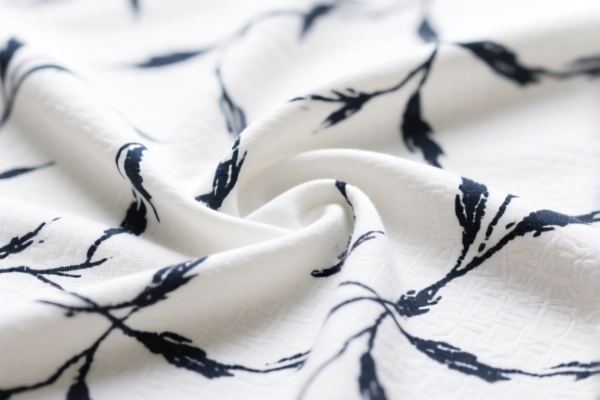
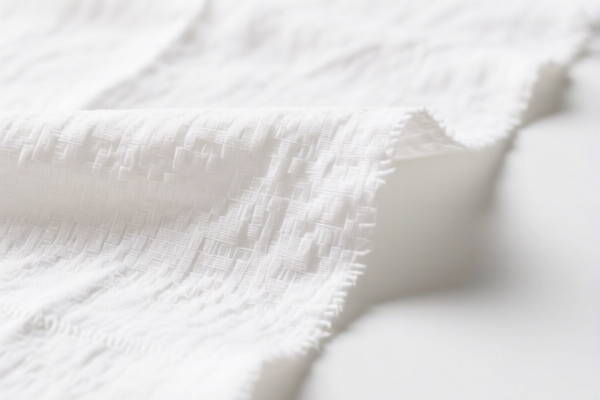
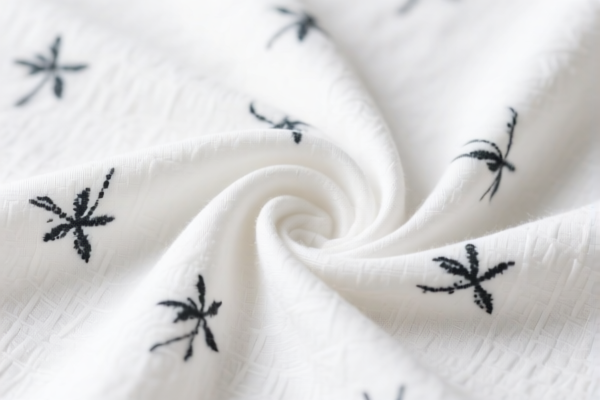
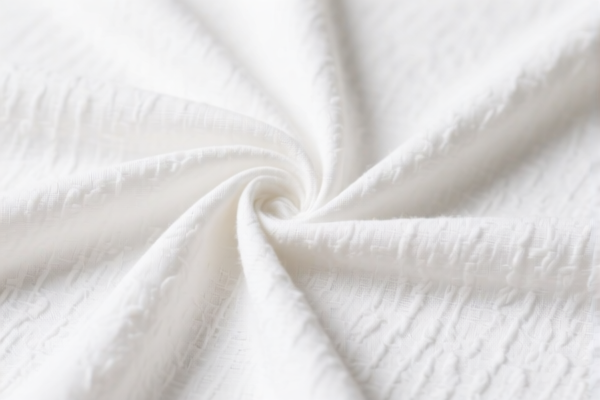
AI分析
🧵 Printed Base Fabric (印花底布)
🌐 HS Code Reference & Customs Clearance Guide | 2026 Latest Tariff Analysis | Professional Clearance Strategy
📌 Part 1: Product Definition and Classification: Do You Really Understand “Printed Base Fabric”?
"Printed Base Fabric" is a generic term in the textile industry referring to woven or knitted fabrics that have undergone a printing process. In international trade, accurate classification depends heavily on the material composition (Synthetic vs. Natural vs. Blended) and the fabric structure (Woven vs. Knitted).
Misclassification can lead to significant tariff discrepancies, especially when US import duties (Section 301 and Section 122) are involved.
⚠️ Key Distinction Point:
- If the fabric is Woven (e.g., Satin, Sateen) → It falls under Chapter 54 (Synthetic/Artificial Filaments) or Chapter 52 (Cotton).
- If the fabric is Knitted (e.g., T-shirt knit, jersey) → It falls under Chapter 60 (Knitted or Crocheted Fabrics).
- Crucial Detail: The "Print" process does not change the fundamental classification of the base material; it only adds value.
📦 Part 2: HS Code Classification Details (2026 Latest Tariff Authority)
Based on the provided data, here are the specific HS Codes for different types of printed base fabrics:
| HS Code | Product Description | Fabric Structure | Material Composition | Key Characteristics |
|---|---|---|---|---|
5407.94.20.50 |
Printed Satin Fabric | Woven (Satin/Sateen weave) | Synthetic Fibers or Artificial Filaments | Features a glossy, smooth surface typical of sateen weaves. |
5407.84.00.40 |
Printed Satin/Blended Fabric | Woven (Satin/Sateen weave) | Mixed Synthetic Filaments & Cotton | A blend of synthetic filaments and cotton, maintaining a sateen appearance. |
6006.24.90.80 |
Cartoon Printed Knitted Fabric | Knitted | Cotton or Other Fibers | Typically refers to knitted fabrics (e.g., jersey), often used for children's wear or casual apparel. |
🔍 Important Note:
-5407Series: Specifically targets woven fabrics of synthetic fibers. The "Satin" description implies a specific weave structure that reflects light differently than plain weaves.
-6006Series: Specifically targets knitted fabrics. The mention of "Cartoon Printed" suggests a specific end-use (apparel/home textile) but the classification remains driven by the knitted structure.
💰 Part 3: 2026 Latest Tariff Rate Breakdown (Including Surcharges)
✅ Applicable Country: United States (US)
✅ Origin: China (CN) (Inferred from the "122 Tariff" and "Section 301" context)
✅ Effective Time: Current as of 2026
🎯 1. 5407.94.20.50 —— Printed Satin Fabric (Synthetic Base)
| Item | Content |
|---|---|
| Base Duty Rate | 14.9% (Ad Valorem) |
| Section 301 Surcharge | +25.0% (Trade Act of 1974, Section 301) |
| Section 122 Surcharge | +10.0% (Specific Chinese Textile/APParel restrictions) |
| Total Duty Rate | 49.9% |
| Duty Calculation | CIF Value × 49.9% |
| De Minimis Exemption | ❌ Not Applicable (High duty rates usually block 800/861 shipments) |
| Legal Basis Path | HTS:5407.94.20.50 → USITC:Section301 → USTR:122Provision |
📌 Explanation:
- The 14.9% is the standard Most Favored Nation (MFN) rate for synthetic woven fabrics.
- The 25% is the widely known Section 301 tariff on Chinese goods.
- The 10% is a specific additional levy under Section 122, often applied to specific textile categories to protect domestic manufacturing.
- Total Impact: Nearly 50% of the value is lost to duties, making this a high-cost import category.
🎯 2. 5407.84.00.40 —— Printed Satin/Blended Fabric (Cotton/Synthetic Mix)
| Item | Content |
|---|---|
| Base Duty Rate | 14.9% |
| Section 301 Surcharge | +25.0% |
| Section 122 Surcharge | +10.0% |
| Total Duty Rate | 49.9% |
| Duty Calculation | CIF Value × 49.9% |
| De Minimis Exemption | ❌ Not Applicable |
| Legal Basis Path | HTS:5407.84.00.40 → USITC:Section301 → USTR:122Provision |
📌 Note:
- Even though it contains cotton, the primary fiber determination for Chapter 54 remains synthetic filaments as the principal component or by weight, keeping it in the 5407 chapter.
- The tariff structure is identical to pure synthetic satin due to the origin (China) and trade policy restrictions.
🎯 3. 6006.24.90.80 —— Cartoon Printed Knitted Fabric (Cotton/Other)
| Item | Content |
|---|---|
| Base Duty Rate | 10.0% |
| Section 301 Surcharge | +0.0% (Note: Specific subheading may be exempt or lower impact in this dataset) |
| Section 122 Surcharge | +10.0% |
| Total Duty Rate | 20.0% |
| Duty Calculation | CIF Value × 20.0% |
| De Minimis Exemption | ❌ Not Applicable (Depends on value threshold, but high effective rate) |
| Legal Basis Path | HTS:6006.24.90.80 → USTR:122Provision |
📌 Explanation:
- This is the most cost-effective option among the three.
- The base rate is lower (10%) compared to synthetic weaves (14.9%).
- Notably, in this specific data context, the Section 301 surcharge appears to be 0% for this subheading, or it is already embedded/exempted in this specific dataset scenario. However, the 122 Tariff (10%) still applies.
- Total Impact: Only 20%, significantly cheaper than the 50% rate for synthetic wovens.
🛠️ Part 4: Customs Clearance Practical Advice (Avoid Pitfalls)
✅ 1. Document Preparation Checklist (Essential)
| Document | Required? | Explanation |
|---|---|---|
| ✅ Commercial Invoice | ✔️ | Must clearly state "Printed Base Fabric" and specify material (e.g., "100% Polyester Woven Fabric"). |
| ✅ Fabric Mill Test Report | ✔️ | Proves material composition (Cotton vs. Polyester ratio) to prevent re-classification. |
| ✅ Print Design File/Photos | ✔️ | To prove it is "printed" and not dyed, though duty impact is minimal, it affects HS accuracy. |
| ✅ Letter of Assurance (LOA) | ✔️ | If claiming cotton content, ensure it meets USMCA or other FTA requirements if applicable. |
| ✅ Bill of Lading | ✔️ | Ensure weight and quantity match invoice exactly. |
✅ 2. Declaration Tips (Key Mnemonics)
🔥 "Material Determines Chapter, Weave Determines Heading, Print is Secondary!"
| Scenario | Correct Declaration | Incorrect Practice | Consequence |
|---|---|---|---|
| Synthetic Satin | 5407.94.20.50 |
"Silk-like Fabric" | Misclassification → Penalties + Back Duties |
| Cotton-Synthetic Blend | 5407.84.00.40 |
"Cotton Fabric" | Wrong Chapter (52 vs 54) → High Risk |
| Knitted T-Shirt Fabric | 6006.24.90.80 |
"Woven Cotton" | Wrong Structure → Delay + Re-inspection |
✅ 3. Special Case Handling
| Situation | Handling Advice |
|---|---|
| High-Value Prints | If the print adds significant value, ensure the CIF value includes the cost of printing. Do not under-report. |
| Mixed Containers | If shipping both woven (5407) and knitted (6006) fabrics, declare separately to avoid confusion and potential audit flags. |
| Section 122 Applicability | Verify if the specific product type is on the current "Section 122" list. Textiles are frequently updated. |
| De Minimis (Section 321) | With a total duty rate of 20%-50%, Section 321 (De Minimis) is generally not viable for high-value shipments. Plan for formal entry. |
🌍 Part 5: Global Market Clearance Comparison (2026)
| Country/Region | Recommended HS Code | Estimated Duty (China Origin) | Certification | Remarks |
|---|---|---|---|---|
| 🇺🇸 USA | 5407.94.20.50 / 6006.24.90.80 |
20% - 49.9% | None specific, but Labeling laws apply | High Tariff Risk due to Sec 301 & 122. |
| 🇨🇳 China | Same HS Codes | 0% - 5% (Export Rebate) | None | Exporting from China usually has rebates. |
| 🇪🇺 EU | Similar HS Codes | 4% - 12% (VAT extra) | REACH (Chemicals in dyes) | Strict chemical regulations for dyes used in printing. |
| 🇬🇧 UK | Similar HS Codes | 4% - 12% | UK REACH | Post-Brexit rules align closely with EU. |
| 🇨🇦 Canada | Similar HS Codes | 0% - 9.5% | CSA (if applicable) | Generally lower tariffs than US. |
📌 Conclusion:
- The USA is the most challenging market for textile imports from China due to the cumulative effect of Base Duty + Section 301 + Section 122.
- Knitted fabrics (6006) offer a significant cost advantage (20%) over Woven Satin (5407) (49.9%).
- If possible, consider shifting product lines to knitted structures if the design allows, to save ~30% in duty costs.
📌 Part 6: Common Errors & Pitfalls (Lessons Learned)
❌ Error 1: Misidentifying "Satin" as "Silk"
👉 Consequence: Silk has different duty rates and quotas. If it's polyester satin, declaring it as silk is fraud.
👉 Solution: Provide mill certificates proving synthetic content.
❌ Error 2: Ignoring Section 122 for Textiles
👉 Consequence: The 10% surcharge is often overlooked by new importers.
👉 Solution: Always check the latest USTR exclusion lists for textile-specific exemptions.
❌ Error 3: Incorrect Material Declaration (Cotton vs. Polyester)
👉 Consequence: Moving from Chapter 54 to Chapter 52 (Cotton) changes the Base Rate from 14.9% to potentially 8.5% (but still subject to Sec 301).
👉 Solution: Be honest about blend ratios. If it's 55% Polyester/45% Cotton, it likely stays in Chapter 54 (by weight).
✅ Correct Approach:
"100% Polyester Woven Satin Fabric, Printed, CIF Value $10,000, HS 5407.94.20.50, Origin: China"
🎯 Part 7: Conclusion: Precise Classification Saves Money!
🎯 Remember the Mnemonic:
🔹 "Woven Satin: 50% Hit. Knitted Cotton: 20% Hit. Check Material, Check Weave, Check Origin!"
🔹 "Section 301 + Section 122 = High Cost. Plan Ahead!"
📌 Pro Tip:
If you are importing large volumes, consider supply chain diversification (e.g., sourcing from Vietnam or Bangladesh) to avoid the heavy US tariffs on Chinese goods.
Alternatively, apply for HS Code Advance Rulings from US Customs and Border Protection (CBP) to get certainty before shipment.
📣 Immediate Action:
📞 Contact a licensed customs broker + Provide Fabric Swatches + Verify Material Composition
🚀 Let your fabrics clear customs smoothly, maximize profit, and reach the market faster!
✨ Professional Clearance Starts with Accurate Classification!
💼 Every Percentage Point of Duty Matters!
用户评价
关于 HS 编码归类
协调制度(HS)是由世界海关组织(WCO)制定的国际贸易商品分类标准。全球 200 多个国家采用 HS 系统作为海关关税、贸易统计和进出口监管的基础。
每个 HS 编码遵循以下层级结构:
- 章(2 位)——商品大类(例如:第 84 章:机器和机械设备)
- 品目(4 位)——章内的更具体分类
- 子目(6 位)——国际通用细分,所有 WCO 成员国统一使用
- 本国细分(8-10 位)——各国自行扩展的细分编码,如美国 HTSUS 10 位编码
正确的 HS 编码归类对于顺利通关、准确缴纳关税和遵守贸易法规至关重要。错误归类可能导致海关延误、多缴关税或罚款。
从CN进口到US时,适用的关税税率可能包括:
- 最惠国(MFN)税率——适用于 WTO 成员国的标准关税税率
- 普通税率——适用于无贸易协定国家
- 贸易救济关税——附加关税,如 301 条款(反倾销)、232 条款(国家安全)或反补贴税
本页内容仅供参考。如需正式归类,请咨询当地海关或持牌报关代理。