Printed Fabric
CN → US| HS编码 | 关税税率 | 原产国 | 目的国 | 文档 |
|---|---|---|---|---|
| 5111905000 | 42.0% | CN | US | 官方文档 |
| 5007200035 | 35.0% | CN | US | 官方文档 |
| 5208516060 | 46.4% | CN | US | 官方文档 |
| 5208524055 | 46.4% | CN | US | 官方文档 |
| 5407540020 | 32.4% | CN | US | 官方文档 |
商品图片
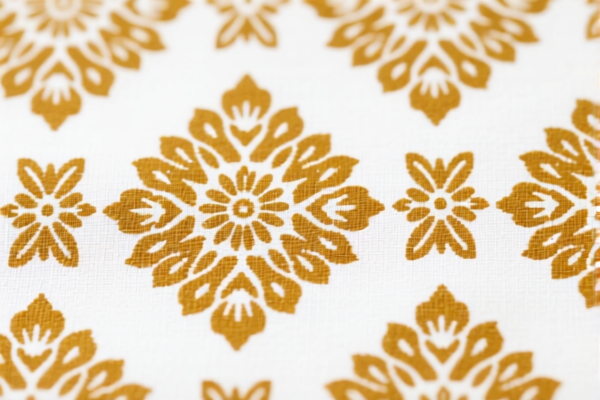
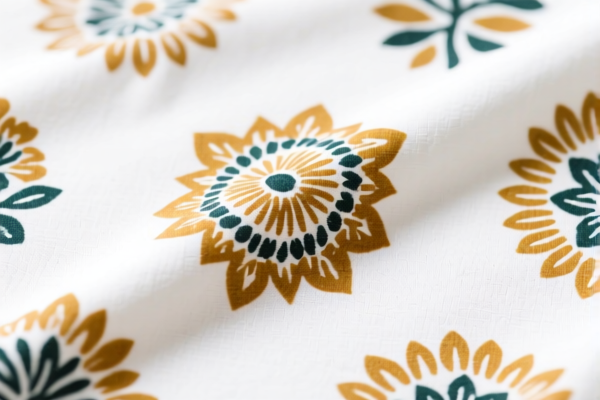
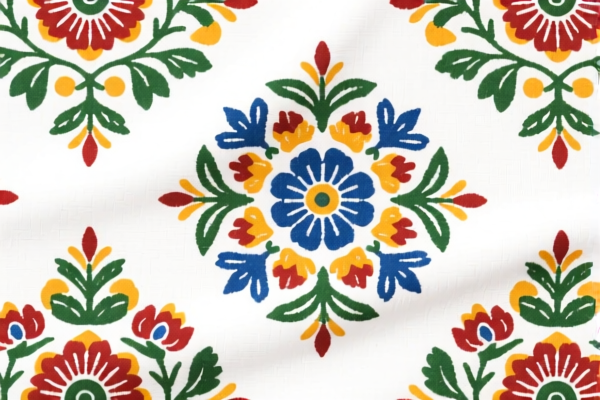
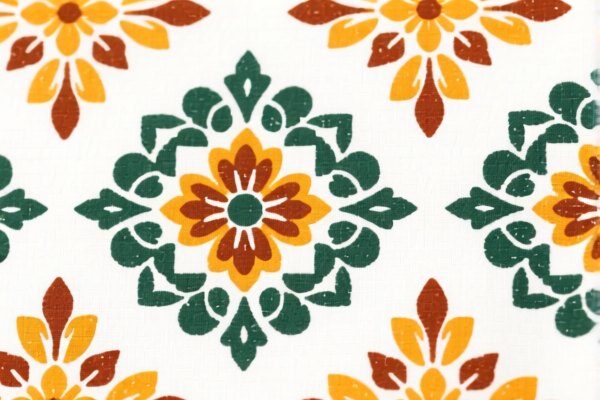
AI分析
🧵 Printed Fabric: The Material Dilemma – Classification & Tariff Shock for US Imports
🌐 HS Code Reference & Customs Clearance Guide | 2026 Latest Tariff Analysis | Professional Clearance Strategy
📌 I. Product Definition & Classification: What Exactly is "Printed Fabric"?
"Printed Fabric" is a generic term that poses a major classification risk in international trade. Under the Harmonized Tariff Schedule (HTS), fabric is not classified by its pattern (print) but by its fiber content (What is it made of?) and weave construction (How is it made?).
Since the input is generic, customs authorities will require you to prove the material composition. The following data covers the 5 most common material types for printed fabrics, each triggering a different HS Code and drastically different Tariff Rates when importing into the United States from China.
⚠️ Critical Distinction:
- Natural Fibers (Wool/Silk/Cotton): Generally higher base duties, but subject to specific "Section 301" additions. - Synthetic Fibers (Polyester): Often have moderate base duties, but still hit by punitive tariffs. - The "122 Clause" Factor: All listed HS codes below are subject to a 10% additional tariff under Section 122 (or similar enforcement mechanisms for specific Chinese goods), ON TOP OF the 301 tariffs.
📦 II. HS Code Classification Matrix (2026 Latest Tariff Rules)
| HS Code | Material Inference | Base Tariff | Section 301 Tariff | Sec. 122 Tariff | Total Effective Rate |
|---|---|---|---|---|---|
5111.90.50.00 |
Wool / Fine Animal Hair (e.g., Wool blend prints) |
7.0% | 25.0% | 10.0% | 42.0% |
5007.20.00.35 |
Silk (e.g., Silk chiffon/organza prints) |
0.0% | 25.0% | 10.0% | 35.0% |
5208.51.60.60 |
Cotton (e.g., Cotton poplin/print) |
11.4% | 25.0% | 10.0% | 46.4% |
5208.52.40.55 |
Cotton / Other Cellulosic (e.g., Cotton sateen/print) |
11.4% | 25.0% | 10.0% | 46.4% |
5407.54.00.20 |
Polyester / Synthetic (e.g., Polyester satin/print) |
14.9% | 7.5% | 10.0% | 32.4% |
🔍 Key Insight:
- Polyester (5407.54.00.20) has the LOWEST total tariff (32.4%) among these options because its base duty is offset by a lower Section 301 rate (7.5% vs 25%). - Cotton (5208.xxxx) is the MOST EXPENSIVE (46.4%) due to a high base duty (11.4%) PLUS the maximum 25% punitive tariff. - Silk (5007.20.00.35) benefits from a 0% base duty, resulting in a moderate 35.0% total, but is often restricted by quality/authentication issues.
💰 III. Tariff Breakdown & Legal Basis (Detailed Analysis)
✅ Applicable Country: United States (US)
✅ Origin: China (CN)
✅ Effective Date: 2025–2026 (Current Enforcement)
🎯 1. The "Cotton Penalty" (5208.51.60.60 & 5208.52.40.55)
- Base Rate: 11.4%
- Section 301 (301 Footnote): +25.0%
- Section 122/Other: +10.0%
- TOTAL: 46.4%
- Legal Path:
USITC:5208.51.60.60→USTR:301-List-3→IEEPA:Section-122 - Why So High? The US protects its domestic textile industry. Cotton imports from China face the harshest combination of base tariffs and punitive measures.
🎯 2. The "Wool Surcharge" (5111.90.50.00)
- Base Rate: 7.0%
- Section 301 (301 Footnote): +25.0%
- Section 122/Other: +10.0%
- TOTAL: 42.0%
- Legal Path:
USITC:5111.90.50.00→USTR:301-List-3→IEEPA:Section-122 - Note: Wool is less common in fast-fashion prints but still heavily taxed if of Chinese origin.
🎯 3. The "Silk Exception" (5007.20.00.35)
- Base Rate: 0.0%
- Section 301 (301 Footnote): +25.0%
- Section 122/Other: +10.0%
- TOTAL: 35.0%
- Legal Path:
USITC:5007.20.00.35→USTR:301-List-3→IEEPA:Section-122 - Note: Even with 0% base duty, the 25% punitive tariff makes it expensive. However, it is cheaper than cotton.
🎯 4. The "Polyester Advantage" (5407.54.00.20)
- Base Rate: 14.9%
- Section 301 (301 Footnote): +7.5% (Lower tier)
- Section 122/Other: +10.0%
- TOTAL: 32.4%
- Legal Path:
USITC:5407.54.00.20→USTR:301-List-3→IEEPA:Section-122 - Why Lower? Polyester (Synthetic) falls under a different 301 sub-list with a lower punitive rate (7.5% vs 25%), making it the most cost-effective synthetic option despite a higher base duty.
🛠️ IV. Customs Clearance Practical Advice (Avoiding Seizure & Delays)
✅ 1. Required Documentation (The "Must-Haves")
| Document | Requirement | Why It Matters |
|---|---|---|
| 🧪 Fiber Content Test Report | MANDATORY | Must be from an accredited lab (e.g., SGS, Intertek) stating exact % of Polyester/Cotton/Wool. Customs will reject "Mixed" claims without specifics. |
| 📝 Commercial Invoice | Detailed Description | Must specify: "Printed Woven Fabric, [Material], Width: [X] inches, Weight: [Y] GSM". Generic "Fabric" will be flagged. |
| 🖼️ Product Photos | High-Res | Show weave structure and print pattern. Helps classify vs. "Knitted" or "Non-woven." |
| 📦 Packing List | Net/Gross Weight | Crucial for calculating duty on weight/volume if applicable. |
| 🏷️ Labeling | Care Labels | USFTC requires permanent care labels. Missing labels = Rejection. |
✅ 2. Classification Strategy: How to Pick the Right HS Code
🔥 The "Material First" Rule
- Step 1: Analyze the Fiber
- If it feels cool/slippery → Likely Polyester (
5407.xxxx). - If it breathes well/static-free → Likely Cotton (
5208.xxxx). - If it’s shiny/luxurious → Likely Silk (
5007.xxxx). -
If it’s warm/woolly → Likely Wool (
5111.xxxx). -
Step 2: Check the Weave
- All listed codes above are Woven fabrics.
-
If it is Knitted (jersey/tricot), the HS codes change completely (Chapters 60 or 61). Do not use the codes above for knits!
-
Step 3: Apply the Tariff Filter
- If cost is the priority → Optimize for Polyester (
32.4%). - If luxury branding is priority → Silk (
35.0%) is acceptable but risky for authenticity. - Avoid Cotton (
46.4%) unless the product margin is very high.
✅ 3. Common Mistakes & Penalties
| ❌ Mistake | ✅ Correct Action | Consequence |
|---|---|---|
| Declaring "Mixed Fiber" without % | Provide lab test report with exact % (e.g., 65% Poly/35% Cotton) | Seizure or Re-inspection (Costs ~$500–$1,000 in storage/demurrage) |
| Confusing Woven vs. Knitted | Verify weave structure under microscope | Wrong Tariff Application (Back-tariff + Penalties) |
| Ignoring "122" or Section 301 | Always add 25% (or 7.5%) + 10% to base rate | Underpayment of Duties (Audits + Interest) |
| Vague Description "Printed Cloth" | Specific: "100% Polyester Woven Printed Fabric, 57" Width" | CBP Detention for missing info |
🌍 V. Global Market Comparison (2026)
| Market | Recommended HS (Polyester Example) | Total Tariff (China Origin) | Notes |
|---|---|---|---|
| 🇺🇸 USA | 5407.54.00.20 |
32.4% | High punitive tariffs. Budget accordingly. |
| 🇨🇳 China | 5407.54.00.20 |
8–10% (Import Duty) | No Section 301. Much cheaper to produce/export to China. |
| 🇪🇺 EU | 5407.54.00.20 |
12% | No Section 301. Standard EU duty. |
| 🇬🇧 UK | 5407.54.00.20 |
12% | Post-Brexit standard duty. |
| 🇨🇦 Canada | 5407.54.00.20 |
17% | No Section 301. |
📌 Conclusion:
The USA is the most expensive market for printed fabrics due to Section 301 + Section 122 tariffs.
Strategy: If your target is the US, consider sourcing Polyester fabrics (lowest total rate of 32.4%) or explore Third-Country Sourcing (Vietnam, Bangladesh) to potentially avoid Section 301 if they qualify for de minimis or origin rules.
📌 VI. Final Checklist for Clearing US Customs
- Lab Test: Get a fiber content report before shipping.
- HS Code Validation: Confirm the code matches the exact fiber % (e.g., 100% Poly vs. Blends).
- Tariff Calculation: Use
Base + 301 + 122formula. - Example: Polyester = 14.9 + 7.5 + 10 = 32.4%.
- Documentation: Ensure Invoice, Packing List, and Bill of Lading are consistent.
- Broker Notification: Inform your customs broker of the specific HS Code and any potential origin issues.
🎯 Pro Tip:
"Fabric is tricky: One thread matters."
A slight change in fiber composition (e.g., from 100% Cotton to 90% Poly/10% Spandex) can shift you from a 46.4% tariff tier to a 32.4% tier. Optimize your material blend strategically!
✨ Professional Clearance Starts with Precision!
💼 Your fabric’s value depends on its fiber. Know your threads, save your dollars.
用户评价
关于 HS 编码归类
协调制度(HS)是由世界海关组织(WCO)制定的国际贸易商品分类标准。全球 200 多个国家采用 HS 系统作为海关关税、贸易统计和进出口监管的基础。
每个 HS 编码遵循以下层级结构:
- 章(2 位)——商品大类(例如:第 84 章:机器和机械设备)
- 品目(4 位)——章内的更具体分类
- 子目(6 位)——国际通用细分,所有 WCO 成员国统一使用
- 本国细分(8-10 位)——各国自行扩展的细分编码,如美国 HTSUS 10 位编码
正确的 HS 编码归类对于顺利通关、准确缴纳关税和遵守贸易法规至关重要。错误归类可能导致海关延误、多缴关税或罚款。
从CN进口到US时,适用的关税税率可能包括:
- 最惠国(MFN)税率——适用于 WTO 成员国的标准关税税率
- 普通税率——适用于无贸易协定国家
- 贸易救济关税——附加关税,如 301 条款(反倾销)、232 条款(国家安全)或反补贴税
本页内容仅供参考。如需正式归类,请咨询当地海关或持牌报关代理。