Printed Satin Lining Fabric
CN → US| HS编码 | 关税税率 | 原产国 | 目的国 | 文档 |
|---|---|---|---|---|
| 5407840040 | 49.9% | CN | US | 官方文档 |
| 5407942050 | 49.9% | CN | US | 官方文档 |
| 5407840040 | 49.9% | CN | US | 官方文档 |
| 5407942050 | 49.9% | CN | US | 官方文档 |
| 5407840040 | 49.9% | CN | US | 官方文档 |
商品图片
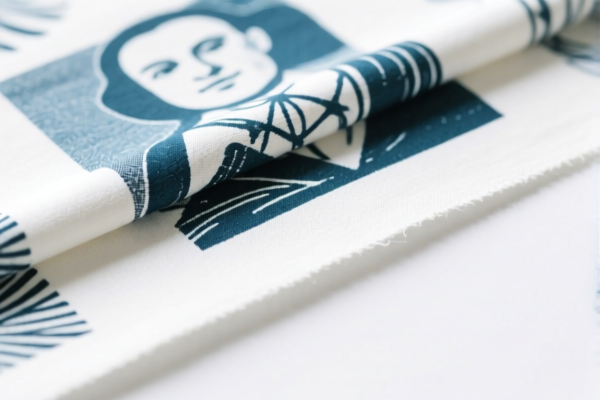
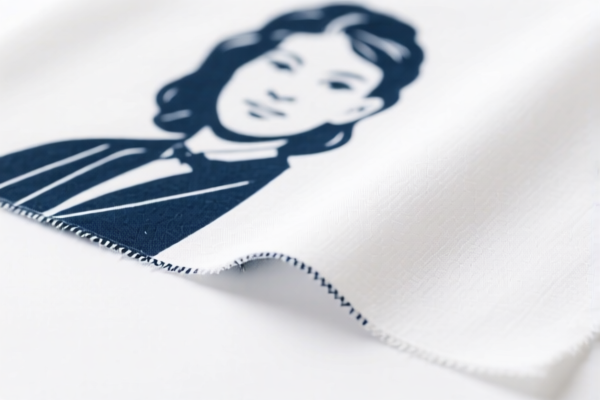
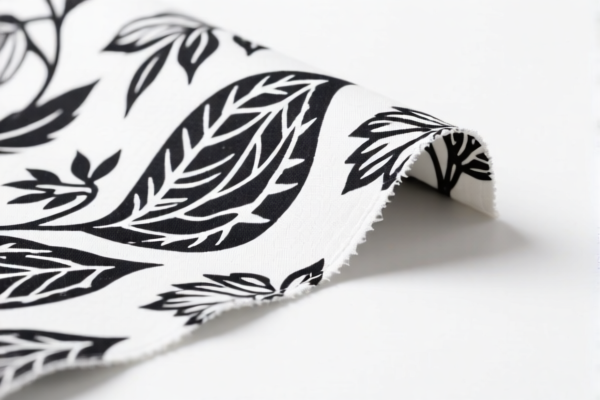
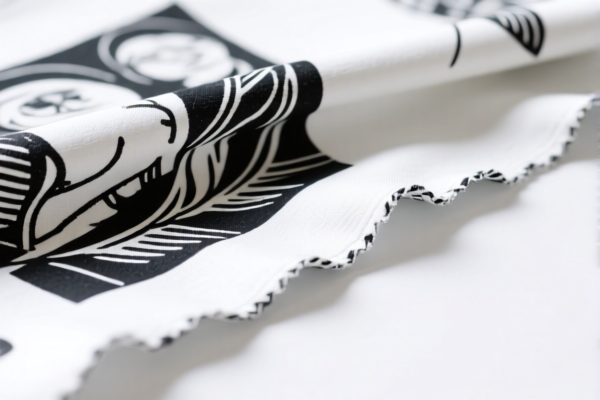
AI分析
🧵 Printed Satin Lining Fabric (缎面印花面料)
🌐 HS Code Reference & Clearance Guide | 2026 Latest Tariff Analysis | Professional Customs Strategy
📌 I. Product Definition & Classification: What is "Printed Satin Lining Fabric"?
Printed Satin Lining Fabric is a high-end textile material primarily used in garment linings, home textiles, and fashion accessories. Its key characteristics include:
- Weave Structure: Satin weave (smooth surface, lustrous appearance).
- Surface Treatment: Printed (using reactive dyes, digital printing, or screen printing).
- Material Composition: Blended fibers, specifically synthetic filaments (e.g., Polyester, Nylon) mixed with Cotton.
- Form: Woven fabric (not knitted).
⚠️ Key Classification Point:
- If the fabric is pure synthetic filament (100% polyester/nylon), it typically falls under 5407.84 or 5407.94.
- If it is a blend of synthetic filaments and cotton, it still falls under Chapter 54 (Synthetic Filament Yarn) but requires precise identification of the synthetic content ratio.
- Crucial Distinction: The term "Lining" indicates the use, but customs classification is based on material, weave, and manufacturing process. "Printed" and "Satin Weave" are critical descriptors.
📦 II. HS Code Classification Details (2026 Latest Tariff Authority)
Based on the provided data, all relevant HS codes for this product attract the same total tax rate of 49.9%. The specific HS codes differ slightly based on the precise fiber blend and summary description.
| HS Code | Product Summary (Chinese) | English Interpretation | Material/Structure Key |
|---|---|---|---|
| 5407.84.00.40 | 缎面印花面料底布,缎纹组织,印花机织物,合成长丝与棉混纺材质 | Satin printed fabric, satin weave, woven, blended synthetic filaments & cotton | Blend (Synthetic + Cotton) |
| 5407.94.20.50 | 缎面印花面料底布,缎纹组织,印花工艺,合成纤维或通用纤维织物 | Satin printed fabric, satin weave, printing process, synthetic fiber fabric | Synthetic (General Synthetic) |
| 5407.84.00.40 | 缎纹印花面料底布,缎纹组织结构,印花用途,机织物形态,符合印花面料类目 | Satin woven fabric, satin structure, printed use, woven form | Blend/General |
| 5407.94.20.50 | 缎纹印花面料底布,缎纹组织结构,印花工艺,织物形态,合成纤维或纤维类材质 | Satin woven fabric, satin structure, printing craft, synthetic fiber material | Synthetic |
| 5407.84.00.40 | 缎纹里料印花织物,活性染料印花,缎纹组织结构,印花织物用途,织物类特征 | Satin lining printed fabric, reactive dye printing, satin structure, printed fabric use | Blend/Reactive Dye |
🔍 Focus Reminder:
- 5407.84.00.40 is used when the fabric is explicitly described as a blend of synthetic filaments and cotton.
- 5407.94.20.50 is used when the fabric is described as synthetic fiber (often implying a higher synthetic content or general synthetic category).
- Both codes fall under Section XI (Textiles) and Chapter 54 (Man-made Filaments).
💰 III. 2026 Latest Tariff Rate Breakdown (Detailed Tax Clauses)
✅ Applicable Country: United States (US)
✅ Country of Origin: China (CN)
✅ Effective Date: Ongoing (Includes subsequent imports post-2025)
For ALL listed HS Codes (5407.84.00.40 and 5407.94.20.50), the tax structure is identical:
🎯 1. Total Tax Rate: 49.9%
| Tax Component | Rate | Description & Legal Basis |
|---|---|---|
| Base Duty (MFN) | 14.9% | Standard Most Favored Nation tariff for woven synthetic filament fabrics (Section 54). |
| Section 301 Tariff | 25.0% | Additional tariff imposed on Chinese goods under US Trade Act Section 301. This is the major cost driver. |
| Section 122 Tariff | 10.0% | Additional tariff under Section 122 (or related executive orders, often grouped with Section 301 in summaries) for specific Chinese textile imports. |
| Total Tax | 49.9% | Sum of Base + 301 + 122. |
📌 Explanation:
- The 14.9% is the standard WTO-bound tariff for synthetic woven fabrics.
- The 25.0% is the Section 301 tariff, which applies to most Chinese-origin textiles and apparel.
- The 10.0% is an additional punitive tariff (Section 122 or similar), bringing the total to nearly 50%.
- No De Minimis Exemption: These goods cannot be shipped via Section 321 (De Minimis) because they are subject to Section 301/122 tariffs. The total value is taxable.
🛠️ IV. Customs Clearance Practical Advice (Pitfall Avoidance Guide)
✅ 1. Required Documentation Checklist
| Document | Mandatory? | Notes |
|---|---|---|
| Commercial Invoice | ✅ Yes | Must clearly state "Printed Satin Fabric", HS Code, and Unit Price. |
| Packing List | ✅ Yes | Include weight, dimensions, and number of rolls. |
| Product Description | ✅ Yes | Detailed description: "Woven fabric, satin weave, printed, blend of synthetic filaments and cotton" (for 5407.84) OR "Synthetic fiber" (for 5407.94). |
| Bill of Lading/Air Waybill | ✅ Yes | Standard shipping document. |
| Certificate of Origin | ⚠️ Recommended | To prove Chinese origin (which triggers the 301/122 tariffs). If not from China, tariffs may be lower. |
| Test Report (Fiber Content) | ✅ Strongly Recommended | To prove the blend ratio (e.g., 65% Polyester, 35% Cotton) to justify 5407.84 vs. 5407.94. Incorrect fiber content leads to misclassification penalties. |
✅ 2. Classification Strategy (Key Mnemonic)
🔥 "Check the Blend: Cotton + Synthetic = 5407.84; Pure Synthetic = 5407.94. Both Pay 49.9%!"
| Scenario | Recommended HS Code | Tax Rate | Why? |
|---|---|---|---|
| Polyester + Cotton Blend | 5407.84.00.40 |
49.9% | "Synthetic filaments and cotton blended" matches the summary. |
| 100% Polyester/Nylon | 5407.94.20.50 |
49.9% | "Synthetic fiber fabric" matches the summary. |
| Misclassification | Wrong Code | 49.9% + Penalties | If you claim 5407.94 but it's a blend, CBP will reclassify and charge the same rate + penalties. |
✅ 3. Special Cases & Handling
| Situation | Handling Advice |
|---|---|
| Small Sample Shipments | Do NOT use De Minimis (Section 321). Even small shipments of Chinese-origin Section 301 goods are subject to the 49.9% tax. Pre-pay duties or use a bonded account. |
| Mixed Containers | If the container has other items, ensure the fabric is separately invoiced to avoid general merchandise rate misapplication. |
| Reactive Dye Printing | Mention "Reactive Dye" in the description if using 5407.84.00.40 as per the data, though it does not change the tax rate. It helps in customs verification. |
| Origin Shifting | If the fabric is woven in Vietnam but printed in China, origin rules apply. Dyeing and Printing (D&P) can change origin. If D&P is done in a non-China country, Section 301/122 may not apply. Consult a customs broker for origin rulings. |
🌍 V. Global Market Clearance Comparison (2026)
| Country/Region | Recommended HS Code | Base Tariff | Additional Tariffs (China Origin) | Total Approx. Rate |
|---|---|---|---|---|
| 🇺🇸 USA | 5407.84.00.40 / 5407.94.20.50 |
14.9% | +301 (25%) + 122 (10%) | 49.9% |
| 🇨🇳 China | 5407.84.00.40 / 5407.94.20.50 |
5.0% - 8.0%* | None | ~5-8% |
| 🇪🇺 EU | 5407.84.00.00 / 5407.94.00.00 |
4.0% - 6.5% | Anti-dumping (if applicable) | ~4-6% |
| 🇬🇧 UK | 5407.84.00.00 / 5407.94.00.00 |
4.0% - 6.5% | None (Post-Brexit) | ~4-6% |
📌 Conclusion:
- USA is the most expensive market for this product due to the 49.9% total tariff.
- EU and UK are significantly cheaper, but watch out for anti-dumping duties on Chinese textiles, which can vary.
- China Domestic: Low tax, no export duties on textiles.
📌 VI. Common Mistakes & Pitfalls (Blood and Tears Lessons)
❌ Mistake 1: Shipping via De Minimis (Section 321) for small samples
👉 Consequence: CBP will detain the package, assess the 49.9% tax on the entire value, plus handling fees. Small shipments are NOT exempt.
❌ Mistake 2: Misclassifying as "Knitted Fabric"
👉 Consequence: Knitted fabrics (Chapter 60) have different duty rates. If it's woven (satin weave is woven), this is misclassification. Penalties + Back Duties.
❌ Mistake 3: Ignoring Fiber Content
👉 Consequence: If you claim 5407.94 (Synthetic) but it contains 30% Cotton, CBP may reclassify to 5407.84. While the tax rate is the same (49.9%), the inconsistency raises red flags and delays customs release.
✅ Correct Practice:
"Satin Woven Fabric, Printed, Blend of 65% Polyester Filament and 35% Cotton, for Garment Lining. HS Code: 5407.84.00.40. Origin: China."
🎯 VII. Conclusion: Professional Declaration Saves Money!
🎯 Remember the Mnemonic:
🔹 "Satin + Printed + Woven = Chapter 54"
🔹 "Blend = 5407.84; Pure Syn = 5407.94"
🔹 "China Origin = 49.9% Tax (14.9 Base + 35 Add-ons)"
🔹 "No De Minimis! Pre-pay or Bond!"
📌 Pro Tip:
If you are exporting large volumes, consider:
1. Origin Planning: Can the fabric be woven in Vietnam or Bangladesh and only printed in China? (Check D&P rules).
2. Advance Ruling: Apply for a CBP Advance Ruling to confirm the HS code and tax liability before shipment.
3. Duty Drawback: If you re-export goods made with this fabric, you may claim duty drawbacks.
📣 Immediate Action:
📞 Contact a US Customs Broker to verify the exact fiber content and finalize the HS code (
5407.84.00.40vs5407.94.20.50).
🚀 Ensure your invoice explicitly states "Section 301/122 Subject" to avoid delays at US Customs.
✨ Professional Clearance, Accurate Classification, Cost Efficiency!
💼 Your profit margin depends on the HS code!
用户评价
关于 HS 编码归类
协调制度(HS)是由世界海关组织(WCO)制定的国际贸易商品分类标准。全球 200 多个国家采用 HS 系统作为海关关税、贸易统计和进出口监管的基础。
每个 HS 编码遵循以下层级结构:
- 章(2 位)——商品大类(例如:第 84 章:机器和机械设备)
- 品目(4 位)——章内的更具体分类
- 子目(6 位)——国际通用细分,所有 WCO 成员国统一使用
- 本国细分(8-10 位)——各国自行扩展的细分编码,如美国 HTSUS 10 位编码
正确的 HS 编码归类对于顺利通关、准确缴纳关税和遵守贸易法规至关重要。错误归类可能导致海关延误、多缴关税或罚款。
从CN进口到US时,适用的关税税率可能包括:
- 最惠国(MFN)税率——适用于 WTO 成员国的标准关税税率
- 普通税率——适用于无贸易协定国家
- 贸易救济关税——附加关税,如 301 条款(反倾销)、232 条款(国家安全)或反补贴税
本页内容仅供参考。如需正式归类,请咨询当地海关或持牌报关代理。