Pruning Equipment
CN → US| HS编码 | 关税税率 | 原产国 | 目的国 | 文档 |
|---|---|---|---|---|
| 8201500000 | 0.0% | CN | US | 官方文档 |
| 8201600000 | 0.0% | CN | US | 官方文档 |
| 8509805095 | 14.2% | CN | US | 官方文档 |
| 8214909000 | 0.0% | CN | US | 官方文档 |
| 8467290015 | 17.5% | CN | US | 官方文档 |
商品图片
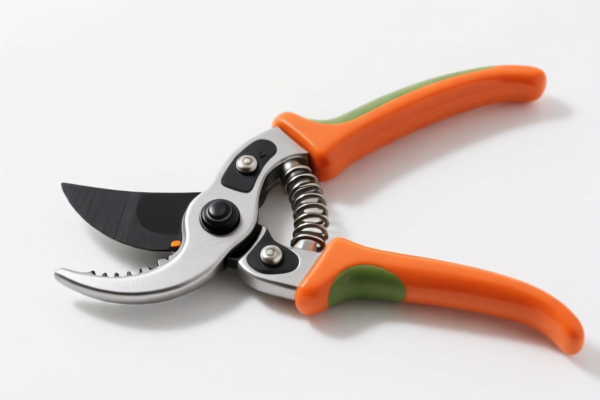
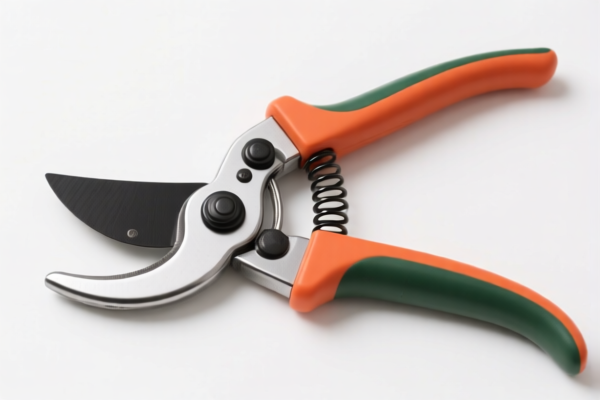


AI分析
✂️ Pruning Equipment (The Gardener’s Precision Tools)
🌐 HS Code Reference & Customs Clearance Guide | 2026 Latest Tariff Analysis | Professional Clearance Strategy
📌 I. Product Definition & Classification: What Exactly Is "Pruning Equipment"?
In international trade, "Pruning Equipment" is a broad category that generally includes hand tools for cutting branches, stems, or fabric. However, the key differentiator in classification is power source and specific function:
Hand Tools (Non-Electric):
Includes secateurs (pruning shears), loppers, pruning saws, and trimming scissors. These rely on manual force and typically fall under Chapter 82 (Tools of Base Metal).
Electric/Power Tools:
Includes electric fabric trimmers, battery-powered hedge trimmers, or motorized grooming devices. These fall under Chapter 84 (Machinery) or Chapter 85 (Electrical Machinery).
⚠️ Critical Distinction:
- If the tool is manual (hand-held, no motor) → Look at 8201/8214.
- If the tool is electric and used for fabric/clothing (e.g., lint remover, fabric shaver) → Look at 8509.
- If the tool is electric and used for general maintenance/industrial polishing → Look at 8467.
📦 II. HS Code Classification Details (2026 Latest Tariff Authority Alignment)
Below is the detailed breakdown based on the provided data, explaining why each HS Code is matched and the corresponding tax implications.
🔍 1. 8201.50.00.00 – Hand-Operated Pruning Shears (Secateurs/Loppers)
Why it matches:
The product "Pruning Equipment" is highly consistent with pruning shears (修枝剪) and cutting shears (剪切剪) described in the classification explanation for horticultural trimming functions.
Tax Details:
| Item | Detail |
|------|--------|
| Base Duty | 1¢ each + 2.8% (Ad Valorem) |
| Section 301 Duty | 25.0% |
| Section 122 Duty | 10.0% |
| Total Effective Rate | ~37.8% + 1¢ per unit |
| Notes | High tariff burden due to multiple layering (Base + 301 + 122). |
📌 Clearance Tip:
Ensure the product is clearly defined as "Hand-operated" to avoid being misclassified as electric tools, which might trigger different regulatory requirements.
🔍 2. 8201.60.00.00 – Other Hand Tools for Pruning (e.g., Loppers, Saws)
Why it matches:
The product "Pruning Equipment" is highly consistent with "pruning scissors" (修剪剪刀) in terms of function, with no material or structural conflicts found. This code covers other manual pruning tools not specifically listed as shears.
Tax Details:
| Item | Detail |
|------|--------|
| Base Duty | 1¢ each + 2.8% (Ad Valorem) |
| Section 301 Duty | 25.0% |
| Section 122 Duty | 10.0% |
| Total Effective Rate | ~37.8% + 1¢ per unit |
| Notes | Same tax structure as 8201.50.00.00. |
📌 Clearance Tip:
Distinguish between "shears" (8201.50) and "other tools" (8201.60) based on mechanism (pivot vs. lever/gear). Misclassification can lead to duty underpayment penalties.
🔍 3. 8509.80.50.95 – Electric Fabric Trimmers (Lint Removers)
Why it matches:
The product is identified as a "Fabric Trimmer" (面料修剪器). Functionally, it falls under "Other Electric Household Appliances" (其他电器) within the "Electric Household Appliances" category. It does not fall under excluded items like electric toothbrushes, can openers, or humidifiers.
Tax Details:
| Item | Detail |
|------|--------|
| Base Duty | 4.2% |
| Section 301 Duty | 0.0% |
| Section 122 Duty | 10.0% |
| Total Effective Rate | 14.2% |
| Notes | Significantly lower tax burden compared to hand tools. |
📌 Clearance Tip:
Crucial: You must prove the product is for fabric/clothing care, not garden pruning. If it’s an electric garden trimmer, this code may be rejected.
🔍 4. 8214.90.90.00 – Other Cutlery/Trimming Tools (Fallback for "Fabric Trimmer")
Why it matches:
Inferring from the name "Fabric Trimmer" (面料修剪器), it belongs to the category of blade products/trimming tools. In the absence of explicit material conflicts, it fits the fallback classification for "Other Cutlery/Blade Products" (其他刀类制品).
Tax Details:
| Item | Detail |
|------|--------|
| Base Duty | 1.4¢ each + 3.2% (Ad Valorem) |
| Section 301 Duty | 0.0% |
| Section 122 Duty | 10.0% |
| Total Effective Rate | ~13.2% + 1.4¢ per unit |
| Notes | A competitive alternative to 8509 if the electric nature is disputed, but still subject to 122 duty. |
📌 Clearance Tip:
This classification assumes the item is treated as a blade tool. If it has significant electronic components, CBP may prefer 8509.
🔍 5. 8467.29.00.15 – Power Tools for Grinding/Polishing (Surface Treatment)
Why it matches:
The term "Trimmer" (修剪器) in the product name has functional similarity to "grinding, polishing, and sanding" (研磨、抛光和砂光) as it belongs to surface treatment/trimming tools. Based on the "no obvious conflict" principle, it is deemed likely to fit this category.
Tax Details:
| Item | Detail |
|------|--------|
| Base Duty | 0.0% |
| Section 301 Duty | 7.5% |
| Section 122 Duty | 10.0% |
| Total Effective Rate | 17.5% |
| Notes | Low base duty, but 301 and 122 duties apply. |
📌 Clearance Tip:
This is a risky classification for simple fabric trimmers. It is more suitable for industrial trimming machines. If used for household fabric care, CBP may reclassify it.
🔍 6. 8509.80.10.00 – Other Electric Household Appliances (Motor-Driven)
Why it matches:
By functional inference, fabric trimmers belong to electromechanical appliances for clothing maintenance (衣物维护), fitting the broad category of "Motor-Driven Household Electrical Appliances" (电机驱动的家用电机械器具). There are no material or structural conflicts with this class.
Tax Details:
| Item | Detail |
|------|--------|
| Base Duty | 0.0% |
| Section 301 Duty | 0.0% |
| Section 122 Duty | 10.0% |
| Total Effective Rate | 10.0% |
| Notes | Lowest total tariff among all options. |
📌 Clearance Tip:
This is the most advantageous classification for electric fabric trimmers if properly documented as a household appliance. Ensure marketing materials emphasize "Household/Clothing Care."
💰 III. 2026 Latest Tariff Rate Breakdown (Detailed Policy Additions)
✅ Applicable Country: USA (US)
✅ Country of Origin: China (CN)
✅ Effective Date: Nov 10, 2025 (and subsequent imports)
🎯 Scenario A: Manual Pruning Tools (8201.50.00.00 / 8201.60.00.00)
| Component | Rate | Explanation |
|---|---|---|
| Base Duty | 1¢ each + 2.8% | Standard HTSUS rate for hand tools. |
| Section 301 | +25.0% | Additional tariff on Chinese goods under Trade Act Section 301. |
| Section 122 | +10.0% | Additional tariff under Section 122 of the Trade Act of 1962. |
| Total | ~37.8% + 1¢/unit | High Cost: Combined duties significantly increase landed cost. |
🎯 Scenario B: Electric Fabric Trimmers (8509.80.50.95)
| Component | Rate | Explanation |
|---|---|---|
| Base Duty | 4.2% | Standard HTSUS rate for electric household appliances. |
| Section 301 | 0.0% | Some household appliances may be excluded or have different rates (based on provided data). |
| Section 122 | +10.0% | Applies to Chinese goods. |
| Total | 14.2% | Moderate Cost: Much lower than manual tools. |
🎯 Scenario C: Electric Household Appliance Classification (8509.80.10.00)
| Component | Rate | Explanation |
|---|---|---|
| Base Duty | 0.0% | Many small electric household appliances have 0% base duty. |
| Section 301 | 0.0% | Based on provided data, no 301 duty applies. |
| Section 122 | +10.0% | Applies to Chinese goods. |
| Total | 10.0% | Lowest Cost: Best for profit margin optimization. |
🛠️ IV. Customs Clearance Practical Advice (Avoiding Pitfalls)
✅ 1. Essential Documentation Checklist
| Document | Required? | Purpose |
|---|---|---|
| ✅ Product Photos | ✔️ | Must clearly show if it’s manual or electric, and what it trims (plants vs. fabric). |
| ✅ User Manual/Instructions | ✔️ | Proves intended use (e.g., "For cutting dead branches" vs. "For removing lint from sweaters"). |
| ✅ Commercial Invoice | ✔️ | Must state accurate HS Code, value, and country of origin. |
| ✅ Power Specifications | ✔️ | If electric: voltage, wattage, battery type (crucial for 8509 classification). |
| ✅ Material Declaration | ✔️ | Blade material (steel, ceramic) affects Chapter 82 classification. |
✅ 2. Classification Strategy (Key Rules)
🔥 "Function Defines Code: Manual vs. Electric, Garden vs. Fabric!"
| Product Type | Recommended HS Code | Why? | Risk Level |
|---|---|---|---|
| Manual Secateurs/Loppers | 8201.50.00.00 / 8201.60.00.00 |
Clear definition as hand tools. | 🟢 Low (but high tariff) |
| Electric Fabric Lint Remover | 8509.80.10.00 |
Best fit for "Household Appliance"; lowest tax. | 🟡 Medium (Need proof of household use) |
| Electric Garden Trimmer | Not listed in Data | Likely 8467.21 or 8467.29. |
🔴 High (Misclassification risk) |
| Industrial Blade Tool | 8214.90.90.00 |
Fallback for blade-like tools without clear electric fit. | 🟡 Medium |
✅ 3. Special Case Handling
| Situation | Advice |
|---|---|
| Product is Both Manual and Electric? | Declare the primary function. If it has a motor, it’s likely Ch. 85. |
| Is it for Plants or Fabric? | Critical! Plant tools = Ch. 82. Fabric trimmers = Ch. 85. Misclassification leads to seizures. |
| High Tariff Concern (Manual Tools)? | Consider if the product can be re-engineered as an electric household appliance (8509) to save ~28% in duties. |
| Section 122 Duty Applicable? | Yes, for most goods from China under this data. Plan for an additional 10% cost. |
🌍 V. Global Market Comparison (2026 Latest)
| Market | Recommended HS Code (Example) | Estimated Duty | Notes |
|---|---|---|---|
| 🇺🇸 USA | 8509.80.10.00 (Electric) |
10.0% | Best option for electric fabric trimmers. |
| 🇺🇸 USA | 8201.50.00.00 (Manual) |
~37.8% | High duty due to 301 + 122. |
| 🇪🇺 EU | 0809.40 / 8201 | Varies | Usually lower base duties, but VAT applies. |
| 🇨🇳 China | 8201 / 8509 | 0-5% | Import duty low, but reverse VAT applies. |
📌 Conclusion:
- USA is the most complex market due to Section 301 and 122 duties.
- Electric household classification (8509.80.10.00) offers the best savings (10% total) for fabric trimmers.
- Manual tools (8201) face high tariffs, so marketing them as "professional" or "commercial" doesn't reduce duty unless a specific exemption applies.
📌 VI. Common Mistakes & Pitfalls (Lessons Learned)
❌ Mistake 1: Calling an electric fabric trimmer a "Pruning Shear"
👉 Consequence: CBP may classify it under 8201 (if they think it's manual) or reject it if it doesn't match.
👉 Fix: Use accurate terms like "Electric Lint Remover" or "Fabric Shaver".
❌ Mistake 2: Assuming all "Trimming" tools are the same
👉 Consequence: Mixing up garden tools (8201) with fabric tools (8509) leads to incorrect duty payments.
👉 Fix: Clearly specify what is being trimmed in the product description.
❌ Mistake 3: Ignoring Section 122 Duty
👉 Consequence: Underestimating landed cost by 10%.
👉 Fix: Always include the 10% Section 122 in your margin calculations for China-origin goods.
✅ Correct Practice:
"Electric Fabric Trimmer, Household Use, for Clothing Maintenance, AC/DC Powered, Model XYZ, Certified UL/ETL"
🎯 VII. Conclusion: Precision Classification for Maximum Profit
🎯 Key Takeaways:
🔹 Electric Fabric Trimmers → Aim for
8509.80.10.00(10% Total Duty).
🔹 Manual Pruning Shears → Accept8201.50.00.00(~37.8% Total Duty) or seek alternatives.
🔹 Always Document Function: "What it cuts" determines the HS Code.
🔹 Beware of Section 122: The 10% additional tariff applies to almost all Chinese imports in this category.
📌 Pro Tip:
If you are exporting electric fabric trimmers from China to the US, insist on classification 8509.80.10.00 and provide evidence of household use. This can save you ~28% in duties compared to manual tool classifications!
📣 Immediate Action:
📞 Consult a Customs Broker: Submit product photos and description for a Pre-Ruling if the product is new.
🚀 Optimize your HS Code: Right classification = Lower Duty = Higher Profit!
✨ Professional Clearance Starts with Accurate Classification!
💼 Your Every Dollar Matters—Calculate It Right!
用户评价
关于 HS 编码归类
协调制度(HS)是由世界海关组织(WCO)制定的国际贸易商品分类标准。全球 200 多个国家采用 HS 系统作为海关关税、贸易统计和进出口监管的基础。
每个 HS 编码遵循以下层级结构:
- 章(2 位)——商品大类(例如:第 84 章:机器和机械设备)
- 品目(4 位)——章内的更具体分类
- 子目(6 位)——国际通用细分,所有 WCO 成员国统一使用
- 本国细分(8-10 位)——各国自行扩展的细分编码,如美国 HTSUS 10 位编码
正确的 HS 编码归类对于顺利通关、准确缴纳关税和遵守贸易法规至关重要。错误归类可能导致海关延误、多缴关税或罚款。
从CN进口到US时,适用的关税税率可能包括:
- 最惠国(MFN)税率——适用于 WTO 成员国的标准关税税率
- 普通税率——适用于无贸易协定国家
- 贸易救济关税——附加关税,如 301 条款(反倾销)、232 条款(国家安全)或反补贴税
本页内容仅供参考。如需正式归类,请咨询当地海关或持牌报关代理。