Pulp Protective Packaging
CN → US| HS编码 | 关税税率 | 原产国 | 目的国 | 文档 |
|---|---|---|---|---|
| 3926909989 | 22.8% | CN | US | 官方文档 |
| 4819400020 | 35.0% | CN | US | 官方文档 |
| 3923210085 | 38.0% | CN | US | 官方文档 |
| 3923290000 | 38.0% | CN | US | 官方文档 |
| 4819502000 | 35.0% | CN | US | 官方文档 |
商品图片
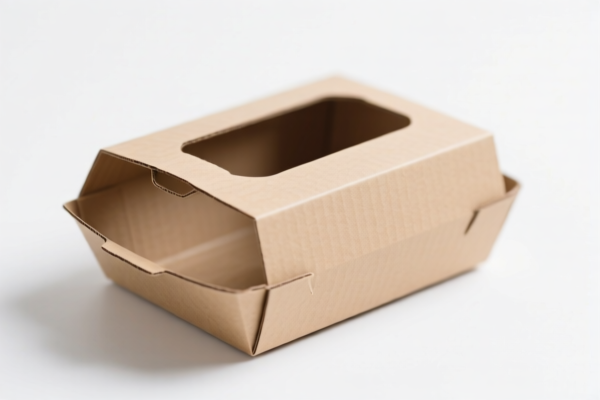
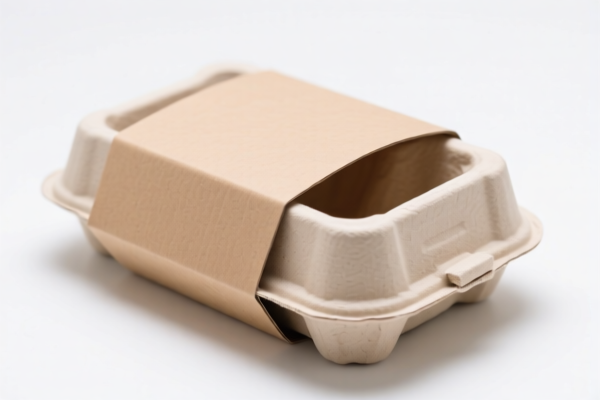
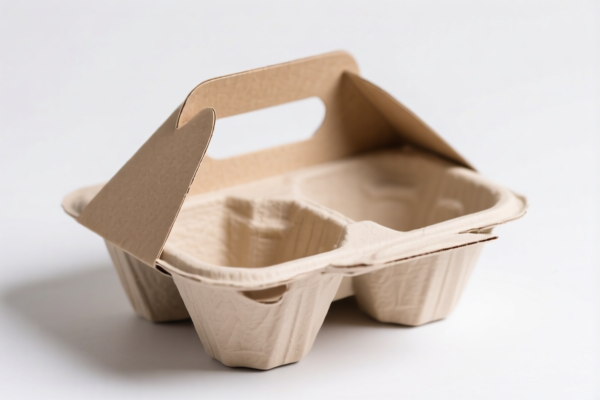
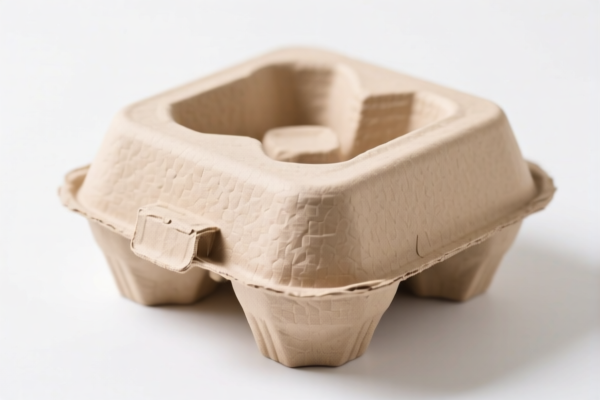
AI分析
📦 Pulp Protective Packaging: HS Code Classification & Customs Clearance Guide
🌐 HS Code Reference & Customs Strategy | 2026 Latest Tariff Analysis | Professional Clearance Protocol
📌 I. Product Definition & Classification: What is "Pulp Protective Packaging"?
Pulp Protective Packaging refers to cushioning and protective materials made primarily from molded pulp (paper fiber), recycled paper, or sometimes plastic-infused paper products. In international trade, these items are classified based on their material composition (plastic vs. paper) and form factor (bag vs. general item).
Key Distinction Points: * Plastic-Based (Polyethylene/PVC, etc.): If the packaging is a flexible bag made of plastic, it falls under Chapter 39 (Plastics). * Paper/Pulp-Based: If the packaging is made of paper, cardboard, or molded pulp, it falls under Chapter 48 (Paper & Paperboard). * Bag vs. Other Form: Plastic bags are specifically classified under 3923, while other plastic items or paper packages may fall under broader headings.
⚠️ Critical Classification Logic: * Material is King: The primary determinant is whether the material is plastic or paper. * Function is Secondary: While "protective" is the function, the HS Code looks at the what (material) and form (bag/item), not just the why (protection).
📦 II. HS Code Classification Matrix (2026 Authorized Codes)
The following HS Codes are derived from the provided data for Pulp Protective Packaging. Note that "Pulp" can be interpreted as either Plastic (if synthetic resin-based) or Paper (if cellulose-based) depending on the specific manufacturing material.
| HS Code | Summary/Description | Tax Rate (Total) | Key Tax Components |
|---|---|---|---|
| 3926.90.99.89 | Other Plastic Articles: Buffer packaging bags, typically plastic, matching general plastic goods characteristics. | 22.8% | Base: 5.3% Section 301: 7.5% Section 301 (122): 10% |
| 4819.40.00.20 | Paper Packages: Matches bag shape and buffer packaging purpose. Paper-based. | 35.0% | Base: 0.0% Section 301: 25.0% Section 301 (122): 10% |
| 3923.21.00.85 | Plastic Sacks/Bags: Bag form, PE/polymer material, for transport/packaging. | 38.0% | Base: 3.0% Section 301: 25.0% Section 301 (122): 10% |
| 3923.29.00.00 | Other Plastic Sacks/Bags: Pouch/packaging form, inferred plastic material. | 38.0% | Base: 3.0% Section 301: 25.0% Section 301 (122): 10% |
| 4819.50.20.00 | Paper Packages: Matches bag shape and buffer purpose, inferred paper/cellulose material. | 35.0% | Base: 0.0% Section 301: 25.0% Section 301 (122): 10% |
🔍 Classification Insight: * If your "pulp" packaging is biodegradable paper/molded pulp, target 4819.40.00.20 or 4819.50.20.00. * If your "pulp" packaging is actually plastic foam or plastic bags (commonly mislabeled as pulp in casual speech), target 3926.90.99.89, 3923.21.00.85, or 3923.29.00.00. * Chapter 48 (Paper) typically has lower base tariffs (0-3%) but faces higher Section 301 surcharges. * Chapter 39 (Plastic) varies significantly: Some plastic bags have 0% base, others 3-5%, but all face high Section 301 fees.
💰 III. Detailed Tariff Breakdown & Legal Basis
✅ Jurisdiction: United States (US)
✅ Origin: China (CN) [Inferred from Section 301/122 clauses]
✅ Applicable Policy: Section 301 Tariffs + Section 301 (China 122)
🎯 Scenario A: Paper-Based Pulp Packaging (HS 48xx)
| Item | Detail |
|---|---|
| HS Code | 4819.40.00.20 or 4819.50.20.00 |
| Base Tariff | 0.0% (Ad Valorem) |
| Section 301 Tariff | +25.0% |
| Section 301 (122) | +10.0% |
| Total Effective Rate | 35.0% |
| Calculation | CIF Value × 35% |
| De Minimis Exemption | ❌ Not Eligible (Section 301 goods are excluded from de minimis) |
| Legal Path | Section 301: 9903.88.01 → Chapter 48 |
📌 Explanation:
Paper packaging benefits from a 0% base rate. However, due to ongoing trade tensions, a flat 35% total tariff applies. This is generally lower than some plastic bag categories (38%).
🎯 Scenario B: Plastic Buffer Bags (HS 3926.90.99.89)
| Item | Detail |
|---|---|
| HS Code | 3926.90.99.89 |
| Base Tariff | 5.3% |
| Section 301 Tariff | +7.5% |
| Section 301 (122) | +10.0% |
| Total Effective Rate | 22.8% |
| Calculation | CIF Value × 22.8% |
| De Minimis Exemption | ❌ Not Eligible |
| Legal Path | Section 301 → Chapter 39 |
📌 Explanation:
This is the most cost-effective classification if your product is indeed plastic. It has the lowest total tax rate (22.8%) among all options. Ensure the product is genuinely plastic and not misclassified paper.
🎯 Scenario C: Plastic Bags (HS 3923.21.00.85 / 3923.29.00.00)
| Item | Detail |
|---|---|
| HS Code | 3923.21.00.85 or 3923.29.00.00 |
| Base Tariff | 3.0% |
| Section 301 Tariff | +25.0% |
| Section 301 (122) | +10.0% |
| Total Effective Rate | 38.0% |
| Calculation | CIF Value × 38.0% |
| De Minimis Exemption | ❌ Not Eligible |
| Legal Path | Section 301 → Chapter 39 (Bags) |
📌 Explanation:
Plastic bags face a steep 38% total tariff. The base rate is low (3%), but the Section 301 surcharge is high (25%). This is the most expensive option if your product is a simple plastic bag.
🛠️ IV. Customs Clearance Practical Advice
✅ 1. Essential Documentation Checklist
| Document | Required? | Purpose |
|---|---|---|
| Commercial Invoice | ✔️ | Must specify material (Paper vs. Plastic) and form (Bag vs. Molded). |
| Packing List | ✔️ | Detail weight, dimensions, and quantity of each package type. |
| Product Specification | ✔️ | Crucial: Explicitly state "Molded Pulp" or "Polyethylene Bag" to determine Chapter 48 vs. 39. |
| Material Certificate | ✔️ | If claiming paper/pulp, provide a certificate of fiber content to justify HS 4819. |
| Photos | ✔️ | Show cross-section or material texture to prove plastic vs. paper. |
✅ 2. Declaration Strategy (Key Mnemonic)
🔥 “Material First, Form Second, Tax Saves!”
| Scenario | Recommended HS Code | Tax Rate | Why? |
|---|---|---|---|
| Real Pulp/Molded Paper | 4819.40.00.20 / 4819.50.20.00 |
35.0% | Lower base tax, but high Section 301. |
| Plastic Buffer Bags | 3926.90.99.89 |
22.8% | Lowest Total Tax. Best for profit if plastic. |
| Plastic Shipping Bags | 3923.21.00.85 / 3923.29.00.00 |
38.0% | Highest tax. Avoid if possible; misclassification risk. |
✅ 3. Critical Warnings & Pitfalls
❌ Mistake 1: Labeling plastic bags as "Pulp" to try to qualify for lower base rates.
👉 Risk: Customs will inspect and reclassify, leading to back taxes, penalties, and shipment delays.
👉 Reality: Paper tariffs (35%) are actually higher than some plastic tariffs (22.8%).
❌ Mistake 2: Ignoring Section 301 (122) Clause.
👉 Risk: All listed HS codes include a 10% additional duty. Failure to declare this results in 10% underpayment + interest.
❌ Mistake 3: Assuming De Minimis ($800) applies.
👉 Risk: Section 301 goods are explicitly excluded from de minimis. All duties must be paid at entry.
✅ Best Practice:
If your product is plastic, use
3926.90.99.89(22.8%) for the lowest cost.
If your product is paper/pulp, use4819.40.00.20(35.0%) or4819.50.20.00(35.0%).
Do not use3923.21/29unless it is strictly a transport sack, as it carries the highest tax (38%).
🌍 V. Global Market Comparison (2026)
| Region | Recommended HS Code | Total Tariff (Approx.) | Notes |
|---|---|---|---|
| 🇺🇸 USA | 3926.90.99.89 |
22.8% | Best option for plastic. |
| 🇺🇸 USA | 4819.40.00.20 |
35.0% | Best option for paper. |
| 🇪🇺 EU | Varies | 0% - 12% | No Section 301. Lower base tariffs. CE marking may apply. |
| 🇨🇳 China | Varies | 0% - 10% | No Section 301. Import duties are lower. |
📌 Conclusion:
The US market is significantly more expensive due to Section 301 tariffs.
Plastic buffer bags (3926.90.99.89) offer the lowest tariff burden (22.8%).
Paper packaging incurs a higher effective rate (35.0%) despite 0% base duty.
📌 VI. Final Recommendation & Action Plan
- Verify Material: Is it truly plastic or paper? This is the single most important decision.
- Select HS Code:
- Plastic →
3926.90.99.89(22.8%) ✅ Preferred for Cost - Paper →
4819.40.00.20(35.0%)
- Plastic →
- Prepare Docs: Highlight material composition in invoice.
- Budget: Factor in 22.8% - 38% total tax + duties + brokerage fees.
- Avoid De Minimis: Plan for full duty payment at border.
🎯 Pro Tip:
“Plastic Bags 22.8, Paper Bags 35, Sacks 38. Choose plastic if you can!”
📣 Immediate Action:
📞 Consult a Customs Broker to confirm material composition.
📄 Request Pre-Ruling from CBP if unsure about plastic vs. paper classification.
🚀 Optimize Supply Chain to use3926.90.99.89for maximum cost efficiency.
✨ Precision Classification, Predictable Costs, Smooth Customs!
💼 Your Packaging Solution, Optimized for Global Trade.
用户评价
关于 HS 编码归类
协调制度(HS)是由世界海关组织(WCO)制定的国际贸易商品分类标准。全球 200 多个国家采用 HS 系统作为海关关税、贸易统计和进出口监管的基础。
每个 HS 编码遵循以下层级结构:
- 章(2 位)——商品大类(例如:第 84 章:机器和机械设备)
- 品目(4 位)——章内的更具体分类
- 子目(6 位)——国际通用细分,所有 WCO 成员国统一使用
- 本国细分(8-10 位)——各国自行扩展的细分编码,如美国 HTSUS 10 位编码
正确的 HS 编码归类对于顺利通关、准确缴纳关税和遵守贸易法规至关重要。错误归类可能导致海关延误、多缴关税或罚款。
从CN进口到US时,适用的关税税率可能包括:
- 最惠国(MFN)税率——适用于 WTO 成员国的标准关税税率
- 普通税率——适用于无贸易协定国家
- 贸易救济关税——附加关税,如 301 条款(反倾销)、232 条款(国家安全)或反补贴税
本页内容仅供参考。如需正式归类,请咨询当地海关或持牌报关代理。