Pulse Generator
CN → US| HS编码 | 关税税率 | 原产国 | 目的国 | 文档 |
|---|---|---|---|---|
| 9030890100 | 35.0% | CN | US | 官方文档 |
| 8543200000 | 35.0% | CN | US | 官方文档 |
| 8543908885 | 85.0% | CN | US | 官方文档 |
商品图片
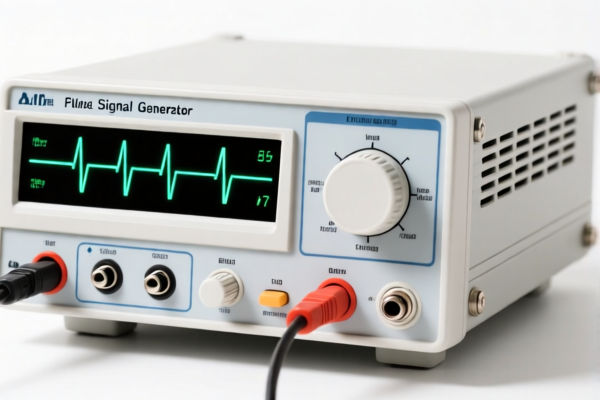
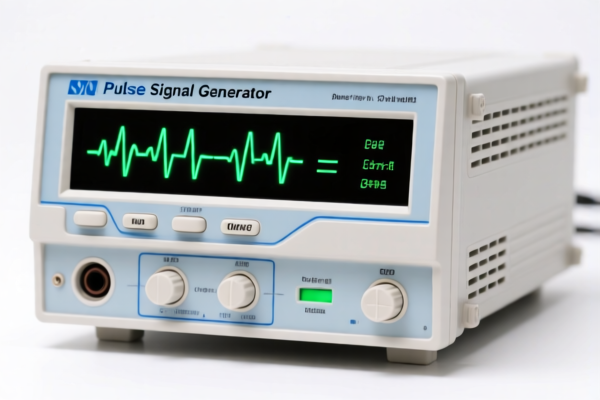
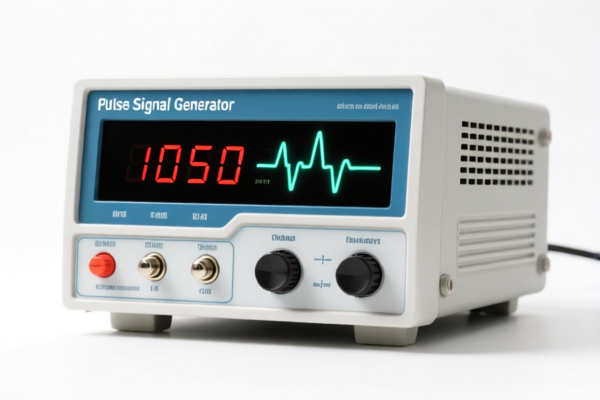
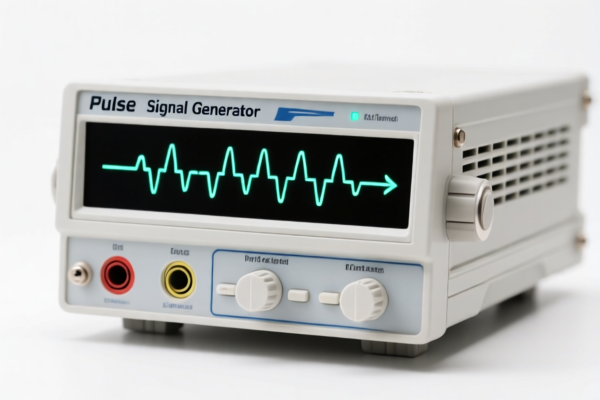
AI分析
⚡ Pulse Generator: HS Code Classification & 2026 US Customs Clearance Guide
🌐 HS Code Reference & Customs Strategy | 2026 Latest Tariff Analysis | Professional Clearance Protocol
📌 I. Product Definition & Classification: What is a "Pulse Generator"?
A Pulse Generator is an electronic device designed to produce electrical pulses (square waves, rectangular waves, etc.) for testing, measurement, or control purposes. In international trade, its classification depends heavily on its primary function and structural integrity:
- As a Measuring/Testing Instrument: If it is used to generate signals for analyzing other electronic circuits (e.g., oscilloscope calibration, circuit board testing), it falls under Chapter 90 (Optical, Photographic, Cinematographic, Measuring, Checking, Precision Instruments).
- As a Signal Generating Apparatus: If it is a standalone functional unit producing specific signal types for general electrical purposes (not strictly "measuring"), it falls under Chapter 85 (Electrical machinery and equipment).
⚠️ Critical Distinction Point:
- If the device is primarily for measuring/checking other devices → HS 9030
- If the device is a general-purpose signal source with independent functionality → HS 8543
📦 II. HS Code Classification Details (2026 Latest Tariff Authority Reference)
Based on the provided data, the Pulse Generator can be classified into three potential HS Codes depending on specific functional attributes.
| HS Code | Product Description | Applicable Scenario | Function Attribute |
|---|---|---|---|
9030.89.01.00 |
Measuring or Checking Instruments / Apparatus (Other) | Used for testing electronic components, signal analysis, lab measurement | ✅ Measuring/Checking |
8543.20.00.00 |
Signal Generators (Other) | General signal generation, waveform output for non-measurement specific tasks | ✅ Signal Generation |
8543.90.88.85 |
Parts/Accessories for Electrical Machines (Other) | If considered a component or standalone unit with independent function not covered elsewhere | ⚠️ Independent Electrical Function / Part |
🔍 Key Reminder:
-9030.89.01.00: Best for lab-grade oscilloscopes, logic analyzers, or test equipment where the primary purpose is verification/measurement.
-8543.20.00.00: Best for general-purpose function generators used in R&D or production lines where the focus is on signal output rather than measurement.
-8543.90.88.85: Use only if the device is classified as a "part" or if its independent function does not fit neatly into standard signal generator categories. Highest tariff risk here.
💰 III. 2026 Latest Tariff Rate Breakdown (Including Surcharges & Policy Add-ons)
✅ Applicable Country: United States (US)
✅ Origin: China (CN)
✅ Effective Time: 2025+ (Current Trade Policy)
🎯 1. 9030.89.01.00 – Measuring/Checking Instruments (Pulse Generator)
| Item | Content |
|---|---|
| Base Tariff | 0.0% |
| Section 301 Surcharge | +25.0% |
| Section 122 Tariff | +10.0% |
| Total Rate | 35.0% |
| Tax Calculation | CIF Value × 35% |
| De Minimis Exemption | ❌ Not Eligible |
| Legal Basis Path | USITC:9030.89.01.00 → Section 301: Footnote 9903.88.01 → Section 122: 10% |
📌 Explanation:
- Pulse generators used for measurement/testing are subject to Section 301 tariffs (25%) and the additional Section 122 tariffs (10%).
- Total Duty: 35%. This is a moderate-to-high tariff rate.
🎯 2. 8543.20.00.00 – Signal Generators
| Item | Content |
|---|---|
| Base Tariff | 0.0% |
| Section 301 Surcharge | +25.0% |
| Section 122 Tariff | +10.0% |
| Total Rate | 35.0% |
| Tax Calculation | CIF Value × 35% |
| De Minimis Exemption | ❌ Not Eligible |
| Legal Basis Path | USITC:8543.20.00.00 → Section 301 → Section 122 |
📌 Explanation:
- Classified as a signal generator, it incurs the same surcharges as measuring instruments.
- Total Duty: 35%. No material conflict applies here.
🎯 3. 8543.90.88.85 – Other Electrical Machines/Parts
| Item | Content |
|---|---|
| Base Tariff | 0.0% |
| Section 301 Surcharge | +25.0% |
| Section 122 Tariff | +10.0% |
| Material Surcharge (Steel/Aluminum/Copper) | +50.0% (If applicable) |
| Total Rate (Standard) | 85.0% |
| Total Rate (Metal Components) | 135.0% |
| Tax Calculation | CIF Value × Total Rate |
| De Minimis Exemption | ❌ Not Eligible |
| Legal Basis Path | USITC:8543.90.88.85 → Section 301 → Section 122 → Material Tariff Add-on |
📌 Warning:
- This classification carries the highest risk.
- If the device contains steel, aluminum, or copper components and is classified under this "other parts" code, an additional 50% may be applied.
- Total Duty: 85% (or 135% with metal surcharge).
- Recommendation: Avoid this classification unless absolutely necessary. It is significantly more expensive than the first two options.
🛠️ IV. Customs Clearance Operational Advice (Practical Pitfall Guide)
✅ 1. Documentation Checklist (Essential)
| Document | Required? | Description |
|---|---|---|
| ✅ Product Specification Sheet | ✔️ | Must detail output type (pulse width, frequency, voltage), input power, and application. |
| ✅ Circuit Diagram/Functional Block Diagram | ✔️ | Crucial to prove whether it is a measuring instrument (Chapter 90) or a signal generator (Chapter 85). |
| ✅ Product Photos (with Nameplate) | ✔️ | Show model number, brand, and input/output ports. |
| ✅ Third-Party Test Reports | ✔️ | FCC (if electronic), CE, RoHS (if applicable). |
| ✅ Commercial Invoice | ✔️ | Clearly state: "Pulse Generator, Model XYZ, for [Measurement/Signal Generation]". Avoid vague terms like "Electronic Device." |
| ✅ Packing List | ✔️ | Detail contents to avoid component-level scrutiny. |
✅ 2. Declaration Strategy (Key Mantras)
🔥 "Function Defines Code, Avoid 'Parts' Trap!"
| Scenario | Correct Declaration | Incorrect Practice |
|---|---|---|
| Lab/Test Equipment | 9030.89.01.00 (35%) |
Misdeclaring as "Part" → 85% |
| General Signal Source | 8543.20.00.00 (35%) |
Over-complicating classification |
| Device with Metal Housing | Still 9030/8543 if functional core is electronic |
Declaring as "Steel Product" → 135% |
| Vague Description ("Electronic Box") | ❌ | Leads to audit, re-classification, and penalties |
✅ 3. Special Case Handling
| Situation | Handling Advice |
|---|---|
| OEM/Custom Pulse Generator | Provide customer design docs. Prove primary function is signal generation or measurement, not a raw component. |
| Device with Steel/Aluminum Case | Ensure HS Code is 9030 or 8543, not a material-based code. The electronic function dominates the classification. |
| Mixed Shipment | If shipping with other electronics, separate pulse generators clearly in invoice and packing list. |
🌍 V. Global Market Clearance Comparison (2026)
| Country/Region | Recommended HS Code | Tariff (China Origin) | Certification Requirements | Notes |
|---|---|---|---|---|
| 🇺🇸 USA | 9030.89.01.00 or 8543.20.00.00 |
35% (Section 301 + 122) | FCC | Avoid 8543.90.88.85 (85%+) |
| 🇨🇳 China | 9030.89.01.00 |
~5-10% | CCC (if applicable) | Lower import duty, no US surcharges |
| 🇪🇺 EU | 9030.89.00 or 8543.70 |
0-4.5% | CE, RoHS | No punitive surcharges like US |
| 🇯🇵 Japan | 9030.89.00 |
0-3% | PSE | Competitive market |
📌 Conclusion:
- The US market is the most expensive due to Section 301 and Section 122 tariffs.
- Accurate classification is critical: Choosing9030or8543.20saves 50%+ compared to the8543.90trap.
📌 VI. Common Errors & Pitfalls (Blood & Tears Lessons)
❌ Error 1: Classifying as 8543.90.88.85 ("Other Parts")
👉 Consequence: Tariff jumps to 85% or 135%.
👉 Fix: Prove it is a functional instrument/generator, not a part.
❌ Error 2: Vague Description "Electronic Tester"
👉 Consequence: Customs may classify under highest duty bracket or require re-classification.
👉 Fix: Use specific terms: "Pulse Generator for Circuit Testing".
❌ Error 3: Ignoring Material Content
👉 Consequence: If classified as a "metal product," surcharges apply.
👉 Fix: Emphasize electronic function over physical material.
✅ Correct Declaration Example:
"Pulse Generator, Model PG-100, Electronic Signal Source for R&D Testing, Output: 1Hz-10MHz, Voltage: 5V DC, Contains FCC Certified Circuitry"
🎯 VII. Conclusion: Precise Classification for Cost Savings
🎯 Remember the Golden Rule:
🔹 "Function First, Function Second, Avoid the 'Part' Trap!"
🔹 "9030/8543.20= 35%.8543.90= 85%+. Choose wisely!"
📌 Pro Tip:
If your pulse generator is used exclusively for medical imaging or telecommunications, check if specific exclusions or different HS codes apply. For general electronics testing, 9030.89.01.00 is often the safest and most accurate classification.
📢 Immediate Action:
📞 Consult a customs broker to confirm if your specific model fits
9030.89.01.00or8543.20.00.00.
🚀 Save 50% in duties by choosing the right HS Code!
✨ Professional Clearance Starts with Accurate Classification!
💼 Every percentage point saved is pure profit!
用户评价
关于 HS 编码归类
协调制度(HS)是由世界海关组织(WCO)制定的国际贸易商品分类标准。全球 200 多个国家采用 HS 系统作为海关关税、贸易统计和进出口监管的基础。
每个 HS 编码遵循以下层级结构:
- 章(2 位)——商品大类(例如:第 84 章:机器和机械设备)
- 品目(4 位)——章内的更具体分类
- 子目(6 位)——国际通用细分,所有 WCO 成员国统一使用
- 本国细分(8-10 位)——各国自行扩展的细分编码,如美国 HTSUS 10 位编码
正确的 HS 编码归类对于顺利通关、准确缴纳关税和遵守贸易法规至关重要。错误归类可能导致海关延误、多缴关税或罚款。
从CN进口到US时,适用的关税税率可能包括:
- 最惠国(MFN)税率——适用于 WTO 成员国的标准关税税率
- 普通税率——适用于无贸易协定国家
- 贸易救济关税——附加关税,如 301 条款(反倾销)、232 条款(国家安全)或反补贴税
本页内容仅供参考。如需正式归类,请咨询当地海关或持牌报关代理。