Pure Biodiesel
CN → US| HS编码 | 关税税率 | 原产国 | 目的国 | 文档 |
|---|---|---|---|---|
| 3826001000 | 39.6% | CN | US | 官方文档 |
| 3826003000 | 41.5% | CN | US | 官方文档 |
| 1516209100 | 0.0% | CN | US | 官方文档 |
| 2710200510 | 0.0% | CN | US | 官方文档 |
| 2710200550 | 0.0% | CN | US | 官方文档 |
| 1516300000 | 0.0% | CN | US | 官方文档 |
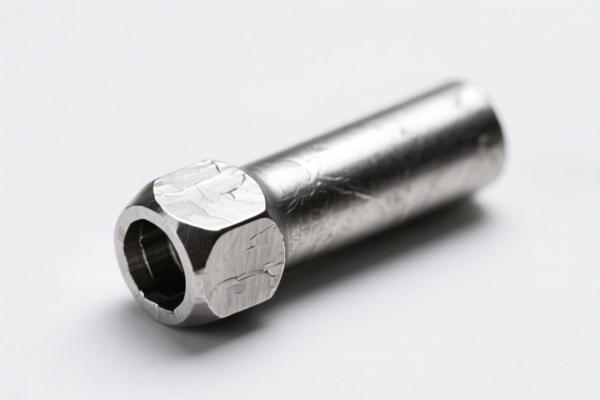
商品图片
AI分析
🛢️ Pure Biodiesel (生物柴油)
🌐 HS Code Reference & Customs Clearance Guide | 2026 Latest Tariff Analysis | Strategic Clearance Strategy
📌 I. Product Definition & Classification: Do You Really Understand "Biodiesel"?
Biodiesel, in the context of international trade and US customs regulations, is not a single monolithic entity. It is a complex fuel and chemical product whose classification depends entirely on its purity, composition (petroleum vs. bio-content), and physical form (liquid fuel vs. chemical derivative).
In the US market, "Pure Biodiesel" is often contested between two main categories: 1. Chemical Product Category: Classified as fatty acid methyl esters (FAME) or animal/vegetable fats/derivatives. 2. Fuel/Oil Category: Classified as a petroleum-based fuel or a blend containing significant petroleum content.
⚠️ Critical Distinction:
- If the product is 100% biological and meets the chemical definition of esters/fats → It may fall under Chapter 38 (Miscellaneous chemical products) or Chapter 15 (Animal/Vegetable Fats & Oils).
- If the product is marketed as a fuel and contains any petroleum fraction or is treated as a fuel oil → It often falls under Chapter 27 (Mineral Fuels & Oils).
- The choice of HS Code dramatically changes the tax burden (from ~40% ad valorem to complex specific duties).
📦 II. HS Code Classification Details (2026 Latest Tariff Authority Comparison)
| HS Code | Product Description | Applicable Scenario | Key Classification Criterion |
|---|---|---|---|
3826.00.10.00 |
Biodiesel, 99% purity, meets biodiesel definition, no/low petroleum oil content | High-purity biofuel, pure FAME | Chemical Definition: Meets ISO 14214 standards for pure biodiesel; negligible petroleum hydrocarbons. |
3826.00.30.00 |
Biodiesel, 99% purity, meets content requirements, no/less than 70% petroleum oil | Standard biodiesel fuel | Content Threshold: Contains <70% petroleum oil; classified under residual biodiesel categories. |
1516.20.91.00 |
Biodiesel as a derivative of fats/oils, belongs to "other" categories in fats & oils | Chemical feedstock, non-fuel grade | Origin-Based: Treated as a refined fat/oil derivative, not primarily as a fuel. |
2710.20.05.10 |
Biodiesel as petroleum oil containing biodiesel, meets fuel oil attribute | Fuel blends, mixed with petroleum | Fuel Attribute: Treated as mineral fuel oil; contains biodiesel but classified under petroleum. |
2710.20.05.50 |
Biodiesel as petroleum oil containing non-waste oil, belongs to petroleum category | Fuel blends, non-waste based | Non-Waste Petroleum: Specifically for non-waste derived biodiesel blends classified as petroleum oils. |
1516.30.00.00 |
Biodiesel as microbial fats & derivatives, meets fat attributes | Industrial chemical use | Microbial Origin: Specifically covers fats derived from microbial sources or refined fats. |
🔍 Key Reminder:
- Chapter 38 (3826): Generally applies to "Pure" biodiesel used as a chemical intermediate or pure fuel. Highest Ad Valorem tax (~40%).
- Chapter 15 (1516): Applies if viewed strictly as a fat/oil derivative. Mixed Duty: Specific ($0.088/kg) + Ad Valorem (~17.5%).
- Chapter 27 (2710): Applies if viewed as a fuel oil/petroleum product. Mixed Duty: Specific ($0.0525/bbl) + Ad Valorem (~35%).
- Do NOT split the shipment: A single tank of biodiesel must be declared under one primary HS code based on its predominant characteristic.
💰 III. 2026 Latest Tariff Rate Details (Including Surcharges & Policy Add-ons)
✅ Applicable Country: United States (US)
✅ Origin: China (CN)
✅ Effective Date: November 10, 2025 onwards (for subsequent imports)
🎯 1. 3826.00.10.00 —— High Purity Biodiesel (Chemical Product)
| Item | Content |
|---|---|
| Base Tariff | 4.6% (ad valorem) |
| Section 301 Surcharge | +25.0% (Trade War Tariff) |
| Section 122 Tariff | +10.0% (Specific China-related surcharge) |
| Total Rate | 39.6% |
| Tax Calculation | CIF Value × 39.6% |
| De Minimis Eligibility | ❌ No (deny_de_minimis) |
| Legal Basis Path | USITC:3826.00.10.00 → FOOTNOTE:301 → IEEPA:122 |
📌 Explanation:
- This is the "purest" classification. Customs views it as a chemical product.
- Total Tax: 39.6%. This is a high ad valorem rate.
- Applicable for biodiesel that strictly meets the chemical definition of FAME without significant petroleum adulteration.
🎯 2. 3826.00.30.00 —— Standard Biodiesel (Content-Based)
| Item | Content |
|---|---|
| Base Tariff | 6.5% (ad valorem) |
| Section 301 Surcharge | +25.0% (Trade War Tariff) |
| Section 122 Tariff | +10.0% (Specific China-related surcharge) |
| Total Rate | 41.5% |
| Tax Calculation | CIF Value × 41.5% |
| De Minimis Eligibility | ❌ No |
| Legal Basis Path | USITC:3826.00.30.00 → FOOTNOTE:301 → IEEPA:122 |
📌 Note:
- Slightly higher base rate than3826.00.10.00due to different sub-category definition (likely residual or less pure).
- Total Tax: 41.5%.
- Used when the product meets biodiesel content requirements but may have different chemical specifications.
🎯 3. 1516.20.91.00 & 1516.30.00.00 —— Fats & Oils Derivatives
| Item | Content |
|---|---|
| Base Tariff | 8.8¢/kg (Specific Duty) + 7.5% (Section 301) |
| Section 122 Tariff | +10.0% (Added to Ad Valorem component) |
| Total Effective Rate | 8.8¢/kg + 17.5% |
| Tax Calculation | ($0.088 × Weight in kg) + (CIF Value × 17.5%) |
| De Minimis Eligibility | ❌ No |
| Legal Basis Path | USITC:1516.20.91.00 → FOOTNOTE:301 → IEEPA:122 |
📌 Explanation:
- This is a Mixed Duty structure.
- Pros: For low-value, high-volume shipments, the specific duty ($0.088/kg) might be lower than a high % ad valorem.
- Cons: For high-value refined biodiesel, the 17.5% ad valorem component plus the specific duty can exceed 40%.
- Requires precise declaration of weight (kg) and value.
🎯 4. 2710.20.05.10 & 2710.20.05.50 —— Petroleum Oil Category (Fuel)
| Item | Content |
|---|---|
| Base Tariff | 5.25¢/bbl (Specific Duty) + 25.0% (Section 301) |
| Section 122 Tariff | +10.0% (Added to Ad Valorem component) |
| Total Effective Rate | 5.25¢/bbl + 35.0% |
| Tax Calculation | ($0.0525 × Volume in barrels) + (CIF Value × 35.0%) |
| De Minimis Eligibility | ❌ No |
| Legal Basis Path | USITC:2710.20.05.10 → FOOTNOTE:301 → IEEPA:122 |
📌 Note:
- Pros: The ad valorem rate is 35.0%, which is lower than the ~40% in Chapter 38.
- Cons: If the biodiesel is marketed as a fuel blend or contains petroleum derivatives, this classification is mandatory.
- Crucial: Must declare volume in barrels (bbl).
- Warning: If you use this code for "Pure" biodiesel but customs determines it lacks petroleum content, you may face penalties for incorrect classification.
🛠️ IV. Customs Clearance Practical Advice (Battle-Tested Pitfall Avoidance)
✅ 1. Documentation Checklist (Non-Negotiable)
| Document | Required | Explanation |
|---|---|---|
| ✅ Certificate of Analysis (COA) | ✔️ | Must detail: % Biodiesel (FAME), % Petroleum Hydrocarbons, Purity, Density, Water Content. |
| ✅ Product Specification Sheet | ✔️ | Clearly state: "Pure Biodiesel B100" vs "Biodiesel Blend". |
| ✅ Commercial Invoice | ✔️ | Must match HS Code description exactly. Avoid vague terms like "Green Fuel". |
| ✅ Bill of Lading | ✔️ | Specify volume (barrels/gallons) and weight (kg/lbs). |
| ✅ Proof of Origin | ✔️ | Critical for determining Section 301/122 applicability. |
| ✅ Safety Data Sheet (SDS) | ✔️ | Required for chemical handling and customs inspection. |
✅ 2. Declaration Tactics (Key Mnemonics)
🔥 "Purity Determines Chapter, Petroleum Determines Tax!"
| Scenario | Correct HS Code | Risk of Misclassification |
|---|---|---|
| Pure B100 (99% FAME), no petroleum | 3826.00.10.00 |
High Tax (39.6%), but accurate. |
| Biodiesel with <70% Petroleum | 3826.00.30.00 |
High Tax (41.5%), requires proof of content. |
| Sold as Chemical Feedstock (Fats/Oils) | 1516.20.91.00 |
Mixed Tax (8.8¢/kg + 17.5%), requires fat/oil narrative. |
| Fuel Blend / Contains Petroleum | 2710.20.05.10 / .50 |
Lower Ad Valorem (35%), but requires petroleum content evidence. |
| Waste Oil Derived Biodiesel | Check Specific Subcodes | Often higher duties or bans; ensure non-waste status for 2710.20.05.50. |
📌 Critical Tip:
- If you declare2710(Fuel) but COA shows 100% FAME, Customs may reclassify to3826and issue a supplemental tax bill + penalty.
- If you declare3826but the product is actually a blend with petroleum, you may be accused of under-declaring tax.
✅ 3. Special Case Handling
| Scenario | Handling Advice |
|---|---|
| Biodiesel from Non-Chinese Origin | If from Brazil, Indonesia, etc., check USMCA or GSP eligibility. Some may qualify for 0% Section 301 tax. |
| Biodiesel for Agricultural Use | May qualify for Exemption Codes if used for specific farming equipment; requires additional permits. |
| Biodiesel for Military/Gov Use | Can apply for Government Purchase Exemption; complex paperwork required. |
| Small Sample Shipments | No De Minimis Exemption. All biodiesel shipments are subject to full duty and inspection, regardless of value. |
🌍 V. Global Main Market Comparison (2026 Latest)
| Country/Region | Recommended HS Code | Tariff Rate | Certification Requirement | Notes |
|---|---|---|---|---|
| 🇺🇸 USA | 3826.00.10.00 |
39.6% | COA, SDS, ISF Filing | Highest tax due to Section 301/122. |
| 🇨🇳 China | 3826.00.10.00 |
~4-5% | CCC (if applicable), CIQ | Lower base tax, but import quotas may apply. |
| 🇪🇺 EU | 1516.90 |
0-6.5% | RED II Compliance, Sustainability Proof | Strict sustainability criteria; anti-dumping duties may apply. |
| 🇬🇧 UK | 3826.00 |
0-3.5% | UK ETS Compliance | Post-Brexit rules; check specific FTAs. |
| 🇯🇵 Japan | 3826.00 |
0% | JIS Standard | No additional surcharges for biodiesel. |
📌 Conclusion:
- The US is the most expensive market for biodiesel due to multiple layers of surcharges (Section 301 + 122).
- Accurate classification is paramount: Choosing the wrong HS Code can result in double taxation (if reclassified) or legal penalties.
- Non-Chinese Origin: If possible, source from countries with Free Trade Agreements (FTAs) with the US to avoid the 35-40% surcharge.
📌 VI. Common Errors & Pitfall Guide (Lessons from Blood & Tears)
❌ Error 1: Declaring "Biodiesel" under 2710 when it is pure FAME.
👉 Consequence: Customs reclassifies to 3826 → Back taxes + 10% penalty.
❌ Error 2: Using "De Minimis" for small shipments.
👉 Consequence: Shipment held, full inspection, potential seizure. Biodiesel is never de minimis eligible for duty-free entry.
❌ Error 3: Ignoring the Section 122 Tariff.
👉 Consequence: Underpaying by 10%. Customs will audit and demand interest + penalties.
❌ Error 4: Inconsistent Volume/Weight declarations.
👉 Consequence: If HS Code 1516 (kg) vs 2710 (bbl) is mixed, customs will delay clearance for re-measurement.
✅ Correct Practice:
"Biodiesel, Fatty Acid Methyl Esters (FAME), B100, 99% Purity, Non-Waste Derived, For Fuel Use. HS Code: 3826.00.10.00. COA Attached."
🎯 VII. Conclusion: Professional Declaration, Save Time, Reduce Costs!
🎯 Remember the Mantra:
🔹 "Pure FAME is Chemical (38), Mixed is Fuel (27), Fat is Oil (15)."
🔹 "No De Minimis, No Exceptions, Pay the 40% or Find an FTA."
🔹 "HS Code Determines Destiny, Tax Differs by 10%, One Mistake Costs Thousands."
📌 Pro Tip:
If your biodiesel is originating from Vietnam, Malaysia, or Brazil, check if it qualifies for USMCA or Other FTAs to eliminate Section 301/122 taxes.
Consider applying for an Advance Ruling from US Customs (CBP) before shipping to lock in your HS Code.
📣 Immediate Action:
📞 Contact a licensed customs broker + Provide Certificate of Analysis (COA) + Apply for HS Code Advance Ruling.
🚀 Ensure your biodiesel clears customs smoothly, escapes high tariffs, and maximizes profit!
✨ Professional Clearance Starts with Precise Classification!
💼 Every cent of your cost deserves precise calculation!
用户评价
关于 HS 编码归类
协调制度(HS)是由世界海关组织(WCO)制定的国际贸易商品分类标准。全球 200 多个国家采用 HS 系统作为海关关税、贸易统计和进出口监管的基础。
每个 HS 编码遵循以下层级结构:
- 章(2 位)——商品大类(例如:第 84 章:机器和机械设备)
- 品目(4 位)——章内的更具体分类
- 子目(6 位)——国际通用细分,所有 WCO 成员国统一使用
- 本国细分(8-10 位)——各国自行扩展的细分编码,如美国 HTSUS 10 位编码
正确的 HS 编码归类对于顺利通关、准确缴纳关税和遵守贸易法规至关重要。错误归类可能导致海关延误、多缴关税或罚款。
从CN进口到US时,适用的关税税率可能包括:
- 最惠国(MFN)税率——适用于 WTO 成员国的标准关税税率
- 普通税率——适用于无贸易协定国家
- 贸易救济关税——附加关税,如 301 条款(反倾销)、232 条款(国家安全)或反补贴税
本页内容仅供参考。如需正式归类,请咨询当地海关或持牌报关代理。