Pure Silicone Mold
CN → US| HS编码 | 关税税率 | 原产国 | 目的国 | 文档 |
|---|---|---|---|---|
| 3926904000 | 12.8% | CN | US | 官方文档 |
| 3926901000 | 20.9% | CN | US | 官方文档 |
| 3926909905 | 22.8% | CN | US | 官方文档 |
商品图片
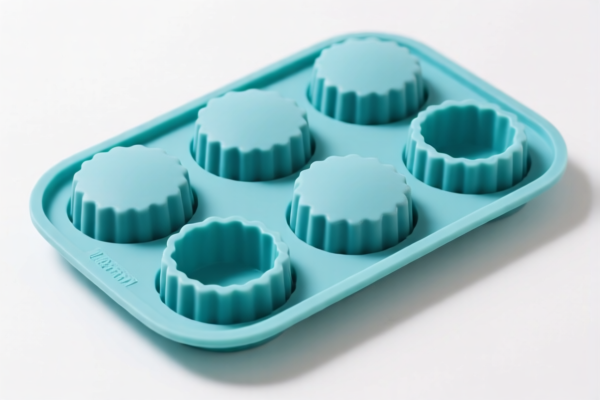
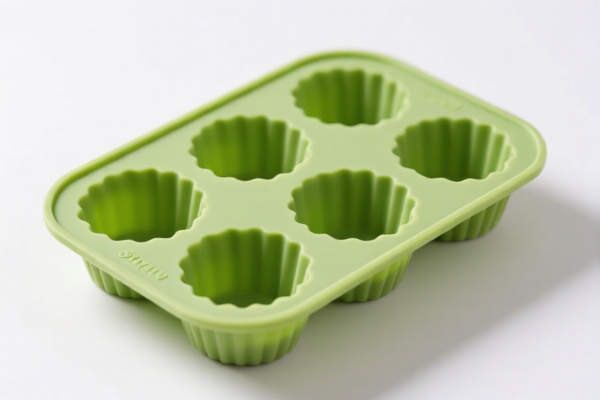
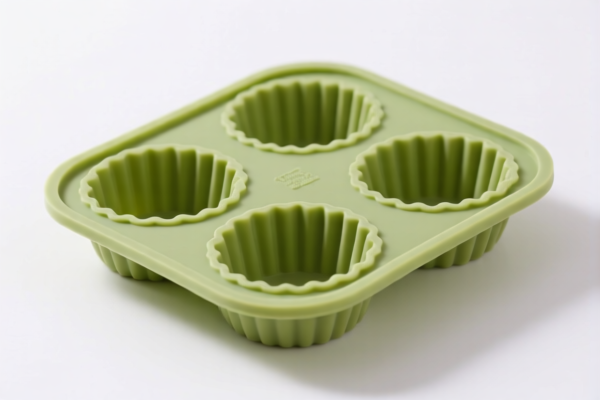

AI分析
🧱 Pure Silicone Mold (Molds for Industrial/Commercial Use)
🌐 HS Code Reference & Customs Clearance Guide | 2026 Latest Tariff Analysis | Professional-Level Strategy
📌 I. Product Definition & Classification: Do You Really Understand "Pure Silicone Mold"?
Silicone molds are versatile tools used in casting, prototyping, and manufacturing. In international trade, they are primarily classified under Chapter 39 (Plastics and Articles Thereof) because silicone (polyorganosiloxane) is technically classified as an artificial plastic/synthetic material. However, classification depends heavily on the specific material composition and intended use as interpreted by customs authorities.
⚠️ Key Distinction Point:
- If classified strictly as a "mold for metals/plastics" made of silicone, it may fall under different subheadings based on the exact HS code interpretation.
- The provided data suggests three possible classifications, all falling under 3926 (Other articles of plastics) due to the material nature.
- Critical Factor: The specific tariff rate varies significantly based on the sub-heading (3926.90.10 vs 3926.90.40 vs 3926.90.99), primarily driven by USITC rulings and Section 301/122 tariffs.
📦 II. HS Code Classification Details (Based on Provided Data)
| HS Code | Product Description | Material/State | Applicable Scenario |
|---|---|---|---|
3926.90.10.00 |
Pure Silicone Mold, Silicone Material (Organosilicon/Synthetic), Mold Form, Classified as Other Plastic Articles. | Pure Silicone (Synthetic) | High-tariff category. Likely interpreted as a specific type of silicone article subject to higher add-on duties. |
3926.90.40.00 |
Pure Silicone Mold, Material Inferred as Plastic/Synthetic, Use as Mold Article, Fits Category of Other Plastic Articles. | Plastic/Synthetic | Lowest tariff option. Suggested for cases where the mold is broadly categorized as a standard plastic mold without specific high-value silicone attributes triggering higher rates. |
3926.90.99.05 |
Silicone Mold, Material as Plastic/Synthetic Rubber, Mold Belongs to Finished Goods/Components, Classified as Other Plastic Articles. | Plastic/Synthetic Rubber | High-tariff category. Broad "other" classification with highest base tariff among the three. |
🔍 Key Reminder:
- All three codes fall under 3926.90 (Other articles of plastics).
- The difference lies in the 8-digit subheading and the resulting Base Tariff (2.8% - 5.3%) and Total Tax (12.8% - 22.8%).
- Section 122 Tariff (10%) applies to all variants listed in the data.
💰 III. 2026 Latest Tariff Rate Details (Including Add-on Taxes)
✅ Applicable Country: United States (US)
✅ Origin: China (CN) (Implied by "122 Tariff" and Section 301 context in tax details)
✅ Validity: Current rates as per provided data
🎯 1. 3926.90.10.00 —— Pure Silicone Mold (High Tariff Variant)
| Item | Content |
|---|---|
| Base Tariff | 3.4% (ad valorem) |
| Add-on Tariff (Section 301) | +7.5% |
| Section 122 Tariff | +10% |
| Total Tax Rate | 20.9% |
| Tax Calculation | CIF Value × 20.9% |
| De Minimis Exemption | ❌ Not Applicable (Section 122 and high base rates typically exclude de minimis) |
| Legal Basis Path | USITC:3926.90.10.00 → Section 301: 7.5% → Section 122: 10% |
📌 Explanation:
- This classification carries a higher base tariff (3.4%) compared to the alternative (2.8%).
- The 7.5% Section 301 duty is a standard trade remedy tariff on Chinese goods.
- The 10% Section 122 tariff is a specific add-on for certain imports, significantly increasing the cost.
- Total effective rate: 20.9%. This is a moderate-to-high burden for plastic articles.
🎯 2. 3926.90.40.00 —— Pure Silicone Mold (Lowest Tariff Variant)
| Item | Content |
|---|---|
| Base Tariff | 2.8% (ad valorem) |
| Add-on Tariff (Section 301) | 0.0% (Exempt or not applicable for this specific subheading) |
| Section 122 Tariff | +10% |
| Total Tax Rate | 12.8% |
| Tax Calculation | CIF Value × 12.8% |
| De Minimis Exemption | ❌ Not Applicable (Section 122 overrides de minimis) |
| Legal Basis Path | USITC:3926.90.40.00 → Section 122: 10% |
📌 Key Insight:
- This is the most cost-effective classification among the three.
- Crucial: The Section 301 tariff is 0%, saving 7.5% compared to the other two codes.
- However, the Section 122 tariff (10%) still applies, so the total is 12.8%, not 2.8%.
- Strategy: If customs allows classification under3926.90.40.00, it offers significant savings.
🎯 3. 3926.90.99.05 —— Silicone Mold (Broad "Other" Category)
| Item | Content |
|---|---|
| Base Tariff | 5.3% (ad valorem) |
| Add-on Tariff (Section 301) | +7.5% |
| Section 122 Tariff | +10% |
| Total Tax Rate | 22.8% |
| Tax Calculation | CIF Value × 22.8% |
| De Minimis Exemption | ❌ Not Applicable |
| Legal Basis Path | USITC:3926.90.99.05 → Section 301: 7.5% → Section 122: 10% |
📌 Explanation:
- This is the least favorable classification.
- Highest base tariff (5.3%) + 7.5% Section 301 + 10% Section 122 = 22.8%.
- Used when the product does not fit more specific subheadings (like 3926.90.10 or 40) but is still a plastic article.
🛠️ IV. Customs Clearance Practical Advice (Real-World Pitfall Avoidance)
✅ 1. Preparation Checklist (All Items Required)
| Document | Required | Notes |
|---|---|---|
| ✅ Product Specification Sheet | ✔️ | Must detail material: "100% Silicone" or "Silicone-Rubber Composite". |
| ✅ Material Safety Data Sheet (MSDS) | ✔️ | To confirm chemical composition and classify as "Plastic/Artificial Rubber". |
| ✅ Product Photos (Clear) | ✔️ | Show mold texture, flexibility, and any labeling. |
| ✅ Commercial Invoice | ✔️ | Description must match HS Code logic: "Silicone Mold, Material: Synthetic Rubber/Silicone". |
| ✅ Packing List | ✔️ | Weight and dimensions must be accurate. |
| ✅ Import License/Customs ID | ✔️ | Standard requirement for US imports. |
✅ 2. Declaration Strategy (Critical Tips)
🔥 "Material First, Tariff Last: Choose 3926.90.40.00 to Save 7.5%!"
| Scenario | Recommended HS Code | Why? | Risk |
|---|---|---|---|
| Standard Silicone Mold | 3926.90.40.00 |
Lowest total tax (12.8%). Avoids Section 301 if eligible. | Customs may challenge if material is deemed "specialty silicone" requiring 3926.90.10. |
| High-Grade/Specialty Silicone | 3926.90.10.00 |
If customs insists on higher base tariff due to material specs. | Higher tax (20.9%). Justify with material certs if needed. |
| Generic/Unspecified Mold | 3926.90.99.05 |
Worst-case scenario. Use only if others are rejected. | Highest tax (22.8%). Avoid if possible. |
📌 Declaration Tip:
- Use precise English descriptions: "Silicone Mold, Made of Synthetic Silicone Rubber, For Industrial Casting Use".
- Avoid vague terms like "Plastic Toy Mold" if it’s industrial, as this may trigger different chapters.
- Highlight Material: Emphasize "Silicone" to ensure it falls under Chapter 39, not Chapter 40 (Rubber) or Chapter 84 (Machinery).
✅ 3. Special Considerations
| Situation | Handling Advice |
|---|---|
| Mixed Shipments | Separate HS Codes clearly. Do not lump 3926.90.40.00 and 3926.90.99.05 together. |
| Section 122 Impact | Note that Section 122 (10%) applies regardless of HS Code. Plan cash flow accordingly. |
| Pre-Ruling | If unsure, apply for a US Customs Ruling before shipment to lock in 3926.90.40.00 status. |
| Origin Marking | Ensure "Made in China" is marked on products. Section 122 and 301 apply to Chinese origin. |
🌍 V. Global Market Comparison (2026)
| Country/Region | Recommended HS Code | Estimated Total Tax (China Origin) | Key Certification | Notes |
|---|---|---|---|---|
| 🇺🇸 USA | 3926.90.40.00 |
12.8% (10% Sec 122 + 2.8% Base) | No specific cert required for molds | Highest tax burden among major markets due to Section 122. |
| 🇨🇳 China | 3926.90.40.00 |
5.3% | None | Standard import duty for plastic articles. |
| 🇪🇺 EU | 3926.90.99 |
6.5% | REACH Compliance | No Section 122 equivalent. Lower base duty. |
| 🇬🇧 UK | 3926.90.99 |
6.5% | UKCA Marking | Post-Brexit rates similar to EU. |
| 🇯🇵 Japan | 3926.90.90 |
6.0% | PSE (if electrical) | Low base duty, no major add-ons. |
📌 Conclusion:
- USA is the most expensive market due to the combination of Section 122 (10%) and potential Section 301 (7.5%).
- EU and Asia offer significantly lower total tariffs (~5-6.5%).
- Strategy for US Market: Push for3926.90.40.00to avoid the 7.5% Section 301 duty.
📌 VI. Common Errors & Pitfall Avoidance (Lessons Learned)
❌ Error 1: Classifying Silicone Mold under Chapter 84 (Machinery)
👉 Consequence: Incorrect classification. Molds made of plastic/silicone are Chapter 39. Misclassification leads to penalties and retroactive duties.
❌ Error 2: Ignoring Section 122 (10%) in cost calculation
👉 Consequence: Underestimating landed cost by 10%. Profit margins vanish.
👉 Fix: Always add 10% for Section 122 if importing from China to US.
❌ Error 3: Using "Rubber" in description but classifying under 3926
👉 Consequence: Customs may reclassify to Chapter 40 (Rubber) if they deem it natural rubber.
👉 Fix: Specify "Synthetic Silicone" or "Artificial Plastic" to anchor it in Chapter 39.
❌ Error 4: Assuming De Minimis ($800) applies
👉 Consequence: Section 122 tariffs do not apply to de minimis exemptions in many contexts, or the total tax exceeds the exemption threshold if combined with other duties.
👉 Fix: Verify de minimis eligibility with your freight forwarder. In this case, with 12.8%-22.8% tax, it’s risky to rely on it.
✅ Correct Approach:
"Pure Silicone Mold, Synthetic Material, HS Code 3926.90.40.00, Origin: China, Subject to 10% Section 122 Tariff."
🎯 VII. Conclusion: Professional Declaration, Save Costs, Ensure Compliance
🎯 Remember the Golden Rule:
🔹 "Silicone = Chapter 39 (Plastic), Not 40 (Rubber)!"
🔹 "Choose 3926.90.40.00 to Save 7.5% on Section 301!"
🔹 "Never Forget the 10% Section 122 Tariff for China Origin!"
📌 Pro Tip:
If you are importing high volumes, apply for an Advance Ruling with US Customs and Border Protection (CBP) to confirm the use of 3926.90.40.00. This provides legal certainty and protects against audits.
📣 Immediate Action:
📞 Contact your Customs Broker: Provide MSDS and photos.
📝 Declare Accurately: Use "Silicone Mold, Synthetic Material".
🚀 Optimize Landed Cost: Target 12.8% total tax by leveraging3926.90.40.00.
✨ Professional Customs Clearance Starts with Accurate Classification!
💼 Every percentage point of tariff saved is pure profit!
用户评价
关于 HS 编码归类
协调制度(HS)是由世界海关组织(WCO)制定的国际贸易商品分类标准。全球 200 多个国家采用 HS 系统作为海关关税、贸易统计和进出口监管的基础。
每个 HS 编码遵循以下层级结构:
- 章(2 位)——商品大类(例如:第 84 章:机器和机械设备)
- 品目(4 位)——章内的更具体分类
- 子目(6 位)——国际通用细分,所有 WCO 成员国统一使用
- 本国细分(8-10 位)——各国自行扩展的细分编码,如美国 HTSUS 10 位编码
正确的 HS 编码归类对于顺利通关、准确缴纳关税和遵守贸易法规至关重要。错误归类可能导致海关延误、多缴关税或罚款。
从CN进口到US时,适用的关税税率可能包括:
- 最惠国(MFN)税率——适用于 WTO 成员国的标准关税税率
- 普通税率——适用于无贸易协定国家
- 贸易救济关税——附加关税,如 301 条款(反倾销)、232 条款(国家安全)或反补贴税
本页内容仅供参考。如需正式归类,请咨询当地海关或持牌报关代理。