Rabbit skin with head
CN → US| HS编码 | 关税税率 | 原产国 | 目的国 | 文档 |
|---|---|---|---|---|
| 4103901190 | 17.5% | CN | US | 官方文档 |
| 4103902000 | 20.8% | CN | US | 官方文档 |
| 4302195500 | 37.7% | CN | US | 官方文档 |
| 4302206000 | 38.5% | CN | US | 官方文档 |
商品图片
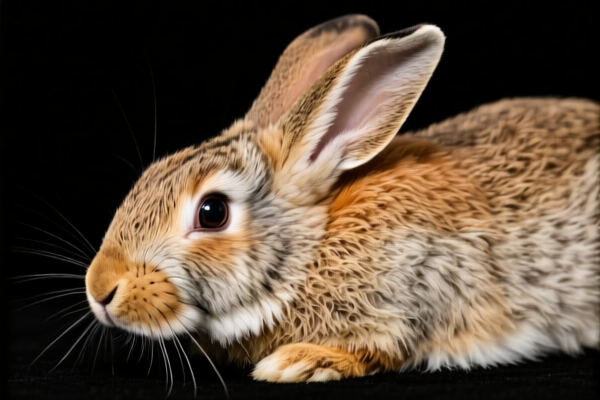
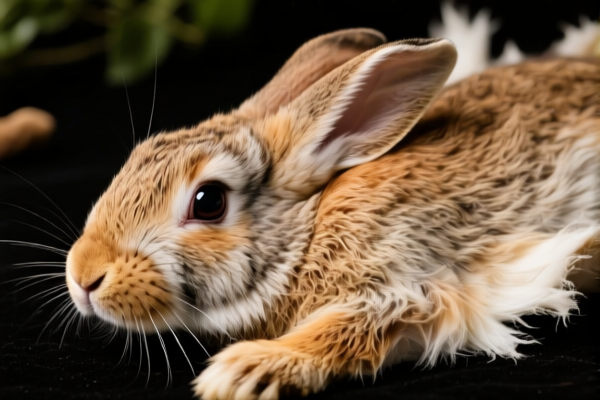
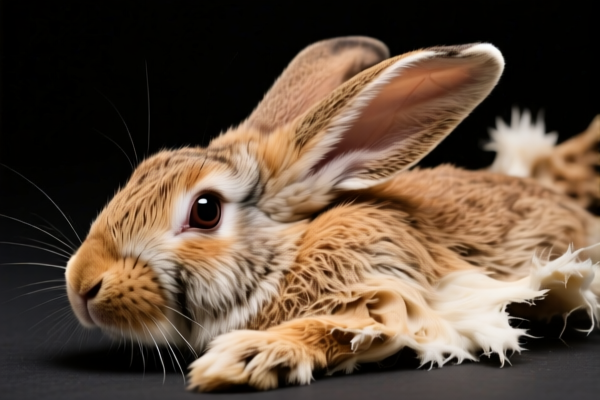
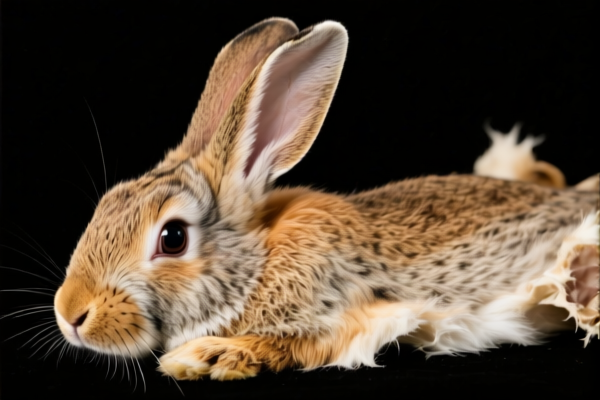
AI分析
🐇 Rabbit Skin with Head (Tanned/Dressed)
🌐 HS Code Reference & Customs Clearance Guide | 2026 Latest Tariff Analysis | Professional Clearance Strategy
📌 I. Product Definition and Classification: Do You Really Understand "Rabbit Skin with Head"?
Rabbit skins, whether whole or partial, are a critical raw material in the fur and leather industry. In international trade, the classification depends heavily on the state of processing (tanned vs. raw) and specific attributes (presence of head, tail, paws, or dyeing status).
Key Distinction: * Raw Skins (Chapter 41): Fresh, salted, dried, limed, or pickled skins, not yet tanned or parchment-dressed. * Tanned/Dressed Skins (Chapter 43): Skins that have undergone tanning or dressing processes, including those assembled (without other materials).
⚠️ Critical Differentiator:
- If the skin is raw/unprocessed (salted/dried) → Classify under Chapter 41.
- If the skin is tanned/dressed (finished fur) → Classify under Chapter 43.
- The presence of the head affects the sub-heading description but does not automatically change the chapter if the processing state remains the same.
📦 II. HS Code Classification Details (2026 Latest Tariff Authority Comparison)
Based on the provided <DATA>, here are the specific HS Codes relevant to Rabbit Skins, distinguishing between raw and tanned states.
| HS Code | Product Description | Applicable Scenario | Processing State |
|---|---|---|---|
4103.90.11.90 |
Other raw hides and skins (fresh, salted, dried, etc.), not pretanned | Raw rabbit skins, whole or split, without head/hair processing details specified in other sub-heads | ❌ Not Tanned |
4103.90.20.00 |
Other raw hides and skins, other, not pretanned | Raw rabbit skins falling under "Other" categories in Chapter 41 | ❌ Not Tanned |
4302.19.55.00 |
Tanned/dressed furskins: Whole skins, not assembled: Of rabbit or hare | Tanned/Dressed whole rabbit skin, including or excluding head/tail/paws (assembled or unassembled) | ✅ Tanned/Dressed |
4302.20.60.00 |
Tanned/dressed furskins: Heads, tails, paws, pieces, not assembled: Other: Not dyed | Tanned/Dressed rabbit heads (with or without skin attached), not dyed | ✅ Tanned/Dressed |
🔍 Key Reminder:
- The user input "Rabbit skin with head" implies a whole skin including the head.
- If Raw: It likely falls under4103.90.11.90or4103.90.20.00depending on specific national sub-classifications for "other" raw skins.
- If Tanned/Dressed: It clearly falls under4302.19.55.00("Whole skins... of rabbit or hare").
- If only the head is tanned/dressed and unassembled, it falls under4302.20.60.00.
💰 III. 2026 Latest Tariff Rate Details (Including Additional Taxes)
✅ Applicable Country: United States (US)
✅ Origin: China (CN)
✅ Effective Date: From November 10, 2025 (and subsequent imports)
🎯 1. 4103.90.11.90 —— Other Raw Hides and Skins (Not Pretanned)
| Item | Content |
|---|---|
| Basic Tariff Rate | 0.0% (Ad Valorem) |
| Section 301 Additional Tariff | +7.5% |
| Total Tariff Rate | 7.5% |
| Tax Calculation | CIF Value × 7.5% |
| De Minimis Exemption | ❌ Not Applicable (Deny De Minimis) |
| Legal Basis Path | USITC:4103.90.11.90 → FOOTNOTE:301 |
📌 Explanation:
- Basic Tariff: 0% for raw hides and skins.
- Additional Tariff: 7.5% is applied under Section 301 for certain Chinese-origin goods.
- Total Cost: Low compared to finished leather goods, but still subject to trade remedies.
🎯 2. 4103.90.20.00 —— Other Raw Hides and Skins (Other)
| Item | Content |
|---|---|
| Basic Tariff Rate | 3.3% (Ad Valorem) |
| Section 301 Additional Tariff | +7.5% |
| Total Tariff Rate | 10.8% |
| Tax Calculation | CIF Value × 10.8% |
| De Minimis Exemption | ❌ Not Applicable |
| Legal Basis Path | USITC:4103.90.20.00 → FOOTNOTE:301 |
📌 Note:
- This code applies to raw skins that do not fit the "Other: Not pretanned" sub-heading of4103.90.11.90.
- Higher base rate (3.3%) leads to a higher total tariff (10.8%).
🎯 3. 4302.19.55.00 —— Tanned/Dressed Rabbit Skins (Whole)
| Item | Content |
|---|---|
| Basic Tariff Rate | 0.0% (Ad Valorem) |
| Section 301 Additional Tariff | 0.0% |
| Total Tariff Rate | 0.0% |
| Tax Calculation | CIF Value × 0% |
| De Minimis Exemption | ❌ Not Applicable (Standard De Minimis rules may apply if value <$800, but tariff is 0 anyway) |
| Legal Basis Path | USITC:4302.19.55.00 |
📌 Explanation:
- Excellent Duty Rate: 0% total tariff.
- Why? Tanned fur skins of rabbits/hares are often exempt from the Section 301 list or have a 0% base rate with no additional penalties in this specific sub-category.
- Key Advantage: Importing tanned rabbit skins is significantly cheaper in terms of tariff than raw skins (0% vs 7.5-10.8%).
🎯 4. 4302.20.60.00 —— Tanned/Dressed Rabbit Heads (Not Dyed)
| Item | Content |
|---|---|
| Basic Tariff Rate | 0.0% (Ad Valorem) |
| Section 301 Additional Tariff | 0.0% |
| Total Tariff Rate | 0.0% |
| Tax Calculation | CIF Value × 0% |
| De Minimis Exemption | ❌ Not Applicable |
| Legal Basis Path | USITC:4302.20.60.00 |
📌 Note:
- If only the head of the rabbit is imported (tanned, not dyed), the tariff is also 0%.
- Ensure the product is explicitly not dyed; if dyed, it may fall under a different sub-heading with potentially different rates (not listed in<DATA>).
🛠️ IV. Customs Clearance Practical Advice (Battle-Tested Pitfall Avoidance)
✅ 1. Required Document Checklist (Non-negotiable)
| Document | Mandatory? | Description |
|---|---|---|
| ✅ Product Specification Sheet | ✔️ | Must specify: Animal species (Oryctolagus cuniculus), Processing State (Raw/Tanned), Presence of Head/Tail/Paws, Dye Status. |
| ✅ Photos (Clear & Detailed) | ✔️ | Must show the whole skin, head attached, and any markings/labels. |
| ✅ Commercial Invoice | ✔️ | Clearly state "Tanned Rabbit Skin with Head" or "Raw Rabbit Skin". Do not use vague terms like "Animal Hide". |
| ✅ Certificate of Origin | ✔️ | Confirm country of origin for Section 301 applicability. |
| ✅ Tanning Certificate (if Tanned) | ✔️ | To prove processing state if challenged by customs. |
| ✅ Packing List | ✔️ | Itemize weights (gross/net) and quantities. |
✅ 2. Declaration Tips (Key Mantras)
🔥 "Raw vs. Tanned, Head or No Head, Name It Right, Save the Bread!"
| Scenario | Correct HS Code | Incorrect Action | Consequence |
|---|---|---|---|
| Raw Rabbit Skin | 4103.90.11.90 or 4103.90.20.00 |
Declare as "Tanned Skin" | Misclassification, potential penalties, delay. |
| Tanned Rabbit Skin (with Head) | 4302.19.55.00 |
Declare as "Raw Skin" | Tax Error! Pay 7.5-10.8% instead of 0%. |
| Tanned Rabbit Head (Not Dyed) | 4302.20.60.00 |
Declare as "Dyed Head" | Misclassification, potential duty increase. |
| Partially Tanned/Untanned Mix | Separate Declarations | Mixed Declaration | High Risk! Customs may inspect all, delay shipment. |
💡 Pro Tip:
- If importing both raw and tanned skins in the same shipment, declare them on separate lines or separate invoices to avoid confusion.
- The phrase "with head" is critical for Chapter 43 under4302.19.55.00(Whole skins) vs.4302.20(Pieces).
✅ 3. Special Handling Cases
| Scenario | Handling Advice |
|---|---|
| Importing for Personal Use (<$800) | De Minimis Exemption: If value <$800, no duty is paid regardless of HS Code (but accurate declaration is still required). |
| Importing for Commercial (> $800) | Must pay applicable duty (0% for tanned, 7.5-10.8% for raw). |
| Dyed Rabbit Skins | Not listed in <DATA>. Likely falls under other sub-headings of 4302. Consult a customs broker for exact rate. |
| Raw Skins with Hair On vs. Hair Off | Ensure description matches the actual state. "Dehaired" vs. "With Hair" can affect sub-heading. |
🌍 V. Global Market Comparison (2026 Latest)
| Country/Region | Recommended HS Code | Tariff (China Origin) | Certification | Notes |
|---|---|---|---|---|
| 🇺🇸 USA | 4302.19.55.00 |
0% | None specific | Best rate for tanned skins. |
| 🇨🇳 China | 4302.19.55.00 |
Varies (Import Duty) | N/A | Export to China may have different rates. |
| 🇪🇺 EU | 4302.19.55.00 |
Varies (CET) | EVC (European Veterinary Certificate) | Strict health regulations for animal products. |
| 🇬🇧 UK | 4302.19.55.00 |
Varies | UK Veterinary Certificate | Post-Brexit rules apply. |
📌 Conclusion:
- USA offers a significant tariff advantage (0%) for tanned rabbit skins.
- Raw skins still incur Section 301 tariffs (7.5-10.8%).
- Tanning in the country of origin before export maximizes tax savings in the US market.
📌 VI. Common Mistakes & Pitfall Guide (Blood Lessons)
❌ Mistake 1: Declaring "Tanned Skin" when it is Raw
👉 Consequence: Underpayment of duty (0% vs 7.5-10.8%) → Penalties + Back Taxes!
❌ Mistake 2: Declaring "Raw Skin" when it is Tanned
👉 Consequence: Overpayment of duty (7.5-10.8% vs 0%) → Lost Profit!
❌ Mistake 3: Vague Description "Animal Skin"
👉 Consequence: Customs inspection, delay, possible reclassification to higher duty rates.
❌ Mistake 4: Ignoring the "With Head" Detail
👉 Consequence: If declared as "Pieces" (4302.20) but actually "Whole Skins" (4302.19), it may trigger additional scrutiny, though rates are similar in this dataset.
✅ Correct Declaration Example:
"Tanned Rabbit Skins, Whole, With Head, Natural Color, Not Dyed, Model RB-001, Origin: China"
🎯 VII. Conclusion: Professional Declaration, Save Time, Maximize Profit!
🎯 Remember the Mantra:
🔹 "Tanned is Free (0%), Raw is Taxed (7.5-10.8%)."
🔹 "With Head? Say 'Whole'. No Head? Say 'Pieces'."
🔹 "HS Code Choice: 0% vs 10.8% is a Huge Difference!"
📌 Pro Tip:
- If you can, tann the skins before export to the US to enjoy the 0% tariff.
- Always provide clear photos and detailed descriptions to avoid customs hold-ups.
- For large shipments, consider Advance Rulings from US Customs to confirm classification.
📣 Take Action Now:
📞 Consult a licensed customs broker.
📸 Take clear photos of the product (head, skin, label).
🚀 Ensure your commercial invoice matches the HS Code exactly.
✨ Professional Clearance Starts with Accurate Classification!
💼 Every Dollar Saved in Tariffs is Pure Profit!
用户评价
关于 HS 编码归类
协调制度(HS)是由世界海关组织(WCO)制定的国际贸易商品分类标准。全球 200 多个国家采用 HS 系统作为海关关税、贸易统计和进出口监管的基础。
每个 HS 编码遵循以下层级结构:
- 章(2 位)——商品大类(例如:第 84 章:机器和机械设备)
- 品目(4 位)——章内的更具体分类
- 子目(6 位)——国际通用细分,所有 WCO 成员国统一使用
- 本国细分(8-10 位)——各国自行扩展的细分编码,如美国 HTSUS 10 位编码
正确的 HS 编码归类对于顺利通关、准确缴纳关税和遵守贸易法规至关重要。错误归类可能导致海关延误、多缴关税或罚款。
从CN进口到US时,适用的关税税率可能包括:
- 最惠国(MFN)税率——适用于 WTO 成员国的标准关税税率
- 普通税率——适用于无贸易协定国家
- 贸易救济关税——附加关税,如 301 条款(反倾销)、232 条款(国家安全)或反补贴税
本页内容仅供参考。如需正式归类,请咨询当地海关或持牌报关代理。