Radiochemical Reagents
CN → US商品图片
AI分析
☢️ Radiochemical Reagents: The Precision Tools of Nuclear Science & Medicine
🌐 HS Code Classification & Customs Clearance Guide | 2026 Latest Tariff Analysis | Strategic Import Strategies
📌 I. Product Definition: What Are "Radiochemical Reagents"?
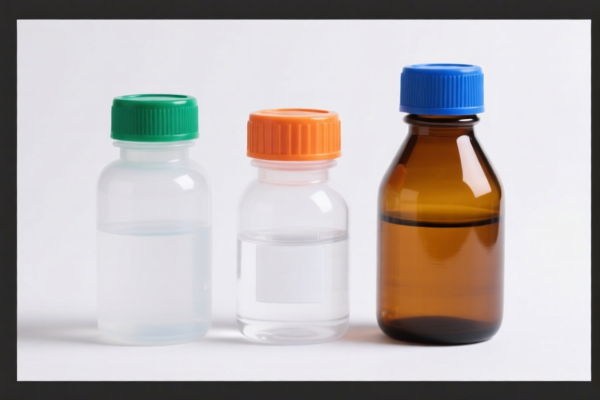
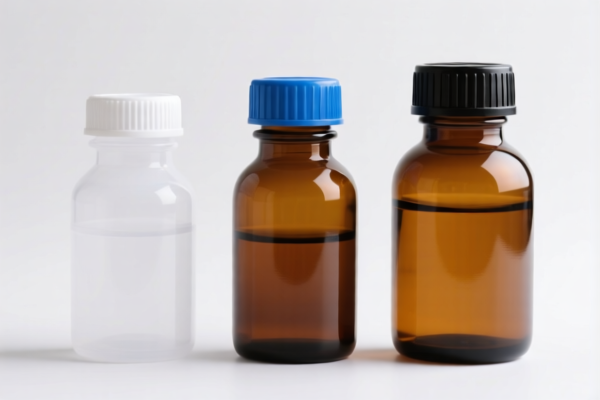
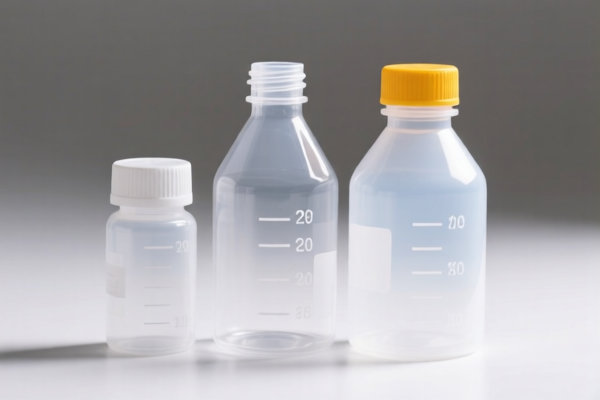
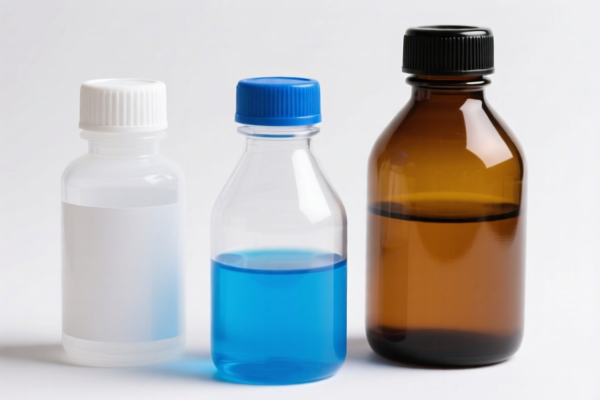
Radiochemical reagents are specialized chemical substances used in the analysis, synthesis, and detection of radioactive materials. They are critical components in nuclear medicine, radiopharmaceutical synthesis, environmental monitoring, and scientific research.
These are not finished radioactive drugs (which are typically classified under Chapter 30 or specific pharmaceutical headings), but rather the chemical precursors, chelating agents, labeling kits, or detection solutions used to prepare or analyze radioisotopes.
⚠️ Critical Distinction:
- Radiochemical Reagents (Chemicals for processing/preparing radioisotopes) → Typically Chapter 28 (Inorganic) or Chapter 29 (Organic) or Chapter 38 (Miscellaneous Chemical Products).
- Radiopharmaceuticals (Ready-to-use drugs for patients) → Typically HS 3004 or 3002.
- Radioactive Sources (Sealed sources for instruments) → Typically HS 9031.
📦 II. HS Code Classification Matrix (2026 Latest Tariff Book)
The classification depends heavily on the chemical nature of the reagent and its intended use. Below are the most common classifications:
| HS Code | Product Description | Typical Examples | Key Classification Criteria |
|---|---|---|---|
| 2833.29 | Sulphates and persulphates (other than alkali or alkaline earth metal sulphates) | Sodium sulphate used in isotope separation | Inorganic chemical, pure grade |
| 2843.30 | Other compounds of precious metals (e.g., silver, gold, platinum) | Silver nitrate, gold chloride used in radiochemical synthesis | Precious metal compound, pure |
| 2903.89 | Halogenated derivatives of hydrocarbons (other) | Chloroform, dichloromethane used as solvents in radiolabeling | Organic solvent, pure grade |
| 2914.69 | Ketones and quinones (other) | Acetone, methyl ethyl ketone (MEK) used in purification | Organic solvent, pure grade |
| 2922.49 | Other amino-alcohols, their ethers, ethers-alcohols and halogenated, sulphonated, nitrated or nitrosated derivatives | Chelating agents (e.g., DTPA, EDTA) for radiolabeling | Organic chelator, pure |
| 2931.00 | Phosphonic acids and their derivatives | Pyrophosphates used in bone imaging agent precursors | Phosphorus organic compound |
| 3822.00 | Diagnostic or laboratory reagents, whether or not on supports; calibrated reagents | Pre-packaged diagnostic kits, labeled detection solutions, assay reagents | Most common for "Reagents": Packaged for diagnostic/lab use |
| 3824.99 | Other prepared binders for foundry moulds or cores; other prepared chemical products | Mixed reagent solutions, non-pre-packaged lab chemicals | Unpackaged mixed chemicals |
🔍 Key Insight:
- If the reagent is pre-packaged for diagnostic or laboratory use (e.g., a vial of chelating agent ready for kit production), it often falls under HS 3822.00.
- If it is a pure chemical (bulk powder/liquid) used as an intermediate, it falls under its specific Chapter 28 or 29 code.
- Do NOT classify as "radioactive materials" unless it contains actual radioisotopes (which are controlled under nuclear regulations, not just customs codes).
💰 III. 2026 Tariff Rate Breakdown (US Imports from China)
✅ Destination: United States (US)
✅ Origin: China (CN)
✅ Effective Date: 2025-11-10 onwards (List 4A & 4B tariffs apply)
🎯 1. HS 3822.00 – Diagnostic/Laboratory Reagents
| Item | Details |
|---|---|
| Base MFN Rate | 5.3% ad valorem |
| Section 301 Tariff | +7.5% (List 4B) |
| Total Duty | 12.8% |
| De Minimis Exemption | ❌ Not Eligible (Radiochemicals may face scrutiny under CBP’s special protocols) |
| Legal Reference | 19 CFR 123.11 (Laboratory Reagents) |
📌 Why 7.5%?
- HS 3822 is included in List 4B of the US-China Tariff Schedule.
- If classified under Chapter 28/29, rates may differ: - HS 2843.30 (Precious metal compounds): Base 0% + 0% (List 4A excluded) → Total 0%
- HS 2922.49 (Amino-alcohols): Base 5.7% + 7.5% → Total 13.2%
🎯 2. HS 2843.30 – Compounds of Precious Metals (e.g., Silver Nitrate)
| Item | Details |
|---|---|
| Base MFN Rate | 0% |
| Section 301 Tariff | 0% (Exempt from List 4A/4B) |
| Total Duty | 0% |
| De Minimis | ❌ Not eligible |
| Note | High scrutiny for dual-use (silver can be used in industrial or military applications) |
🎯 3. HS 2931.00 – Phosphonic Acids
| Item | Details |
|---|---|
| Base MFN Rate | 0% |
| Section 301 Tariff | 7.5% (List 4B) |
| Total Duty | 7.5% |
📌 Summary:
- 0% to 13.2% depending on chemical type.
- Chapter 28/29 pure chemicals often have lower duties than Chapter 38 diagnostic kits.
- Always verify if the chemical is excluded from Section 301 (e.g., certain precious metal compounds).
🛠️ IV. Customs Clearance & Compliance Advice
✅ 1. Documentation Requirements
| Document | Purpose | Notes |
|---|---|---|
| Commercial Invoice | Declare exact chemical name, CAS number, and HS Code | Must match SDS |
| Safety Data Sheet (SDS) | Confirm hazardous properties | Required for customs and carriers |
| Certificate of Analysis (CoA) | Purity level and composition | Crucial for correct HS classification |
| Non-Radioactive Declaration | Confirm no active radioisotopes present | Required if any doubt exists |
| Import License (if applicable) | For dual-use chemicals | Some chemicals (e.g., precursors for radioactive materials) may require DEA or CBP approval |
✅ 2. Classification Strategy
🔥 “Pure Chemical vs. Packaged Reagent” Rule
- If the product is a pure chemical (e.g., 100g of DTPA powder), classify under Chapter 29.
- If the product is a pre-packaged kit (e.g., 5 vials of DTPA + buffer for lab use), classify under HS 3822.00.
- Misclassification Risk: Declaring a packaged kit as a pure chemical to avoid higher duties can lead to audits, fines, and seizure.
✅ 3. Special Considerations for Radiochemicals
| Issue | Advice |
|---|---|
| Dual-Use Restrictions | Some chemicals (e.g., fluorine precursors, phosphorus compounds) may be subject to export controls (EAR/ITAR). Check ECCN codes. |
| Hazardous Materials | If the reagent is flammable, corrosive, or toxic, it may require DOT-compliant packaging and HAZMAT declaration. |
| CBP Scrutiny | Radiochemical reagents may trigger additional screening due to potential dual-use. Provide clear end-use statements. |
| FCC/DEA/ATF | Not typically required for reagents, but if the chemical is a precursor for controlled substances, consult legal counsel. |
🌍 V. Global Market Comparison (2026)
| Country | HS Code | Duty Rate | Certification | Notes |
|---|---|---|---|---|
| 🇺🇸 USA | 3822.00 / 29xx.xx | 0% – 13.2% | SDS, CoA | High scrutiny for dual-use |
| 🇪🇺 EU | 3822.00 / 29xx.xx | 0% – 6.5% | REACH, SDS | REACH registration required for >1 ton/year |
| 🇬🇧 UK | 3822.00 / 29xx.xx | 0% – 6.5% | UK REACH | Post-Brexit regulations apply |
| 🇨🇳 China | 3822.00 / 29xx.xx | 0% – 9% | N/A | Import license may be required for controlled chemicals |
| 🇯🇵 Japan | 3822.00 / 29xx.xx | 0% – 5.5% | JIS, SDS | Strict safety standards |
📌 Conclusion:
- USA has the most complex tariff structure due to Section 301.
- EU/UK focus on environmental and safety regulations (REACH).
- China may require import licenses for certain precursor chemicals.
📌 VI. Common Mistakes & Pitfalls
❌ Mistake 1: Classifying pure chemicals as pharmaceuticals
👉 Consequence: Wrong HS code, delayed clearance, potential penalties.
👉 Fix: Use Chapter 28/29 for pure chemicals; Chapter 30 only for finished drugs.
❌ Mistake 2: Assuming all reagents are tax-exempt
👉 Consequence: Underpayment of duties, fines.
👉 Fix: Check Section 301 list for each HS code.
❌ Mistake 3: Failing to declare dual-use risks
👉 Consequence: Seizure by CBP or BIS.
👉 Fix: Provide clear end-use statement and ECCN classification.
❌ Mistake 4: Mislabeling packaged kits as bulk chemicals
👉 Consequence: Audit, back taxes, and potential fraud allegations.
👉 Fix: Accurately describe product form (bulk vs. pre-packaged).
✅ Best Practice:
“DTPA, Pure Powder, CAS 67-43-6, 99% Purity, For Laboratory Use Only”
🎯 VII. Final Recommendations
- Pre-Ruling: Apply for a CBP Binding Ruling if your product’s classification is uncertain. This provides legal certainty and prevents future disputes.
- SDS Management: Ensure all Safety Data Sheets are up-to-date and match the declared chemical name.
- Dual-Use Screening: Verify if any precursor chemicals require export/import licenses under EAR/ITAR or local regulations.
- Tariff Engineering: If possible, consider importing pure chemicals (lower duty) and packaging them domestically, if feasible and compliant.
- Partner with Experts: Work with customs brokers experienced in chemical imports to navigate complex regulations.
📣 Call to Action
📞 Need Help with Radiochemical Reagent Classification?
🚀 Contact our customs experts today for a free HS Code pre-ruling assessment!
💼 Ensure compliance, minimize duty, and accelerate clearance!
✨ Precision in Classification, Profit in Clearance!
🔬 Your Science Deserves Seamless Global Trade!
用户评价
关于 HS 编码归类
协调制度(HS)是由世界海关组织(WCO)制定的国际贸易商品分类标准。全球 200 多个国家采用 HS 系统作为海关关税、贸易统计和进出口监管的基础。
每个 HS 编码遵循以下层级结构:
- 章(2 位)——商品大类(例如:第 84 章:机器和机械设备)
- 品目(4 位)——章内的更具体分类
- 子目(6 位)——国际通用细分,所有 WCO 成员国统一使用
- 本国细分(8-10 位)——各国自行扩展的细分编码,如美国 HTSUS 10 位编码
正确的 HS 编码归类对于顺利通关、准确缴纳关税和遵守贸易法规至关重要。错误归类可能导致海关延误、多缴关税或罚款。
从CN进口到US时,适用的关税税率可能包括:
- 最惠国(MFN)税率——适用于 WTO 成员国的标准关税税率
- 普通税率——适用于无贸易协定国家
- 贸易救济关税——附加关税,如 301 条款(反倾销)、232 条款(国家安全)或反补贴税
本页内容仅供参考。如需正式归类,请咨询当地海关或持牌报关代理。