Railway Signal Light Glass Lens
CN → US| HS编码 | 关税税率 | 原产国 | 目的国 | 文档 |
|---|---|---|---|---|
| 7014002000 | 40.0% | CN | US | 官方文档 |
| 7014003000 | 38.4% | CN | US | 官方文档 |
| 8530100000 | 35.0% | CN | US | 官方文档 |
| 8530900000 | 35.0% | CN | US | 官方文档 |
| 9013105000 | 22.8% | CN | US | 官方文档 |
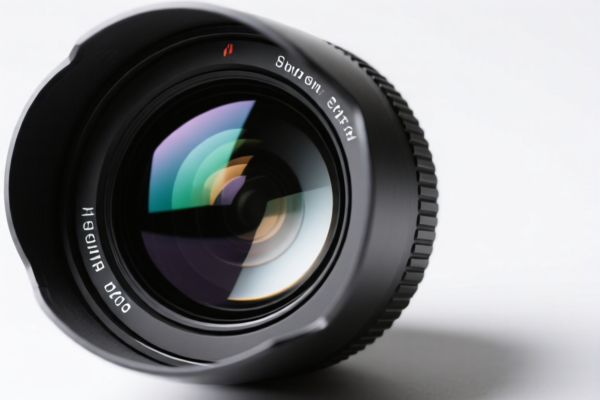
商品图片



AI分析
🚂 Railway Signal Glass Lenses: HS Code Breakdown & 2026 Clearance Strategy
🌐 HS Code Reference & Customs Clearance Guide | 2026 Latest Tariff Analysis | Professional Transit Strategy
📌 I. Product Definition & Classification: Do You Really Understand "Railway Signal Lenses"?
Railway signal glass lenses are critical optical components used in railway signaling systems to filter, focus, or direct light for safety signals. In international trade, their classification depends heavily on material nature, specific function, and whether they are considered standalone optical instruments or parts of electrical signaling equipment.
Key Distinction Points:
- If the lens is a pure optical glass element (no electrical components), it falls under Chapter 70 (Glass) or Chapter 90 (Optical Instruments).
- If the lens is specifically identified as a part of a railway electrical signaling device, it may fall under Chapter 85 (Electrical Machinery/Equipment).
- The intended use (railway vs. general optical) and physical composition drive the HS Code selection.
⚠️ Critical Classification Note:
- Misclassification can lead to significant tariff differences (from 22.8% to 40.0%).
- Customs authorities scrutinize the primary purpose: Is it an "optical component" or a "signal equipment part"?
📦 II. HS Code Classification Details (2026 Latest Tariff Authority Comparison)
Based on the provided data, here are the five possible HS Codes for Railway Signal Light Glass Lenses, along with their tax implications and logical justifications.
| HS Code | Product Description | Logical Justification | Total Tax Rate |
|---|---|---|---|
7014.00.20.00 |
Glass lenses for signal purposes (Optical Elements) | Classified as glass optical elements. Fits "Other" glass optical items. | 40.0% |
7014.00.30.00 |
Glass lenses for railway signals | Classified as glass signal articles/lenses. Specific to railway glassware. | 38.4% |
8530.10.00.00 |
Parts of railway electrical signaling equipment | Classified as a part of railway electrical signaling devices. Material: Glass. | 35.0% |
8530.90.00.00 |
Parts of other railway signaling equipment | Classified as a component of traffic control/electrical signaling systems. | 35.0% |
9013.10.50.00 |
Optical instruments/components (Lenses) | Classified as an optical appliance/component. A "catch-all" for optical devices. | 22.8% |
🔍 Analysis of Classification Logic:
- 7014 Series (Glass): Focuses on the material (glass) and form (lens). Higher tax due to "add-on" tariffs on glass products.
- 8530 Series (Electrical Signaling): Focuses on the functional end-use (railway signaling system). Lower base tax, but still subject to high add-ons.
- 9013 Series (Optical Instruments): Focuses on the optical nature. Lowest total tax (22.8%). However, customs may challenge this if the lens is strictly for railway signaling, arguing it's a "part" of a signaling system (8530) rather than a standalone optical instrument.
💰 III. 2026 Latest Tariff Rate Breakdown (Including Surcharges & Policy Add-ons)
✅ Applicable Country: United States (US)
✅ Origin: China (CN)
✅ Effective Date: November 10, 2025 (and onwards)
🎯 1. 7014.00.20.00 – Glass Optical Elements (Signal Lenses)
| Item | Details |
|---|---|
| Base Tariff | 5.0% |
| Section 301 Add-on | 25.0% |
| Section 122 Add-on | 10.0% |
| Total Rate | 40.0% |
| Calculation | CIF Value × 40% |
| De Minimis Exemption | ❌ Not Eligible (deny_de_minimis) |
| Legal Path | Section 301 → Section 122 → USITC:7014.00.20.00 |
📌 Explanation:
- High tax due to classification as glass products.
- All three tariffs apply: Base, 301 (25%), and 122 (10%).
- Risk: If customs deems this an "optical instrument" rather than "glass," you could save 17.2%.
🎯 2. 7014.00.30.00 – Glass Signal Lenses (Railway Specific)
| Item | Details |
|---|---|
| Base Tariff | 3.4% |
| Section 301 Add-on | 25.0% |
| Section 122 Add-on | 10.0% |
| Total Rate | 38.4% |
| Calculation | CIF Value × 38.4% |
| De Minimis Exemption | ❌ Not Eligible (deny_de_minimis) |
| Legal Path | Section 301 → Section 122 → USITC:7014.00.30.00 |
📌 Explanation:
- Slightly lower base tariff than7014.00.20.00(3.4% vs 5.0%).
- Same high add-ons apply.
- Risk: Still classified under Chapter 70 (Glass), so no significant tax advantage over7014.00.20.00.
🎯 3. 8530.10.00.00 – Parts of Railway Electrical Signaling Equipment
| Item | Details |
|---|---|
| Base Tariff | 0.0% |
| Section 301 Add-on | 25.0% |
| Section 122 Add-on | 10.0% |
| Total Rate | 35.0% |
| Calculation | CIF Value × 35.0% |
| De Minimis Exemption | ❌ Not Eligible (deny_de_minimis) |
| Legal Path | Section 301 → Section 122 → USITC:8530.10.00.00 |
📌 Explanation:
- Lower total tax (35.0%) due to 0% base tariff.
- Classification as a part of electrical signaling equipment avoids higher glass-specific base rates.
- Key: Must prove it is a part of a railway signaling system, not a standalone optical item.
🎯 4. 8530.90.00.00 – Other Parts of Railway Signaling Equipment
| Item | Details |
|---|---|
| Base Tariff | 0.0% |
| Section 301 Add-on | 25.0% |
| Section 122 Add-on | 10.0% |
| Total Rate | 35.0% |
| Calculation | CIF Value × 35.0% |
| De Minimis Exemption | ❌ Not Eligible (deny_de_minimis) |
| Legal Path | Section 301 → Section 122 → USITC:8530.90.00.00 |
📌 Explanation:
- Same tax rate as8530.10.00.00(35.0%).
- Use this if the lens is considered a "other part" not specifically covered by8530.10(which is for specific signaling devices).
- Same risk: Customs must accept it as a signaling equipment part.
🎯 5. 9013.10.50.00 – Other Optical Instruments/Components (Lenses)
| Item | Details |
|---|---|
| Base Tariff | 5.3% |
| Section 301 Add-on | 7.5% |
| Section 122 Add-on | 10.0% |
| Total Rate | 22.8% |
| Calculation | CIF Value × 22.8% |
| De Minimis Exemption | ❌ Not Eligible (deny_de_minimis) |
| Legal Path | Section 301 (lower rate) → Section 122 → USITC:9013.10.50.00 |
📌 Explanation:
- LOWEST TAX RATE (22.8%).
- Significantly lower Section 301 add-on (7.5% vs 25%).
- Major Risk: Customs may argue that a lens specifically for railway signaling belongs in Chapter 85 (Signaling Equipment), not Chapter 90 (Optical Instruments). If challenged, you may face penalties or forced reclassification.
- Strategy: Use this if the lens can be described as a general-purpose optical lens used in railway signals, rather than a specialized signaling part.
🛠️ IV. Customs Clearance Practical Advice (Battle-Proven Pitfall Guide)
✅ 1. Documentation Checklist (Mandatory)
| Document | Required | Notes |
|---|---|---|
| ✅ Product Specification Sheet | ✔️ | Must detail glass type, lens curvature, diameter, and intended use (e.g., "Railway Signal Lens"). |
| ✅ Technical Drawings | ✔️ | Show dimensions and optical properties. |
| ✅ Product Photos | ✔️ | Clear images of the lens, including any markings. |
| ✅ Certificate of Origin (CO) | ✔️ | Essential for applying correct tariff rates. |
| ✅ Commercial Invoice | ✔️ | Clearly state: "Glass Lens for Railway Signal Systems" OR "Optical Lens Component". |
| ✅ Packaging List | ✔️ | Ensure no other unrelated items are mixed. |
✅ 2. Classification Strategy & Declaration Tips
🔥 "Define by Function, Declare by Nature!"
| Scenario | Recommended HS Code | Rationale |
|---|---|---|
| Strictly Railway Signal Part | 8530.10.00.00 or 8530.90.00.00 |
If the lens is custom-made for a specific railway signal system. Lower tax (35%). |
| General Optical Lens (Used in Signals) | 9013.10.50.00 |
If the lens is a standard optical component also used in other devices. Lowest tax (22.8%). High Risk of Challenge. |
| Pure Glass Optical Element | 7014.00.20.00 or 7014.00.30.00 |
If classified as glassware. Highest tax (38.4%-40.0%). Safe but costly. |
⚠️ Warning:
- Do NOT misdeclare a specialized railway lens as a "general optical lens" (9013) without strong technical justification. Customs may audit and impose penalties.
- Do NOT split shipments to avoid de minimis thresholds; all these HS Codes are denied de minimis exemption.
✅ 3. Special Circumstances Handling
| Situation | Recommendation |
|---|---|
| Lenses Used in Multiple Applications | Declare as 9013.10.50.00 if they are standard optics. Provide evidence of other uses. |
| Custom-Made Railway Lenses | Declare as 8530.90.00.00. Provide railway signaling system documentation. |
| Glass Quality Certificates | Provide ISO/ASTM standards for glass purity. May help justify 7014 classification if needed. |
| Pre-Ruling Application | HIGHLY RECOMMENDED. Apply for a Binding Tariff Ruling (BTR) from CBP before shipment. This locks in your HS Code and avoids post-clearance audits. |
🌍 V. Global Market Comparison (2026 Latest)
| Country/Region | Recommended HS Code | Est. Tariff | Notes |
|---|---|---|---|
| 🇺🇸 United States | 9013.10.50.00 |
22.8% | Lowest rate, but high risk. 8530 is safer at 35%. |
| 🇪🇺 European Union | 9013.10.50.00 |
Varies | EU may have different add-ons. Check local customs. |
| 🇨🇳 China | 7014.00.30.00 |
Varies | Domestic tax may apply on export. |
| 🇬🇧 United Kingdom | 9013.10.50.00 |
Varies | Post-Brexit rules may apply. |
📌 Key Insight:
- US is the most complex market due to Section 301 and 122 tariffs.
- Classification choice directly impacts cost by up to 17.2% (22.8% vs 40.0%).
- Proactive documentation and pre-rulings are essential to mitigate risk.
📌 VI. Common Mistakes & Pitfall Avoidance (Blood Lessons)
❌ Mistake 1: Declaring specialized railway lenses as "general optical lenses" (9013) to save tax.
👉 Consequence: Customs audit, reclassification to 8530 or 7014, back taxes + penalties.
❌ Mistake 2: Not providing technical drawings for glass lenses.
👉 Consequence: Customs cannot verify optical properties → Delay in clearance.
❌ Mistake 3: Assuming de minimis exemption applies.
👉 Consequence: All these HS Codes are excluded from de minimis. No tax savings on small shipments.
❌ Mistake 4: Inconsistent product descriptions across documents.
👉 Consequence: Discrepancies between Invoice, Packing List, and Bill of Lading → Hold for inspection.
✅ Correct Approach:
"Railway Signal Glass Lens, Optical Grade, Custom Diameter 50mm, For Use in Railway Traffic Signals, Model RSL-50"
🎯 VII. Conclusion: Precise Classification, Cost Optimization, Risk Mitigation
🎯 Key Takeaways:
🔹 Lowest Tax:
9013.10.50.00(22.8%) – High Risk.
🔹 Safest Mid-Tax:8530.90.00.00(35.0%) – Moderate Risk.
🔹 Highest Tax:7014.00.20.00(40.0%) – Low Risk.
📌 Strategic Recommendation:
1. Apply for a Binding Tariff Ruling (BTR) with US CBP to lock in 9013.10.50.00 or 8530.90.00.00.
2. Maintain detailed technical documentation to support your classification.
3. Do not rely on de minimis – all shipments are subject to full tariffs.
📣 Immediate Action:
📞 Contact a Licensed Customs Broker + Submit BTR Application + Prepare Technical Specs
🚀 Ensure Smooth Customs Clearance, Optimize Costs, and Mitigate Compliance Risks!
✨ Professional Clearance Starts with Accurate Classification!
💼 Every Percent of Tariff Saved is Pure Profit!
用户评价
关于 HS 编码归类
协调制度(HS)是由世界海关组织(WCO)制定的国际贸易商品分类标准。全球 200 多个国家采用 HS 系统作为海关关税、贸易统计和进出口监管的基础。
每个 HS 编码遵循以下层级结构:
- 章(2 位)——商品大类(例如:第 84 章:机器和机械设备)
- 品目(4 位)——章内的更具体分类
- 子目(6 位)——国际通用细分,所有 WCO 成员国统一使用
- 本国细分(8-10 位)——各国自行扩展的细分编码,如美国 HTSUS 10 位编码
正确的 HS 编码归类对于顺利通关、准确缴纳关税和遵守贸易法规至关重要。错误归类可能导致海关延误、多缴关税或罚款。
从CN进口到US时,适用的关税税率可能包括:
- 最惠国(MFN)税率——适用于 WTO 成员国的标准关税税率
- 普通税率——适用于无贸易协定国家
- 贸易救济关税——附加关税,如 301 条款(反倾销)、232 条款(国家安全)或反补贴税
本页内容仅供参考。如需正式归类,请咨询当地海关或持牌报关代理。