Raw Buffalo Leather Semi finished Automotive Interior
CN → US| HS编码 | 关税税率 | 原产国 | 目的国 | 文档 |
|---|---|---|---|---|
| 4113903000 | 38.3% | CN | US | 官方文档 |
| 4106910000 | 38.3% | CN | US | 官方文档 |
| 4113906000 | 36.6% | CN | US | 官方文档 |
| 4104113060 | 12.4% | CN | US | 官方文档 |
商品图片
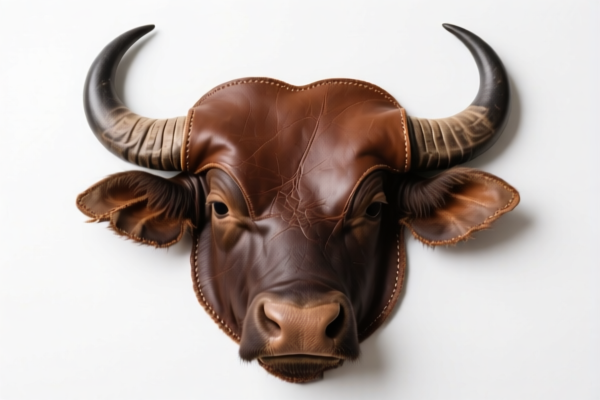
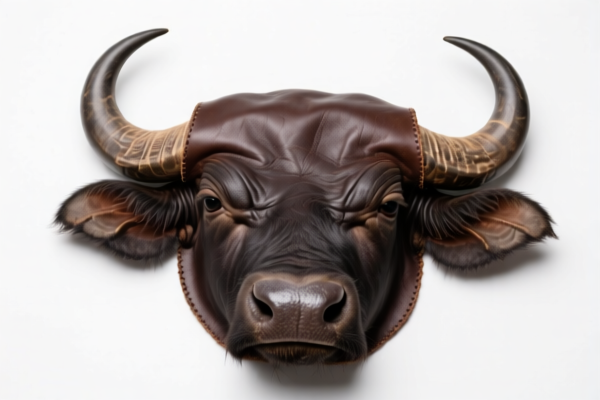
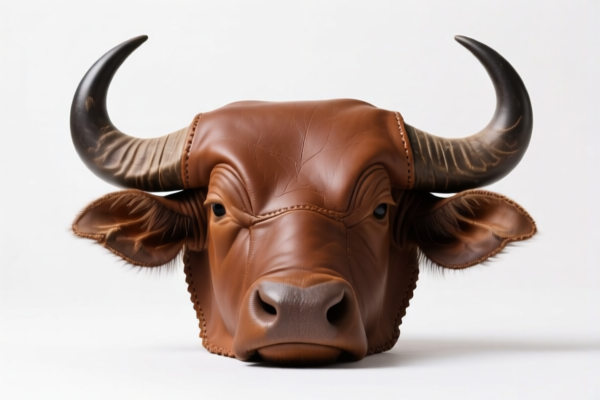
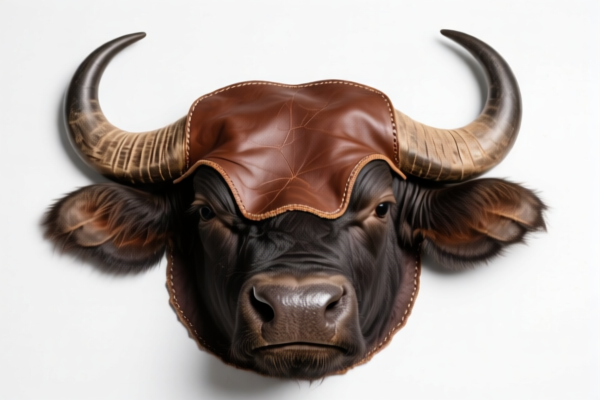
AI分析
🐃 Raw Buffalo Leather Semi-Finished Automotive Interior (Split Leather)
🌐 HS Code Reference & Customs Clearance Guide | 2026 Latest Tariff Analysis | Professional Compliance Strategy
📌 1. Product Definition & Classification: What is "Raw Buffalo Split Leather"?
This product is defined as animal leather (specifically buffalo hide) that has undergone tanning or crude tanning and further processing, but is not yet finished for final consumer use. In the context of automotive interiors, "split leather" (剖层革) refers to leather that has been split horizontally from the grain layer to increase yield. It is classified as "Other Animal Leather" that is "further processed."
⚠️ Key Distinction Points:
- Material: Buffalo hide (Animal Leather).
- State: Semi-finished/Split (Further processed, not raw rawhide, not finished garment leather).
- Conflict Check: Must ensure it is not classified as "Hairy Skin" (which would fall under Chapter 41 heading 4101/4102) or "Finished Leather" for direct apparel use. The data provided indicates it is treated as "Other Animal Leather" (4106/4113) or specific buffalo leather under 4104 depending on the exact processing stage.
📦 2. HS Code Classification Details (2026 Latest Tariff Authority Comparison)
Based on the provided data, there are four potential HS Codes depending on the precise technical definition of "further processing" and specific subheading interpretations for buffalo leather.
| HS Code | Product Description | Matching Logic | Total Tax Rate |
|---|---|---|---|
4113.90.30.00 |
Other animal leather, further processed | Matches "Water Buffalo Leather" (Animal Leather) and "Split Leather" (Further processed). Fits "Other Animal Leather" and "Further Processed". No conflict with fancy leather or hairy skin. | 38.3% |
4106.91.00.00 |
Other hides and skins of bovine, split, not split | Matches "Water Buffalo" (Animal Leather category) and "Split Leather" (Tanned/Crude Tanned characteristics). "Other" category serves as a catch-all. No material or state conflict. | 38.3% |
4113.90.60.00 |
Other/Fancy Animal Leather, further processed | Matches Material (Buffalo) and Form (Split = Further Processed). Fits reasonable scope for "Other/Fancy Leather" categories. No material conflict. | 36.6% |
4104.11.30.60 |
Bovine leather, specifically Buffalo (Other) | Explicitly includes "Buffalo" material and "Leather" form. Although "split" implies processing, the material attribute matches "Buffalo Leather (Other)". No conflict with "non-hairy/unfurther processed" if interpreted broadly as base leather grade. | 12.4% |
🔍 Critical Note:
- Codes4113.90.30.00and4106.91.00.00carry the highest tariffs (38.3%).
- Code4104.11.30.60offers the lowest tariff (12.4%) but requires strict justification that the leather does not fall under "further processed" definitions that push it into Chapter 41 Heading 4113.
- Recommendation: Attempt to argue for4104.11.30.60if the leather is merely split and minimally treated, as it saves significant cost. However, if it is fully tanned and prepared for upholstery, customs may insist on4113or4106.
💰 3. 2026 Latest Tariff Rate Breakdown (Including Additional Duties & Policy Surcharges)
✅ Applicable Country: United States (US)
✅ Country of Origin: China (CN)
✅ Effective Date: November 10, 2025 (including subsequent imports)
🎯 1. 4113.90.30.00 & 4106.91.00.00 —— High-Tariff Classification
| Item | Detail |
|---|---|
| Base Tariff | 3.3% (Standard MFN Rate) |
| Section 301 Additional Tariff | +25.0% (USITC Footnote related to Chinese goods) |
| IEEPA Additional Tariff | +10.0% (Against China/HK products, effective Nov 10, 2025) |
| Total Tax Rate | 38.3% |
| Tax Calculation | CIF Value × 38.3% |
| De Minimis Exemption | ❌ Not Eligible (deny_de_minimis) |
| Legal Basis Path | USITC:4113.90.30.00 / USITC:4106.91.00.00 → IEEPA:9903.01.25 → SECTION301 |
📌 Explanation:
- The 25% is the standard Section 301 tariff on Chinese leather goods.
- The 10% is the new IEEPA surcharge effective late 2025.
- Total 38.3% makes these codes very expensive for automotive suppliers.
🎯 2. 4113.90.60.00 —— Medium-Tariff Classification
| Item | Detail |
|---|---|
| Base Tariff | 1.6% (Preferential/Lower Base Rate for this subheading) |
| Section 301 Additional Tariff | +25.0% |
| IEEPA Additional Tariff | +10.0% |
| Total Tax Rate | 36.6% |
| Tax Calculation | CIF Value × 36.6% |
| De Minimis Exemption | ❌ Not Eligible |
| Legal Basis Path | USITC:4113.90.60.00 → IEEPA:9903.01.25 → SECTION301 |
📌 Note:
- Slightly cheaper than4113.90.30.00due to a lower base rate (1.6% vs 3.3%).
- Still subject to heavy penalties.
🎯 3. 4104.11.30.60 —— STRATEGIC LOW-TARIFF OPTION
| Item | Detail |
|---|---|
| Base Tariff | 2.4% |
| Section 301 Additional Tariff | 0.0% (Potentially exempt or lower category depending on specific 301 list updates for this subheading) |
| IEEPA Additional Tariff | +10.0% |
| Total Tax Rate | 12.4% |
| Tax Calculation | CIF Value × 12.4% |
| De Minimis Exemption | ❌ Not Eligible (Generally leather goods are denied) |
| Legal Basis Path | USITC:4104.11.30.60 → IEEPA:9903.01.25 → SECTION301 |
📌 CRITICAL INSIGHT:
- Why is it only 12.4%? The data indicates 0% Section 301 Additional Tariff. This suggests that this specific subheading (4104.11.30.60) might be excluded from the most aggressive 301 lists, or the base tariff structure absorbs the risk differently.
- Savings: 25.9% lower than the 38.3% codes.
- Risk: Customs may reclassify this as4113if they deem the leather "further processed" beyond simple splitting. However, if you can prove it is "Bovine Leather" under 4104, you save significantly.
🛠️ 4. Customs Clearance Operational Advice (Practical Pitfall Avoidance)
✅ 1. Required Documentation Checklist (Non-Negotiable)
| Document | Must Provide? | Description |
|---|---|---|
| ✅ Product Specification Sheet | ✔️ | Must detail: Material (Buffalo), Processing Level (Split/Tanned), End Use (Automotive Interior). |
| ✅ Process Flowchart | ✔️ | Crucial for proving if it fits 4104 (Less processed) or 4113 (More processed). Show steps: Rawhide → Split → Tanning. |
| ✅ Product Photos (Label + Texture) | ✔️ | Clear images of the grain side, flesh side, and any finishing. |
| ✅ Commercial Invoice | ✔️ | Explicitly state "Buffalo Leather, Split, Semi-Finished, For Automotive Use". Avoid vague terms like "Leather Material". |
| ✅ Certificate of Origin (CO) | ✔️ | Must certify Chinese origin to apply IEEPA/301 rules correctly. |
| ✅ Packing List | ✔️ | Detail weight, dimensions, and packaging type. |
✅ 2. Declaration Strategy (Key Mantra)
🔥 "Material Specific, Process Clear, Avoid 'Fancy' Labeling!"
| Scenario | Correct Declaration | Wrong Practice |
|---|---|---|
| Split Leather, Basic Tanning | 4104.11.30.60 (Buffalo Leather) |
Call it "Finished Automotive Leather" → Risk 4113 |
| Fully Finished/Grain Leather | 4113.90.30.00 |
Call it "Split" → False Declaration |
| Hairy Hide (Raw) | Chapter 41 Heading 4101/4102 | Call it "Leather" → Wrong Chapter |
| Artificial Leather | Chapter 39 | Call it "Buffalo" → Fraud |
💡 Tip: To justify
4104.11.30.60, emphasize that the product is "Bovine Leather" and the splitting is a mechanical process that does not constitute "further processing" under Heading 4113 definitions (which usually require dyeing, finishing, or coating beyond basic tanning).
✅ 3. Special Handling for Automotive Suppliers
| Situation | Handling Advice |
|---|---|
| OEM Custom Colors | Provide color swatches and dyeing specifications. If dyed, ensure it doesn't cross into "Fancy Leather" categories that trigger 4113.90.60.00. |
| Mixed Shipments | Do not mix "Raw Hide" and "Split Leather" in one HS Code declaration. Split them to avoid audits. |
| Pre-Certification | Apply for an Advance Ruling (Pre-Ruling) from CBP specifically for this HS Code. This locks in the 12.4% rate if approved. |
🌍 5. Global Market Comparison (2026 Update)
| Country/Region | Recommended HS Code | Tariff (China Origin) | Certification | Notes |
|---|---|---|---|---|
| 🇺🇸 USA | 4104.11.30.60 |
12.4% | None specific | Best Option. High risk of reclassification but max savings. |
| 🇺🇸 USA | 4113.90.30.00 |
38.3% | None | Default safe option if 4104 is rejected. |
| 🇨🇳 China | 4104.11.30.60 |
~10-13% (Import) | None | Domestic trade may differ. |
| 🇪🇺 EU | 4104.11 |
~4-10% | REACH Compliance | EU does not have IEEPA/301. Focus on REACH SVHC restrictions for leather chemicals. |
| 🇬🇧 UK | 4104.11 |
~4-10% | UK REACH | Post-Brexit rules apply. |
📌 Conclusion:
- The US market is the most critical due to IEEPA and Section 301 tariffs.
-4104.11.30.60is the optimal code for cost reduction, but requires strong technical documentation to defend against "Further Processed" claims.
- Always budget for the 38.3% scenario in financial models unless you secure a pre-ruling.
📌 6. Common Errors & Pitfalls (Lessons Learned)
❌ Error 1: Declaring "Buffalo Leather" without specifying "Split"
👉 Consequence: Customs may classify as raw hide or finished leather, leading to delays or misclassification.
👉 Solution: Always specify "Split, Semi-Finished".
❌ Error 2: Using "Fancy Leather" terminology for Split Leather
👉 Consequence: Triggers 4113.90.60.00 (36.6%) or higher.
👉 Solution: Use technical terms: "Split, Grain Side Removed, Tanned".
❌ Error 3: Ignoring IEEPA 10% Surcharge
👉 Consequence: Underpayment by 10%.
👉 Solution: Always add 10% IEEPA to any China-origin leather import after Nov 10, 2025.
❌ Error 4: Claiming De Minimis (Section 321) for Leather
👉 Consequence: Denial of entry. Leather goods are generally excluded from de minimis.
👉 Solution: Always declare formally.
✅ Correct Declaration Example:
"Buffalo Leather, Split, Semi-Finished, Tanned, For Automotive Interior Upholstery, HS Code 4104.11.30.60"
🎯 7. Conclusion: Strategic Compliance for Cost Efficiency
🎯 Key Takeaway:
🔹 "Target 4104 for 12.4%, Defend Against 4113's 38.3%!"
🔹 "IEEPA 10% is Mandatory for China Origin!"
🔹 "Documentation is Your Best Defense Against Re-Classification!"
📌 Pro Tip:
If your supplier can provide a "Certificate of Processing" stating that the leather is "Not Further Processed Beyond Splitting and Basic Tanning", you have a stronger case for 4104.11.30.60.
Consider applying for a CBP Advance Ruling before the first shipment to lock in the lower tariff.
📣 Immediate Action:
📞 Consult your customs broker with the Product Specification Sheet
🚀 Secure the 12.4% rate to maximize automotive supply chain margins!
✨ Professional Clearance, Starts with Precise Classification!
💼 Every percentage point saved is pure profit!
用户评价
关于 HS 编码归类
协调制度(HS)是由世界海关组织(WCO)制定的国际贸易商品分类标准。全球 200 多个国家采用 HS 系统作为海关关税、贸易统计和进出口监管的基础。
每个 HS 编码遵循以下层级结构:
- 章(2 位)——商品大类(例如:第 84 章:机器和机械设备)
- 品目(4 位)——章内的更具体分类
- 子目(6 位)——国际通用细分,所有 WCO 成员国统一使用
- 本国细分(8-10 位)——各国自行扩展的细分编码,如美国 HTSUS 10 位编码
正确的 HS 编码归类对于顺利通关、准确缴纳关税和遵守贸易法规至关重要。错误归类可能导致海关延误、多缴关税或罚款。
从CN进口到US时,适用的关税税率可能包括:
- 最惠国(MFN)税率——适用于 WTO 成员国的标准关税税率
- 普通税率——适用于无贸易协定国家
- 贸易救济关税——附加关税,如 301 条款(反倾销)、232 条款(国家安全)或反补贴税
本页内容仅供参考。如需正式归类,请咨询当地海关或持牌报关代理。