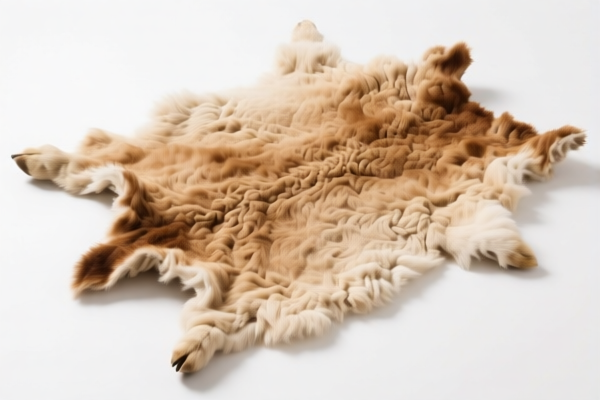
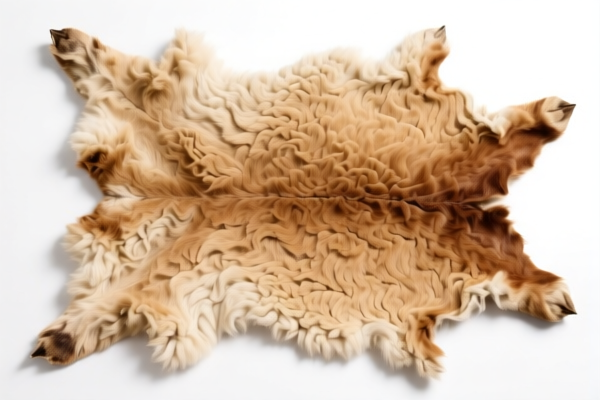
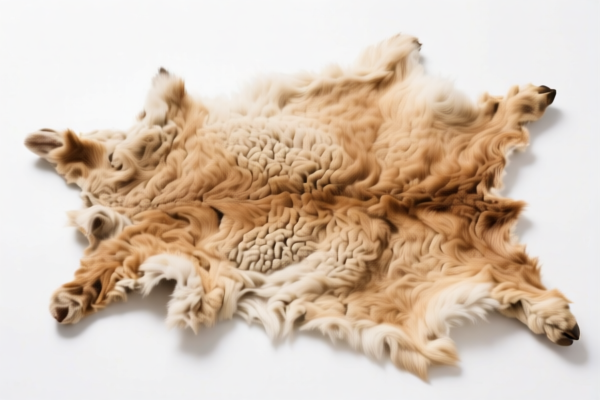
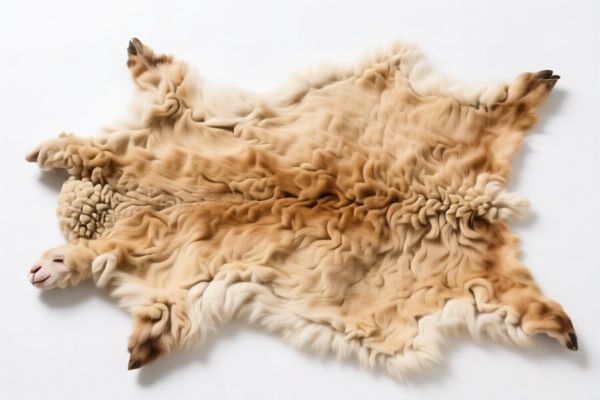
Raw Preserved Untanned Lamb Skin
CN → US| HS编码 | 关税税率 | 原产国 | 目的国 | 文档 |
|---|---|---|---|---|
| 4103901130 | 17.5% | CN | US | 官方文档 |
| 4102101000 | 17.5% | CN | US | 官方文档 |
| 4102291090 | 17.5% | CN | US | 官方文档 |
| 4103901190 | 17.5% | CN | US | 官方文档 |
| 4103901200 | 17.5% | CN | US | 官方文档 |
商品图片
AI分析
🐑 Raw Preserved Untanned Lamb Skin (未鞣制羊皮)
🌐 HS Code Reference & Customs Clearance Guide | 2026 Latest Tariff Analysis | Professional Clearance Strategy
📌 I. Product Definition & Classification: What is "Raw Preserved Untanned Lamb Skin"?
Raw Preserved Untanned Lamb Skin refers to animal skins that have been preserved (typically salted or dried) to prevent decomposition but have not undergone the tanning process. They retain their natural hair (unless specified as "skinned" or "dehaired") and are in their original biological state, ready for further processing (tanning, dyeing).
⚠️ Key Distinction Points:
- "Raw/Untanned": Must NOT be tanned, chrome-tanned, vegetable-tanned, or chemically fixed.
- "Preserved": Usually means salted (wet-salted or dry-salted) or dried. Preservation does NOT equal tanning.
- "Lamb Skin": Comes from sheep/ovine animals. Differentiate from "Goat Skin" (Caprine) or "Sheepskin" (often implies wool-on).
- No Hair: If the wool/hair has been removed, it falls under "Skinned" categories; if hair is present, it falls under "Wool-on" categories.
📦 II. HS Code Classification Details (2026 Latest Tariff Authority Comparison)
Based on the provided data, the following HS Codes apply to Raw Preserved Untanned Lamb Skin. All listed items carry the same tax structure due to their shared classification as "Other untanned skins of sheep or lambs."
| HS Code | Product Description (Summary) | Specific Material/Form Match | Hair Status |
|---|---|---|---|
4103.90.11.30 |
Matches sheepskin material, un-tanned form, fits specific animal skin classification features | General Sheepskin (Untanned) | Information not specified |
4102.10.10.00 |
Sheepskin material and un-tanned form fully match the definition of Untanned Sheepskins | Untanned Sheepskin | Usually Wool-on (Chapter 4102) |
4102.29.10.90 |
Sheepskin corresponds to material; No wool corresponds to no sheep wool; Un-tanned corresponds to pre-tanning state | Skinned Lamb Skin (No Wool) | ❌ No Wool (Skinned) |
4103.90.11.90 |
Matches sheepskin material, un-tanned, no-hair form; fits "Other untanned raw skins" category | Other Untanned Raw Skins (Skinned) | ❌ No Wool |
4103.90.12.00 |
Un-tanned corresponds to the code's un-tanned form; Sheepskin corresponds to Goatskin material | Untanned Goatskin | Information not specified |
🔍 Critical Clarification:
- Chapter 4102 vs. Chapter 4103:
-4102typically covers Wool-on sheep/lamb skins.
-4103typically covers Skinned (hair/wool removed) sheep/lamb skins or other specific untanned categories.
- Material Specificity:4103.90.12.00explicitly mentions Goatskin (Shanyangpi). If the product is strictly "Lamb Skin" (Yangpi) and NOT Goatskin, this code may be incorrect unless "Lamb" is broadly interpreted in the specific trade context.
- Hair Removal: Codes ending in.11or.90in4103often imply Skinned (hairless) skins, whereas4102codes often imply Wool-on.
💰 III. 2026 Latest Tariff Rate Details (Including Surcharges, Policy Add-ons)
✅ Applicable Country: United States (US)
✅ Origin: China (CN)
✅ Effective Time: Current rates include Section 122 and other surcharges.
🎯 Tax Structure for All Listed HS Codes (4103.90.11.30, 4102.10.10.00, 4102.29.10.90, 4103.90.11.90, 4103.90.12.00)
| Item | Content |
|---|---|
| Base Duty Rate | 0.0% (Ad Valorem) |
| Additional Duty (Section 301/Other) | +7.5% (China-specific surcharge) |
| Section 122 Duty | +10% (Specific provision for certain animal products/textiles) |
| Total Effective Tax Rate | 17.5% |
| Tax Calculation | CIF Value × 17.5% |
| De Minimis Exemption | ❌ Not Applicable (High-value agricultural/raw material imports usually subject to full duty) |
| Legal Basis Path | HTSUS:4102/4103 → USITC Footnotes → Section 122 → China-specific Surcharges |
📌 Explanation of Tax Components:
- "Base Duty 0.0%": The standard Most Favored Nation (MFN) rate for raw untanned hides is generally low or zero to encourage import for domestic tanning industries.
- "Additional Duty 7.5%": Likely refers to specific trade remedy duties or retaliatory tariffs applied to Chinese-origin animal products.
- "Section 122 Duty 10%": Crucial Detail. Section 122 of the Trade Act of 1974 is often invoked for emergency imports or specific agricultural protections. For raw hides/skins, this 10% surcharge is a significant cost driver.
- Total 17.5%: This is a high effective rate for raw materials. Importers must factor this into their landed cost calculations.
🛠️ IV. Customs Clearance Practical Advice (Real-World Pitfall Guide)
✅ 1. Required Documentation Checklist (Non-Negotiable)
| Document | Mandatory? | Description |
|---|---|---|
| ✅ Commercial Invoice | ✔️ | Must clearly state: "Raw Preserved Untanned Lamb Skin", HS Code, CIF Value. |
| ✅ Packing List | ✔️ | Detail weight (Gross/Net), number of skins, preservation method (e.g., "Wet Salted"). |
| ✅ Veterinary Health Certificate | ✔️ | Critical for animal products. Must confirm freedom from Foot-and-Mouth Disease (FMD) and other diseases. |
| ✅ Preservation Method Declaration | ✔️ | Specify if "Wet Salted", "Dry Salted", or "Dried". Affects biosecurity risk. |
| ✅ Bill of Lading/Air Waybill | ✔️ | Standard shipping document. |
| ✅ Import License (if applicable) | ✔️ | Check USDA-APHIS requirements for raw hides. |
📌 Note: Failure to provide a Veterinary Certificate can lead to rejection or destruction of goods at the US port of entry.
✅ 2. Declaration Tips (Key Mnemonic)
🔥 "Untanned, Salted, Vet-Cert, 17.5% Tax!"
| Scenario | Correct Declaration | Wrong Practice |
|---|---|---|
| Wool-on Lamb Skin | Use 4102.xxxx.xx.xx |
Misdeclare as 4103 (Skinned) → Risk of penalty for false classification. |
| Skinned (No Wool) Lamb Skin | Use 4103.90.11.30 or 4103.90.11.90 |
Misdeclare as "Leather" (Tanned) → Higher duty or legal violation. |
| Goatskin vs. Lamb Skin | Verify origin species! Use 4103.90.12.00 ONLY if Goatskin. |
Declare "Lamb Skin" but use Goatskin code → HS Code mismatch. |
| Preserved vs. Tanned | Emphasize "UNTOANNED" and "PRESERVED" (e.g., Salted). | Declare as "Raw Leather" (ambiguous) → Customs may question tanning status. |
✅ 3. Special Case Handling
| Scenario | Handling Advice |
|---|---|
| OEM Custom Skins | Provide supplier declaration confirming species (Ovis aries) and preservation method. |
| Mixed Shipments (Lamb + Goat) | Must separate shipments or declare separately. Mixing codes can lead to audits. |
| High Moisture Content | If "Wet-Salted," ensure packaging is leak-proof. USDA may inspect for pest control. |
| Section 122 Exemption? | ❌ No. Section 122 duties are mandatory for specified animal products. No easy exemption. |
🌍 V. Global Major Market Customs Comparison (2026 Latest)
| Country/Region | Recommended HS Code (General) | Base Duty | Surcharges (China) | Total Rate | Certification | Notes |
|---|---|---|---|---|---|---|
| 🇺🇸 USA | 4102.10 / 4103.90 |
0% | +17.5% (7.5% + 10%) | 17.5% | APHIS Vet Cert | High scrutiny for biosecurity. |
| 🇨🇳 China | 4102 / 4103 |
0-10%* | None | ~0-10% | N/A | Export market; low barrier. |
| 🇪🇺 EU | 4102 / 4103 |
0-4% | None | ~0-4% | EC Health Cert | Strict animal welfare/biosecurity. |
| 🇬🇧 UK | 4102 / 4103 |
0-4% | None | ~0-4% | UK Health Cert | Post-Brexit rules apply. |
| 🇯🇵 Japan | 4102 / 4103 |
0-5% | None | ~0-5% | JAS/Health Cert | Quality inspection mandatory. |
📌 Conclusion:
- USA is the most expensive market for raw untanned lamb skins from China due to the 17.5% total duty.
- Biosecurity is the biggest non-tariff barrier. Ensure APHIS approval and proper veterinary certification.
- Europe/Asia offer lower duties but stricter quality and health standards.
📌 VI. Common Errors & Pitfall Guide (Blood & Tears Lessons)
❌ Error 1: Declaring "Tanned Leather" instead of "Raw Untanned Skin"
👉 Consequence: HS Code mismatch, potential fraud allegations, 100% fine + back taxes.
❌ Error 2: Missing Veterinary Health Certificate
👉 Consequence: Immediate Rejection or Destruction of goods at US port. Cost: 100% of shipment value + disposal fees.
❌ Error 3: Confusing "Lamb" (Young Sheep) with "Goat"
👉 Consequence: Incorrect HS Code (4103.90.12.00 is for Goats). If declared as Lamb but is Goat, customs may reclassify and demand 17.5% duty + penalties.
❌ Error 4: Ignoring Section 122 Duty
👉 Consequence: Underpayment of duties by 10%. Leads to CBP audit, penalties, and loss of import privileges.
✅ Correct Practice:
"Raw Preserved Untanned Sheepskins (Ovis aries), Wet-Salted, Un-Tanned, For Tanning Purposes Only. HS Code: 4103.90.11.30. Origin: China."
🎯 VII. Conclusion: Professional Declaration, Time-Saving, Cost-Effective!
🎯 Remember the Mnemonic:
🔹 "Untanned, Salted, Vet-Cert, 17.5% Tax!"
🔹 "HS Code Determines Duty, 17.5% is High, Misdeclare Leads to Rejection!"
📌 Pro Tip:
- If your lamb skins are originating from Vietnam, Mexico, or Turkey, they may avoid Section 122 and US-specific surcharges, reducing the total tax to 0%.
- Apply for an Advance Ruling with US CBP if unsure about the specific HS Code (e.g., 4102 vs. 4103) to avoid clearance delays.
📣 Immediate Action:
📞 Contact a licensed US Customs Broker + Provide Vet Cert + Apply for HS Code Advance Ruling
🚀 Ensure your raw lamb skins clear customs smoothly, avoid biosecurity rejection, and maximize profit margins!
✨ Professional Clearance Starts with Accurate Classification!
💼 Every Percent of Duty Matters! Calculate Precisely!
用户评价
关于 HS 编码归类
协调制度(HS)是由世界海关组织(WCO)制定的国际贸易商品分类标准。全球 200 多个国家采用 HS 系统作为海关关税、贸易统计和进出口监管的基础。
每个 HS 编码遵循以下层级结构:
- 章(2 位)——商品大类(例如:第 84 章:机器和机械设备)
- 品目(4 位)——章内的更具体分类
- 子目(6 位)——国际通用细分,所有 WCO 成员国统一使用
- 本国细分(8-10 位)——各国自行扩展的细分编码,如美国 HTSUS 10 位编码
正确的 HS 编码归类对于顺利通关、准确缴纳关税和遵守贸易法规至关重要。错误归类可能导致海关延误、多缴关税或罚款。
从CN进口到US时,适用的关税税率可能包括:
- 最惠国(MFN)税率——适用于 WTO 成员国的标准关税税率
- 普通税率——适用于无贸易协定国家
- 贸易救济关税——附加关税,如 301 条款(反倾销)、232 条款(国家安全)或反补贴税
本页内容仅供参考。如需正式归类,请咨询当地海关或持牌报关代理。