Raw Tropical Wood (Unprocessed)
CN → US| HS编码 | 关税税率 | 原产国 | 目的国 | 文档 |
|---|---|---|---|---|
| 4403490200 | 35.0% | CN | US | 官方文档 |
| 4403990195 | 35.0% | CN | US | 官方文档 |
商品图片
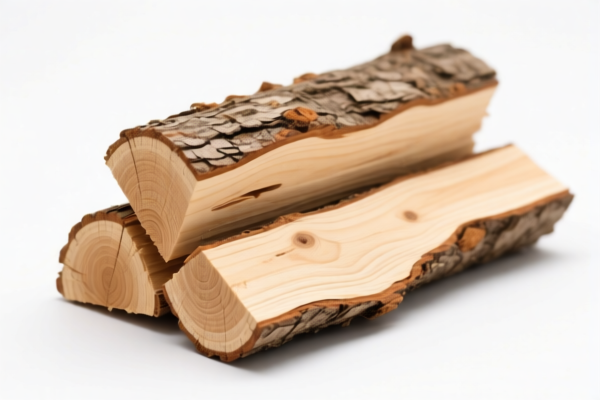
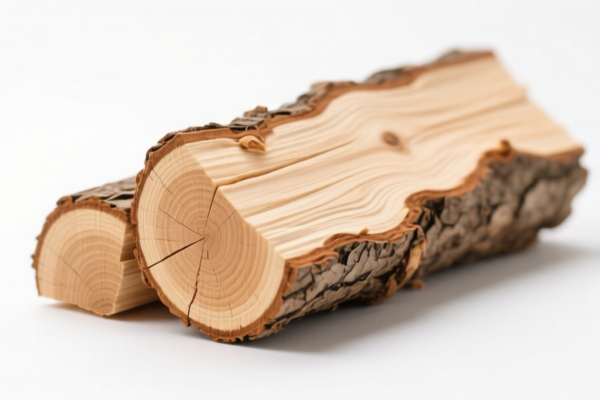
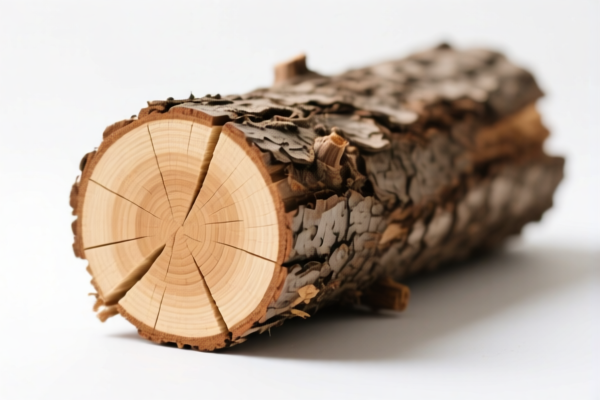

AI分析
🪵 Raw Tropical Wood (Unprocessed)
🌐 HS Code Reference & Customs Clearance Guide | 2026 Latest Tariff Analysis | Professional-Level Strategy
📌 I. Product Definition & Classification: What is "Raw Tropical Wood"?
Raw tropical wood refers to timber in its most basic form, harvested from tropical regions, with minimal processing. It is the starting point for the global wood supply chain. In international trade, it is strictly categorized by two main criteria: 1. Processing Level: Whether it is stripped of bark/sapwood and whether it is roughly squared. 2. Wood Type: Specifically "Tropical Wood" vs. Non-Tropical (Temperate/Pine/etc.).
⚠️ Key Distinction Points: - "Roughly Squared": If the wood is sawn into roughly square or rectangular cross-sections, it may fall under different headings (e.g., HS 4407 or 4406). If it is not roughly squared (e.g., logs, baulks, round timber), it falls under HS 4403. - "Tropical Wood": This is a critical legal distinction. Non-tropical woods (like Pine or Oak) have different HS codes. You must have a botanical name or expert verification to prove it is "Tropical" (e.g., Teak, Mahogany, Ipe, Meranti). - "Unprocessed/Raw": The wood must not be chemically treated (unless specified otherwise), sawn to specific dimensions, or planed.
📦 II. HS Code Classification Details (2026 Latest Tariff Authority)
Based on the provided data, the raw tropical wood falls under HS Chapter 44 (Wood and Articles of Wood). The specific codes depend on the degree of shaping (squared vs. unsquared).
| HS Code | Product Description | Processing State | Tropical? | Squared? |
|---|---|---|---|---|
4403.49.02.00 |
Wood in the rough, whether or not stripped of bark or sapwood, or roughly squared: Other: Other: Other | Roughly Squared | ✅ Yes | ✅ Yes (Roughly) |
4403.99.01.95 |
Wood in the rough, whether or not stripped of bark or sapwood, or roughly squared: Other: Other: Other | Un-squared (Logs/Baulks) | ✅ Yes | ❌ No |
🔍 Critical Reminder: -
4403.49.02.00: Apply this if the wood has been cut into rough blocks/baulks with a roughly rectangular or square cross-section. -4403.99.01.95: Apply this if the wood is in its natural round form (logs) or irregular shapes, without being squared off. - Do NOT confuse with HS 4407: HS 4407 is for "Sawn wood," which requires planing/sawing to specific thicknesses. "Raw wood" in HS 4403 is thicker and less processed.
💰 III. 2026 Latest Tariff Rate Breakdown (Including Surcharges & Policy Add-ons)
✅ Applicable Country: United States (US)
✅ Origin: China (CN) (Assumed based on typical high-tariff context, verify actual country of origin)
✅ Effective Date: Current (2026)
🎯 1. 4403.49.02.00 — Roughly Squared Tropical Wood
| Item | Content |
|---|---|
| Base Tariff | 0.0% (Ad Valorem) |
| Section 301 Surcharge | +25.0% (From USITC Footnote 9903.88.01 / Trade Act) |
| Total Tax Rate | 25.0% |
| Tax Calculation | CIF Value × 25% |
| De Minimis Exemption | ❌ Not Eligible (Section 301 goods are generally excluded from Section 321 de minimis if declared under specific restrictions, but for bulk wood, de minimis rarely applies due to volume/value thresholds and phytosanitary rules). |
| Legal Basis Path | USITC:4403.49.02.00 → SECTION_301:Footnote_9903.88.01 |
📌 Explanation: - The 0% base tariff reflects the US duty-free status for many raw timber imports. - The 25% surcharge is the critical cost driver, applied to most Chinese-origin goods under Section 301. - Total Impact: You pay 25% of the declared value just in customs duties.
🎯 2. 4403.99.01.95 — Un-squared Tropical Wood (Logs/Baulks)
| Item | Content |
|---|---|
| Base Tariff | 0.0% (Ad Valorem) |
| Section 301 Surcharge | +25.0% (From USITC Footnote 9903.88.01 / Trade Act) |
| Total Tax Rate | 25.0% |
| Tax Calculation | CIF Value × 25% |
| De Minimis Exemption | ❌ Not Eligible |
| Legal Basis Path | USITC:4403.99.01.95 → SECTION_301:Footnote_9903.88.01 |
📌 Note: - The tariff rate is identical to the squared version. - The distinction only matters for customs declaration accuracy and potential volume-based quotas or phytosanitary inspections.
🛠️ IV. Customs Clearance Practical Advice (Battlefield Pitfall Guide)
✅ 1. Required Documentation Checklist (Non-Negotiable)
| Document | Required | Explanation |
|---|---|---|
| ✅ Botanical Name | ✔️ | Must be provided (e.g., Tectona grandis for Teak). "Tropical Wood" is too vague. |
| ✅ Phytosanitary Certificate | ✔️ | Issued by the country of origin's agricultural agency. Crucial to prevent pest infestation. |
| ✅ Fumigation Certificate | ✔️ | Proof that wood has been treated against pests (IPPC mark required). |
| ✅ Commercial Invoice | ✔️ | Must clearly state "Raw Wood," "HS Code 4403.xx," and "Country of Origin." |
| ✅ Packing List | ✔️ | Detailing volume (CBM), weight, and number of logs/baulks. |
| ✅ ISF Filing | ✔️ | For ocean freight, Importer Security Filing must be submitted 24h before loading. |
✅ 2. Declaration Tips (Key Mantras)
🔥 "Accurate Botanical Name, IPPC Mark, No Bark = Smooth Entry!"
| Situation | Correct Declaration | Incorrect Action |
|---|---|---|
| Wood with bark intact | 4403.49.02.00 (if squared) |
Labeling as "Processed Wood" → Risk of rejection |
| Wood stripped of bark | 4403.99.01.95 (if unsquared) |
Omitting "stripped of bark" → Misdescription |
| Roughly squared blocks | 4403.49.02.00 |
Declaring as "Lumber" (HS 4407) → Wrong duty/classification |
| Logs/Round Wood | 4403.99.01.95 |
Declaring as "Furniture parts" → Heavy penalty |
✅ 3. Special Handling
| Situation | Handling Advice |
|---|---|
| Invasive Species | Verify if the tropical wood is on the CITES list (e.g., certain Mahoganies). If yes, CITES permit is required. |
| Pest Inspection | USDA APHIS may inspect for bark beetles or nematodes. Ensure IPPC stamp is visible. |
| Value Assessment | Customs may question low CIF values for high-grade tropical wood (e.g., Teak). Be prepared with transaction documents. |
| Container Loading | Ensure no soil or plant debris is in the container. Contamination leads to re-export or destruction. |
🌍 V. Global Market Comparison (2026 Latest)
| Country/Region | Recommended HS Code | Tariff (China Origin) | Certification | Notes |
|---|---|---|---|---|
| 🇺🇸 USA | 4403.49.02.00 / 4403.99.01.95 |
25% | Phytosanitary + IPPC | High scrutiny for pests |
| 🇪🇺 EU | 4403.49 / 4403.99 |
0% - 3% | EUTR (EU Timber Regulation) | Proof of legality required |
| 🇨🇳 China | 4403.49 / 4403.99 |
5% - 10% | Fumigation | Major importer of tropical wood |
| 🇦🇺 Australia | 4403.49 / 4403.99 |
5% | Biosecurity Clearance | Strict phytosanitary checks |
| 🇯🇵 Japan | 4403.49 / 4403.99 |
0% - 3% | Phytosanitary | High quality standards |
📌 Conclusion: - USA: The 25% surcharge makes Chinese raw wood less competitive. Consider sourcing from Southeast Asia (Vietnam, Thailand) if possible, though origin rules still apply. - EU/Asia: Lower tariffs but stricter legality (EUTR) and phytosanitary requirements.
📌 VI. Common Mistakes & Pitfalls (Blood Lessons)
❌ Mistake 1: Using generic term "Wood" instead of "Tropical Wood" + Botanical Name
👉 Consequence: Customs delays, possible misclassification → 10% penalty + 25% surcharge risk.
❌ Mistake 2: Failing to mark wood with IPPC Stamp
👉 Consequence: Rejected entry, fumigation at owner's cost, or destruction.
❌ Mistake 3: Declaring "Squared" wood as "Unsquared" (or vice versa)
👉 Consequence: Administrative error, potential audit, delay in release.
❌ Mistake 4: Ignoring CITES restrictions on specific tropical species
👉 Consequence: Seizure of goods, federal fines, criminal liability.
✅ Correct Approach:
"Raw Tropical Wood, Swietenia mahagoni (Mahogany), Roughly Squared, Stripped of Bark, Fumigated, IPPC Marked, HS 4403.49.02.00, CIF $50,000"
🎯 VII. Conclusion: Precision in Classification, Profit in Logistics
🎯 Remember the Mantra:
🔹 "Botanical Name is King, IPPC Mark is Law, 25% Tariff is Real, Squared vs. Round Matters!"
🔹 "Wrong HS Code = 25% Loss, No Certificate = No Entry!"
📌 Pro Tip:
If your wood is sourced from Vietnam, Indonesia, or Malaysia, check if USMCA or ASEAN-US FTAs apply (though raw wood often has limited preferential access). Always verify the Country of Harvest vs. Country of Export.
📣 Immediate Action:
📞 Consult a licensed customs broker + Provide Botanical Name + Ensure IPPC Stamping
🚀 Let your raw wood pass customs smoothly, legally, and cost-effectively!
✨ Professional Customs Clearance Starts with Accurate Classification!
💼 Every percentage point counts!
用户评价
关于 HS 编码归类
协调制度(HS)是由世界海关组织(WCO)制定的国际贸易商品分类标准。全球 200 多个国家采用 HS 系统作为海关关税、贸易统计和进出口监管的基础。
每个 HS 编码遵循以下层级结构:
- 章(2 位)——商品大类(例如:第 84 章:机器和机械设备)
- 品目(4 位)——章内的更具体分类
- 子目(6 位)——国际通用细分,所有 WCO 成员国统一使用
- 本国细分(8-10 位)——各国自行扩展的细分编码,如美国 HTSUS 10 位编码
正确的 HS 编码归类对于顺利通关、准确缴纳关税和遵守贸易法规至关重要。错误归类可能导致海关延误、多缴关税或罚款。
从CN进口到US时,适用的关税税率可能包括:
- 最惠国(MFN)税率——适用于 WTO 成员国的标准关税税率
- 普通税率——适用于无贸易协定国家
- 贸易救济关税——附加关税,如 301 条款(反倾销)、232 条款(国家安全)或反补贴税
本页内容仅供参考。如需正式归类,请咨询当地海关或持牌报关代理。