Raw Wood Coniferous
CN → US| HS编码 | 关税税率 | 原产国 | 目的国 | 文档 |
|---|---|---|---|---|
| 4407190092 | 35.0% | CN | US | 官方文档 |
| 4403250164 | 35.0% | CN | US | 官方文档 |
| 4401110000 | 35.0% | CN | US | 官方文档 |
| 4407190066 | 35.0% | CN | US | 官方文档 |
| 4403210130 | 35.0% | CN | US | 官方文档 |
商品图片
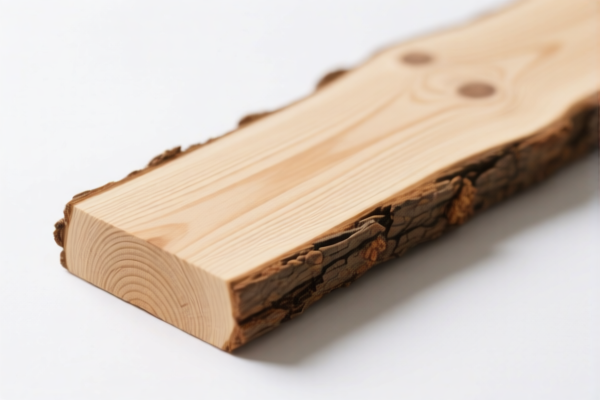
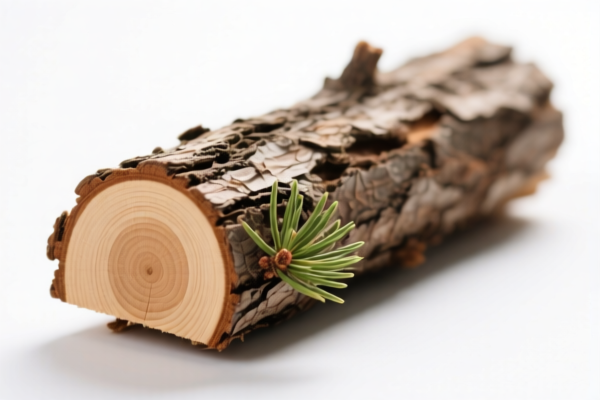
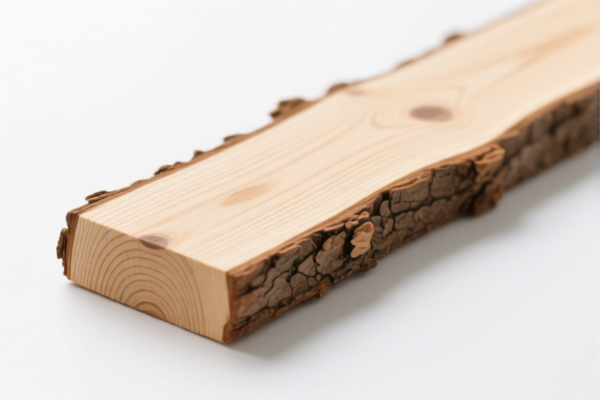
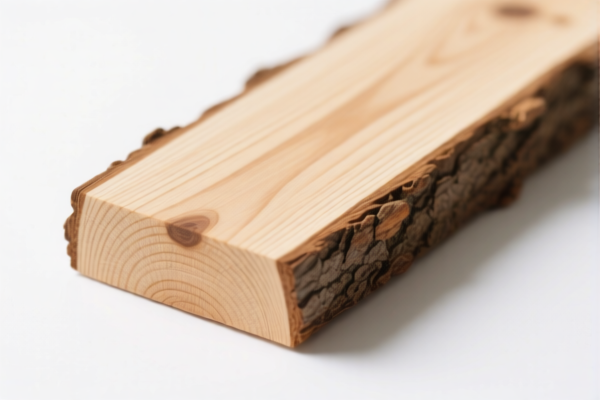
AI分析
🌲 Raw Wood: Coniferous Logs (Timber Imports)
🌐 HS Code Reference & Customs Clearance Guide | 2026 Latest Tariff Analysis | Professional Clearance Strategy
📌 I. Product Definition & Classification: What Exactly is "Coniferous Raw Wood"?
"Raw wood coniferous" refers to timber harvested from coniferous trees (softwoods such as pine, spruce, fir, etc.) that has undergone minimal processing. In international trade, the classification depends heavily on the state of processing and intended use.
Key Distinctions: * Logs (Raw Timber): Unprocessed or roughly hewn timber, retaining its natural shape, intended for sawing or further industrial processing. * Sawn Wood: Timber cut into specific dimensions (planks, beams), usually falling under different HS codes (e.g., 4407). * Construction vs. General: Some coniferous logs are specifically classified for construction purposes, while others fall under general categories.
⚠️ Critical Classification Point:
- If the wood is unprocessed or simply debarked/split but retains its log shape → It is likely classified under Chapter 44, Heading 4403 (Wood prepared for timber purposes) or 4401 (Fuel wood/logs depending on size/use).
- If the wood is sawn or chipped (no longer in log form) → It may fall under 4407 (Wood sawn/chipped lengthwise).
- In this specific data set, we are dealing with Logs/Raw Coniferous Wood intended for construction or general timber use, subject to significant US tariffs.
📦 II. HS Code Classification Details (2026 Latest Tariff Authority Cross-Reference)
Based on the provided data, here are the specific HS Codes for Coniferous Raw Wood/Logs:
| HS Code | Product Description | Application Scenario | Key Features |
|---|---|---|---|
4401.11.00.00 |
Coniferous wood in the rough (logs), fully meeting material & form classification | General raw timber imports, fuel wood, or initial processing stock | ✅ Raw logs, unprocessed |
4403.21.01.30 |
Coniferous construction logs, specifically Pine material, raw form | Construction industry, building materials, structural timber | ✅ Pine species, construction-grade logs |
4403.25.01.64 |
Coniferous construction logs, belonging to "Other Coniferous" category | Non-pine conifers (e.g., Spruce, Fir, Hemlock) for construction | ✅ Other conifers, construction-grade logs |
4407.19.00.66 |
Coniferous wood for construction, meets crude timber/sawn form requirement | Pre-sawn or roughly dressed construction timber | ⚠️ Note: 4407 is usually sawn, but this specific code indicates crude construction timber |
4407.19.00.92 |
Coniferous wood for construction, meets coniferous material & raw/log form requirements | Specialized coniferous timber for construction | ⚠️ Similar to above, specific construction-grade classification |
🔍 Key Reminder:
- All these codes fall under Chapter 44: Wood and Articles of Wood.
- The distinction between4403(prepared wood) and4407(sawn wood) can be subtle. In this dataset, codes like4407.19.00.xxare used for construction-grade coniferous wood that may be in a crude or partially processed state but is explicitly designated for construction.
- Species matters: Pine (4403.21) is often treated differently from "Other Conifers" (4403.25).
💰 III. 2026 Latest Tariff Rate Breakdown (Including Surcharges & Policy Add-ons)
✅ Applicable Country: United States (US)
✅ Origin: China (CN)
✅ Effective Date: 2025/2026 (Current Trade War Tariffs Apply)
🎯 1. General Tariff Structure for All Listed HS Codes
All five HS codes listed in your data share the same tariff structure, which is highly punitive for Chinese-origin timber.
| Component | Rate | Explanation |
|---|---|---|
| Base Tariff (MFN) | 0.0% | Most coniferous wood logs have a standard Most Favored Nation rate of 0% under normal WTO rules. |
| Section 301 Tariff (Added) | 25.0% | Imposed under US Trade Act Section 301 to counter unfair trade practices. |
| Section 122 Tariff (Added) | 10.0% | Specific surcharge applied to certain Chinese imports (often related to national security or specific trade agreements). |
| Total Effective Tariff Rate | 35.0% | Base (0%) + 301 (25%) + 122 (10%) = 35% |
| Tax Calculation | CIF Value × 35% | Calculated on the Cost, Insurance, and Freight value of the shipment. |
| De Minimis Exemption | ❌ Not Eligible | Timber products generally do not qualify for the $800 de minimis exemption. Must go through formal entry. |
📌 Legal Basis Path:
Section 301: 19 USC 1628→Section 122: 19 USC 2254→USITC HTSUS: 4403/4401→Footnotes for 25% and 10% surcharges💡 Interpretation:
- Even though the base tariff is 0%, the 35% effective rate is substantial.
- This applies to all Chinese-origin coniferous wood imports falling under these codes.
- No preferential rates apply unless the wood is sourced from a country with a Free Trade Agreement (e.g., Canada, Mexico, Australia) and properly documented with a Certificate of Origin.
🛠️ IV. Customs Clearance Practical Advice (Best Practices & Pitfalls)
✅ 1. Required Documentation Checklist (Mandatory)
| Document | Must Provide? | Notes |
|---|---|---|
| Commercial Invoice | ✔️ | Must clearly state "Coniferous Logs," HS Code, and Country of Origin (China). |
| Packing List | ✔️ | Detail quantity, volume (CBM), and weight. Wood density varies, so volume is critical. |
| Phytosanitary Certificate | ✔️ | CRITICAL from the country of export. Must confirm wood is free from pests/diseases (e.g., bark beetles, emerald ash borer). |
| Fumigation Certificate | ✔️ | Often required alongside Phytosanitary cert to prove treatment. |
| Certificate of Origin | ✔️ | To confirm origin. If misdeclared, tariffs will be higher. |
| Bill of Lading (B/L) | ✔️ | Standard shipping document. |
| ISF (Importer Security Filing) | ✔️ | Must file 24 hours before loading if importing by ocean. |
✅ 2. Classification Strategy & Pitfalls
| Scenario | Correct Approach | Wrong Approach | Consequence |
|---|---|---|---|
| Raw Logs (Unprocessed) | Use 4401.11.00.00 or 4403.25.01.64 |
Declare as "Sawn Timber" (4407) |
Potential misclassification penalty + duty difference. |
| Pine vs. Other Conifers | Specify species (Pine = 4403.21, Other = 4403.25) |
Generalize as "Coniferous Wood" | May lead to customs inquiry or reclassification. |
| Construction vs. Fuel | Clearly state "For Construction Use" | Label as "Fuel Wood" | Fuel wood may have different regulations or restrictions. |
| Mixed Species Shipment | Split declaration if possible | Mix Pine and Spruce in one HS Code | Customs may apply the highest rate or demand full breakdown. |
🔥 Pro Tip:
- "Construction-Grade" logs often require additional quality certifications (e.g., grade marks, size specifications).
- Ensure the phytosanitary certificate matches the species declared. A mismatch can lead to rejection or destruction of goods.
✅ 3. Special Considerations
| Situation | Handling Advice |
|---|---|
| Transshipment via Third Country | Ensure the substantial transformation rule is met. Simply re-exporting Chinese wood does not change its origin. Tariffs still apply. |
| Wood Treatment | If wood is pressure-treated or chemically treated, additional EPA/USDA regulations may apply. |
| Environmental Regulations | Ensure compliance with the Lacey Act (US) which prohibits trafficking in illegally sourced wood. Provide legal source documentation. |
🌍 V. Global Market Comparison (2026)
| Country/Region | Recommended HS Code | Base Tariff | Additional Surcharges | Total Effective Rate (China Origin) | Notes |
|---|---|---|---|---|---|
| 🇺🇸 USA | 4401.11.00.00 / 4403.xx.xx |
0% | +25% (301) + 10% (122) | 35% | Highly restrictive. Phyto checks strict. |
| 🇨🇳 China (Export) | Same as above | Varies by export policy | N/A | N/A | Export taxes may apply if any. |
| 🇪🇺 EU | 4403.25.00.00 |
~1.7% | No US-style surcharges | ~1.7% | No 301/122 tariffs. Strict EUTR regulations. |
| 🇨🇦 Canada | 4403.25.00.00 |
0% (CUSMA) | 0% | 0% | If originating in Canada/Mexico. |
| 🇦🇺 Australia | 4403.25.00.00 |
5% | 0% | 5% | Strict biosecurity quarantine. |
📌 Conclusion:
- The US market is the most challenging due to the 35% effective tariff and strict biosecurity.
- Consider sourcing from Canada, Russia, or Europe if tariffs are prohibitive.
- Always verify the phytosanitary requirements before shipping.
📌 VI. Common Mistakes & How to Avoid Them
❌ Mistake 1: Declaring "Wood" generally without specifying "Coniferous" or "Logs"
👉 Result: Customs may classify under a higher-duty or restricted category.
👉 Fix: Always specify Species (Pine/Spruce) and Form (Logs/Sawn).
❌ Mistake 2: Ignoring the Lacey Act compliance
👉 Result: Seizure of goods, fines, and blacklisting.
👉 Fix: Provide a Declaration of Botanical Name and Country of Harvest.
❌ Mistake 3: Assuming "Raw Wood" means no processing
👉 Result: If wood is debarked and cut to length, it may fall under 4403 instead of 4401.
👉 Fix: Clearly describe the processing level in the invoice.
❌ Mistake 4: Missing the Phytosanitary Certificate
👉 Result: Goods held in quarantine, fumigation charges, or return/shredding.
👉 Fix: Obtain cert before shipment. Ensure no bark is present if required.
🎯 VII. Summary & Strategic Advice
🎯 Key Takeaways:
1. Tariff Burden: Expect 35% total duty for Chinese-origin coniferous logs entering the US.
2. Documentation: Phytosanitary Certificate is non-negotiable.
3. Classification: Distinguish between Pine (4403.21) and Other Conifers (4403.25) for precise coding.
4. Compliance: Adhere to Lacey Act and USDA Forest Service regulations.
📌 Action Plan:
📞 Pre-Shipment: Verify HS Code with a customs broker.
📄 Documentation: Prepare Invoice, Packing List, Bill of Lading, Phytosanitary Cert, Fumigation Cert.
📦 Shipping: Ensure proper stowage to prevent moisture damage and pest infestation.
🇺🇸 Clearance: File ISF, CBP Entry, and pay 35% duty.
📣 Final Note:
"Timber is not just wood—it's a regulated commodity. Precision in classification and documentation is your best defense against delays and penalties."
✨ Professional Clearance Starts with Accurate Classification!
💼 Minimize Risk, Maximize Efficiency, Stay Compliant!
用户评价
关于 HS 编码归类
协调制度(HS)是由世界海关组织(WCO)制定的国际贸易商品分类标准。全球 200 多个国家采用 HS 系统作为海关关税、贸易统计和进出口监管的基础。
每个 HS 编码遵循以下层级结构:
- 章(2 位)——商品大类(例如:第 84 章:机器和机械设备)
- 品目(4 位)——章内的更具体分类
- 子目(6 位)——国际通用细分,所有 WCO 成员国统一使用
- 本国细分(8-10 位)——各国自行扩展的细分编码,如美国 HTSUS 10 位编码
正确的 HS 编码归类对于顺利通关、准确缴纳关税和遵守贸易法规至关重要。错误归类可能导致海关延误、多缴关税或罚款。
从CN进口到US时,适用的关税税率可能包括:
- 最惠国(MFN)税率——适用于 WTO 成员国的标准关税税率
- 普通税率——适用于无贸易协定国家
- 贸易救济关税——附加关税,如 301 条款(反倾销)、232 条款(国家安全)或反补贴税
本页内容仅供参考。如需正式归类,请咨询当地海关或持牌报关代理。