Raw Wool (Unwashed)
CN → US| HS编码 | 关税税率 | 原产国 | 目的国 | 文档 |
|---|---|---|---|---|
| 5101114000 | 35.0% | CN | US | 官方文档 |
| 5101112000 | 35.0% | CN | US | 官方文档 |
| 5101114000 | 35.0% | CN | US | 官方文档 |
| 5101112000 | 35.0% | CN | US | 官方文档 |
| 5101114000 | 35.0% | CN | US | 官方文档 |
商品图片
AI分析
🐑 Raw Wool (Unwashed) | Greasy Shorn Wool
🌐 HS Code Reference & Customs Clearance Guide | 2026 Latest Tariff Analysis | Professional Entry Strategy
📌 I. Product Definition & Classification: What Exactly is "Raw Wool"?
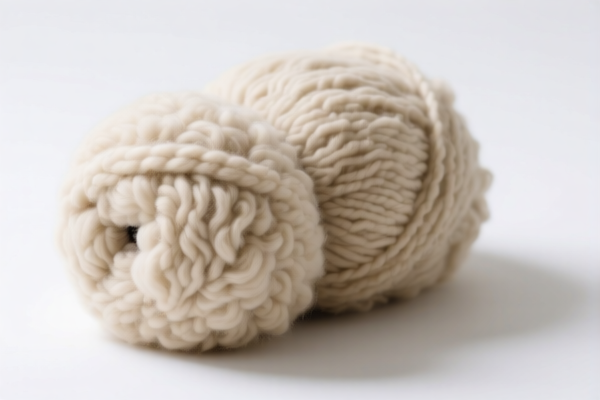
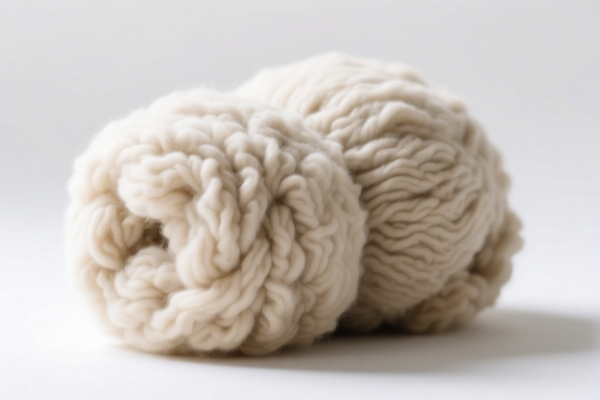
Raw Wool (Unwashed), specifically Greasy Shorn Wool, refers to wool that has been shorn from sheep but has not been washed, scoured, or mechanically cleaned. It still contains natural impurities such as suint (dried sweat), sweat salts, grease (lanolin), dirt, and vegetable matter (burrs/seeds).
In international trade, classification depends heavily on two factors: 1. Fineness: Measured in "S" count (micron diameter). 2. Condition: "Unimproved" means it has not been washed, bleached, or carbonized.
⚠️ Critical Distinction:
- Greasy/Shorn Wool (Contains lanolin/dirt) → Classify under 5101.
- Washed/Scoured Wool (Cleaned) → Classify under 5102.
- Carded/Combed Wool (Processed fiber) → Classify under 5103.This guide strictly covers "Raw/Greasy" wool as per your request.
📦 II. HS Code Classification Details (2026 Latest Tariff Authority)
Based on the provided data, there are two distinct HS Codes for raw, greasy, shorn wool, differentiated by fiber fineness.
| HS Code | Product Description | Key Characteristics | Fineness Standard |
|---|---|---|---|
5101.11.20.00 |
Unimproved Wool; Other Wool, Not Finer Than 40s | Greasy, fleece-washed, or shorn wool that is relatively coarse. | Coarser than 40s (Typically >25-26 microns) |
5101.11.40.00 |
Other Wool, Finer Than 40s but Not Finer Than 44s | Greasy, fleece-washed, or shorn wool of medium fineness. | Finer than 40s but ≤ 44s (Typically ~22.5-25 microns) |
🔍 Key Insight:
- "40s" and "44s" refer to the Worsted Count System, an older but still used metric for wool fineness in certain markets (like the US/UK).
- Higher "S" number = Finer Wool.
- Not finer than 40s means coarser wool (thicker fibers).
- Finer than 40s but not finer than 44s means medium-fine wool.
- Both codes specify "Unimproved" → This means the wool is not washed, bleached, or treated. If it were washed, it would fall under a different heading.
💰 III. 2026 Latest Tariff Rate Breakdown (Including Surtaxes & Policy Surcharges)
✅ Applicable Country: United States (US)
✅ Origin: China (CN) (Inferred from the 25% surtax data typical of US-China trade)
✅ Effective Date: Current US Trade Policy (Section 301 Tariffs)
🎯 1. 5101.11.20.00 – Greasy Shorn Wool, Not Finer Than 40s
| Item | Content |
|---|---|
| Base MFN Tariff | 0.0% (Ad Valorem) |
| Section 301 Surtax | 0.0% |
| Total Tax Rate | 0.0% |
| Tax Calculation | CIF Value × 0% = $0 |
| Eligibility for De Minimis | ❌ Not Applicable (Wool is generally not eligible for de minimis if above threshold, but tax itself is 0) |
| Legal Basis Path | HTSUS:5101.11.20.00 |
📌 Explanation:
- This category represents coarser raw wool.
- Currently, under US trade policy, this specific subheading does NOT carry the 25% Section 301 surtax.
- Result: Zero duty cost for importers. This makes raw, coarse wool a tax-free entry point into the US.
🎯 2. 5101.11.40.00 – Greasy Shorn Wool, Finer Than 40s but Not Finer Than 44s
| Item | Content |
|---|---|
| Base MFN Tariff | 0.0% (Ad Valorem) |
| Section 301 Surtax | +25.0% |
| Total Tax Rate | 25.0% |
| Tax Calculation | CIF Value × 25% |
| Eligibility for De Minimis | ❌ Not Eligible (If shipment value > $800, full duty applies; if < $800, de minimis may apply but duty logic remains) |
| Legal Basis Path | HTSUS:5101.11.40.00 → Section 301 Footnote |
📌 Explanation:
- This category represents medium-fine raw wool.
- Under current US trade tensions (Section 301), medium-fine raw wool from China is subject to a 25% additional duty.
- Result: High import cost. Importers must budget for a 25% surcharge on top of the CIF value.
🛠️ IV. Customs Clearance Practical Advice (Real-World Pitfall Guide)
✅ 1. Required Documentation Checklist (Non-Negotiable)
| Document | Mandatory? | Description |
|---|---|---|
| ✅ Commercial Invoice | ✔️ | Must clearly state "Greasy Shorn Wool," origin, and fineness count (S-count) or micron diameter. |
| ✅ Packing List | ✔️ | Detail weight, bale size, and number of bales. |
| ✅ Certificate of Origin | ✔️ | Proves origin (e.g., China) to apply correct surtax. |
| ✅ Test Report / Fiber Analysis | ✔️ | CRITICAL: Must verify fineness (micron/S-count) and cleanliness. Customs may doubt your S-count classification. |
| ✅ Bill of Lading / Air Waybill | ✔️ | Standard shipping document. |
| ✅ ISF Filing (10+2) | ✔️ | Must be filed 24 hours before loading at foreign port. |
🔍 Key Tip:
- Do NOT use vague terms like "Wool" or "Animal Hair." Use precise descriptions: "Raw Greasy Shorn Wool, Unimproved, Fineness: 42s (approx. 24 microns)."
- Fineness Proof: Customs officers may request a lab report to confirm whether the wool is "not finer than 40s" or "finer than 40s." Misclassification can lead to audits and back-taxes.
✅ 2. Declaration Strategy (Key Mantras)
🔥 "Be Specific on Fineness, Declare Greasy, Not Scoured!"
| Scenario | Correct Declaration | Wrong Declaration | Risk |
|---|---|---|---|
| Coarse Wool (>26 microns) | 5101.11.20.00 - "Greasy Shorn Wool, Not Finer Than 40s" |
"Wool" | 0% Duty. Safe. |
| Medium Wool (22.5-26 microns) | 5101.11.40.00 - "Greasy Shorn Wool, Finer Than 40s, Not Finer Than 44s" |
"Coarse Wool" | 25% Duty. High cost. |
| Washed Wool | 5102.11 (Different Heading) |
"Greasy Wool" | Misclassification. Penalty + Back Taxes. |
| Carded/Combed Wool | 5103 (Different Heading) |
"Greasy Wool" | Misclassification. Wrong Tariff. |
📌 Warning:
- Never claim "Washed" if it is "Greasy." Greasy wool has a different scent, appearance, and chemical composition (lanolin content). Customs can test for lanolin content. If you declare "washed" but it’s greasy, you risk penalties. - Fineness is the Tax Driver: The jump from 0% to 25% hinges entirely on whether the wool is finer than 40s. Invest in accurate testing.
✅ 3. Special Case Handling
| Situation | Handling Advice |
|---|---|
| Mixed Bales (Different Fineness) | Do not mix in one declaration. Split by fineness. If mixed, customs may apply the higher tax rate (25%) to the entire shipment. |
| OEM/Custom Sourcing | Ensure the supplier provides consistent fineness. Variability can lead to disputes at customs. |
| Voluntary Import Exclusion (VIE) | Check if your specific product (from specific manufacturers) qualifies for exclusion from the 25% surtax. (Rare for raw wool, but worth checking). |
| Transshipment | Avoid transshipping through third countries to disguise origin. US CBP scrutinizes wool for origin fraud. Direct shipping is safest. |
🌍 V. Global Market Customs Comparison (2026 Latest)
| Country/Region | Recommended HS Code | Tariff (China Origin) | Certification | Notes |
|---|---|---|---|---|
| 🇺🇸 USA | 5101.11.20.00 / 5101.11.40.00 |
0% (Coarse) / 25% (Medium) | No specific cert | Section 301 applies to medium-fine. |
| 🇨🇳 China | 5101.10 |
Variable (Import duty) | N/A | China exports wool, but may import raw for processing. |
| 🇪🇺 EU | 5101.11 |
~4.8% | N/A | No Section 301-style surtax, but standard duty applies. |
| 🇬🇧 UK | 5101.11 |
~4.8% | N/A | Post-Brexit tariff similar to EU. |
| 🇦🇺 Australia | 5101.11 |
0% | N/A | Major wool producer, imports are rare but low duty. |
📌 Conclusion:
- USA is the most complex market due to the 25% bifurcation based on fineness.
- EU/UK/Australia apply standard MFN rates (typically ~4-5%) and do not have the aggressive surtaxes on raw wool.
- Cost-Saving Strategy: If possible, source coarser wool (>40s) for the US market to enjoy 0% duty. Medium-fine wool incurs a heavy 25% penalty from China.
📌 VI. Common Errors & Pitfall Guide (Lessons Learned)
❌ Error 1: Declaring "Greasy Wool" as "Scoured Wool" to avoid surtax.
👉 Consequence: Customs lab test reveals lanolin. Penalty + Back Taxes + Seizure.
❌ Error 2: Using "Wool" as a generic description on the Invoice.
👉 Consequence: Customs may apply the highest default duty rate or delay clearance for classification review.
❌ Error 3: Ignoring Fineness Certification.
👉 Consequence: If you declare 5101.11.20.00 (0%) but customs tests it as 42s (finer), you owe 25% back-taxes + interest.
❌ Error 4: Mixed Fineness in One Bill of Lading.
👉 Consequence: Customs may classify the entire shipment under the higher-tax HS code if not clearly segregated.
✅ Correct Practice:
"Greasy Shorn Wool, Unimproved, Fineness: 44s (23 microns), Origin: China, Bale Weight: 170kg, Net Weight: 165kg"
🎯 VII. Conclusion: Professional Declaration, Risk-Free Import!
🎯 Remember the Mantras:
🔹 "Greasy vs. Scoured: Declare Accurately!"
🔹 "Fineness is King: 40s is the Tax Line!"
🔹 "Coarse is Free (0%), Fine is Expensive (25%)!"🔹 "Test Your Wool Before You Ship!"
📌 Pro Tip:
If your wool fineness is borderline (e.g., 40s-42s), consider pre-import testing and Advance Ruling from US CBP if the shipment value is high. This protects you from unexpected 25% surcharges.
📣 Immediate Action:
📞 Contact a Customs Broker + Provide Lab Test Report + Apply for HS Code Confirmation
🚀 Ensure Your Raw Wool Enters the US Smoothly, Tax-Optimized, and Audit-Proof!
✨ Professional Clearance Starts with Precise Classification!
💼 Your Cost Savings Are Hidden in the Micron Count!
用户评价
关于 HS 编码归类
协调制度(HS)是由世界海关组织(WCO)制定的国际贸易商品分类标准。全球 200 多个国家采用 HS 系统作为海关关税、贸易统计和进出口监管的基础。
每个 HS 编码遵循以下层级结构:
- 章(2 位)——商品大类(例如:第 84 章:机器和机械设备)
- 品目(4 位)——章内的更具体分类
- 子目(6 位)——国际通用细分,所有 WCO 成员国统一使用
- 本国细分(8-10 位)——各国自行扩展的细分编码,如美国 HTSUS 10 位编码
正确的 HS 编码归类对于顺利通关、准确缴纳关税和遵守贸易法规至关重要。错误归类可能导致海关延误、多缴关税或罚款。
从CN进口到US时,适用的关税税率可能包括:
- 最惠国(MFN)税率——适用于 WTO 成员国的标准关税税率
- 普通税率——适用于无贸易协定国家
- 贸易救济关税——附加关税,如 301 条款(反倾销)、232 条款(国家安全)或反补贴税
本页内容仅供参考。如需正式归类,请咨询当地海关或持牌报关代理。