Rear Seat Protection Mat
CN → US| HS编码 | 关税税率 | 原产国 | 目的国 | 文档 |
|---|---|---|---|---|
| 4016996050 | 37.5% | CN | US | 官方文档 |
| 6304920000 | 23.8% | CN | US | 官方文档 |
| 3926909989 | 22.8% | CN | US | 官方文档 |
| 4016990500 | 20.9% | CN | US | 官方文档 |
| 6304910170 | 23.3% | CN | US | 官方文档 |
商品图片
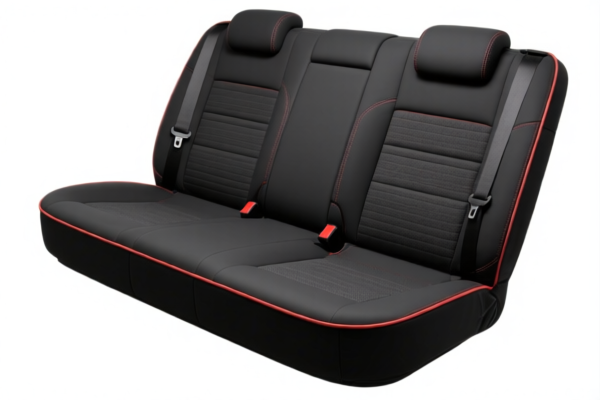
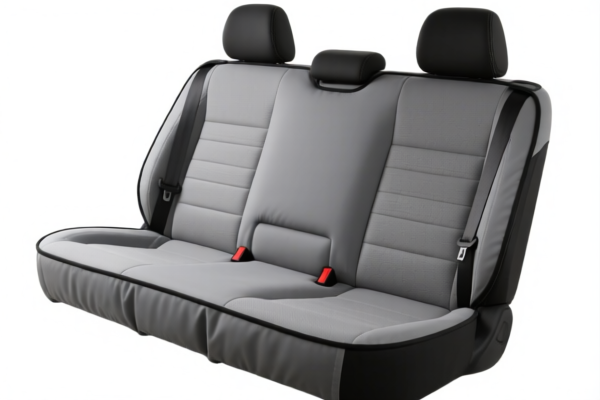
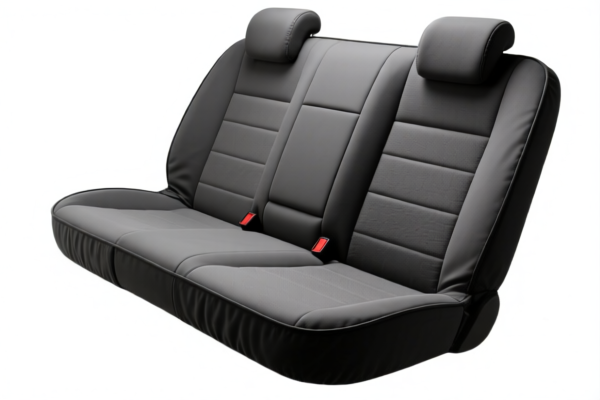
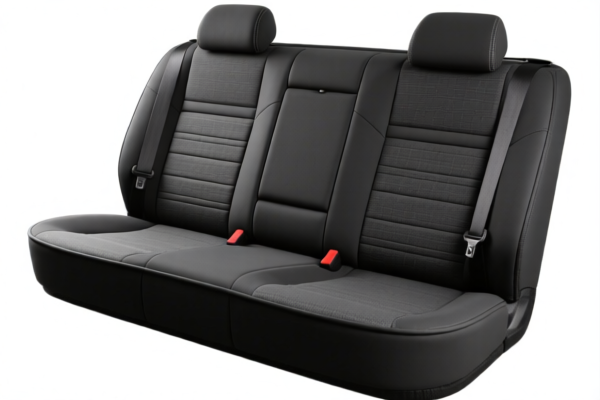
AI分析
🛡️ Rear Seat Protection Mat
🌐 HS Code Reference & Customs Clearance Guide | 2026 Latest Tariff Analysis | Professional Clearance Strategy
📌 Part I: Product Definition & Classification: Do You Really Understand "Protection Mats"?
A Rear Seat Protection Mat is a functional accessory designed to protect vehicle upholstery from damage, dirt, and wear. In international trade, its classification is not determined solely by its name or shape, but by its material composition and primary function.
Because "Protection Mat" is a generic term, customs authorities (especially US CBP) require precise material identification. Misclassification can lead to significant tariff penalties, particularly given the current trade landscape between the US and China.
⚠️ Critical Distinction Point:
- If made of Rubber (natural or synthetic) for grip/durability → Falls under Chapter 40 (Rubber Articles).
- If made of Textiles (Cotton, Polyester, Nylon) for aesthetics/softness → Falls under Chapter 63 (Other Made-up Textile Articles).
- If made of Plastic (PVC, Vinyl, Polyurethane) for waterproofing/cleaning → Falls under Chapter 39 (Plastic Articles).
📦 Part II: HS Code Classification Details (2026 Latest Tariff Authority Comparison)
Based on the inferred attributes of "Protection Mats" (typically rubber, textile, or plastic), here are the most common HS Codes and their corresponding tax breakdowns for imports into the United States from China.
| HS Code | Product Description | Material Inference | Application Scenario |
|---|---|---|---|
4016.99.60.50 |
Rubber-Based Protection Mat | Rubber (Sulfur-vulcanized) | Heavy-duty, non-slip rubber mats; truck/cargo liners |
6304.92.00.00 |
Textile-Based Protection Mat | Cotton or Wool Blend | Soft, fabric-based seat covers; home furniture pads |
3926.90.99.89 |
Plastic-Based Protection Mat | PVC, Vinyl, or Synthetic Polymer | Waterproof, wipe-clean vinyl mats; pet seat covers |
4016.99.05.00 |
Rubber/Plastic Hybrid Pad | Rubber or Plastic (General) | General-purpose home/office protective pads |
6304.91.01.70 |
Knitted/Embellished Textile Pad | Knitted or Crocheted Fabric | Decorative, knitted, or hook-embroidered seat cushions |
🔍 Key Reminder:
- Rubber Mats (4016.99) are typically heavier and used for industrial or rugged vehicle use.
- Textile Mats (6304.92) are softer, often used for home furniture or light car use.
- Plastic Mats (3926.90) are common for pet owners or easy-clean requirements.
- Do NOT assume all mats are the same. A "Rubber Mat" misdeclared as "Plastic" can trigger audits.
💰 Part III: 2026 Latest Tariff Rate Breakdown (Including Additional Duties & Policies)
✅ Applicable Country: United States (US)
✅ Country of Origin: China (CN)
✅ Effective Time: 2025/2026 (Subject to ongoing trade policies)
🎯 1. 4016.99.60.50 —— Rubber Protection Mat (General Sulfur-Vulcanized)
| Item | Content |
|---|---|
| Base Tariff Rate | 2.5% (ad valorem) |
| Section 301 Additional Duty | +25.0% |
| Section 122 Duty | +10.0% |
| Total Tax Rate | 37.5% |
| Tax Calculation | CIF Value × 37.5% |
| De Minimis Eligibility | ❌ No (high-value additional duties usually exclude $800 de minimis) |
| Legal Basis Path | HTSUS:4016.99.60.50 → Section 301: Footnote 9903.88.01 → Section 122: 19 U.S.C. 1304 et al. |
📌 Explanation:
- This is a fallback category for rubber products not specified elsewhere.
- Total burden of 37.5% is extremely high. This includes the Section 301 tariff (25%) and the Section 122 tariff (10%) on certain Chinese goods.
- Recommendation: Verify if the rubber compound qualifies for any exclusions or if origin can be adjusted.
🎯 2. 6304.92.00.00 —— Textile Protection Mat (Cotton/Wool)
| Item | Content |
|---|---|
| Base Tariff Rate | 6.3% (ad valorem) |
| Section 301 Additional Duty | +7.5% |
| Section 122 Duty | +10.0% |
| Total Tax Rate | 23.8% |
| Tax Calculation | CIF Value × 23.8% |
| De Minimis Eligibility | ⚠️ Check (Some textile items may be eligible, but additional duties often negate this) |
| Legal Basis Path | HTSUS:6304.92.00.00 → Section 301: Footnote 9903.88.01 → Section 122 |
📌 Explanation:
- Falls under "Other made-up furnishing articles."
- Total burden of 23.8% is moderate to high.
- Key Risk: If the mat is deemed "knitted" or "embroidered," it may shift to6304.91, changing the tax rate.
🎯 3. 3926.90.99.89 —— Plastic Protection Mat (PVC/Vinyl)
| Item | Content |
|---|---|
| Base Tariff Rate | 5.3% (ad valorem) |
| Section 301 Additional Duty | +7.5% |
| Section 122 Duty | +10.0% |
| Total Tax Rate | 22.8% |
| Tax Calculation | CIF Value × 22.8% |
| De Minimis Eligibility | ⚠️ Check (Depends on specific plastic article exclusions) |
| Legal Basis Path | HTSUS:3926.90.99.89 → Section 301 → Section 122 |
📌 Explanation:
- A "catch-all" for plastic articles not specified elsewhere.
- Total burden of 22.8% is the lowest among the common mat categories.
- Strategy: If the mat is primarily plastic (e.g., TPE, PVC), this may be the most cost-effective classification.
🎯 4. 4016.99.05.00 —— Rubber/Plastic General Pad
| Item | Content |
|---|---|
| Base Tariff Rate | 3.4% (ad valorem) |
| Section 301 Additional Duty | +7.5% |
| Section 122 Duty | +10.0% |
| Total Tax Rate | 20.9% |
| Tax Calculation | CIF Value × 20.9% |
| De Minimis Eligibility | ⚠️ Check |
| Legal Basis Path | HTSUS:4016.99.05.00 → Section 301 → Section 122 |
📌 Explanation:
- This is a general-purpose sulfur-vulcanized rubber article for household use.
- Total burden of 20.9% is the lowest overall.
- Caution: Must prove it is a "household/general use" item, not industrial.
🎯 5. 6304.91.01.70 —— Knitted/Crocheted Textile Mat
| Item | Content |
|---|---|
| Base Tariff Rate | 5.8% (ad valorem) |
| Section 301 Additional Duty | +7.5% |
| Section 122 Duty | +10.0% |
| Total Tax Rate | 23.3% |
| Tax Calculation | CIF Value × 23.3% |
| De Minimis Eligibility | ⚠️ Check |
| Legal Basis Path | HTSUS:6304.91.01.70 → Section 301 → Section 122 |
📌 Explanation:
- Specific to knitted or crocheted textile furnishings.
- Total burden of 23.3%.
- Key Distinction: If your mat is woven (not knitted), this code is incorrect.
🛠️ Part IV: Customs Clearance Practical Advice (Actionable Tips)
✅ 1. Preparation Checklist (Non-Negotiable)
| Document | Required | Description |
|---|---|---|
| ✅ Product Specifications | ✔️ | Material composition (e.g., "100% TPE Rubber," "95% Polyester"), dimensions, weight |
| ✅ Material Certificate | ✔️ | From manufacturer detailing polymer/fiber content |
| ✅ Photos | ✔️ | Clear images showing texture, backing, and usage (e.g., installed on car seat) |
| ✅ Commercial Invoice | ✔️ | Must specify Material and Function (e.g., "TPE Rear Seat Protector, Waterproof") |
| ✅ Packing List | ✔️ | Item count, gross/net weight |
| ✅ Origin Declaration | ✔️ | Confirm Country of Origin (China triggers Section 301/122) |
✅ 2. Declaration Strategy (Key Mantras)
🔥 "Material First, Function Second, Name Precise!"
| Scenario | Correct Declaration | Wrong Approach |
|---|---|---|
| Rubber Mat | "Rear Seat Mat, Sulfur-Vulcanized Rubber, Water-Resistant" | "Plastic Mat" → ❌ Misclassification |
| Textile Mat | "Seat Cover, 100% Cotton, Machine Washable" | "Rubber Pad" → ❌ Wrong Chapter |
| Plastic/Vinyl | "Pet Seat Protector, PVC Material, Wipe Clean" | "Textile Cushion" → ❌ Wrong Chapter |
| Mixed Material | Declare Primary Material by weight or value | "Other Mat" → ❌ Vague |
✅ 3. Special Cases & Risk Mitigation
| Situation | Recommendation |
|---|---|
| TPE (Thermoplastic Elastomer) Mats | Often classified as Plastic (3926) or Rubber (4016) depending on hardness. Get a Pre-Ruling if ambiguous. |
| "Section 122" Items | Check if your product falls under 19 U.S.C. 1304 labeling requirements. Failure to mark "Made in China" can result in penalties. |
| De Minimis ($800) | Risk Alert: Many Section 301/122 items are excluded from de minimis. If value > $800, duties apply. |
| OEM Custom Mats | Provide design specs to prove intended use (e.g., "automotive" vs. "furniture"). |
🌍 Part V: Global Market Comparison (2026 Latest)
| Country/Region | Recommended HS Code | Tariff (China Origin) | Certification | Notes |
|---|---|---|---|---|
| 🇺🇸 USA | 3926.90.99.89 (Plastic) |
22.8% | N/A | Highest duty burden due to Sec 301 & 122 |
| 🇺🇸 USA | 4016.99.60.50 (Rubber) |
37.5% | N/A | Highest risk category |
| 🇨🇳 China | 3926.90.99.89 |
5% | CCC (if applicable) | Lower import duty |
| 🇪🇺 EU | 3926.90.99.90 |
4.5% | CE (if applicable) | No Section 301 |
| 🇬🇧 UK | 3926.90.99.90 |
4.5% | UKCA | Post-Brexit rules apply |
📌 Conclusion:
- USA has the highest tariff burden due to Section 301 and 122.
- Plastic Mats (3926) are generally cheaper to import than Rubber Mats (4016) due to lower Section 301 rates.
- Textile Mats (6304) offer a middle ground.
📌 Part VI: Common Errors & Pitfalls (Lessons Learned)
❌ Error 1: Declaring a Rubber Mat as Plastic
👉 Consequence: Customs audit, retroactive duties of 15%+ difference + penalties.
❌ Error 2: Ignoring Section 122 labeling
👉 Consequence: Goods detained for improper country-of-origin marking.
❌ Error 3: Using "Mat" without Material Specification
👉 Consequence: CBP may reclassify to the highest dutiable category.
❌ Error 4: Assuming De Minimis applies to all shipments
👉 Consequence: Packages over $800 seized or taxed, causing delays.
✅ Correct Approach:
"Rear Seat Protector, TPE Material, Waterproof, Made in China, Marked 'Made in China' on Packaging"
🎯 Part VII: Conclusion: Precision in Classification Saves Money!
🎯 Remember the Mantra:
🔹 "Material is King: Rubber 37.5%, Plastic 22.8%, Textile 23.8%!"
🔹 "Section 301 & 122 are Real: Plan Your Tariff Budget!"
🔹 "De Minimis is Not a Guarantee: Check Exclusions!"
📌 Pro Tip:
If your product is TPE (Thermoplastic Elastomer), request a Binding Ruling from US CBP to confirm whether it falls under Chapter 39 (Plastic) or Chapter 40 (Rubber). This can save 14-16% in duties.
📣 Immediate Action:
📞 Consult a Customs Broker + Provide Material Specs + Verify Section 122 Compliance
🚀 Ensure Smooth Clearance, Avoid Retention, Protect Margins!
✨ Professional Clearance Starts with Accurate Classification!
💼 Every Percent of Duty Saved is Pure Profit!
用户评价
关于 HS 编码归类
协调制度(HS)是由世界海关组织(WCO)制定的国际贸易商品分类标准。全球 200 多个国家采用 HS 系统作为海关关税、贸易统计和进出口监管的基础。
每个 HS 编码遵循以下层级结构:
- 章(2 位)——商品大类(例如:第 84 章:机器和机械设备)
- 品目(4 位)——章内的更具体分类
- 子目(6 位)——国际通用细分,所有 WCO 成员国统一使用
- 本国细分(8-10 位)——各国自行扩展的细分编码,如美国 HTSUS 10 位编码
正确的 HS 编码归类对于顺利通关、准确缴纳关税和遵守贸易法规至关重要。错误归类可能导致海关延误、多缴关税或罚款。
从CN进口到US时,适用的关税税率可能包括:
- 最惠国(MFN)税率——适用于 WTO 成员国的标准关税税率
- 普通税率——适用于无贸易协定国家
- 贸易救济关税——附加关税,如 301 条款(反倾销)、232 条款(国家安全)或反补贴税
本页内容仅供参考。如需正式归类,请咨询当地海关或持牌报关代理。