Rectangular Handle
CN → US| HS编码 | 关税税率 | 原产国 | 目的国 | 文档 |
|---|---|---|---|---|
| 7323915020 | 15.3% | CN | US | 官方文档 |
| 3923210085 | 38.0% | CN | US | 官方文档 |
| 3923900080 | 38.0% | CN | US | 官方文档 |
| 7323930035 | 62.0% | CN | US | 官方文档 |
| 4202122120 | 55.0% | CN | US | 官方文档 |
商品图片
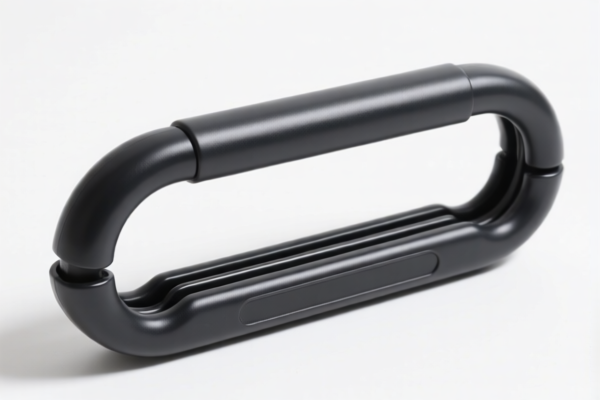
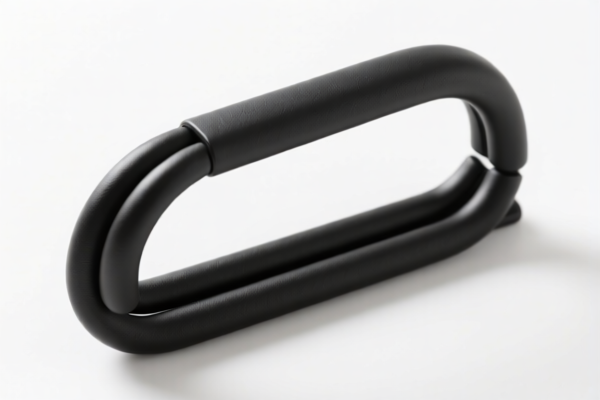
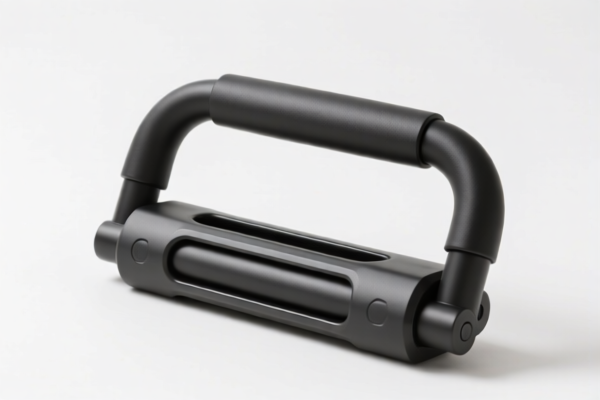
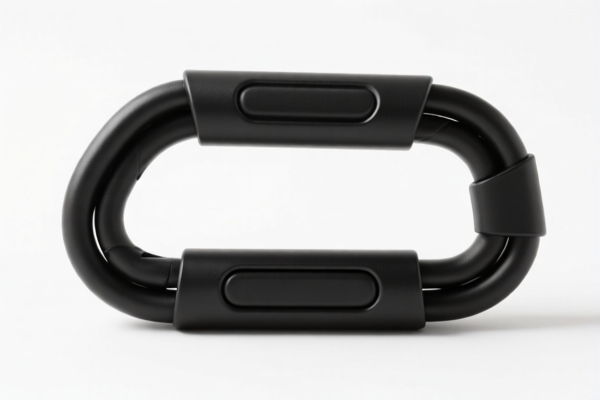
AI分析
🎒 "Rectangular Handle" (长方形带把手) – HS Code Classification & US Customs Clearance Guide 2026
🌐 HS Code Reference & Clearance Strategy | 2026 Latest Tariff Analysis | Professional Level
📌 Part 1: Product Definition & Classification – What Does "Rectangular Handle" Actually Mean?
The product description "Rectangular Handle" (长方形带把手) is highly ambiguous in international trade. It lacks explicit material, usage, or specific functional details. However, based on common industrial and consumer applications, it generally refers to one of three categories:
- Plastic Packaging/Containers: Bags, pouches, or boxes with handles (e.g., shopping bags, gift bags).
- Metal Cookware/Kitchenware: Pots, pans, or baking trays with handles.
- Luggage/Bags: Rectangular suitcases, briefcases, or tote bags with handles.
⚠️ Key Classification Challenge:
- Without knowing the material (plastic, steel, leather, etc.), customs cannot definitively assign a single HS Code.
- The classification depends on inferred purpose and material composition.
- Misclassification can lead to heavy duties, delays, or rejection.
📦 Part 2: HS Code Classification Details (2026 Latest Tariff Alignment)
Based on the available data, here are the four most likely HS Codes for "Rectangular Handle" products, depending on inferred material and use:
| HS Code | Product Description | Inferred Material | Inferred Use | Clearance Risk |
|---|---|---|---|---|
7323.91.50.20 |
Other articles of iron/steel (e.g., cookware) | Metal (Steel/Iron) | Kitchenware/Cookware | 🔴 High (Material mismatch if plastic) |
3923.21.00.85 |
Plastic bags/pouches with handles | Plastic (Polyethylene/Polypropylene) | Packaging/Shopping Bags | 🟡 Medium (Only if plastic) |
3923.90.00.80 |
Other plastic packaging articles | Plastic (Other types) | General Plastic Packaging | 🟡 Medium (Fallback option for plastic) |
4202.12.21.20 |
Leather/plastic luggage/bags | Plastic/Leather/Fabric | Luggage/Shopping Bags | 🟡 Medium (Only if bag/luggage) |
7323.93.00.35 |
Other steel/aluminum/copper articles | Metal (Steel/Aluminum) | Baking trays/Cookware accessories | 🔴 High (50% steel surcharge) |
🔍 Critical Reminder:
- If the product is plastic, classify under 3923.xx (Plastic Packaging).
- If the product is metal (steel/aluminum), classify under 7323.xx (Metal Articles).
- If the product is a bag/luggage, classify under 4202.12.21.20 (Leather/Plastic Bags).
- Never guess – provide material certificates or product photos to customs.
💰 Part 3: 2026 Latest Tariff Rate Breakdown (Including Surcharges & Policy Add-ons)
✅ Applicable Country: United States (US)
✅ Origin: China (CN)
✅ Effective Date: November 10, 2025 onwards
🎯 1. 7323.91.50.20 – Metal Articles (Iron/Steel)
| Item | Content |
|---|---|
| Base Tariff | 5.3% |
| Section 301 Surcharge | 0.0% |
| Section 122 Tariff | 10.0% |
| Total Tariff | 15.3% |
| Calculation Basis | CIF Value × 15.3% |
| De Minimis Exemption | ❌ Not Eligible |
| Legal Reference | USITC:7323.91.50.20 + Section 122:10% |
📌 Explanation:
- This code applies to metal kitchenware (e.g., steel pots with handles).
- No Section 301 surcharge applies here, but Section 122 10% is added.
- Total 15.3% is moderate, but material must be verified.
🎯 2. 3923.21.00.85 – Plastic Bags with Handles
| Item | Content |
|---|---|
| Base Tariff | 3.0% |
| Section 301 Surcharge | 25.0% |
| Section 122 Tariff | 10.0% |
| Total Tariff | 38.0% |
| Calculation Basis | CIF Value × 38.0% |
| De Minimis Exemption | ❌ Not Eligible |
| Legal Reference | IEEPA:9903.01.24 + USITC:3923.21.00.85 + Section 122:10% |
📌 Explanation:
- This code applies to plastic shopping bags, gift bags, or pouches with handles.
- High tariff (38%) due to Section 301 (25%) and Section 122 (10%).
- Common for e-commerce packages – expect heavy duties.
🎯 3. 3923.90.00.80 – Other Plastic Packaging
| Item | Content |
|---|---|
| Base Tariff | 3.0% |
| Section 301 Surcharge | 25.0% |
| Section 122 Tariff | 10.0% |
| Total Tariff | 38.0% |
| Calculation Basis | CIF Value × 38.0% |
| De Minimis Exemption | ❌ Not Eligible |
| Legal Reference | Same as above |
📌 Explanation:
- Fallback code for plastic packaging if3923.21.00.85doesn’t fit.
- Same 38% tariff – no advantage over3923.21.00.85.
🎯 4. 4202.12.21.20 – Leather/Plastic Luggage/Bags
| Item | Content |
|---|---|
| Base Tariff | 20.0% |
| Section 301 Surcharge | 25.0% |
| Section 122 Tariff | 10.0% |
| Total Tariff | 55.0% |
| Calculation Basis | CIF Value × 55.0% |
| De Minimis Exemption | ❌ Not Eligible |
| Legal Reference | IEEPA:9903.01.24 + USITC:4202.12.21.20 + Section 122:10% |
📌 Explanation:
- Applies to rectangular bags, suitcases, or totes with handles.
- Very high tariff (55%) – highest among all options.
- Only use if product is clearly a bag/luggage.
🎯 5. 7323.93.00.35 – Metal Articles (Steel/Aluminum/Copper)
| Item | Content |
|---|---|
| Base Tariff | 2.0% |
| Section 301 Surcharge | 0.0% |
| Section 122 Tariff | 10.0% |
| Steel/Aluminum/Copper Surcharge | 50.0% |
| Total Tariff | 62.0% |
| Calculation Basis | CIF Value × 62.0% |
| De Minimis Exemption | ❌ Not Eligible |
| Legal Reference | USITC:7323.93.00.35 + Section 122:10% + Steel/Aluminum Tariff:50% |
📌 Explanation:
- Applies to steel/aluminum/copper baking trays or cookware with handles.
- Highest tariff (62%) due to 50% steel/aluminum surcharge.
- Avoid if possible unless product is clearly metal cookware.
🛠️ Part 4: Practical Customs Clearance Advice (Real-World Pitfall Avoidance)
✅ 1. Required Documentation Checklist (All Mandatory)
| Document | Required? | Notes |
|---|---|---|
| ✅ Product Specification Sheet | ✔️ | Must include material, dimensions, handle type |
| ✅ Product Photos (with handle) | ✔️ | Clear view of rectangular shape + handle |
| ✅ Material Certificate | ✔️ | Plastic, Steel, or Leather? Must specify |
| ✅ Commercial Invoice | ✔️ | Describe as "Rectangular Bag with Handle" or "Steel Pan with Handle" |
| ✅ Packing List | ✔️ | Show packaging details |
| ✅ Origin Certificate (CO) | ✔️ | If not China-origin, may reduce tariffs |
📌 Critical Tip:
- Ambiguous descriptions like "Rectangular Handle" will cause customs delays.
- Always specify material and use in documentation.
✅ 2. Declaration Strategy (Key Mnemonics)
🔥 "Material First, Then Use – Guess Wrong, Pay More!"
| Scenario | Correct Declaration | Wrong Declaration |
|---|---|---|
| Plastic shopping bag with handle | 3923.21.00.85 (38%) |
4202.12.21.20 (55%) → 17% extra duty |
| Steel pot with handle | 7323.91.50.20 (15.3%) |
7323.93.00.35 (62%) → 46.7% extra duty |
| Leather suitcase with handle | 4202.12.21.20 (55%) |
3923.21.00.85 (38%) → Customs rejection |
| Aluminum baking tray with handle | 7323.93.00.35 (62%) |
7323.91.50.20 (15.3%) → 46.7% extra duty |
✅ 3. Special Cases
| Scenario | Handling Advice |
|---|---|
| OEM Custom Products | Provide design drawings + material specs |
| Multi-Material Products | Classify by main material (e.g., plastic handle + metal body → plastic code?) |
| Samples/No Commercial Value | May qualify for temporary import but not de minimis |
| Mixed Shipments (Plastic + Metal) | Separate declarations required |
🌍 Part 5: Global Customs Comparison (2026 Latest)
| Country/Region | Recommended HS Code | Tariff | Certification | Notes |
|---|---|---|---|---|
| 🇺🇸 USA | 3923.21.00.85 (Plastic) |
38% | None | High surcharges |
| 🇺🇸 USA | 7323.91.50.20 (Steel) |
15.3% | None | Lower tariff |
| 🇨🇳 China | 3923.21.00.85 |
5% | RoHS | No surcharges |
| 🇪🇺 EU | 4202.12.21.20 |
0–4% | CE | No surcharges |
| 🇬🇧 UK | 4202.12.21.20 |
0–4% | UKCA | Post-Brexit rules |
📌 Conclusion:
- USA imposes the highest tariffs due to Section 301 & Section 122.
- Plastic packaging faces 38%, metal cookware faces 15.3–62% depending on type.
- China/EU have lower barriers – consider supply chain diversification.
📌 Part 6: Common Mistakes & Pitfalls (Blood Lessons)
❌ Mistake 1: Using vague description "Rectangular Handle"
👉 Result: Customs delays, manual inspection, 3–7 day hold
❌ Mistake 2: Assuming plastic = cheap tariff
👉 Result: 38% total – not cheap!
❌ Mistake 3: Not providing material certificate
👉 Result: Customs assigns worst-case code (e.g., steel 62%)
❌ Mistake 4: Mixing materials in one declaration
👉 Result: Partial rejection, extra fees
✅ Correct Practice:
"Plastic Shopping Bag, Rectangular, 30x40cm, Handle: Yes, Material: PP, Model: BAG-001, CE Certified"
🎯 Part 7: Conclusion – Precise Declaration Saves Money!
🎯 Remember the Mnemonic:
🔹 "Material First, Use Second – Plastic 38, Steel 15–62, Bags 55!"
🔹 "Ambiguity Costs More – Specify Everything!"
📌 Pro Tip:
- If your product is plastic, consider shifting production to Vietnam/Mexico for IEEPA exemption (lower tariffs).
- Apply for Advance Ruling before shipping to avoid surprises.
📢 Immediate Action:
📞 Contact professional customs broker + Provide product photos + material specs + Apply for HS Code Advance Ruling
🚀 Clear customs smoothly, reduce costs, maximize profit!
✨ Professional Clearance Starts with Accurate Classification!
💼 Every Dollar Counts – Calculate Precisely!
用户评价
关于 HS 编码归类
协调制度(HS)是由世界海关组织(WCO)制定的国际贸易商品分类标准。全球 200 多个国家采用 HS 系统作为海关关税、贸易统计和进出口监管的基础。
每个 HS 编码遵循以下层级结构:
- 章(2 位)——商品大类(例如:第 84 章:机器和机械设备)
- 品目(4 位)——章内的更具体分类
- 子目(6 位)——国际通用细分,所有 WCO 成员国统一使用
- 本国细分(8-10 位)——各国自行扩展的细分编码,如美国 HTSUS 10 位编码
正确的 HS 编码归类对于顺利通关、准确缴纳关税和遵守贸易法规至关重要。错误归类可能导致海关延误、多缴关税或罚款。
从CN进口到US时,适用的关税税率可能包括:
- 最惠国(MFN)税率——适用于 WTO 成员国的标准关税税率
- 普通税率——适用于无贸易协定国家
- 贸易救济关税——附加关税,如 301 条款(反倾销)、232 条款(国家安全)或反补贴税
本页内容仅供参考。如需正式归类,请咨询当地海关或持牌报关代理。