Recycled Paperboard Roll
CN → US| HS编码 | 关税税率 | 原产国 | 目的国 | 文档 |
|---|---|---|---|---|
| 4823901000 | 35.0% | CN | US | 官方文档 |
| 4822100000 | 35.0% | CN | US | 官方文档 |
| 4822900000 | 35.0% | CN | US | 官方文档 |
| 4823400000 | 35.0% | CN | US | 官方文档 |
| 4707100000 | 35.0% | CN | US | 官方文档 |
商品图片
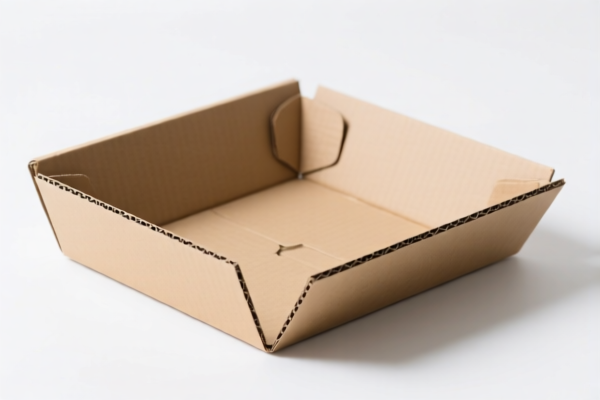
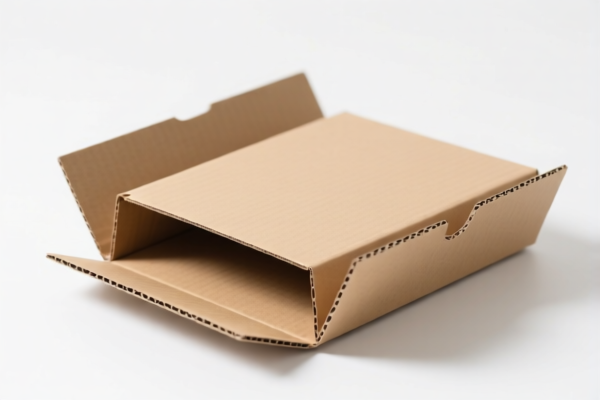
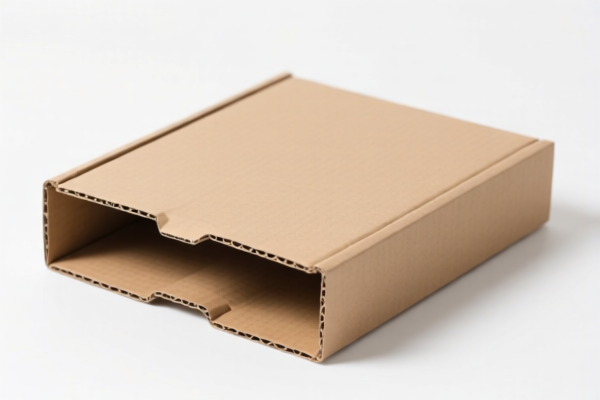
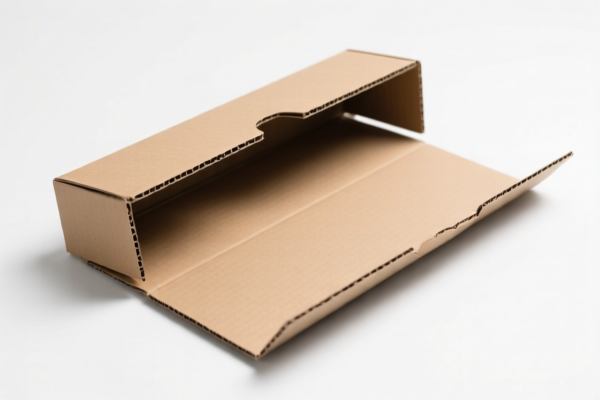
AI分析
📦 Recycled Paperboard Rolls (Corrugated Spools & Cores)
🌐 HS Code Reference & Customs Clearance Guide | 2026 Latest Tariff Analysis | Professional Entry Strategy
📌 I. Product Definition & Classification: What Exactly is a "Recycled Paperboard Roll"?
In international trade, "Recycled Paperboard Rolls" is a broad term that often confuses customs brokers because it spans multiple categories depending on the material origin, physical form, and intended use. These items are essentially cylindrical structures made from paper or paperboard, primarily used as supports for textiles, printing papers, or films.
Key Distinctions: * Paperboard Cores/Spools (Used/Recycled): Hollow cylinders used to wind textiles, films, or papers. If they are specifically for textiles, they fall under Heading 4822. * Printed Paper/Recorders: If the roll is specifically shaped for automatic recording instruments (e.g., chart paper for gauges), it falls under Heading 4823. * Waste/Scrap: If the item is simply waste paperboard awaiting recycling, it falls under Heading 4707.
⚠️ Critical Clarification Point:
- If the item is a hollow cylinder made of paperboard, used to support winding material → Check 4822.xx.
- If the item is a flat or curved sheet cut into rolls for recording devices → Check 4823.xx.
- If the item is scrap/offal from paper production → Check 4707.xx.
📦 II. HS Code Classification Matrix (2026 Latest Tariff Authority)
| HS Code | Product Description | Key Characteristics | Intended Use |
|---|---|---|---|
4823.90.10.00 |
Paperboard rolls (recycled material) matching pulp/cellulose products | Form: Roll shape; Matches characteristics of cut-to-size paper/board products. | General paperboard rolls for various industrial applications |
4822.10.00.00 |
Paperboard rolls (recycled material) | Material: Paper/Paperboard; Form: Tube, Spool, Core; Inferred Use: Textile support. | Textile Industry: Used as cores for weaving/knitting fabrics |
4822.90.00.00 |
Other paperboard tubes, spools, cores | Material: Paperboard; Form: Roll/Tube (similar supporting structures); Recycled material falls under pulp category. | General supporting cores for films, foils, or non-textile materials |
4823.40.00.00 |
Paperboard rolls (recycled material) | Material: Paper/Paperboard; Form: Roll corresponds to printing rolls/sheets. Inferred Use: Automatic recorder printing rolls. | Specialty Use: Specifically for automatic chart recorders or monitoring devices |
4707.10.00.00 |
Recycled paper and paperboard matching waste/scrap | Material: Recycled (waste/shredded) paper and paperboard. | Raw Material: Scrap, offal, or waste paperboard destined for recycling |
🔍 重点提醒 (Key Reminders):
- Do not confuse "Core" with "Scrap": If the roll is a finished good ready for use (e.g., a cardboard tube for shipping), it is 4822 or 4823, NOT 4707. 4707 is strictly for waste/scrap. - Textile vs. General: If the spool is clearly for textiles (warp beams, loom tubes), 4822.10 is the precise fit. If it's a general-purpose core for film or paper, 4822.90 is safer.
💰 III. 2026 Latest Tariff Rate Detail (Including Surtaxes & Policy Add-ons)
✅ Applicable Country: United States (US)
✅ Country of Origin: China (CN)
✅ Effective Date: From November 10, 2025 (including subsequent imports)
🎯 1. 4823.90.10.00 – Paperboard Rolls (General/Matching Pulp Products)
| Item | Detail |
|---|---|
| Base Duty Rate | 0.0% (ad valorem) |
| Section 301 Surtax (USITC) | +25.0% (Under USITC Footnote 9903.88.01) |
| Section 122/IIEPA Surtax | +10.0% (针对中国/香港产品,自2025年11月10日起) |
| Total Effective Rate | 35.0% |
| Tax Calculation | CIF Value × 35% |
| De Minimis Exemption? | ❌ No (deny_de_minimis) |
| Legal Basis Path | IEEPA:9903.01.25 → IEEPA:9903.01.24 → USITC:4823.90.10.00 → FOOTNOTE:9903.88.01 |
📌 Explanation:
- The 25% Section 301 tax is the standard punitive tariff on Chinese paper products. - The 10% Section 122/IIEPA tax is an additional layer applied specifically to Chinese imports as of late 2025. - Total 35% is significant. While the base duty is 0%, the surtaxes make it costly.
🎯 2. 4822.10.00.00 – Paperboard Rolls for Textiles
| Item | Detail |
|---|---|
| Base Duty Rate | 0.0% |
| Section 301 Surtax (USITC) | +25.0% |
| Section 122/IIEPA Surtax | +10.0% |
| Total Effective Rate | 35.0% |
| Tax Calculation | CIF × 35% |
| De Minimis Exemption? | ❌ No |
| Legal Basis Path | IEEPA:9903.01.25 → IEEPA:9903.01.24 → USITC:4822.10.00.00 → FOOTNOTE:9903.88.01 |
📌 Note:
- Despite being a "support" for textiles, it is still classified under Chapter 48 (Paper) and attracts the full 35% surtax. - This applies to loom tubes, warp beams, and knitting spools made of recycled paperboard.
🎯 3. 4822.90.00.00 – Other Paperboard Tubes/Spools
| Item | Detail |
|---|---|
| Base Duty Rate | 0.0% |
| Section 301 Surtax (USITC) | +25.0% |
| Section 122/IIEPA Surtax | +10.0% |
| Total Effective Rate | 35.0% |
| Tax Calculation | CIF × 35% |
| De Minimis Exemption? | ❌ No |
| Legal Basis Path | IEEPA:9903.01.25 → IEEPA:9903.01.24 → USITC:4822.90.00.00 → FOOTNOTE:9903.88.01 |
📌 Note:
- This is the "catch-all" for paperboard cores not specifically for textiles (e.g., for films, adhesives, or shipping tubes). - Same 35% burden.
🎯 4. 4823.40.00.00 – Automatic Recorder Printing Rolls
| Item | Detail |
|---|---|
| Base Duty Rate | 0.0% |
| Section 301 Surtax (USITC) | +25.0% |
| Section 122/IIEPA Surtax | +10.0% |
| Total Effective Rate | 35.0% |
| Tax Calculation | CIF × 35% |
| De Minimis Exemption? | ❌ No |
| Legal Basis Path | IEEPA:9903.01.25 → IEEPA:9903.01.24 → USITC:4823.40.00.00 → FOOTNOTE:9903.88.01 |
📌 Note:
- Specific niche use for industrial monitoring charts. - Still subject to the full 35% surtax package.
🎯 5. 4707.10.00.00 – Recycled Paperboard (Waste/Scrap)
| Item | Detail |
|---|---|
| Base Duty Rate | 0.0% |
| Section 301 Surtax (USITC) | +25.0% |
| Section 122/IIEPA Surtax | +10.0% |
| Total Effective Rate | 35.0% |
| Tax Calculation | CIF × 35% |
| De Minimis Exemption? | ❌ No |
| Legal Basis Path | IEEPA:9903.01.25 → IEEPA:9903.01.24 → USITC:4707.10.00.00 → FOOTNOTE:9903.88.01 |
📌 Note:
- This category is for raw material (scrap). If you are importing finished cardboard tubes, do NOT use this code. Misclassification here can lead to customs audits for fraud or negligence. - Also 35%.
🛠️ IV. Customs Clearance Practical Advice (Battle-Tested Pitfall Guide)
✅ 1. Required Documentation Checklist (Non-Negotiable)
| Document | Required? | Notes |
|---|---|---|
| ✅ Product Specification Sheet | ✔️ | Must detail: Material (Recycled Paperboard), Dimensions (Diameter/Length), Wall Thickness. |
| ✅ Commercial Invoice | ✔️ | Clearly state: "Recycled Paperboard Roll, HS Code [XX.XX.XX.XX], Origin: China". |
| ✅ Packing List | ✔️ | Show gross/net weight. Ensure weight matches the volume of paperboard. |
| ✅ Photo of Product & Label | ✔️ | Show the hollow core, the texture of the recycled material, and any labels. |
| ✅ Certificate of Origin (CO) | ✔️ | Essential to prove origin. If from Vietnam/Malaysia, claim preferential rates (if any). |
| ✅ Statement of Use | ✔️ | Crucial: Declare the end-use. E.g., "Used as cores for textile winding" (for 4822) vs. "Scrap for recycling" (for 4707). |
✅ 2. Declaration Strategy (Key Mnemonics)
🔥 "Use Defines Code, Scrape Defines Waste, Name Must Be Clear!"
| Scenario | Correct HS Code | Wrong Code | Consequence of Error |
|---|---|---|---|
| Finished Tube for Textiles | 4822.10.00.00 |
4822.90.00.00 |
Minor (both 35%), but inaccurate data |
| Finished Tube for Film/Paper | 4822.90.00.00 |
4707.10.00.00 |
HIGH RISK: Customs may classify as waste or vice versa, leading to delays/fines |
| Scrap/Offal Paperboard | 4707.10.00.00 |
4822.10.00.00 |
Over-declaring as finished good → Potential customs fraud allegation |
| Chart Recorder Paper | 4823.40.00.00 |
4823.90.10.00 |
Minor (both 35%), but specific subheading requires precision |
✅ 3. Special Situations & Mitigation
| Situation | Handling Advice |
|---|---|
| Mixed Containers | If one container has both textile cores and scrap paper, segregate and declare separately. Mixing them can trigger a full container inspection. |
| OEM Custom Sizes | Provide technical drawings. Ensure the description matches the drawing (e.g., "Inner Diameter 3 inches"). |
| "Recycled" Labeling | Ensure the product actually contains recycled content. Mislabeling non-recycled paper as recycled can violate labeling laws, though tax impact is the same. |
| Transshipment | If shipped via a third country (e.g., Malaysia) to the US, the 35% tariff still applies if the Origin is China. Do not try to "whitewash" origin. |
🌍 V. Global Market Comparison (2026 Latest)
| Country/Region | Recommended HS Code | Tariff (China Origin) | Certification/Notes |
|---|---|---|---|
| 🇺🇸 USA | 4822.10.00.00 / 4822.90.00.00 |
35% (0% Base + 25% 301 + 10% 122) | High scrutiny on "Recycled" claims. |
| 🇨🇳 China | 4822.10.00.00 |
0-5% (Import Duty) | No surtax for imports into China. |
| 🇪🇺 EU | 4822.10.00.00 |
0% (Most Favored Nation) | No Section 301 equivalent, but anti-dumping may apply if subsidized. |
| 🇬🇧 UK | 4822.10.00.00 |
0-5% | Post-Brexit tariff structures differ. |
| 🇦🇺 Australia | 4822.10.00.00 |
0-5% | Generally low tariffs on paper products. |
📌 Conclusion:
- The US market is the most expensive due to the layered surtaxes (25% + 10%). - Total Cost Impact: For every $10,000 CIF value, expect $3,500 in tariffs. - Strategy: If volume is high, consider Advanced Rulings (ACE Portal) to get a binding decision on the HS Code before shipment.
📌 VI. Common Mistakes & Pitfalls (Blood & Tears Lessons)
❌ Mistake 1: Declaring "Cardboard Tube" generically without specifying "Recycled" or "Textile Use".
👉 Result: Customs may assign a higher default rate or request excessive documentation.
❌ Mistake 2: Mixing Scrap (4707) with Finished Goods (4822) in one line item.
👉 Result: 100% Inspection of the container. Potential penalties for false declaration.
❌ Mistake 3: Ignoring the "122 Clause" (10%) surtax.
👉 Result: Underpayment of duties. CBP will assess back taxes + interest + penalties.
❌ Mistake 4: Using "Plastic Core" description for Paperboard.
👉 Result: Wrong HS Code entirely (Chapter 39 vs 48). Leads to significant reclassification issues.
✅ Correct Approach:
"Recycled Paperboard Core, Hollow Cylinder, Used for Textile Winding, Dimension: 1000mm x 200mm ID, HS: 4822.10.00.00, Origin: China"
🎯 VII. Conclusion: Precision in Paper, Profit in Profit
🎯 Remember the Mantra:
🔹 "Finished Tube? 4822/4823. Scrap? 4707. Never Mix. Always Declare."
🔹 "35% Tax on China Paper. Check Origin. Plan Ahead."
📌 Pro Tip:
If your paperboard cores are sourced from Vietnam, Thailand, or Malaysia (and not just transshipped), you may qualify for lower or zero tariffs under regional trade agreements (e.g., CPTPP, RCEP, or bilateral FTAs).
Recommendation: Get a Certificate of Origin from the manufacturing country and apply for preferential tariff treatment.
📣 Immediate Action Plan:
📞 Engage a licensed US Customs Broker.
📄 Provide Product Photos + Technical Specs.
🚀 Apply for an ACE Advance Ruling if shipment value exceeds $10,000.
✨ Professional Clearance Starts with Accurate Classification!
💼 Your Cost is Calculated in Every Dimension!
用户评价
关于 HS 编码归类
协调制度(HS)是由世界海关组织(WCO)制定的国际贸易商品分类标准。全球 200 多个国家采用 HS 系统作为海关关税、贸易统计和进出口监管的基础。
每个 HS 编码遵循以下层级结构:
- 章(2 位)——商品大类(例如:第 84 章:机器和机械设备)
- 品目(4 位)——章内的更具体分类
- 子目(6 位)——国际通用细分,所有 WCO 成员国统一使用
- 本国细分(8-10 位)——各国自行扩展的细分编码,如美国 HTSUS 10 位编码
正确的 HS 编码归类对于顺利通关、准确缴纳关税和遵守贸易法规至关重要。错误归类可能导致海关延误、多缴关税或罚款。
从CN进口到US时,适用的关税税率可能包括:
- 最惠国(MFN)税率——适用于 WTO 成员国的标准关税税率
- 普通税率——适用于无贸易协定国家
- 贸易救济关税——附加关税,如 301 条款(反倾销)、232 条款(国家安全)或反补贴税
本页内容仅供参考。如需正式归类,请咨询当地海关或持牌报关代理。