Recycled Pulp Bamboo, Others
CN → US| HS编码 | 关税税率 | 原产国 | 目的国 | 文档 |
|---|---|---|---|---|
| 4805247000 | 12.0% | CN | US | 官方文档 |
| 4705000000 | 35.0% | CN | US | 官方文档 |
| 4818900080 | 17.5% | CN | US | 官方文档 |
| 4818100000 | 35.0% | CN | US | 官方文档 |
| 4823901000 | 35.0% | CN | US | 官方文档 |
商品图片
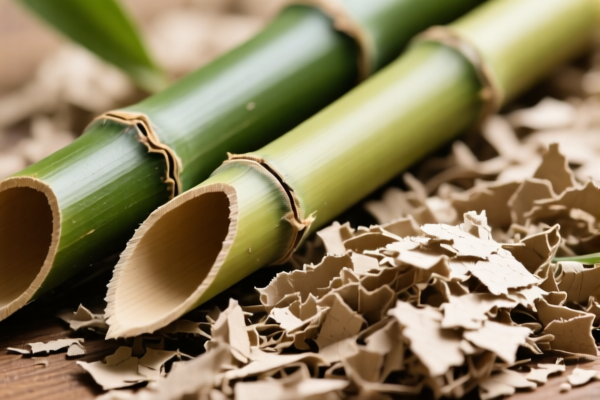
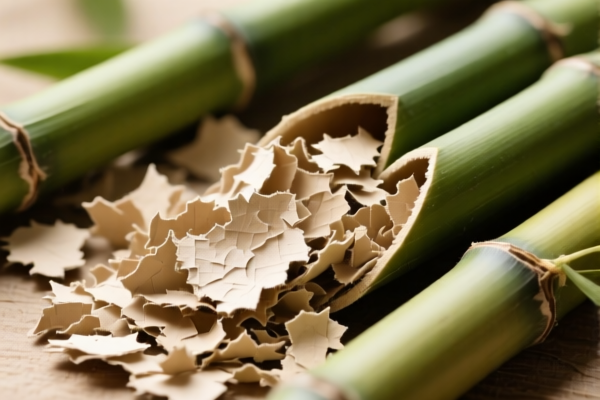
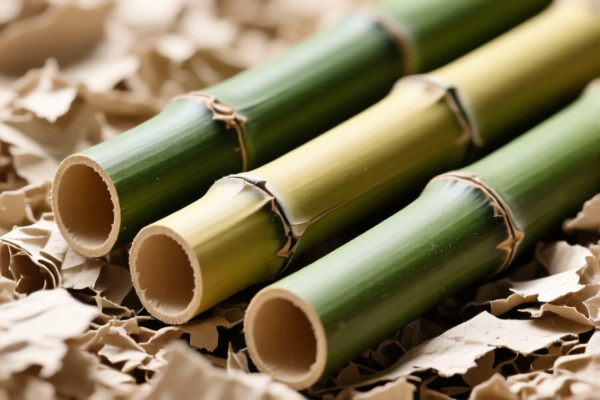
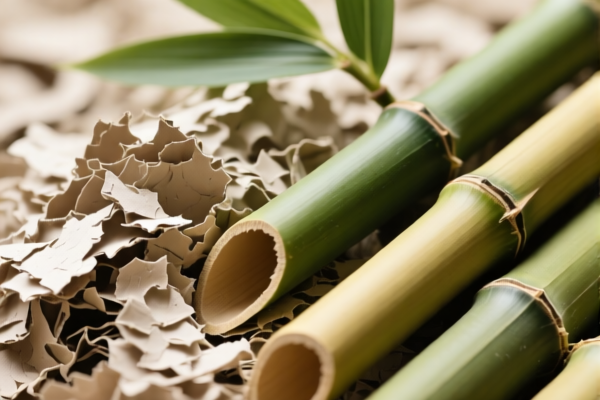
AI分析
🎋 Recycled Pulp Bamboo & Other Recycled Paper Products
🌐 HS Code Classification & Customs Clearance Guide | 2026 Tariff Analysis | Strategic Import Strategies for US Markets
📌 I. Product Definition & Classification: What is "Recycled Pulp Bamboo"?
"Recycled Pulp Bamboo" (or other recycled paper products derived from bamboo) refers to fibers obtained from post-consumer or post-industrial waste, processed through mechanical or chemical means, and potentially reconstituted into various paper forms. In international trade, these products fall under Chapter 48: Paper and paperboard.
The classification depends heavily on the final form and specific use of the product: - Primary Pulp: If it is simply processed fiber without being formed into sheets or specific items, it is classified as Paper Pulp. - Finished Paper Products: If it is formed into tissues, towels, or cut into specific shapes, it is classified under Paper Articles.
⚠️ Key Distinction Point:
- If the product is loose fiber/pulp → It is raw material (Chapter 47).
- If the product is formed into sheets, tissues, or specific items → It is a finished article (Chapter 48).
- Bamboo origin does not exempt it from recycled content rules; the key is whether it is "paper pulp" or "paper article."
📦 II. HS Code Classification Details (2026 Latest Tariff Concordance)
| HS Code | Product Description | Application Scenario | Tax Rate (CN→US) |
|---|---|---|---|
4705.00.00.00 |
Wood pulp, other than chemi-mechanical pulp and dissolving grades (Match: Recycled pulp fiber raw material) |
Raw recycled bamboo/paper pulp sold as fiber stock | 35.0% |
4805.24.70.00 |
Other paper and paperboard, uncoated, in rolls or sheets, other than that of heading 4803, 4804, 4805 or 4808 (Match: Other recycled paper products) |
Generic recycled paper sheets/rolls (not tissue, not toilet paper) | 12.0% |
4818.90.00.80 |
Toilet paper and similar household or sanitary paper, paper towels and wipes... other (Match: Other household/sanitary paper products) |
Recycled tissue, napkins, kitchen towels, wipes | 17.5% |
4818.10.00.00 |
Toilet paper and similar household or sanitary paper (Match: Sanitary paper inference) |
Toilet tissue, facial tissue, sanitary napkins | 35.0% |
4823.90.10.00 |
Other paper, paperboard, cellulose wadding and webs of cellulose fibers, cut to size or shape... other (Match: Cut recycled paper pulp products) |
Custom-cut recycled paper shapes, industrial paper parts, cardstock | 35.0% |
🔍 Critical Reminder:
- Pulp vs. Paper: Raw recycled bamboo fiber (4705.00.00.00) is taxed higher (35%) than generic paper sheets (4805.24.70.00at 12%) because it is considered a primary intermediate good with different trade protections.
- Sanitary vs. Industrial: Toilet paper (4818.10.00.00) and general household paper (4818.90.00.80) have different rates due to specific consumer good classifications.
- Custom Shapes: Products cut into specific shapes (4823.90.10.00) are treated as specialized articles, attracting higher duties.
💰 III. 2026 Latest Tariff Rate Details (Including Additional Taxes & Policy Surcharges)
✅ Applicable Country: United States (US)
✅ Origin: China (CN)
✅ Effective Date: November 10, 2025 onwards (including subsequent imports)
🎯 1. 4705.00.00.00 —— Wood Pulp (Recycled Fiber)
| Item | Content |
|---|---|
| Base Tariff | 0.0% (ad valorem) |
| Section 301 Additional Tariff | +25.0% |
| IEEPA Tariff (Section 122) | +10.0% |
| Total Tariff | 35.0% |
| Tax Calculation | CIF Value × 35% |
| De Minimis Exemption | ❌ Not Eligible (deny_de_minimis) |
| Legal Basis Path | IEEPA:9903.01.24 → USITC:4705.00.00.00 → FOOTNOTE:9903.88.01 |
📌 Explanation:
- The 25% is the standard Section 301 tariff on Chinese wood pulp products.
- The 10% is the IEEPA surcharge targeting specific Chinese raw materials.
- Total 35% is a high barrier, making raw recycled pulp imports from China expensive.
🎯 2. 4805.24.70.00 —— Other Uncoated Paper (Recycled Sheets)
| Item | Content |
|---|---|
| Base Tariff | 0.0% |
| Section 301 Additional Tariff | +2.0% |
| IEEPA Tariff (Section 122) | +10.0% |
| Total Tariff | 12.0% |
| Tax Calculation | CIF Value × 12% |
| De Minimis Exemption | ❌ Not Eligible |
| Legal Basis Path | IEEPA:9903.01.25 → USITC:4805.24.70.00 → FOOTNOTE:9903.88.01 |
📌 Note:
- This is the most favorable rate among the options if the product is generic paper sheets.
- The Section 301 rate is only 2%, significantly lower than pulp or specialized sanitary paper.
- Ideal for importers of bulk recycled paper for industrial or printing use.
🎯 3. 4818.90.00.80 —— Other Household/Sanitary Paper (Recycled Tissues/Towels)
| Item | Content |
|---|---|
| Base Tariff | 0.0% |
| Section 301 Additional Tariff | +7.5% |
| IEEPA Tariff (Section 122) | +10.0% |
| Total Tariff | 17.5% |
| Tax Calculation | CIF Value × 17.5% |
| De Minimis Exemption | ❌ Not Eligible |
| Legal Basis Path | IEEPA:9903.01.24 → USITC:4818.90.00.80 → FOOTNOTE:9903.88.01 |
📌 Explanation:
- Recycled kitchen towels or napkins fall here.
- The 7.5% Section 301 rate reflects the consumer goods nature of the item.
- Still significantly cheaper than toilet paper (4818.10.00.00) or pulp (4705.00.00.00).
🎯 4. 4818.10.00.00 —— Toilet Paper & Similar Sanitary Paper (Recycled)
| Item | Content |
|---|---|
| Base Tariff | 0.0% |
| Section 301 Additional Tariff | +25.0% |
| IEEPA Tariff (Section 122) | +10.0% |
| Total Tariff | 35.0% |
| Tax Calculation | CIF Value × 35% |
| De Minimis Exemption | ❌ Not Eligible |
| Legal Basis Path | IEEPA:9903.01.24 → USITC:4818.10.00.00 → FOOTNOTE:9903.88.01 |
📌 Warning:
- Toilet paper is classified under a higher protectionist bracket.
- The 25% Section 301 tariff is applied because it is a high-volume consumer essential.
- Avoid this classification if you can reclassify your product as "other household paper" (4818.90.00.80) to save 17.5%.
🎯 5. 4823.90.10.00 —— Other Cut Paper Products (Recycled)
| Item | Content |
|---|---|
| Base Tariff | 0.0% |
| Section 301 Additional Tariff | +25.0% |
| IEEPA Tariff (Section 122) | +10.0% |
| Total Tariff | 35.0% |
| Tax Calculation | CIF Value × 35% |
| De Minimis Exemption | ❌ Not Eligible |
| Legal Basis Path | IEEPA:9903.01.24 → USITC:4823.90.10.00 → FOOTNOTE:9903.88.01 |
📌 Note:
- Applies to recycled paper cut into specific shapes (e.g., die-cut labels, industrial paper gaskets).
- High tariff due to specific manufacturing classification.
🛠️ IV. Customs Clearance Practical Advice (Battle-Proven Pitfall Avoidance)
✅ 1. Documentation Checklist (All Required)
| Document | Required? | Description |
|---|---|---|
| ✅ Product Specification Sheet | ✔️ | Must clearly state "Recycled Content %" and "Bamboo/Paper Fiber Origin" |
| ✅ Commercial Invoice | ✔️ | Must specify "Recycled Pulp" or "Recycled Paper" accurately; avoid vague terms like "Plant Fiber" |
| ✅ Packing List | ✔️ | Detail weight, volume, and package type |
| ✅ Certificate of Origin | ✔️ | Proof of China origin is critical for tariff calculation |
| ✅ Material Safety Data Sheet (MSDS) | ✔️ | If the pulp is wet or chemically treated |
| ✅ Import License (if applicable) | ✔️ | Check for any paper import restrictions |
✅ 2. Declaration Strategy (Key Mnemonics)
🔥 "Know the Form, Know the Fee: Pulp is High, Sheets are Low!"
| Scenario | Correct Declaration | Wrong Approach |
|---|---|---|
| Loose Recycled Fibers | 4705.00.00.00 (35%) |
Declaring as "Paper" → Under-declaration penalty |
| Recycled Toilet Paper | 4818.10.00.00 (35%) |
Declaring as "Other Paper" → 17.5% vs 35% risk |
| Recycled Kitchen Towels | 4818.90.00.80 (17.5%) |
Declaring as "Toilet Paper" → 35% |
| Generic Recycled Paper Rolls | 4805.24.70.00 (12%) |
Declaring as "Pulp" → 35% |
| Custom Cut Recycled Paper | 4823.90.10.00 (35%) |
Declaring as "Sheets" → 12% |
📌 Key Tip:
- Do not declare "Bamboo Paper" as a single HS code. Identify if it is pulp, sheet, tissue, or cut product.
- Maximize Cost Savings: If your product is "recycled paper towels," ensure it is not classified as "toilet paper" to benefit from the 17.5% rate instead of 35%.
✅ 3. Special Cases Handling
| Case | Handling Advice |
|---|---|
| Mixed Materials | If bamboo is blended with other recycled paper, declare as Recycled Paper. Do not declare as "Bamboo Fiber" if it is processed into paper. |
| Wet Pulp vs. Dry Pulp | Wet pulp may have different handling requirements but same HS code (4705.00.00.00). Ensure MSDS is provided. |
| Eco-Friendly Marketing | Labels like "100% Bamboo Recycled" are marketing terms. HS Code depends on form, not marketing. |
| Small Quantity Imports | No De Minimis Exemption for these codes. Even small samples are subject to full tariffs (12%-35%). |
🌍 V. Global Market Comparison (2026 Latest)
| Country/Region | Recommended HS Code | Tariff (CN→Local) | Certification | Notes |
|---|---|---|---|---|
| 🇺🇸 USA | 4805.24.70.00 |
12% (Lowest) | No specific | Avoid 4818.10.00.00 (35%) |
| 🇨🇳 China | 4705.00.00.00 |
0% | CCC (if applicable) | No additional tariffs |
| 🇪🇺 EU | 4805.24.70.00 |
6.5% | Ecolabel (optional) | Standard EU tariff |
| 🇬🇧 UK | 4805.24.70.00 |
6.5% | UKCA | Post-Brexit standard |
| 🇦🇺 Australia | 4805.24.70.00 |
5% | N/A | Low tariff |
📌 Conclusion:
- USA has the highest tariff complexity due to Section 301 and IEEPA.
- Best Strategy for US Imports: Aim for4805.24.70.00(12%) by ensuring the product is generic paper sheets, not pulp or specific sanitary goods.
- Avoid4818.10.00.00(35%) unless it is strictly toilet paper.
📌 VI. Common Mistakes & Pitfall Guide (Blood & Tears Lessons)
❌ Mistake 1: Declaring "Recycled Bamboo Pulp" as 4805.24.70.00 (Paper)
👉 Consequence: If it is raw pulp, it should be 4705.00.00.00 (35%). Misclassification leads to back taxes + fines.
❌ Mistake 2: Declaring "Recycled Toilet Paper" as 4818.90.00.80 (Other Household Paper)
👉 Consequence: Rate difference 17.5% vs 35%. CBP will audit and charge 17.5% back taxes + penalties.
❌ Mistake 3: Ignoring "Section 122" IEEPA Tariff
👉 Consequence: Forgetting the +10% IEEPA surcharge. Total tariff is not just 25% or 7.5%, but 35% or 17.5%.
❌ Mistake 4: Using "Bamboo Fiber" as HS Code Description
👉 Consequence: "Bamboo Fiber" is not a valid HS description. Must use "Paper Pulp" or "Paper Articles".
✅ Correct Practice:
"Recycled Paper Sheets, Uncoated, 100% Post-Consumer Waste, Bamboo-Based Fiber, Rolled" →
4805.24.70.00
🎯 VII. Conclusion: Professional Declaration, Time & Cost Saving!
🎯 Remember the Mnemonic:
🔹 "Pulp is 35, Sheets are 12, Tissues vary, Toilet is 35!"
🔹 "Don't call it Pulp if it's Paper, Save 23%!"
🔹 "Section 122 adds 10%, Always Check!"
📌 Pro Tip:
If your recycled pulp is originating from Vietnam, Malaysia, or Indonesia, you may be exempt from Section 301 tariffs, reducing costs significantly.
Consider Advance Ruling from CBP if your product is on the borderline between "Pulp" and "Paper."
📣 Take Action Now:
📞 Contact a licensed customs broker + Provide Product Photos + Apply for HS Code Pre-ruling
🚀 Let your recycled products pass smoothly, save money, and boost profits!
✨ Professional Clearance Starts with Accurate Classification!
💼 Every percentage point matters in global trade!
用户评价
关于 HS 编码归类
协调制度(HS)是由世界海关组织(WCO)制定的国际贸易商品分类标准。全球 200 多个国家采用 HS 系统作为海关关税、贸易统计和进出口监管的基础。
每个 HS 编码遵循以下层级结构:
- 章(2 位)——商品大类(例如:第 84 章:机器和机械设备)
- 品目(4 位)——章内的更具体分类
- 子目(6 位)——国际通用细分,所有 WCO 成员国统一使用
- 本国细分(8-10 位)——各国自行扩展的细分编码,如美国 HTSUS 10 位编码
正确的 HS 编码归类对于顺利通关、准确缴纳关税和遵守贸易法规至关重要。错误归类可能导致海关延误、多缴关税或罚款。
从CN进口到US时,适用的关税税率可能包括:
- 最惠国(MFN)税率——适用于 WTO 成员国的标准关税税率
- 普通税率——适用于无贸易协定国家
- 贸易救济关税——附加关税,如 301 条款(反倾销)、232 条款(国家安全)或反补贴税
本页内容仅供参考。如需正式归类,请咨询当地海关或持牌报关代理。