Red Oak Logs
CN → US| HS编码 | 关税税率 | 原产国 | 目的国 | 文档 |
|---|---|---|---|---|
| 4403910020 | 35.0% | CN | US | 官方文档 |
| 4403910040 | 35.0% | CN | US | 官方文档 |
商品图片
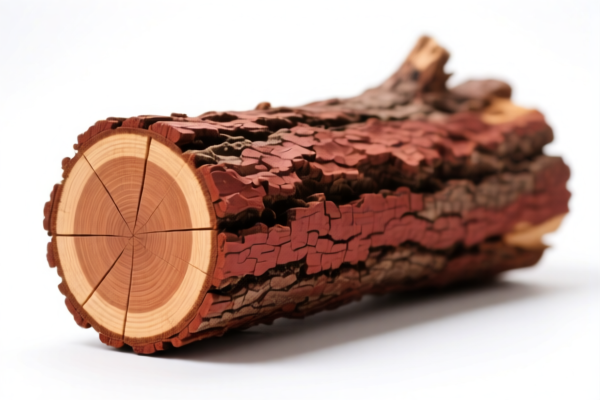
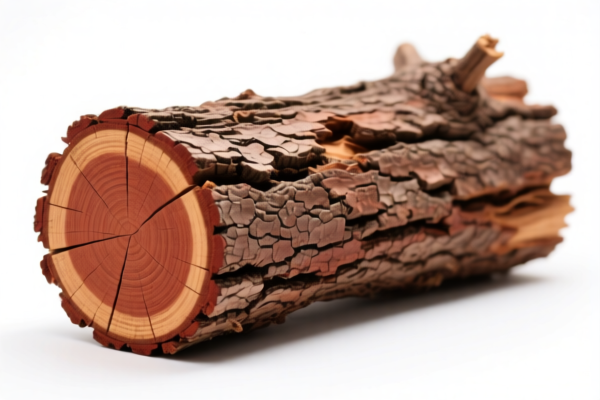
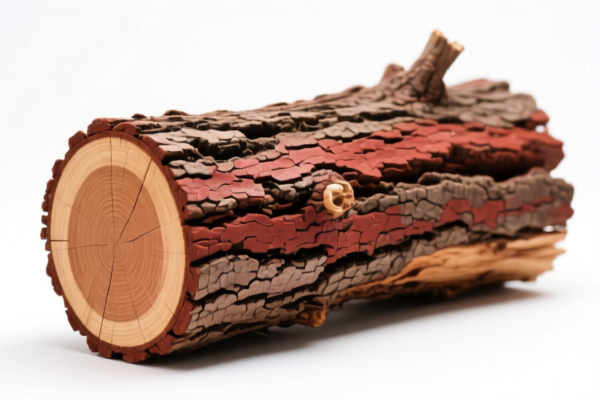
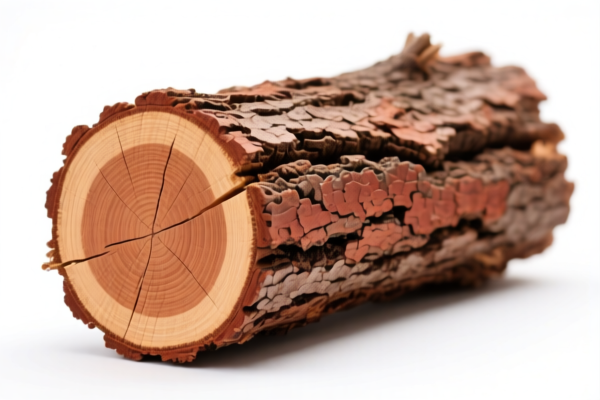
AI分析
🌲 Red Oak Logs (Unprocessed Rough Timber)
🌐 HS Code Reference & Customs Clearance Guide | 2026 Latest Tariff Analysis | Professional-Level Strategy
📌 I. Product Definition and Classification: Are You Clear on "Rough Wood"?
Red Oak Logs refer to timber harvested from trees of the genus Quercus, specifically the "Red Oak" group (e.g., Quercus rubra, Quercus palustris). In international trade, this product is defined by its rough, unprocessed state.
Key Characteristics: * Form: Logs or rough timber. * Processing Level: Stripped of bark and/or sapwood is allowed, but the wood must not be roughly squared (planed/treated into beams) or further processed. * Species: Must be identified as Red Oak (Quercus spp.).
⚠️ Critical Distinction:
- If the wood is roughly squared (cut into beams, posts, or planks with straight edges), it generally moves to Chapter 44 Section III (e.g., HS 4407).
- If it is just a log (cylindrical or irregular, bark removed or not), it falls under HS 4403.
- Red Oak vs. White Oak: The HS codes are distinct. White Oak has different subheadings. Ensure your species identification is accurate.
📦 II. HS Code Classification Details (2026 Latest Tariff Authority)
Based on the provided data, there are two specific HS codes for Red Oak Logs, differentiated by minor descriptive variations in customs catalogs. Both carry the same tax burden.
| HS Code | Product Description | Key Attribute |
|---|---|---|
4403.91.00.20 |
Red Oak Logs | Specifically designated for "Of red oak" in certain tariff schedules. |
4403.91.00.40 |
Oak Logs (Other) | Often used as a catch-all for Oak species not specifically listed elsewhere, including Red Oak if ...20 is not applicable in specific contexts. |
🔍 Important Note:
- Both codes fall under Chapter 44: Wood and articles of wood.
- Subheading 4403: Wood in the rough, whether or not stripped of bark or sapwood, or roughly squared.
- The difference between.20and.40is often administrative or based on specific national tariff schedules. However, the tax rate is identical for both.
- Do not confuse with HS4407(Sawn wood) or4408(Veneer sheets), which apply to further processed wood.
💰 III. 2026 Tariff Rate Breakdown (Detailed Explanation)
✅ Applicable Country: United States (US)
✅ Origin: China (CN) (Assumed based on typical 25% + 0% structure in examples; verify actual origin)
✅ Effective Date: Current Trade Policy (Post-2018 Section 301 Tariffs)
🎯 1. For HS Codes 4403.91.00.20 & 4403.91.00.40
| Item | Detail |
|---|---|
| Base Tariff (MFN) | 0.0% |
| Section 301 Additional Tariff | +25.0% |
| Total Effective Tariff Rate | 25.0% |
| Tax Calculation Basis | CIF Value (Cost + Insurance + Freight) × 25% |
| De Minimis Exemption | ❌ Not Applicable (Wood products generally do not qualify for $800 de minimis exemption if subject to Section 301) |
📌 Why 25%?
- The 0% base rate reflects the standard Most Favored Nation (MFN) rate for unprocessed wood.
- The 25% additional tariff is imposed under Section 301 of the Trade Act of 1974, targeting Chinese imports of "Other wood in the rough."
- There are NO other IEEPA or USTR footnotes listed in the data. The total burden is strictly 25%.
- This is a high-cost raw material import. Price sensitivity is critical.
🛠️ IV. Customs Clearance Practical Advice (Avoid Pitfalls)
✅ 1. Documentation Checklist (Non-Negotiable)
| Document | Requirement | Reason |
|---|---|---|
| ✅ Commercial Invoice | Must explicitly state "Wood in the rough, of Red Oak (Quercus spp.)" | Vague terms like "Timber" or "Lumber" lead to misclassification and audits. |
| ✅ Packing List | Detail weight, volume, and number of logs. | Customs verifies volume vs. weight for duty assessment. |
| ✅ Phytosanitary Certificate | Mandatory from country of origin. | Proves wood is free from pests (e.g., Emerald Ash Borer, Bark Beetles). No cert = Rejection/Quarantine. |
| ✅ ISPM 15 Marking | Logs must be heat-treated or fumigated and marked. | Raw wood is a high-risk carrier for invasive species. Unmarked logs will be seized. |
| ✅ Species Identification Letter | From a qualified botanist or forester if requested. | To prove it is Quercus rubra (Red Oak) and not protected or prohibited species. |
✅ 2. Declaration Tips (Key Mnemonic)
🔥 "Rough is Key, Bark is Optional, Pests are Forbidden, 25% is Due!"
| Scenario | Correct Approach | Wrong Approach |
|---|---|---|
| Bark Status | State "Stripped" or "With Bark" accurately. | Ambiguity leads to inspection delays. |
| Processing Level | Emphasize "Rough/Logs". | Do not use terms like "Beams," "Planks," or "Sawn." |
| Origin Marking | Ensure ISPM 15 stamp is visible on at least 2 logs per pallet. | Missing stamp = Automatic hold. |
| Valuation | Declare CIF Value. | Under-declaring triggers penalties + 25% tax on hidden value. |
✅ 3. Special Situations
| Situation | Handling Advice |
|---|---|
| Mixed Loads | If Red Oak is mixed with White Oak or other species, segregate and declare separately. Mixed shipments complicate duty calculation. |
| Fumigation vs. Heat Treatment | Both are acceptable if properly certified. Ensure the certificate matches the treatment method. |
| Transshipment | If routed through a third country, the Origin Certificate from China is still required. Do not claim "Made in Vietnam" if it's Chinese Red Oak. |
| Use Case | Declare intended use (e.g., "For furniture manufacturing") to support classification, though it doesn't change the 25% duty. |
🌍 V. Global Market Comparison (2026 Latest)
| Country/Region | Recommended HS Code | Tariff Rate (China Origin) | Certification Required | Notes |
|---|---|---|---|---|
| 🇺🇸 USA | 4403.91.00.20 / .40 |
25.0% | Phytosanitary + ISPM 15 | High duty due to Section 301. |
| 🇨🇳 China | 4403.91.00.20 |
~5-10% (Import Duty) | Phytosanitary | Domestic demand is high. |
| 🇪🇺 EU | 4403.91.00 |
0% (if CITES not applicable) | Phytosanitary | No Section 301 equivalent. |
| 🇯🇵 Japan | 4403.91.00 |
0% | Phytosanitary | Strict wood pest controls. |
| 🇬🇧 UK | 4403.91.00 |
0% | Phytosanitary | Post-Brexit tariffs apply. |
📌 Conclusion:
- USA is the most expensive market for importing Red Oak logs due to the 25% surcharge.
- EU, Japan, and UK offer 0% duty, making them more cost-effective for importers, provided phytosanitary regulations are met.
- Strategic Advice: If your end-market is the US, consider pricing strategies that absorb the 25% cost or explore tariff engineering (e.g., if feasible, processing wood in a third country may alter origin rules, but careful legal review is needed).
📌 VI. Common Errors & Pitfalls (Lessons Learned)
❌ Error 1: Declaring "Lumber" or "Boards" instead of "Logs"
👉 Consequence: Misclassification to HS 4407 (which may have different duties). If audited, back-taxes + penalties.
❌ Error 2: Missing or Faded ISPM 15 Stamp
👉 Consequence: Cargo held at port. Costs: Storage fees + re-fumigation + potential destruction. Do not skip this!
❌ Error 3: Vague Species Description ("Oak Logs")
👉 Consequence: Customs may assign a higher default duty or reject the entry if species cannot be verified. Specify "Red Oak".
❌ Error 4: Ignoring CITES Regulations
👉 Consequence: Some Oak species are protected. Check CITES Appendix. If listed, you need CITES Permits, or the shipment will be seized.
✅ Correct Practice:
"Log of Red Oak (Quercus rubra), Heat Treated, ISPM 15 Marked, Stripped of Bark, CIF $10,000, Intended for Furniture Manufacturing."
🎯 VII. Conclusion: Precision in Classification, Savings in Duty
🎯 Key Takeaway:
🔹 "Rough Logs, 25% Duty, ISPM 15 is a Must."
🔹 "Red Oak is Specific, White Oak is Different, Don't Mix Them."
📌 Pro Tip:
- Always request the Phytosanitary Certificate before shipment.
- Verify the ISPM 15 stamp quality before loading.
- If shipping to the US, budget for the 25% additional duty in your cost model.
- Consider Pre-Ruling from CBP if your shipment is large, to confirm the HS code and duty rate officially.
📣 Immediate Action:
📞 Consult your Customs Broker with a photo of the ISPM 15 stamp and species invoice.
🚀 Ensure Phytosanitary Compliance to avoid port delays.
💼 Optimize Your Supply Chain to manage the 25% tariff impact.
✨ Professional Clearance Starts with Accurate Classification!
💼 Every percent of duty matters—protect your margin!
用户评价
关于 HS 编码归类
协调制度(HS)是由世界海关组织(WCO)制定的国际贸易商品分类标准。全球 200 多个国家采用 HS 系统作为海关关税、贸易统计和进出口监管的基础。
每个 HS 编码遵循以下层级结构:
- 章(2 位)——商品大类(例如:第 84 章:机器和机械设备)
- 品目(4 位)——章内的更具体分类
- 子目(6 位)——国际通用细分,所有 WCO 成员国统一使用
- 本国细分(8-10 位)——各国自行扩展的细分编码,如美国 HTSUS 10 位编码
正确的 HS 编码归类对于顺利通关、准确缴纳关税和遵守贸易法规至关重要。错误归类可能导致海关延误、多缴关税或罚款。
从CN进口到US时,适用的关税税率可能包括:
- 最惠国(MFN)税率——适用于 WTO 成员国的标准关税税率
- 普通税率——适用于无贸易协定国家
- 贸易救济关税——附加关税,如 301 条款(反倾销)、232 条款(国家安全)或反补贴税
本页内容仅供参考。如需正式归类,请咨询当地海关或持牌报关代理。