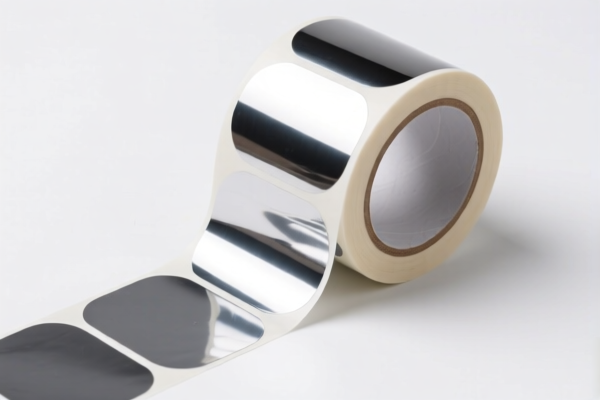
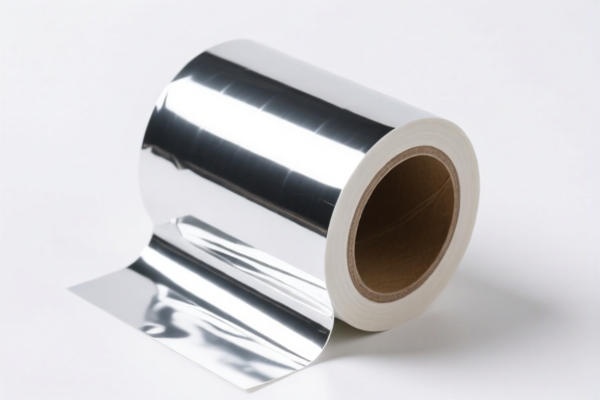
Reflective Self Adhesive Label Roll Material
CN → US| HS编码 | 关税税率 | 原产国 | 目的国 | 文档 |
|---|---|---|---|---|
| 5907008090 | 35.0% | CN | US | 官方文档 |
| 3926909989 | 22.8% | CN | US | 官方文档 |
| 5907001500 | 43.0% | CN | US | 官方文档 |
| 3926909925 | 22.8% | CN | US | 官方文档 |
| 5907003500 | 43.0% | CN | US | 官方文档 |
商品图片


AI分析
🏷️ Reflective Self-Adhesive Label Roll Material
🌐 HS Code Reference & Clearance Guide | 2026 Latest Tariff Analysis | Professional Customs Strategy
📌 I. Product Definition: What Exactly Are We Dealing With?
Reflective Self-Adhesive Label Roll Material is a composite industrial product primarily used for safety signage, traffic markings, high-visibility clothing, and logistics labeling. In international trade, its classification is notoriously complex because it sits at the intersection of textiles (fabrics), plastics (films), and adhesive products.
The key to accurate classification lies in two physical characteristics: 1. Material Base: Is the underlying substrate a woven/knitted fabric (textile) or a plastic/film sheet (plastic)? 2. Functionality: Does it have a specific "reflective" coating that defines its essential character, or is it simply a self-adhesive label?
⚠️ Critical Distinction:
- If the base material is a fabric (e.g., polyester, nylon, cotton) coated with glass beads or prismatic film → It is generally classified under Chapter 59 (Impregnated/Covered Textiles).
- If the base material is a plastic film (e.g., PET, PVC, PE) → It is generally classified under Chapter 39 (Plastics and Articles Thereof).
- Misclassification Risk: Declaring a fabric-based reflective tape as a plastic product (or vice versa) triggers massive duty differences and potential customs penalties.
📦 II. HS Code Classification Matrix (2026 Latest Tariff Alignment)
Based on the provided data, here are the 5 most likely HS Codes for this product, sorted by probability and risk.
| HS Code | Product Description | Why It Matches (Logic) | Total Tax Rate (CN→US) |
|---|---|---|---|
| 5907.00.80.90 | Textiles Impregnated, Coated, Covered, or Laminate... Other | Top Match. "Roll material" + "Reflective" often implies a fabric base (fiber substrate) with a coating. "Self-adhesive" is treated as a finishing process. No material conflict with textiles. | 35.0% |
| 3926.90.99.89 | Other Articles of Plastics and Articles of Other Materials of Heading 3901 to 3914 | Plastic Alternative. If the base is a plastic film (not fabric), this "Other" category applies. Matches "Roll" form factor and "Plastic/Polymer" material attributes. | 22.8% |
| 5907.00.15.00 | Textiles Impregnated, Coated, Covered... of Synthetic Fibers | Synthetic Fabric Focus. Infers a polymer-coated fabric/film hybrid. Matches "Self-adhesive" + "Reflective" features on a synthetic base. High tariff due to China origin. | 43.0% |
| 3926.90.99.25 | Other Articles of Plastics... Reflective Warning Signs | Specific Plastic Use. Matches "Roll" form and "Reflective" attribute specifically for warning signs. Assumes plastic material base. | 22.8% |
| 5907.00.35.00 | Textiles Impregnated, Coated, Covered... Other Layered Fabric | Layered Fabric Logic. Matches "Self-adhesive" + "Roll" + "Coated" characteristics. Classified as a layered/impregnated textile. | 43.0% |
🔍 Key Insight:
- Chapter 59 (5907) items are typically higher taxed (35-43%) but apply if the base is textile/fabric.
- Chapter 39 (3926) items are lower taxed (22.8%) but apply if the base is plastic/film.
- The 20.2% differential between Chapter 39 and 59 is significant. You must determine the primary material accurately.
💰 III. 2026 Tariff Breakdown (Detailed Tax Clauses)
✅ Applicable Countries: United States (US)
✅ Country of Origin: China (CN)
✅ Effective Date: November 10, 2025 onwards (includes subsequent imports)
🎯 1. 5907.00.80.90 – Textiles, Coated (The "Fabric" Route)
| Item | Detail |
|---|---|
| Base Tariff | 0.0% (Ad Valorem) |
| Section 301 Tariff | +25.0% (USITC Footnote: China-specific) |
| IEEPA Tariff | +10.0% (Section 122 Clause: China-specific) |
| Total Effective Rate | 35.0% |
| Calculation Basis | CIF Value × 35% |
| De Minimis Exemption | ❌ Denied (deny_de_minimis applies to China-origin goods under 301/IEEPA) |
| Legal Authority Path | USITC:5907.00.80.90 → 301:Footnote9903.88.01 → IEEPA:9903.01.25 |
📌 Explanation:
- The 0% base reflects the standard MFN duty for "Other" coated textiles.
- The 25% comes from the "301 Action" on Chinese goods.
- The 10% is the additional "122 Clause" tariff under IEEPA, effective from late 2025.
- Total 35% is a high-cost classification.
🎯 2. 3926.90.99.89 – Plastics, Other (The "Film" Route)
| Item | Detail |
|---|---|
| Base Tariff | 5.3% |
| Section 301 Tariff | +7.5% (USITC Footnote: China-specific) |
| IEEPA Tariff | +10.0% (Section 122 Clause: China-specific) |
| Total Effective Rate | 22.8% |
| Calculation Basis | CIF Value × 22.8% |
| De Minimis Exemption | ❌ Denied |
| Legal Authority Path | USITC:3926.90.99.89 → 301:Footnote9903.88.01 → IEEPA:9903.01.24 |
📌 Explanation:
- The 5.3% base is higher than textiles but offset by a lower 301 rate (7.5% vs 25%).
- The 10% IEEPA surcharge applies equally to both chapters.
- Total 22.8% is 12.2% cheaper than the textile route. This is the primary incentive for claiming a plastic base.
🎯 3. 5907.00.15.00 & 5907.00.35.00 – Synthetic/Composite Textiles (High Risk/High Cost)
| Item | Detail |
|---|---|
| Base Tariff | 8.0% |
| Section 301 Tariff | +25.0% |
| IEEPA Tariff | +10.0% |
| Total Effective Rate | 43.0% |
| Calculation Basis | CIF Value × 43% |
| Legal Authority Path | USITC:5907.00.15.00 → 301:25% → IEEPA:10% |
📌 Explanation:
- These codes are for synthetic fiber fabrics specifically.
- They carry the highest burden (43%). Only use if the product is definitively a synthetic textile with no plastic film dominance.
🎯 4. 3926.90.99.25 – Reflective Plastic Articles (Specific Plastic Match)
| Item | Detail |
|---|---|
| Base Tariff | 5.3% |
| Section 301 Tariff | +7.5% |
| IEEPA Tariff | +10.0% |
| Total Effective Rate | 22.8% |
| Legal Authority Path | USITC:3926.90.99.25 → 301:7.5% → IEEPA:10% |
📌 Explanation:
- Matches 3926.90.99.89 in tax rate (22.8%).
- The summary notes alignment with "Reflective Warning Signs," making it a strong candidate if the product is explicitly for warning purposes and plastic-based.
🛠️ IV. Customs Clearance Practical Advice (Pitfall Avoidance Guide)
✅ 1. Documentation Checklist (Non-Negotiable)
| Document | Required? | Description |
|---|---|---|
| ✅ Product Spec Sheet | ✔️ | Must specify Base Material (e.g., "Polyester Woven" vs. "PET Film") and Coating Type (Glass Beads vs. Prismatic). |
| ✅ Material Composition Breakdown | ✔️ | Percentage of fabric vs. plastic layer. Crucial for Chapter 59 vs. 39 decision. |
| ✅ Product Photos (Cross-Section) | ✔️ | Shows the layers: Adhesive + Reflective Layer + Base. |
| ✅ Commercial Invoice | ✔️ | Must describe item as "Reflective Tape" or "Label Material," NOT generic "Label." |
| ✅ HS Code Pre-Ruling | ✔️ | Highly recommended for first-time shipments to lock in the 22.8% vs 35% rate. |
✅ 2. Classification Strategy (The "Base Material" Test)
🔥 Golden Rule: "Base Material Determines the Chapter!"
| Scenario | Correct Classification | Reason |
|---|---|---|
| Fabric Base (Woven/Knitted Polyester) | 5907.00.80.90 or 5907.00.35.00 | The textile nature dominates. Even if coated heavily, it's Chapter 59. |
| Plastic Film Base (PET/PVC Roll) | 3926.90.99.89 or 3926.90.99.25 | The plastic nature dominates. Treated as a plastic article. |
| Composite/Mixed | Risk of Misclassification | If layers are inseparable, GRI 3(b) applies (essential character). Usually, the reflective function might suggest plastic, but textile base often forces Chapter 59. |
⚠️ Warning: Do not guess. If you declare "Plastic" (3926) but customs tests and finds a fabric weave, you face 25% duty + penalties + back taxes.
✅ 3. Special Circumstances Handling
| Situation | Action |
|---|---|
| OEM Branding | Ensure the invoice lists "Reflective Label Roll Material" to avoid being classified as a "Finished Good" (which might have different duties). |
| Small Samples (De Minimis) | ❌ Do Not Use Section 321. China-origin goods with 301/IEEPA tariffs are excluded from de minimis exemption. You must pay the full duty even for small packages. |
| Third-Party Warehousing | If stored in Mexico/Canada, Rules of Origin change. Ensure substantial transformation occurs to avoid China-specific surcharges. |
🌍 V. Global Market Comparison (2026 Update)
| Market | Recommended HS Code | Estimated Total Duty (CN Origin) | Key Certification |
|---|---|---|---|
| 🇺🇸 USA | 3926.90.99.89 (Preferred) |
22.8% | FTC Labeling, CPSIA (if for kids) |
| 🇺🇸 USA | 5907.00.80.90 (Alternative) |
35.0% | Same as above |
| 🇨🇳 China | 5907.00.90.90 |
~0-5% (Import) | N/A |
| 🇪🇺 EU | 5907.90.00 |
6.5% + VAT | REACH, CLP |
| 🇬🇧 UK | 5907.90.00 |
6.5% + VAT | UKCA Marking |
📌 Conclusion:
- USA is the most expensive market due to 301/IEEPA tariffs.
- Plastic-based (3926) is significantly cheaper than fabric-based (5907) in the US.
- EU/UK do not have the aggressive "301" style tariffs, so the duty difference is minimal.
📌 VI. Common Errors & Pitfalls (Lessons Learned)
❌ Error 1: Calling it "Self-Adhesive Label"
👉 Consequence: Customs may classify it as a "Label" (Chapter 49 or 3926) but ignore the "Reflective/Textile" aspect, leading to audits.
👉 Fix: Use precise description: "Reflective Self-Adhesive Roll Material, Base Material: PET Film."
❌ Error 2: Assuming all "Reflective Tape" is Plastic
👉 Consequence: If it's actually a woven polyester tape, Classifying under 3926 is illegal misdeclaration.
👉 Fix: Perform a burn test or microscopic analysis to confirm base material.
❌ Error 3: Ignoring IEEPA 10% Surcharge
👉 Consequence: Paying only 301 (25%) and missing the 10% IEEPA, leading to back duties + interest upon release.
👉 Fix: Always calculate Base + 301 + IEEPA.
🎯 VII. Conclusion: Professional Classification for Cost Efficiency
🎯 Key Takeaway:
🔹 "Check the Base: Fabric = 35-43%, Plastic = 22.8%."
🔹 "No De Minimis for China: Always declare duty."
🔹 "Document the Layers: Prove it's Plastic to Save 12.2%."
📌 Recommendation:
For Reflective Self-Adhesive Label Roll Material, if you have any control over the supply chain, consider specifying a PET or PVC film base to utilize HS Code 3926.90.99.89/25 for the 22.8% total duty rate. If the product is inherently fabric-based, you must accept the 35%+ rate under 5907.
📣 Immediate Action:
📞 Request a Material Analysis Report from your supplier.
📄 Apply for a US CBP Pre-Ruling if shipping large volumes.
💼 Consult a Customs Broker to validate the "Essential Character" of your specific roll.
✨ Precision in Classification Saves Thousands!
💼 Don't let a 12% tariff difference eat your profit margin!
用户评价
关于 HS 编码归类
协调制度(HS)是由世界海关组织(WCO)制定的国际贸易商品分类标准。全球 200 多个国家采用 HS 系统作为海关关税、贸易统计和进出口监管的基础。
每个 HS 编码遵循以下层级结构:
- 章(2 位)——商品大类(例如:第 84 章:机器和机械设备)
- 品目(4 位)——章内的更具体分类
- 子目(6 位)——国际通用细分,所有 WCO 成员国统一使用
- 本国细分(8-10 位)——各国自行扩展的细分编码,如美国 HTSUS 10 位编码
正确的 HS 编码归类对于顺利通关、准确缴纳关税和遵守贸易法规至关重要。错误归类可能导致海关延误、多缴关税或罚款。
从CN进口到US时,适用的关税税率可能包括:
- 最惠国(MFN)税率——适用于 WTO 成员国的标准关税税率
- 普通税率——适用于无贸易协定国家
- 贸易救济关税——附加关税,如 301 条款(反倾销)、232 条款(国家安全)或反补贴税
本页内容仅供参考。如需正式归类,请咨询当地海关或持牌报关代理。