Refractory Fiber Reinforced Mortar
CN → US| HS编码 | 关税税率 | 原产国 | 目的国 | 文档 |
|---|---|---|---|---|
| 3816002050 | 38.0% | CN | US | 官方文档 |
| 3816002010 | 38.0% | CN | US | 官方文档 |
| 6806900090 | 35.0% | CN | US | 官方文档 |
| 6806900020 | 35.0% | CN | US | 官方文档 |
| 3214100020 | 38.7% | CN | US | 官方文档 |
商品图片
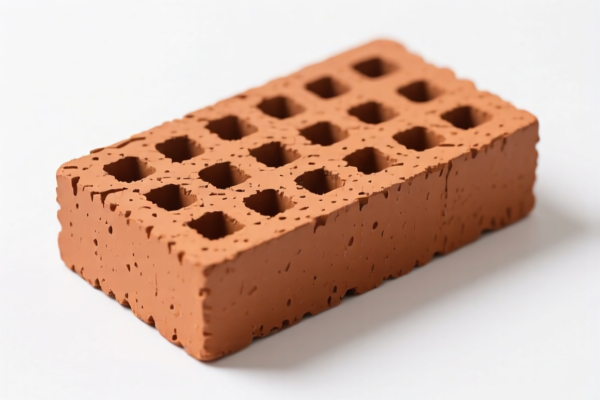
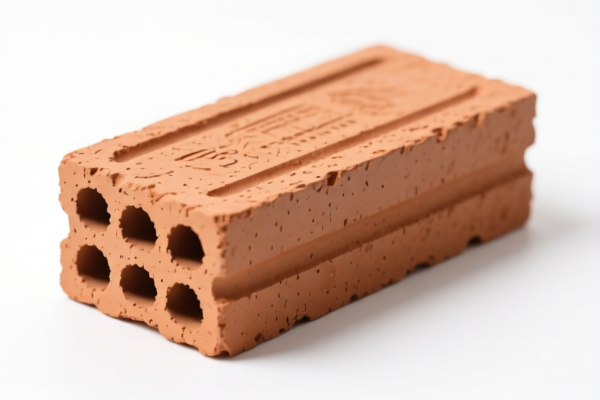
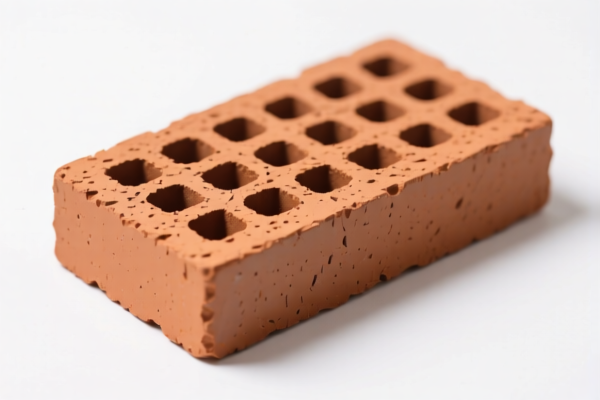
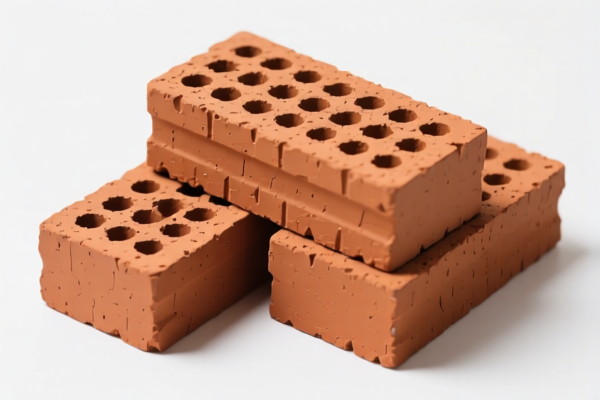
AI分析
🔥 Refractory Fiber Reinforced Mortar: The Ultimate Classification & Customs Clearance Guide
🌐 HS Code Reference & Customs Clearance Strategy | 2026 Latest Tariff Analysis | Professional Compliance Guide
📌 I. Product Definition & Classification: What Exactly is "Refractory Fiber Reinforced Mortar"?
Refractory Fiber Reinforced Mortar is a specialized construction material used in high-temperature environments (industrial furnaces, kilns, boilers). It combines refractory aggregates (fire-resistant minerals) with reinforcing fibers (glass, ceramic, or steel) and binders to provide structural integrity and fire resistance.
In international trade, this product sits at the intersection of two major categories: 1. Chemical/Prepared Refractories: If the binding agent and chemical composition define it as a specialized industrial chemical product. 2. Mineral Construction Materials: If it is classified broadly as a ceramic or stone-based building material.
⚠️ Key Distinction Point:
- If the product is primarily defined by its chemical preparation for high-temperature resistance (e.g., specialized binders, specific fiber treatments), it often falls under Chapter 38 (Miscellaneous Chemical Products) or Chapter 32 (Resins/Sealants).
- If the product is primarily defined by its mineral/aggregate base (e.g., refractory brick-like properties, stone/concrete derivatives), it falls under Chapter 68 (Articles of Stone, Plaster, Cement, Asbestos, or Mica).
📦 II. HS Code Classification Details (2026 Latest Tariff Authority Match)
Based on the provided data, here are the 5 potential HS Codes with detailed reasoning for each. Note that misclassification can lead to significant duty discrepancies.
| HS Code | Product Description | Matching Logic & Summary | Total Tax Rate | Tax Detail Breakdown |
|---|---|---|---|---|
| 3816.00.20.50 | Prepared Refractory Burieds, Coatings & Cements (Other) | Logic: "Mortar" matches "Refractory" material exactly; "Fireproof" aligns with "Refractory" use; fits "Other" category under reasonable material inference. | 38.0% | Base: 3.0% + Section 301: 25.0% + Section 122: 10.0% |
| 3816.00.20.10 | Prepared Refractory Burieds, Coatings & Cements (Other) | Logic: "Mortar" is the core material category; "Fireproof" corresponds to "Refractory" use; reasonable material inference with no conflict. | 38.0% | Base: 3.0% + Section 301: 25.0% + Section 122: 10.0% |
| 6806.90.00.90 | Other Articles of Stone, Plaster, Cement, Asbestos, Mica or Similar Materials | Logic: "Mortar" is a mineral material product; "Fireproof" is a functional characteristic; inferred as a mineral-based construction material, fitting this residual category. | 35.0% | Base: 0.0% + Section 301: 25.0% + Section 122: 10.0% |
| 6806.90.00.20 | Other Articles of Stone, Plaster, Cement, Asbestos, Mica or Similar Materials | Logic: Inferred material is mineral/inorganic; "Mortar" aligns functionally with "molded products"; no material conflict with mineral attributes. | 35.0% | Base: 0.0% + Section 301: 25.0% + Section 122: 10.0% |
| 3214.10.00.20 | Prepared Mounting Meds, Sealants & Similar Products (Other) | Logic: Inferred as a sealing/filling composite material; physical form and function (sealing/filling) align with "Other" category for filling materials. | 38.7% | Base: 3.7% + Section 301: 25.0% + Section 122: 10.0% |
🔍 Critical Note:
- Chapter 38 (Codes .10/.20) and Chapter 68 (Codes .20/.90) are the primary battlegrounds for this product.
- Chapter 32 is a less common but possible alternative if the mortar is primarily a sealant/caulk type.
- Duty Difference: The difference between Base Tax of 3.0% vs 0.0% significantly impacts the total cost, especially on high-value industrial shipments.
💰 III. 2026 Latest Tariff Rate Details (Including Surcharges & Policy Add-ons)
✅ Applicable Country: United States (US)
✅ Origin: China (CN)
✅ Effective Time: November 10, 2025 (including subsequent imports)
🎯 1. 3816.00.20.50 / 3816.00.20.10 —— Prepared Refractory Products (Chemical/Industrial Class)
| Item | Content |
|---|---|
| Base Tariff | 3.0% (ad valorem) |
| Section 301 (USITC) | +25% (Added tariffs on Chinese goods) |
| Section 122 (IEEPA) | +10% (Added tariffs for Chinese/HK products, effective Nov 10, 2025) |
| Total Effective Rate | 38.0% |
| Tax Calculation | CIF Value × 38.0% |
| De Minimis Exemption? | ❌ NO (Not eligible for de minimis exemption) |
| Legal Path | IEEPA:9903.01.25 → IEEPA:9903.01.24 → USITC:3816.00.20.50/10 → FOOTNOTE:9903.88.01 |
📌 Explanation:
- These codes fall under "Prepared Refractories" in Chapter 38.
- The 3% base reflects the standard duty for chemical/industrial preparations.
- 35% Total (301 + 122) makes this a high-cost category for Chinese imports.
🎯 2. 6806.90.00.90 / 6806.90.00.20 —— Mineral Construction Materials (Stone/Plaster/Cement Class)
| Item | Content |
|---|---|
| Base Tariff | 0.0% (ad valorem) |
| Section 301 (USITC) | +25% (Added tariffs on Chinese goods) |
| Section 122 (IEEPA) | +10% (Added tariffs for Chinese/HK products, effective Nov 10, 2025) |
| Total Effective Rate | 35.0% |
| Tax Calculation | CIF Value × 35.0% |
| De Minimis Exemption? | ❌ NO (Not eligible for de minimis exemption) |
| Legal Path | IEEPA:9903.01.25 → IEEPA:9903.01.24 → USITC:6806.90.00.90/20 → FOOTNOTE:9903.88.01 |
📌 Note:
- These codes fall under "Articles of Stone, Plaster, Cement" in Chapter 68.
- The 0% base is significantly cheaper than Chapter 38.
- 35% Total (301 + 122) is still high, but 3% lower than the Chapter 38 options.
- This classification relies on proving the product is primarily a mineral-based construction material rather than a chemically prepared refractory coating.
🎯 3. 3214.10.00.20 —— Sealants & Mounting Meds (Chemical/Sealant Class)
| Item | Content |
|---|---|
| Base Tariff | 3.7% (ad valorem) |
| Section 301 (USITC) | +25% (Added tariffs on Chinese goods) |
| Section 122 (IEEPA) | +10% (Added tariffs for Chinese/HK products, effective Nov 10, 2025) |
| Total Effective Rate | 38.7% |
| Tax Calculation | CIF Value × 38.7% |
| De Minimis Exemption? | ❌ NO (Not eligible for de minimis exemption) |
| Legal Path | IEEPA:9903.01.25 → IEEPA:9903.01.24 → USITC:3214.10.00.20 → FOOTNOTE:9903.88.01 |
📌 Caution:
- This is the most expensive option at 38.7%.
- It applies only if the mortar is explicitly marketed and used as a sealant, caulk, or gap filler, not as a structural refractory lining.
🛠️ IV. Customs Clearance Practical Advice (Real-World Pitfall Guide)
✅ 1. Document Preparation Checklist (Non-negotiable)
| Document | Required | Description |
|---|---|---|
| ✅ Product Specification Sheet | ✔️ | Must detail: Mineral composition, fiber type, binder type, max temp resistance, and physical form (paste, powder, brick). |
| ✅ MSDS / SDS | ✔️ | Safety Data Sheet to confirm chemical composition and hazard class. |
| ✅ Product Photos | ✔️ | Clear images of packaging, label, and product texture (powder vs. paste). |
| ✅ Usage Declaration | ✔️ | Explicit statement: "Used for lining industrial furnaces/kilns" or "Used for sealing high-temperature joints." |
| ✅ Commercial Invoice | ✔️ | Must clearly describe the product, avoiding vague terms like "Building Material." |
| ✅ Certificate of Origin | ✔️ | To determine eligibility for any potential exclusions (though unlikely for these HS codes). |
| ✅ Packing List | ✔️ | Detail net/gross weight, dimensions, and packaging type. |
✅ 2. Declaration Strategy (Key Mantra)
🔥 "Define by Base: Mineral vs. Chemical; Define by Function: Structural vs. Sealant!"
| Scenario | Correct Declaration | Wrong Declaration |
|---|---|---|
| High-temp furnace lining paste | 3816.00.20.x0 (Refractory Chemical) |
"Mortar" → Misclassified as generic cement |
| Refractory brick-like blocks | 6806.90.00.x0 (Mineral Product) |
"Refractory Chemical" → Higher duty |
| High-temp joint sealant | 3214.10.00.20 (Sealant) |
"Mortar" → Misclassified |
| Generic "Fireproof Mortar" | Vague → High Risk of Audit | Never use just "Mortar" |
✅ 3. Special Case Handling
| Case | Handling Advice |
|---|---|
| Hybrid Products | If the product contains both chemical binders and mineral aggregates, provide lab test reports showing the primary component. If mineral >50%, lean towards Chapter 68. |
| OEM Custom Orders | Provide client-specific formulas or drawings. If the client specifies "Refractory Coating," use 3816. If "Refractory Brick Substitute," use 6806. |
| Certifications | Ensure compliance with ASTM C standards (for refractories) or UL standards. Missing certifications can lead to delays. |
| Temperature Rating | Clearly state the max service temperature (e.g., 1000°C, 1600°C). Higher temp ratings support the "Refractory" classification under Chapter 38. |
🌍 V. Global Market Comparison (2026 Latest)
| Country/Region | Recommended HS Code | Duty Rate | Certification | Notes |
|---|---|---|---|---|
| 🇺🇸 USA | 3816.00.20.x0 or 6806.90.00.x0 |
35% - 38.7% | ASTM, UL, CPSIA (if consumer) | Highest duty burden due to 301+122 tariffs. |
| 🇨🇳 China | 3816.00.20.x0 or 6806.90.00.x0 |
0% - 5% | CCC (if applicable) | No additional surcharges. |
| 🇪🇺 EU | 6806.90.00.x0 |
0% - 4% | CE, REACH | Lower duties than US. Focus on mineral classification. |
| 🇦🇺 Australia | 3816.00.20.x0 |
5% | RCM, TGA | Moderate duties. |
| 🇯🇵 Japan | 6806.90.00.x0 |
0% - 3% | JIS | Low duties. |
📌 Conclusion:
- USA is the most challenging market for this product due to Section 301 and Section 122 tariffs.
- Mineral classification (Chapter 68) saves 3% compared to Chemical classification (Chapter 38).
- Always aim for Chapter 68 if the product is structurally a stone/cement-based material.
📌 VI. Common Mistakes & Pitfall Guide (Lessons Learned)
❌ Mistake 1: Classifying as 2523 (Cement) without checking Chapter 38/68.
👉 Consequence: Misclassification audit, penalties, and potential retroactive duty differences.
❌ Mistake 2: Using "Mortar" as the only description.
👉 Consequence: Customs cannot determine if it's chemical (38) or mineral (68) → Delays.
❌ Mistake 3: Ignoring Section 122 Tariffs (effective Nov 2025).
👉 Consequence: Budgeting based on pre-2025 rates leads to underpayment and clearance holds.
❌ Mistake 4: Claiming "De Minimis" exemption for small samples.
👉 Consequence: Denied. These goods are explicitly excluded from de minimis if they contain Chinese inputs and fall under these HS codes.
✅ Correct Approach:
"Refractory Fiber Reinforced Mortar, High-Temperature (1500°C), Mineral-Based, for Industrial Kiln Lining, ASTM C1104 Compliant, Model XYZ"
🎯 VII. Conclusion: Professional Declaration, Cost Efficiency!
🎯 Remember the Mantra:
🔹 "Mineral Base = 6806 (35%); Chemical Binder = 3816 (38%); Sealant Use = 3214 (38.7%)."
🔹 "Base Tax is Key: 0% vs 3% makes a 3% difference on large volumes."
🔹 "Section 122 is New: +10% is now standard for Chinese imports."
📌 Pro Tip:
If your product is primarily mineral-based (e.g., refractory brick substitute, castable refractory), aggressively advocate for Chapter 68 (6806.90.00.x0) to save the 3% base duty difference.
Request a Binding Tariff Information (BTI) or Advance Ruling from U.S. Customs and Border Protection (CBP) before shipping large volumes to mitigate classification risk.
📣 Immediate Action:
📞 Contact a licensed customs broker + Provide Product Specs + Apply for Advance Ruling
🚀 Ensure smooth clearance, accurate cost forecasting, and full compliance!
✨ Professional Customs Clearance Starts with Precise Classification!
💼 Every percentage point counts in high-duty commodities!
用户评价
关于 HS 编码归类
协调制度(HS)是由世界海关组织(WCO)制定的国际贸易商品分类标准。全球 200 多个国家采用 HS 系统作为海关关税、贸易统计和进出口监管的基础。
每个 HS 编码遵循以下层级结构:
- 章(2 位)——商品大类(例如:第 84 章:机器和机械设备)
- 品目(4 位)——章内的更具体分类
- 子目(6 位)——国际通用细分,所有 WCO 成员国统一使用
- 本国细分(8-10 位)——各国自行扩展的细分编码,如美国 HTSUS 10 位编码
正确的 HS 编码归类对于顺利通关、准确缴纳关税和遵守贸易法规至关重要。错误归类可能导致海关延误、多缴关税或罚款。
从CN进口到US时,适用的关税税率可能包括:
- 最惠国(MFN)税率——适用于 WTO 成员国的标准关税税率
- 普通税率——适用于无贸易协定国家
- 贸易救济关税——附加关税,如 301 条款(反倾销)、232 条款(国家安全)或反补贴税
本页内容仅供参考。如需正式归类,请咨询当地海关或持牌报关代理。