Refractory Mortar High Magnesium
CN → US商品图片
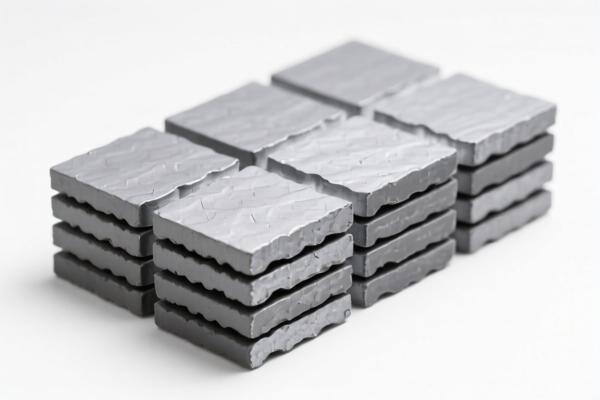
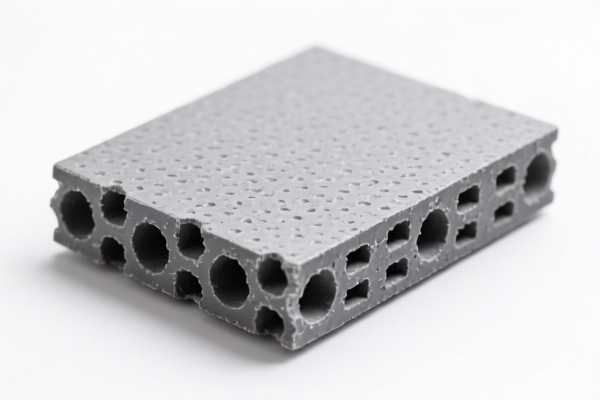
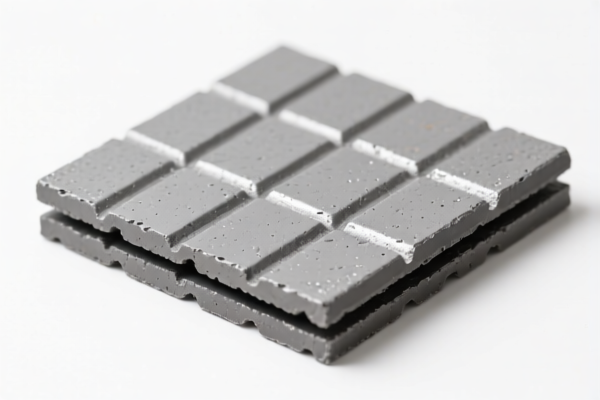
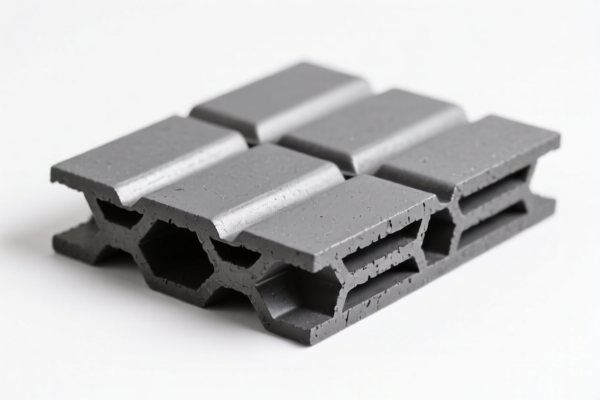
AI分析
🧱 High Magnesium Refractory Mortar: The Ultimate Guide to Classification & Clearance
🌐 HS Code Reference & Clearance Strategy | 2026 Latest Tariff Analysis | Professional-Level Compliance
📌 I. Product Definition & Classification: What is "High Magnesium Refractory Mortar"?
High Magnesium Refractory Mortar is a specialized binding material used in the construction and maintenance of high-temperature industrial furnaces (such as electric arc furnaces, basic oxygen furnaces, and steel ladles). Its primary component is Magnesia (MgO), often combined with other refractory aggregates and binders to withstand extreme thermal stress and chemical corrosion.
In international trade, it is not classified as a simple chemical mixture or a standard cement, but rather as a refractory ceramic product designed for specific high-temperature applications.
⚠️ Key Distinction:
- If it is a finished ceramic product ready for installation in a furnace → It is a Refractory Ceramic Product (Chapter 69).
- If it is a chemical mixture used specifically as a desulfurization reagent (not for lining furnaces) → It is a Chemical Preparation (Chapter 38).
- ⚠️ Note: Standard "mortar" implies a binding material for construction/refractory lining, making 6914.90 the most technically accurate classification for refractory goods, while 3824.99.93.86 is a specific exception for desulfurization mixtures. 2523.29 is generally incorrect for finished mortars, as it covers hydraulic cements.
📦 II. HS Code Classification Details (2026 Latest Tariff Authority Comparison)
Based on the provided data, here are the three potential classifications and their implications:
| HS Code | Product Description | Applicability | Risk Level |
|---|---|---|---|
3824.99.93.86 |
Prepared binders for foundry molds/cores; Chemical products containing magnesium as a desulfurization reagent. | ✅ Only if the product is explicitly marketed and used as a desulfurization agent in metallurgy, NOT as a furnace lining mortar. | ⚠️ High Risk if misclassified (see tax below). |
6914.90 |
Refractory ceramic products of a kind suitable for use as refractories, not elsewhere specified or included. | ✅ Correct for standard high-magnesium mortars used in furnace lining/construction. | ✅ Low Risk (but tax info missing in source). |
2523.29 |
Other hydraulic cements (based on classification of refractory mortars as cementitious material). | ❌ Incorrect for refractory mortars. This chapter covers lime/cement for construction, not high-temp refractory ceramics. | 🔴 High Risk (Likely misclassification). |
🔍 Critical Analysis:
- The description "refractory mortar high magnesium" strongly points to Chapter 69 (Ceramics). Mortars are composed of refractory aggregates and binders, forming a ceramic composite when set. -3824.99.93.86is a specific exception for magnesium mixtures used as desulfurization reagents. If your product is a mortar for furnace lining, it should NOT be classified here. However, if it is a powder used to remove sulfur from molten metal, it MUST be classified here. -2523.29is likely a misclassification in the source data for "refractory" goods, as hydraulic cements are not refractory.
💰 III. 2026 Latest Tariff Rate Details (Including Surtaxes)
✅ Applicable Country: United States (US)
✅ Origin: China (CN)
✅ Effective Date: Current tariffs apply
🎯 1. 3824.99.93.86 —— Mixtures containing magnesium as a desulfurization reagent
| Item | Details |
|---|---|
| Base Tariff | 5.0% |
| Section 301 Surtax | 25.0% |
| Total Tax Rate | 30.0% |
| Tax Calculation | CIF Value × 30% |
| Legal Basis | Specific HS Code description for magnesium desulfurization mixtures. |
📌 Explanation:
- This is a high-duty classification.
- If your product is not a desulfurization reagent but a furnace mortar, using this code may lead to customs audits for misclassification, even if the tax rate is known.
- Warning: Ensure the product’s primary use is desulfurization. If it’s for lining furnaces, this code is wrong.
🎯 2. 6914.90 —— Refractory Ceramic Products (Not Elsewhere Specified)
| Item | Details |
|---|---|
| Base Tariff | Information Not Available in Source |
| Surtax | Information Not Available in Source |
| Total Tax Rate | Error / Unknown |
| Recommendation | Do not rely on source data. Check latest USITC database for Chapter 69 rates. Typically, refractory ceramics have base rates between 0-5.7%, but Section 301 surtaxes (25%) may apply. |
📌 Note:
- Since the source data indicates "Failed to retrieve tax information," you must verify the current rate via the U.S. International Trade Commission (USITC) database or a customs broker.
- Historically, many refractory products face 25% Section 301 surtax if originating from China.
🎯 3. 2523.29 —— Other Hydraulic Cements
| Item | Details |
|---|---|
| Base Tariff | Information Not Available in Source |
| Surtax | Information Not Available in Source |
| Total Tax Rate | Error / Unknown |
| Recommendation | Avoid. This code is for construction cement, not refractory materials. Misclassification can result in penalties. |
🛠️ IV. Clearance Practical Advice (Real-World Pitfall Guide)
✅ 1. Required Documentation Checklist
| Document | Mandatory? | Purpose |
|---|---|---|
| ✅ Product Specification Sheet | ✔️ | Must specify: MgO content %, binder type, application (furnace lining vs. desulfurization). |
| ✅ Certificate of Use | ✔️ | Crucial: A letter from the buyer stating the exact end-use (e.g., "Used for desulfurization of molten steel" vs. "Used for lining electric arc furnace"). |
| ✅ Product Photos | ✔️ | Show packaging, label, and physical form (powder vs. pre-formed bricks). |
| ✅ Commercial Invoice | ✔️ | Clearly state "High Magnesium Refractory Mortar" or "Magnesium-based Desulfurization Agent." Avoid vague terms like "Chemical Mix." |
| ✅ Bill of Lading | ✔️ | Ensure weight and quantity match invoice. |
✅ 2. Declaration Strategy (Key Tips)
🔥 “Use Determines Code: Lining = 69, Desulfurization = 38”
| Scenario | Correct HS Code | Common Mistake |
|---|---|---|
| Powder used to remove sulfur from molten metal | 3824.99.93.86 |
Misclassifying as refractory mortar (6914) → Potential penalty for wrong code. |
| Mortar for lining steel furnaces | 6914.90 (Verify rate) |
Misclassifying as desulfurization reagent (3824) → 30% Tax instead of potentially lower refractory rate. |
| Hydraulic cement for construction | 2523.29 (Verify rate) |
Using for refractory purposes → Misclassification. |
📌 Warning:
- Do not declare "refractory mortar" if it is actually a desulfurization agent. Customs may request a Certificate of Use.
- Do not declare "desulfurization agent" if it is furnace mortar. This leads to overpayment of tax (30% vs. potentially lower) and audit risk.
✅ 3. Special Handling
| Situation | Advice |
|---|---|
| OEM/Custom Blend | Provide formula or MSDS to prove MgO content and binder type. |
| Mixed Shipments | If shipping both refractory mortars and desulfurization agents, separate declarations are mandatory. |
| Origin Disclosure | Clearly state "Product of China" to trigger correct Section 301 surtax if applicable. |
🌍 V. Global Market Comparison (2026 Update)
| Country/Region | Recommended HS Code | Estimated Tariff (China Origin) | Notes |
|---|---|---|---|
| 🇺🇸 USA | 3824.99.93.86 (if desulfurization) |
30.0% | High duty due to Section 301. |
| 🇺🇸 USA | 6914.90 (if refractory) |
Variable | Check USITC; likely +25% surtax. |
| 🇪🇺 EU | 6914.90 |
0-5% + VAT | Usually low duty for refractories. |
| 🇨🇳 China | 6914.90 |
0% (Export) | N/A for import. |
📌 Conclusion:
- USA is the most complex market due to Section 301 surtaxes.
- Classification depends 100% on end-use. Get a Certificate of Use from your buyer.
📌 VI. Common Errors & Pitfalls (Lessons Learned)
❌ Error 1: Declaring furnace mortar as "desulfurization reagent" to simplify description.
👉 Consequence: If audited, customs may demand proof of use. If proof shows furnace lining, misclassification penalty applies.
❌ Error 2: Using 2523.29 for refractory mortar.
👉 Consequence: Customs will reject as "non-refractory hydraulic cement." Delay in clearance + storage fees.
❌ Error 3: Ignoring Section 301 surtax for 3824.99.93.86.
👉 Consequence: Underpayment of 25% surtax → Back taxes + Interest + Penalties.
✅ Correct Practice:
"High Magnesium Refractory Mortar (MgO > 85%), for use in electric arc furnace lining, Certificate of Use Attached."
🎯 VII. Conclusion: Precision in Classification Saves Money!
🎯 Remember:
🔹 "Mortar for Furnace? Go 6914."
🔹 "Desulfurization Agent? Go 3824.99.93.86 (30% Tax)."
🔹 "Get a Certificate of Use to Prove Your Case!"
📌 Pro Tip:
If your product is refractory mortar, verify the exact tariff for 6914.90 via the USITC Tariff Database before shipping. The source data's "Error" status means you cannot rely on it for cost calculation. Assume a 25% Section 301 surtax may apply, in addition to the base rate.
📣 Immediate Action:
📞 Contact a customs broker with your Certificate of Use.
🚀 Ensure your invoice clearly states the end-use to avoid clearance delays.
💼 Accurate classification is the first step to smooth customs clearance!
✨ Professional clearance starts with precise classification!
💼 Every percentage point matters in global trade!
用户评价
关于 HS 编码归类
协调制度(HS)是由世界海关组织(WCO)制定的国际贸易商品分类标准。全球 200 多个国家采用 HS 系统作为海关关税、贸易统计和进出口监管的基础。
每个 HS 编码遵循以下层级结构:
- 章(2 位)——商品大类(例如:第 84 章:机器和机械设备)
- 品目(4 位)——章内的更具体分类
- 子目(6 位)——国际通用细分,所有 WCO 成员国统一使用
- 本国细分(8-10 位)——各国自行扩展的细分编码,如美国 HTSUS 10 位编码
正确的 HS 编码归类对于顺利通关、准确缴纳关税和遵守贸易法规至关重要。错误归类可能导致海关延误、多缴关税或罚款。
从CN进口到US时,适用的关税税率可能包括:
- 最惠国(MFN)税率——适用于 WTO 成员国的标准关税税率
- 普通税率——适用于无贸易协定国家
- 贸易救济关税——附加关税,如 301 条款(反倾销)、232 条款(国家安全)或反补贴税
本页内容仅供参考。如需正式归类,请咨询当地海关或持牌报关代理。