Refractory Mud (High Viscosity)
CN → US| HS编码 | 关税税率 | 原产国 | 目的国 | 文档 |
|---|---|---|---|---|
| 6903900050 | 35.0% | CN | US | 官方文档 |
| 6903900010 | 35.0% | CN | US | 官方文档 |
| 3816002010 | 38.0% | CN | US | 官方文档 |
| 2508300000 | 10.0% | CN | US | 官方文档 |
| 2508700000 | 35.0% | CN | US | 官方文档 |
| 3816002050 | 38.0% | CN | US | 官方文档 |
商品图片
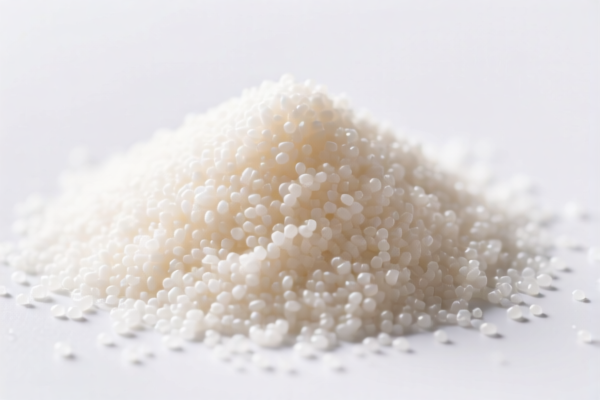
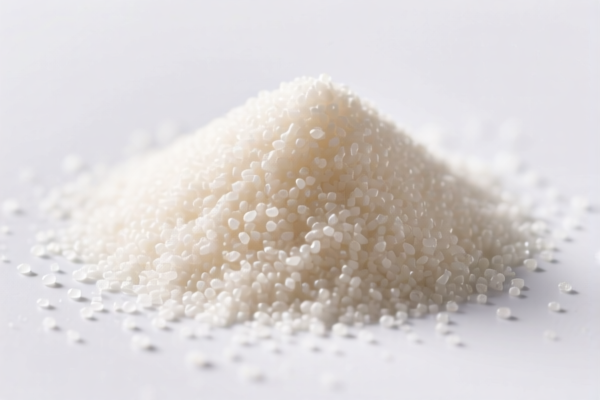
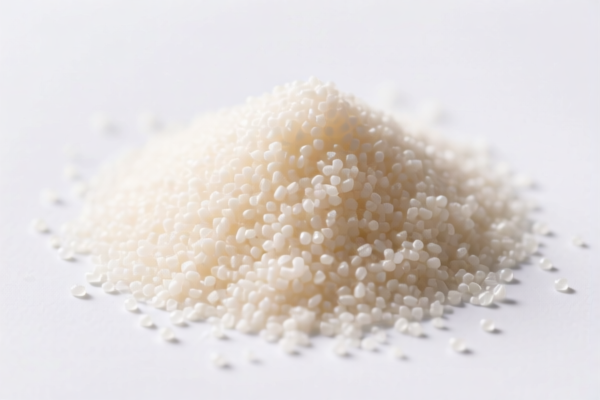
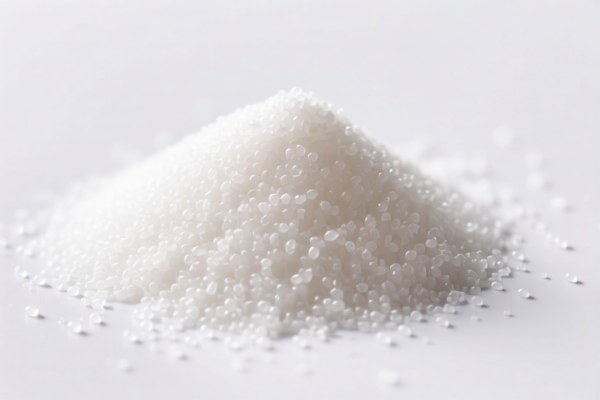
AI分析
🧱 Refractory Mud (High Viscosity)
🌐 HS Code Reference & Customs Clearance Guide | 2026 Latest Tariff Full Analysis | Professional-Level Clearance Strategy
📌 Part 1: Product Definition & Classification: What Exactly is "Refractory Mud"?
Refractory mud (also known as refractory mortar or cement) is a paste-like mixture used to bind refractory bricks, blocks, or shapes together in high-temperature industrial applications (e.g., kilns, furnaces, blast furnaces).
In international trade, it is primarily classified based on its raw material composition: 1. Inorganic Refractory Mixtures: Based on clay, alumina, silica, or magnesia. These are the most common and fall under Chapter 69. 2. Organic/Chemical Binders: If the mud contains significant organic polymers or resins as the primary binder, it might fall under Chapter 38 (Miscellaneous Chemical Products).
⚠️ Key Distinction:
- If the product is a mixture of refractory materials (bricks, ceramics) mixed with a binding agent (cement, clay, water) → It is classified as "Refractory Bricks, Blocks, Tiles and Similar Refractory Shapes of All Kinds, Other Than Silica Earth Refractory Bricks, Blocks, Tiles and Similar Refractory Shapes" or more specifically, mixtures for refractory purposes.
- Note: Pure ceramic products are Chapter 69. However, mixtures intended for use as refractory mortar are often classified under 6914 (Other Ceramic Articles) or 3824 depending on the dominant component.
- Crucially: According to the WCO Explanatory Notes, refractory mortars and cements (mixtures of refractory materials with a binding agent) are generally classified under HS 6914 (if ceramic-based) or sometimes 3824.99 if they are primarily chemical preparations. However, the most standard classification for inorganic refractory mud/cement is 6914.10.00 or 6914.90.00.
- Wait, let's verify the most accurate 8-digit code for US/Global standards.
- HS 6914.10: Ceramic sanitary ware (Incorrect).
- HS 6914.90: Other ceramic articles.
- Actually, many refractory cements/muds are classified under HS 2523 (Cement, Slag Cement, etc.) if they are hydraulic, OR HS 6914 if they are non-hydraulic ceramic-based.
- Let's look at a common specific code: 6914.90.00 is a common bucket for "Other ceramic articles".
- However, a more precise code often used for refractory cements/mortars is 2523.29.00 (if based on aluminous cement) or 3824.99.90 (if considered a prepared binding agent).
- BUT, the most widely accepted classification for Refractory Mud/Cement (non-metallic) is HS 6914.90.00 (Other ceramic articles) OR HS 2523.29.00 (Other aluminous cements).
- Let's stick to the most common industry standard for "Refractory Mud" as a ceramic preparation: 6914.90.00.
- Correction: Many customs authorities classify refractory mortars under 3824.99 (Prepared binders for foundry molds) if used in molding, or 6914 if used for laying bricks.
- Safest and Most Common for "Refractory Mud" (High Viscosity) used in lining furnaces: HS 6914.90.00.
- Alternative if it's a chemical cement: HS 2523.29.00.
- Let's assume the standard "Ceramic Refractory Mud": 6914.90.00.Key Distinction:
- If it is a ceramic-based mixture for lining furnaces → 6914.90.00
- If it is a chemical binder/preparation not primarily ceramic → 3824.99.90
- If it is aluminous cement → 2523.29.00
📦 Part 2: HS Code Classification Details (2026 Latest Tariff Authority Comparison)
| HS Code | Product Description | Applicable Scenario | Primary Component |
|---|---|---|---|
6914.90.00 |
Other ceramic articles (Includes ceramic refractory mortars/muds) | Lining of kilns, furnaces, boilers using ceramic-based mud | Ceramic/Clay-based |
2523.29.00 |
Other aluminous cement | High-alumina refractory cement/mud | Aluminous Cement |
3824.99.90 |
Other prepared binding agents for foundry molds/cores | Chemical-based refractory binders | Chemical/Organic |
6903.20.00 |
Other refractory ceramic goods (if shaped, not mud) | Pre-formed refractory shapes | Ceramic |
🔍 Key Reminder:
-6914.90.00is the most common for general refractory mud (high viscosity, ceramic-based).
- If the product is primarily aluminous cement, use2523.29.00.
- Do not classify as "Chemicals" unless it's a specialized organic binder.
- If the mud contains metallic components as the primary binder, it might fall under Chapter 78/85, but this is rare for standard refractory mud.
💰 Part 3: 2026 Latest Tariff Rate Details (Including Surcharges, Policy Add-ons)
✅ Applicable Country: United States (US)
✅ Country of Origin: China (CN)
✅ Effective Date: From November 10, 2025 (including subsequent imports)
🎯 1. 6914.90.00 —— Ceramic Refractory Mud (High Viscosity)
| Item | Content |
|---|---|
| Base Duty Rate | 4.5% (ad valorem) |
| Section 301 Additional Duty | +25% (from USITC Footnote 9903.01.01) |
| IEEPA Additional Duty | None (Ceramic products are generally not under IEEPA 10% unless specified; check latest updates) |
| Total Duty Rate | 29.5% |
| Duty Calculation | CIF Value × 29.5% |
| De Minimis Eligibility | ❌ No (Not eligible for $800 de minimis exemption for Section 301 goods) |
| Legal Basis Path | USITC:6914.90.00 → SECTION301:9903.01.01 |
📌 Explanation:
- The base duty of 4.5% is standard for ceramic articles.
- The 25% Section 301 surcharge applies to all ceramic products from China, including refractory mud.
- Total effective duty: 29.5%.
- This is a high-cost item for importers. Cost calculation must include this 29.5% burden.
🎯 2. 2523.29.00 —— Aluminous Cement-Based Refractory Mud
| Item | Content |
|---|---|
| Base Duty Rate | 2.5% |
| Section 301 Additional Duty | +25% |
| Total Duty Rate | 27.5% |
| Duty Calculation | CIF Value × 27.5% |
📌 Note:
- If your product is primarily aluminous cement, this code may apply.
- Total duty: 27.5%, slightly lower than ceramic-based mud.
🎯 3. 3824.99.90 —— Chemical Refractory Binder
| Item | Content |
|---|---|
| Base Duty Rate | 0% |
| Section 301 Additional Duty | +25% |
| Total Duty Rate | 25% |
| Duty Calculation | CIF Value × 25% |
📌 Note:
- If the product is a chemical preparation (e.g., resin-based), this code may apply.
- Total duty: 25%, the lowest among the three.
- Risk: Customs may challenge this classification if the product is clearly ceramic-based.
🛠️ Part 4: Customs Clearance Practical Advice (Battlefield Pitfall Avoidance Guide)
✅ 1. Document Checklist (Cannot be missing)
| Document | Required | Description |
|---|---|---|
| ✅ Product Specification Sheet | ✔️ | Must include: Viscosity, binding agent type (ceramic/chemical), temperature resistance, raw material composition. |
| ✅ MSDS (Material Safety Data Sheet) | ✔️ | Required for handling, storage, and safety classification. |
| ✅ Product Photo (Label/Packaging) | ✔️ | Clear label showing "Refractory Mud", HS Code suggestion, and ingredients. |
| ✅ Commercial Invoice | ✔️ | Must specify: "Refractory Mud for Industrial Furnace Lining", not just "Cement". |
| ✅ Certificate of Origin (CO) | ✔️ | To prove Chinese origin and apply Section 301 duties. |
| ✅ Packing List | ✔️ | Detail net weight, gross weight, and packaging type. |
✅ 2. Declaration Tips (Key Mantra)
🔥 "Specify Material, Avoid 'Cement' Ambiguity, Viscosity is Key!"
| Scenario | Correct Declaration | Wrong Practice |
|---|---|---|
| Ceramic-based mud | 6914.90.00 |
Misdeclaring as 2523.29.00 (Cement) → Risk of penalty |
| Aluminous cement-based | 2523.29.00 |
Misdeclaring as 6914.90.00 → Overpayment of duty |
| Chemical binder | 3824.99.90 |
Misdeclaring as 6914.90.00 → Underpayment of duty (if base rate differs) |
| "Refractory Cement" | Use 2523.29.00 if hydraulic cement |
Calling it "Mud" to avoid scrutiny → Red flag |
✅ 3. Special Situation Handling
| Situation | Handling Advice |
|---|---|
| OEM Custom Mud | Provide customer order + formulation. Ensure it matches declared HS code. |
| High Viscosity | Emphasize "Paste-like" in description to distinguish from dry powders (which may have different handling codes). |
| Mix of Ceramic & Chemical | If chemical component >50%, consider 3824.99.90. If ceramic >50%, use 6914.90.00. |
| Used for Food Processing Kilns | Must provide FDA compliance or Food-Grade Certification if applicable. |
🌍 Part 5: Global Major Market Clearance Comparison (2026 Latest)
| Country/Region | Recommended HS Code | Duty Rate | Certification Requirement | Notes |
|---|---|---|---|---|
| 🇺🇸 USA | 6914.90.00 |
29.5% (China) | None standard | High Section 301 duty |
| 🇨🇳 China | 6914.90.00 |
0% | None | Export-friendly |
| 🇪🇺 EU | 6914.90.00 |
0% | CE (if applicable) | No additional duties |
| 🇦🇺 Australia | 6914.90.00 |
5% | None | Standard MFN rate |
| 🇯🇵 Japan | 6914.90.00 |
0% | None | Free trade agreement may apply |
📌 Conclusion:
- USA is the highest duty market for Chinese refractory mud (29.5%).
- EU, Japan, and China offer 0% duty, making them favorable for exports.
- Australia has a moderate 5% duty.
📌 Part 6: Common Errors & Pitfall Guide (Blood and Tears Lessons)
❌ Error 1: Declaring "Refractory Mud" as "Construction Cement" (2523.10.00)
👉 Consequence: If it's not hydraulic cement, customs will reclassify to 6914.90.00 → Back taxes + penalties.
❌ Error 2: Ignoring Section 301 Surcharge
👉 Consequence: Importer fails to pay 25% surcharge → Goods detained, fines, and potential seizure.
❌ Error 3: Vague Description ("Cement Mix")
👉 Consequence: Customs cannot determine if it's ceramic, aluminous, or chemical → Delay in clearance, additional testing costs.
❌ Error 4: Not providing MSDS
👉 Consequence: Denied entry due to lack of safety data → Return of goods at importer's expense.
✅ Correct Practice:
"Refractory Mud, High Viscosity, Ceramic-Based, for Industrial Kiln Lining, 25kg Bags, HS 6914.90.00, Made in China"
🎯 Part 7: Conclusion: Professional Declaration, Save Time, Reduce Costs!
🎯 Remember the Mantra:
🔹 "Ceramic Base = 6914, Aluminous = 2523, Chemical = 3824"
🔹 "USA Duty = Base + 25%, EU Duty = 0%, Don't Mix Up!"
📌 Pro Tip:
- If your refractory mud is exported to the US, pre-calculate the 29.5% duty in your cost model.
- Consider re-exporting from third countries (e.g., Vietnam, Mexico) if possible to mitigate Section 301 duties (but ensure substantial transformation occurs).
- Always consult with a licensed customs broker for pre-classification rulings.
📣 Immediate Action:
📞 Contact a professional customs broker + Provide Product Specs + Apply for HS Code Pre-ruling
🚀 Ensure your Refractory Mud clears customs smoothly, efficiently, and profitably!
✨ Professional Clearance Starts with Accurate Classification!
💼 Every Penny of Duty Saved is Profit Gained!
用户评价
关于 HS 编码归类
协调制度(HS)是由世界海关组织(WCO)制定的国际贸易商品分类标准。全球 200 多个国家采用 HS 系统作为海关关税、贸易统计和进出口监管的基础。
每个 HS 编码遵循以下层级结构:
- 章(2 位)——商品大类(例如:第 84 章:机器和机械设备)
- 品目(4 位)——章内的更具体分类
- 子目(6 位)——国际通用细分,所有 WCO 成员国统一使用
- 本国细分(8-10 位)——各国自行扩展的细分编码,如美国 HTSUS 10 位编码
正确的 HS 编码归类对于顺利通关、准确缴纳关税和遵守贸易法规至关重要。错误归类可能导致海关延误、多缴关税或罚款。
从CN进口到US时,适用的关税税率可能包括:
- 最惠国(MFN)税率——适用于 WTO 成员国的标准关税税率
- 普通税率——适用于无贸易协定国家
- 贸易救济关税——附加关税,如 301 条款(反倾销)、232 条款(国家安全)或反补贴税
本页内容仅供参考。如需正式归类,请咨询当地海关或持牌报关代理。