Refractory Ramming Material Chromium Iron
CN → US| HS编码 | 关税税率 | 原产国 | 目的国 | 文档 |
|---|---|---|---|---|
| 3816002050 | 38.0% | CN | US | 官方文档 |
| 6902905020 | 35.0% | CN | US | 官方文档 |
| 6815994110 | 35.0% | CN | US | 官方文档 |
| 6815910011 | 35.0% | CN | US | 官方文档 |
| 3816001000 | 35.0% | CN | US | 官方文档 |
商品图片
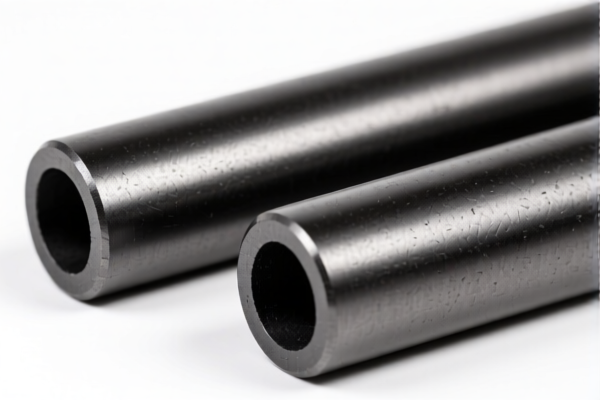
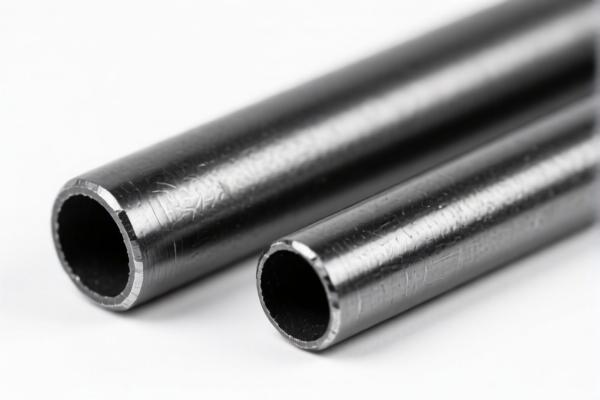
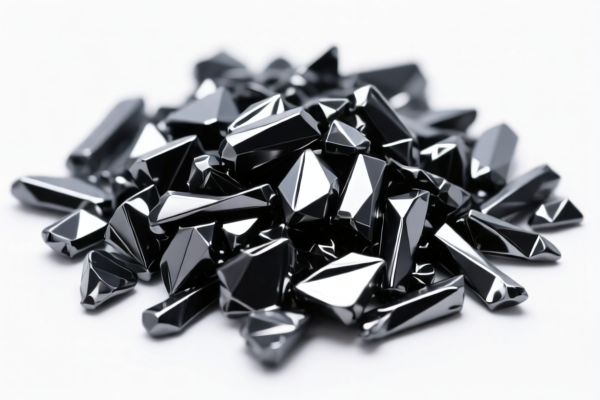
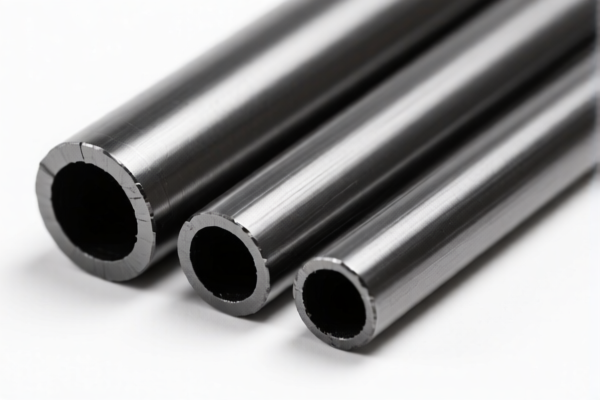
AI分析
🔥 Refractory Ramming Material (Chromium-Iron)
🌐 HS Code Reference & Customs Clearance Guide | 2026 Latest Tariff Analysis | Professional Strategy for Cr-Fe Refractories
📌 1. Product Definition & Classification: Do You Really Understand "Chromium-Iron Ramming Material"?
Refractory Ramming Material is a dry, plastic mass used to line furnaces, kilns, and ladles, specifically packed (rammed) into place rather than pre-formed. Chromium-Iron (Cr-Fe) variants are high-performance refractories designed for high-temperature corrosion resistance, particularly in steelmaking and non-ferrous metallurgy.
In international trade, classification depends on the binding agent and physical form:
- Chemically Bonded Magnesia/Alumina Types: Materials made from magnesia, alumina, or chromite with chemical binders. These fall under Chapter 68 (Articles of Stone, Plaster, Cement, Asbestos, Mica, or Similar Materials).
- Specialized Ramming Masses: Specific industrial preparations designed for refractory use. These may fall under Chapter 38 (Miscellaneous Chemical Products) if they meet specific binding/preparation criteria.
⚠️ Key Distinction Point:
- If the product is a natural stone/mineral mixture chemically bonded →归类 to Chapter 68 (e.g., 6815.99, 6815.91).
- If the product is a prepared industrial mixture specifically described as "refractory ramming material" in customs rulings →归类 to Chapter 38 (3816.00).
- Crucial: Do not confuse with "Refractory Bricks" (Chapter 69), as ramming materials are unshaped.
📦 2. HS Code Classification Details (2026 Latest Tariff Authority Comparison)
| HS Code | Product Description | Application Scenario | Binding Type |
|---|---|---|---|
3816.00.20.50 |
Refractory ramming materials, matching refractory materials and ramming material form, classified under "Other". | High-chromium/iron slag linings, specialized industrial furnaces. | Chemical/Industrial Preparation |
6902.90.50.20 |
Refractory materials, meeting refractory material requirements, classified under "Other" category ceramic building materials extension. | Unshaped refractory ceramics, rammed linings for kilns. | Ceramic/Vitrified |
6815.99.41.10 |
Composed of mineral substances such as magnesia and alumina, chemically bonded, meeting the characteristics of stone or mineral products. | Magnesia-chrome or alumina-magnesia ramming mixes. | Chemical Bond (Mineral Base) |
6815.91.00.11 |
Articles of stone or mineral substances, chemically combined form, meeting specific binding classification. | Chemically bound mineral ramming materials. | Chemical Bond (Stone/Mineral Base) |
3816.00.10.00 |
Refractory and ramming material forms match, meeting classification explanation requirements. | Specific industrial preparations for refractory ramming. | Industrial Preparation |
🔍 Key Reminder:
- Chapter 38 (3816): Often applies to prepared industrial mixes or specific "ramming materials" explicitly listed in customs rulings.
- Chapter 68 (6815/6902): Applies to naturally occurring minerals (like chromite, magnesia, alumina) that are crushed, mixed, and chemically bonded.
- Customs Practice: For "Chromium-Iron" ramming materials, customs often require proof of chemical bonding and mineral composition to justify Chapter 68. If the product is a proprietary industrial mix, Chapter 38 may be argued, but Chapter 68 is more common for traditional mineral-based refractories.
💰 3. 2026 Latest Tariff Rate Breakdown (Including Additional Taxes, Policy Surcharges)
✅ Applicable Country: United States (US)
✅ Country of Origin: China (CN)
✅ Effective Date: From November 10, 2025 (including subsequent imports)
🎯 1. 3816.00.20.50 —— Refractory Ramming Material (Chemical Preparation)
| Item | Details |
|---|---|
| Base Duty Rate | 3.0% (ad valorem) |
| USITC Surcharge (Section 301) | +25.0% |
| Section 122 Tariff | +10.0% (Specific to this code in some rulings) |
| Total Duty Rate | 38.0% |
| Tax Calculation | CIF Value × 38.0% |
| De Minimis Eligibility | ❌ No (deny_de_minimis) |
| Legal Basis Path | USITC:3816.00.20.50 → FOOTNOTE:301.9903 → IEEPA:9903.01.24 |
📌 Explanation:
- "Base Duty 3%" reflects the standard MFN rate for Chapter 38 refractory preparations.
- "Section 301 Surcharge 25%" is the standard additional tariff on Chinese goods.
- "Section 122 Tariff 10%" is applied specifically to certain refractory materials under specific trade actions.
- Total 38% is a high tariff, requiring careful cost assessment.
🎯 2. 6902.90.50.20 —— Refractory Ceramic Material (Unshaped)
| Item | Details |
|---|---|
| Base Duty Rate | 0.0% (ad valorem) |
| USITC Surcharge (Section 301) | +25.0% |
| Section 122 Tariff | +10.0% |
| Total Duty Rate | 35.0% |
| Tax Calculation | CIF Value × 35.0% |
| De Minimis Eligibility | ❌ No (deny_de_minimis) |
| Legal Basis Path | USITC:6902.90.50.20 → FOOTNOTE:301.9903 → IEEPA:9903.01.24 |
📌 Note:
- Although the base duty is 0%, the 35% total is still significant.
- This code applies if the product is classified as a ceramic refractory (Chapter 69).
- Common for magnesia-chrome or alumina-magnesia ramming mixes.
🎯 3. 6815.99.41.10 —— Mineral Articles, Chemically Bonded
| Item | Details |
|---|---|
| Base Duty Rate | 0.0% (ad valorem) |
| USITC Surcharge (Section 301) | +25.0% |
| Section 122 Tariff | +10.0% |
| Total Duty Rate | 35.0% |
| Tax Calculation | CIF Value × 35.0% |
| De Minimis Eligibility | ❌ No (deny_de_minimis) |
| Legal Basis Path | USITC:6815.99.41.10 → FOOTNOTE:301.9903 → IEEPA:9903.01.24 |
📌 Note:
- This code is for mineral articles (Chapter 68) that are chemically bonded.
- Ideal for chromite-magnesia ramming materials.
- Same 35% total rate as6902.90.50.20.
🎯 4. 6815.91.00.11 —— Stone/Mineral Articles, Chemically Combined
| Item | Details |
|---|---|
| Base Duty Rate | 0.0% (ad valorem) |
| USITC Surcharge (Section 301) | +25.0% |
| Section 122 Tariff | +10.0% |
| Total Duty Rate | 35.0% |
| Tax Calculation | CIF Value × 35.0% |
| De Minimis Eligibility | ❌ No (deny_de_minimis) |
| Legal Basis Path | USITC:6815.91.00.11 → FOOTNOTE:301.9903 → IEEPA:9903.01.24 |
📌 Note:
- Specific to chemically combined stone/mineral articles.
- Use when the binding agent is integral to the mineral structure.
🎯 5. 3816.00.10.00 —— Refractory Ramming Material (Prepared)
| Item | Details |
|---|---|
| Base Duty Rate | 0.0% (ad valorem) |
| USITC Surcharge (Section 301) | +25.0% |
| Section 122 Tariff | +10.0% |
| Total Duty Rate | 35.0% |
| Tax Calculation | CIF Value × 35.0% |
| De Minimis Eligibility | ❌ No (deny_de_minimis) |
| Legal Basis Path | USITC:3816.00.10.00 → FOOTNOTE:301.9903 → IEEPA:9903.01.24 |
📌 Note:
- Another code under Chapter 38 for refractory ramming materials.
- Slightly lower base rate (0% vs 3% for 3816.00.20.50) but same total due to surcharges.
🛠️ 4. Customs Clearance Practical Advice (Actionable Pitfall Guide)
✅ 1. Required Documentation Checklist (Mandatory)
| Document | Required | Description |
|---|---|---|
| ✅ Technical Data Sheet | ✔️ | Must specify: Cr2O3 content, Fe content, binder type, grain size, application temperature. |
| ✅ Chemical Composition Analysis | ✔️ | Certificate of Analysis (COA) proving mineral content (MgO, Al2O3, Cr2O3, Fe2O3). |
| ✅ Binding Agent Disclosure | ✔️ | Clearly state if chemical (e.g., phosphate, aluminate) or no binder. |
| ✅ Product Photos (Packaging & Label) | ✔️ | Show label with "Refractory Ramming Material" and HS-relevant descriptors. |
| ✅ Commercial Invoice | ✔️ | Must use precise description: "Refractory Ramming Material, Chromium-Iron Based, Unshaped." Avoid vague terms like "Industrial Slag." |
| ✅ Certificate of Origin (CO) | ✔️ | Required for Section 301 and 122 tariff calculations. |
| ✅ Packing List | ✔️ | Detail net/gross weight, packaging type (bags, pallets). |
✅ 2. Declaration Tips (Key Mnemonics)
🔥 “Specify the Bond, State the Mineral, Name it Ramming, Avoid ‘Brick’ Mistake!”
| Scenario | Correct Declaration | Wrong Approach |
|---|---|---|
| Chromium-Iron Ramming Mix | 6815.99.41.10 or 3816.00.10.00 |
Misdeclare as "Iron Ore" → Lower duty but risk penalty |
| Pre-formed Refractory Brick | 6902.90.50.20 (if ceramic) |
Declare as "Ramming Material" → Wrong code, delay |
| Unshaped, Chemically Bonded Mineral | 6815.91.00.11 |
Omit binder info → Customs reclassifies to higher rate |
| Industrial Preparation | 3816.00.20.50 |
Call it "Fertilizer" or "Cement Additive" → Fraud risk |
✅ 3. Special Case Handling
| Scenario | Handling Advice |
|---|---|
| High Cr2O3 (>45%) | Strongly consider 6815.99.41.10 or 3816.00.10.00. Provide COA. |
| Mixed with Binders (e.g., Phosphate) | Declare as Chemically Bonded. Use 6815.91.00.11 or 6815.99.41.10. |
| No Binder (Just Crushed Ore + Aggregates) | Still likely 6815 if it’s for refractory use. Prove "refractory" function. |
| OEM/Custom Mix | Provide client’s technical spec sheet to justify HS code. |
🌍 5. Global Market Customs Comparison (2026 Latest)
| Country/Region | Recommended HS Code | Total Duty (China Origin) | Certification | Notes |
|---|---|---|---|---|
| 🇺🇸 USA | 6815.99.41.10 / 3816.00.10.00 |
35% | No specific | High due to Sec 301 + 122. |
| 🇨🇳 China | 6815.99.41.10 |
0% | N/A | Export duty-free. |
| 🇪🇺 EU | 6815.99 |
6.5% | REACH | Lower than US. |
| 🇮🇳 India | 6815.99 |
7.5% | BIS | Varies by composition. |
| 🇯🇵 Japan | 6815.99 |
3.0% | JIS | Competitive market. |
📌 Conclusion:
- USA imposes the highest duties (35-38%) on refractory ramming materials from China.
- EU/Japan are significantly cheaper for importing these materials.
- Strategic Suggestion: If selling to the US, ensure precise HS classification to avoid penalties. Consider supply chain diversification if possible.
📌 6. Common Errors & Pitfalls (Lessons Learned)
❌ Error 1: Declaring as "Steel Slag" or "Iron Ore"
👉 Consequence: Customs rejects as "not refractory" → Re-export or Penalty.
👉 Reality: Refractory materials are processed for thermal resistance, not just chemical content.
❌ Error 2: Using "Brick" or "Block" for Ramming Material
👉 Consequence: Wrong HS Code (6902 vs 6815/3816) → Customs Hold.
👉 Reality: Ramming material is unshaped.
❌ Error 3: Omitting "Chemically Bonded" Information
👉 Consequence: Customs may classify under higher base rate or require additional testing.
👉 Reality: Bonding agent affects classification in Chapter 68 vs 38.
❌ Error 4: Vague Description: "Industrial Powder"
👉 Consequence: High scrutiny, potential reclassification.
👉 Reality: Be specific: "Chromium-Iron Refractory Ramming Material, Unshaped, Chemically Bonded."
✅ Correct Practice:
"Refractory Ramming Material, Chromium-Iron Based, Unshaped, Chemically Bonded, for Steel Ladle Lining, HS Code 6815.99.41.10, COA Attached."
🎯 7. Conclusion: Professional Declaration, Cost Control, Efficiency!
🎯 Remember the Mantra:
🔹 “Unshaped, Bonded, Mineral, Ramming – Not Brick, Not Slag!”
🔹 “HS Code Determines Tax, 35% is the US Reality, Declare Precisely, Save Thousands!”
📌 Pro Tip:
- For US Imports, consider applying for an Advance Ruling from CBP to confirm HS Code before shipment.
- If your product has high Cr2O3 content, emphasize its refractory properties (refractoriness degree, corrosion resistance) to justify Chapter 68/38 over raw material codes.
📣 Immediate Action:
📞 Contact a Customs Broker + Provide Technical Data Sheet + Apply for Advance Ruling
🚀 Ensure smooth customs clearance, avoid delays, and protect your profit margins!
✨ Professional Clearance Starts with Precise Classification!
💼 Every Percent of Duty Counts!
用户评价
关于 HS 编码归类
协调制度(HS)是由世界海关组织(WCO)制定的国际贸易商品分类标准。全球 200 多个国家采用 HS 系统作为海关关税、贸易统计和进出口监管的基础。
每个 HS 编码遵循以下层级结构:
- 章(2 位)——商品大类(例如:第 84 章:机器和机械设备)
- 品目(4 位)——章内的更具体分类
- 子目(6 位)——国际通用细分,所有 WCO 成员国统一使用
- 本国细分(8-10 位)——各国自行扩展的细分编码,如美国 HTSUS 10 位编码
正确的 HS 编码归类对于顺利通关、准确缴纳关税和遵守贸易法规至关重要。错误归类可能导致海关延误、多缴关税或罚款。
从CN进口到US时,适用的关税税率可能包括:
- 最惠国(MFN)税率——适用于 WTO 成员国的标准关税税率
- 普通税率——适用于无贸易协定国家
- 贸易救济关税——附加关税,如 301 条款(反倾销)、232 条款(国家安全)或反补贴税
本页内容仅供参考。如需正式归类,请咨询当地海关或持牌报关代理。