Regenerated Cellulose High Transparency Film
CN → US| HS编码 | 关税税率 | 原产国 | 目的国 | 文档 |
|---|---|---|---|---|
| 3921905050 | 39.8% | CN | US | 官方文档 |
| 3921140000 | 41.5% | CN | US | 官方文档 |
| 3913902090 | 40.8% | CN | US | 官方文档 |
| 3913905000 | 41.5% | CN | US | 官方文档 |
商品图片
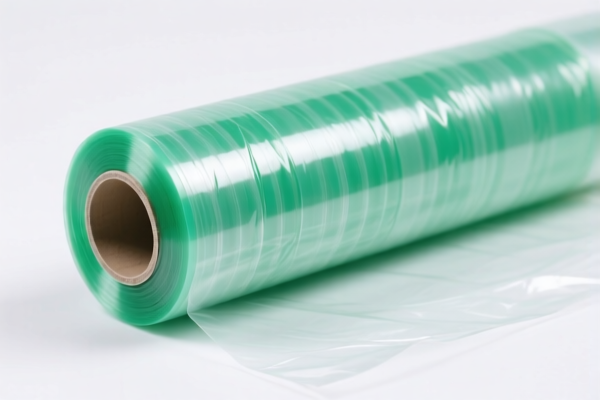
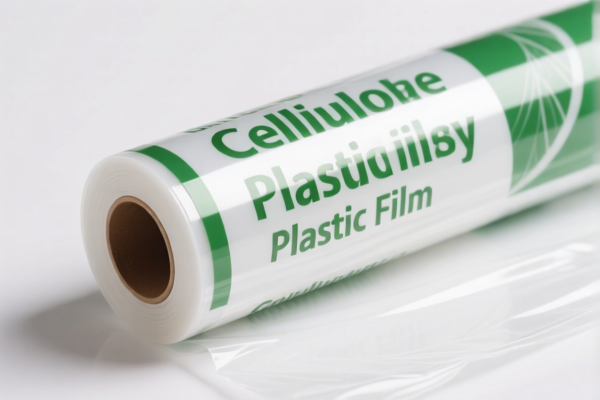
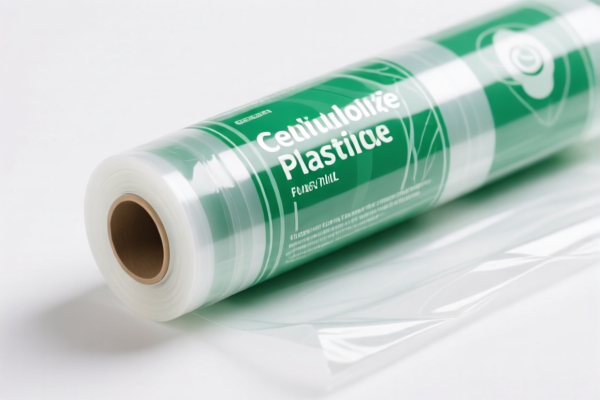
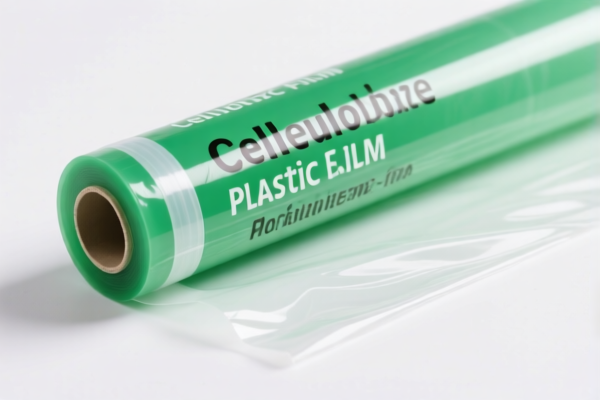
AI分析
🧪 Regenerated Cellulose High Transparency Film (Biodegradable Packaging Material)
🌐 HS Code Reference & Customs Clearance Guide | 2026 Latest Tariff Analysis | Professional-Level Compliance Strategy
📌 I. Product Definition & Classification: Do You Really Understand "Regenerated Cellulose"?
Regenerated Cellulose Film, often referred to as artificial silk, glassine, or cellophane, is a biodegradable, high-clarity plastic alternative derived from natural polymers (wood pulp/cotton linter). In international trade, it is strictly regulated under Chapter 39 (Plastics and Articles Thereof).
Crucially, it is not classified as simple paper or raw fiber. It is considered a modified natural polymer or a polymer derivative. The specific HS Code depends on the exact chemical modification and physical form details provided in the summary.
⚠️ Key Distinction Points:
- If classified as a generic Plastic/Polymer Film (generic category) → 3921.90.50.50
- If classified under specific Subheading 3921 (Plastics in primary forms or sheets, other) → 3921.14.00.00
- If classified as a Cellulose Derivative/Polysaccharide (chemical specificity) → 3913.90.20.90
- If classified as a Natural Polymer/Modified Natural Polymer (structural specificity) → 3913.90.50.00
📦 II. HS Code Classification Details (2026 Latest Tariff Authority Comparison)
| HS Code | Product Description (Based on Input Data) | Applicability | Total Tax Rate (China Origin to US) |
|---|---|---|---|
3921.90.50.50 |
Regenerated Cellulose Moisture-Proof Film, Material: Regenerated Cellulose, Form: Film. Fits the plastic/polymer category. | Generic Plastic Film Application | 39.8% |
3921.14.00.00 |
Regenerated Cellulose Moisture-Proof Film. Material and shape meet specific subheading requirements. Belongs to specific细分 products. | Specific Sub-division Application | 41.5% |
3913.90.20.90 |
Regenerated Cellulose Film. Material: Cellulose (Polysaccharide Derivative), Form: Film. Fits polysaccharide characteristics. | Polysaccharide Derivative Application | 40.8% |
3913.90.50.00 |
Regenerated Cellulose Film. Material: Regenerated Cellulose (Modified Natural Polymer), Form: Film. Fits natural/modified natural polymer requirements. | Modified Natural Polymer Application | 41.5% |
🔍 Key Reminder:
- Regenerated cellulose is technically a chemically modified natural polymer, not a synthetic plastic. However, customs often accepts it under Chapter 39 (Plastics) due to its physical properties. - Do not confuse with Chapter 48 (Paper): If the film is not coated or reinforced, it stays in Chapter 39. If it is heavily coated with paper, it may move to Chapter 48, but the input data strictly defines it as "Film" under plastic/polymer categories. - All listed codes are subject to heavy US Additional Tariffs due to the "Section 301" and "IEEPA" clauses.
💰 III. 2026 Latest Tariff Rate Breakdown (Including Additional Taxes & Policy Surcharges)
✅ Applicable Country: United States (US)
✅ Origin: China (CN)
✅ Effective Time: Ongoing (2024-2026 Tariff Regime)
🎯 1. 3921.90.50.50 —— Regenerated Cellulose Film (Generic Plastic Category)
| Item | Content |
|---|---|
| Base Tariff Rate | 4.8% (Ad Valorem) |
| Section 301 Additional Tariff | +25.0% (USITC Footnote 8800.11.00) |
| IEEPA Additional Tariff | +10.0% (Targeting Chinese/ Hong Kong products) |
| Total Effective Tax Rate | 39.8% |
| Tax Calculation | CIF Value × 39.8% |
| De Minimis Eligibility | ❌ No (High tariff rate exceeds exemption thresholds) |
| Legal Basis Path | IEEPA:9903.01.25 → IEEPA:9903.01.24 → USITC:3921.90.50.50 → FOOTNOTE:301.8800.11.00 |
📌 Explanation:
- The 4.8% base rate applies to "Other plastics and articles thereof." - The 25% is the standard Section 301 tariff for most plastic films from China. - The 10% is the IEEPA surcharge specifically targeting Chinese goods in this category. - Total 39.8%: This is a high-cost item for US importers. Profit margins must account for this significant duty load.
🎯 2. 3921.14.00.00 —— Regenerated Cellulose Film (Specific Subdivision)
| Item | Content |
|---|---|
| Base Tariff Rate | 6.5% |
| Section 301 Additional Tariff | +25.0% |
| IEEPA Additional Tariff | +10.0% |
| Total Effective Tax Rate | 41.5% |
| Tax Calculation | CIF Value × 41.5% |
| De Minimis Eligibility | ❌ No |
| Legal Basis Path | IEEPA:9903.01.25 → IEEPA:9903.01.24 → USITC:3921.14.00.00 → FOOTNOTE:301.8800.11.00 |
📌 Note:
- This code has a higher base rate (6.5%) than the generic code, leading to a higher total duty (41.5%). - Use this code only if the product explicitly meets the narrow definition of "Plastics in primary forms... specifically listed under 3921.14". Otherwise, stick to3921.90.50.50for slight savings.
🎯 3. 3913.90.20.90 —— Regenerated Cellulose Film (Polysaccharide Derivative)
| Item | Content |
|---|---|
| Base Tariff Rate | 5.8% |
| Section 301 Additional Tariff | +25.0% |
| IEEPA Additional Tariff | +10.0% |
| Total Effective Tax Rate | 40.8% |
| Tax Calculation | CIF Value × 40.8% |
| De Minimis Eligibility | ❌ No |
| Legal Basis Path | IEEPA:9903.01.25 → IEEPA:9903.01.24 → USITC:3913.90.20.90 → FOOTNOTE:301.8800.11.00 |
📌 Note:
- This code positions the product as a chemical derivative (Polysaccharide). - Total 40.8%: Slightly cheaper than3921.14but more expensive than3921.90.50.50. - Requires strong scientific documentation proving the "Polysaccharide Derivative" nature to avoid reclassification disputes.
🎯 4. 3913.90.50.00 —— Regenerated Cellulose Film (Modified Natural Polymer)
| Item | Content |
|---|---|
| Base Tariff Rate | 6.5% |
| Section 301 Additional Tariff | +25.0% |
| IEEPA Additional Tariff | +10.0% |
| Total Effective Tax Rate | 41.5% |
| Tax Calculation | CIF Value × 41.5% |
| De Minimis Eligibility | ❌ No |
| Legal Basis Path | IEEPA:9903.01.25 → IEEPA:9903.01.24 → USITC:3913.90.50.00 → FOOTNOTE:301.8800.11.00 |
📌 Note:
- This code treats regenerated cellulose as a Modified Natural Polymer. - Total 41.5%: Same as3921.14.00.00. This is the highest tax bracket among the options. - Only use if the product is heavily modified or if the generic "Plastic" codes are rejected by customs.
🛠️ IV. Customs Clearance Practical Advice (Real-World Pitfall Guide)
✅ 1. Documentation Checklist (Mandatory)
| Document | Required | Description |
|---|---|---|
| ✅ Product Spec Sheet | ✔️ | Must specify: Material (Regenerated Cellulose), Thickness, Width, Transparency Level, Moisture Resistance Properties. |
| ✅ Certificate of Origin (CO) | ✔️ | Proof of Chinese Origin is critical for applying (or disputing) the 35% additional tariffs. |
| ✅ Composition Statement | ✔️ | Detail the percentage of Cellulose Acetate, Solvents, Plasticizers. Proves it is "Regenerated" not "Synthetic." |
| ✅ Commercial Invoice | ✔️ | Clearly state "Regenerated Cellulose Film, NOT Plastic from Petroleum" (for marketing, but customs looks at Chapter 39). |
| ✅ Packaging List | ✔️ | Ensure no mixed items (e.g., adhesive tapes) that could trigger different HS codes. |
✅ 2. Declaration Strategy (Key Mnemonic)
🔥 "Material First, Form Second, Tariff Third!"
| Scenario | Correct Declaration | Wrong Action |
|---|---|---|
| Generic Clear Film | 3921.90.50.50 (39.8%) |
Mislabeling as "Paper" → Smuggling/Illegal entry |
| Highly Specific Chemical Derivative | 3913.90.20.90 (40.8%) |
Using generic code when specific data is available → Potential Audit |
| Modified Natural Polymer | 3913.90.50.00 (41.5%) |
Using cheaper code without chemical proof → Customs Penalty |
| Moisture-Proof Coated | Verify if coating changes Chapter 48 | Declaring as plain film if heavily coated → Rejection |
✅ 3. Special Situation Handling
| Situation | Handling Advice |
|---|---|
| OEM for Eco-Friendly Brands | Highlight "Biodegradable" and "Renewable Source" in marketing, but not in HS Code classification. Customs cares about Chapter 39, not sustainability. |
| Mixed Containers | If mixed with synthetic plastic films, declare separately. Mixed declarations can lead to penalties on the entire shipment. |
| Sample Shipments | Do not rely on De Minimis (Section 321) for high-value regenerated cellulose films. The duty is too high (39.8%+) and may exceed the $800 exemption if value is high, or be rejected due to tariff classification. |
| Dispute with Customs | If customs challenges the "Plastic" classification, provide technical data sheets showing the cellulose backbone and regeneration process. Argue for Chapter 39 based on physical properties. |
🌍 V. Global Market Comparison (2026 Latest)
| Country/Region | Recommended HS Code | Tariff (China Origin) | Certification Requirements | Remarks |
|---|---|---|---|---|
| 🇺🇸 USA | 3921.90.50.50 |
39.8% (Lowest of options) | No specific FDA/CE needed for film, but material safety data sheet (MSDS) required | High tariff burden; 41.5% is avoidable if generic code applies. |
| 🇨🇳 China | 3921.90.50.50 |
~6-9% | GB Standards | No Section 301/IEEPA. Much cheaper domestic production. |
| 🇪🇺 EU | 3920.62.00 |
6.5% | REACH, FDA-compliant food contact (if applicable) | EU has stricter chemical registration (REACH) than US. |
| 🇯🇵 Japan | 3921.14.00 |
5.0% | JIS Standards | Lower base tariffs, but high quality inspection standards. |
📌 Conclusion:
- The US market is the most expensive due to the ~35-40% additional tariffs on top of base duties. - Optimization Tip: Try to justify the use of3921.90.50.50(39.8%) as it has the lowest total tax rate among the provided data. Avoid3913.90.50.00or3921.14.00.00unless legally mandated.
📌 VI. Common Errors & Pitfall Guide (Lessons Learned)
❌ Error 1: Classifying Regenerated Cellulose as Chapter 48 (Paper)
👉 Consequence: Customs may accept it, but if they reject it, you face back-dated duties and penalties. Chapter 39 is safer for "Film" forms.
❌ Error 2: Ignoring the 10% IEEPA Surcharge
👉 Consequence: Budgeting only for the 25% Section 301 tariff leads to underpayment by 10%. Total duty is 35-41.5%, not 25%.
❌ Error 3: Using "Cellophane" as a HS Code Keyword
👉 Consequence: "Cellophane" is a brand name/trademark. Customs uses technical descriptions like "Regenerated Cellulose Film."
❌ Error 4: Not providing Material Safety Data Sheet (MSDS)
👉 Consequence: Delays in clearance. Cellulose derivatives may involve solvents (Acetone, etc.) that trigger chemical reviews.
✅ Correct Action:
"Regenerated Cellulose Film, High Clarity, 50 Microns, Moisture Resistant, For Food Packaging Use, Model RC-500"
🎯 VII. Conclusion: Professional Declaration, Cost Savings!
🎯 Remember the Mnemonic:
🔹 "Plastic Chapter 39, Don't Call it Paper! Base 4.8%, Add 35% Total, Watch Your Wallet!"
🔹 "3921.90.50.50 is the King of Cost (39.8%), Avoid 41.5% if Possible!"
📌 Pro Tip:
If your regenerated cellulose film is sourced from Vietnam or Thailand, you may qualify for IEEPA Exemptions, reducing the total tariff significantly.
Recommend applying for an Advance Ruling from US Customs (CBP) to lock in the 39.8% rate and avoid reclassification to 41.5%.
📣 Immediate Action:
📞 Contact a Professional Customs Broker + Provide Product Specs + Apply for HS Code Advance Ruling
🚀 Let your Regenerated Cellulose Film Clear Customs Smoothly, Protect Your Margins!
✨ Professional Customs Clearance Starts with Accurate Classification!
💼 Every Percentage Point of Duty Counts!
用户评价
关于 HS 编码归类
协调制度(HS)是由世界海关组织(WCO)制定的国际贸易商品分类标准。全球 200 多个国家采用 HS 系统作为海关关税、贸易统计和进出口监管的基础。
每个 HS 编码遵循以下层级结构:
- 章(2 位)——商品大类(例如:第 84 章:机器和机械设备)
- 品目(4 位)——章内的更具体分类
- 子目(6 位)——国际通用细分,所有 WCO 成员国统一使用
- 本国细分(8-10 位)——各国自行扩展的细分编码,如美国 HTSUS 10 位编码
正确的 HS 编码归类对于顺利通关、准确缴纳关税和遵守贸易法规至关重要。错误归类可能导致海关延误、多缴关税或罚款。
从CN进口到US时,适用的关税税率可能包括:
- 最惠国(MFN)税率——适用于 WTO 成员国的标准关税税率
- 普通税率——适用于无贸易协定国家
- 贸易救济关税——附加关税,如 301 条款(反倾销)、232 条款(国家安全)或反补贴税
本页内容仅供参考。如需正式归类,请咨询当地海关或持牌报关代理。