Regenerated Coconut Shell Activated Carbon
CN → US| HS编码 | 关税税率 | 原产国 | 目的国 | 文档 |
|---|---|---|---|---|
| 4402200000 | 35.0% | CN | US | 官方文档 |
| 4402900100 | 35.0% | CN | US | 官方文档 |
| 3915900090 | 35.0% | CN | US | 官方文档 |
| 3802100020 | 39.8% | CN | US | 官方文档 |
| 8421390190 | 35.0% | CN | US | 官方文档 |
商品图片
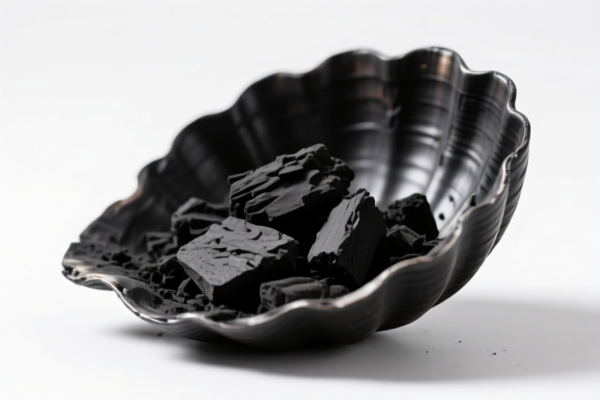
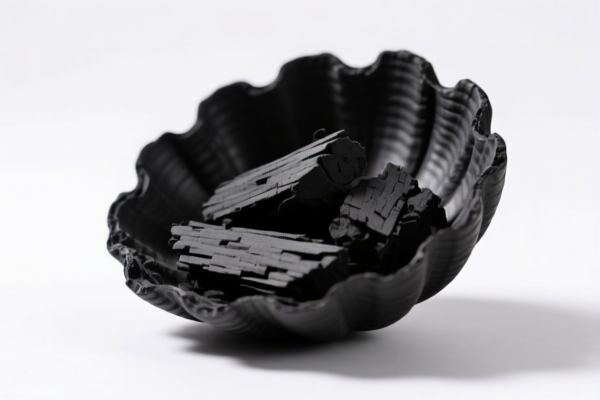
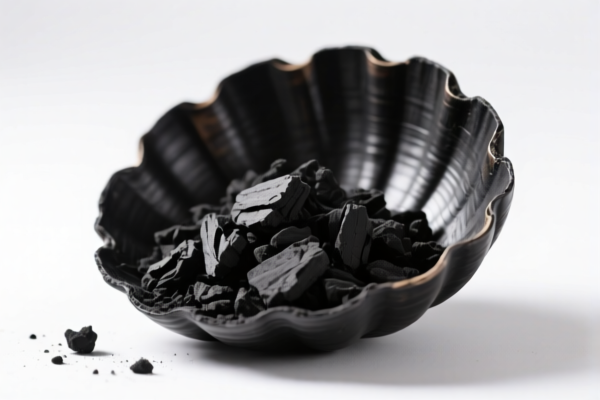
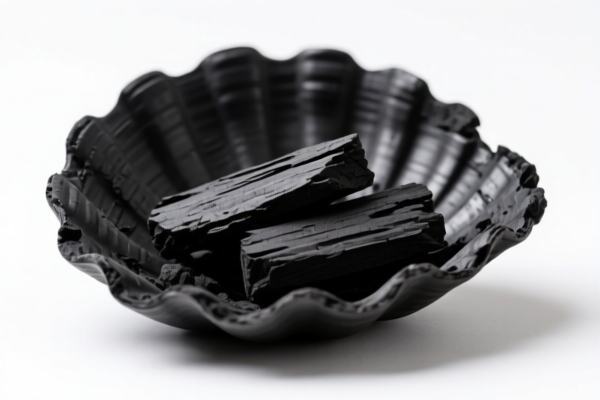
AI分析
🥥 Regenerated Coconut Shell Activated Carbon
🌐 HS Code Classification & Customs Clearance Guide | 2026 Tax Matrix | Strategic Import Strategy
📌 I. Product Definition & Complexity: Why is "Just Carbon" So Complicated?
"Regenerated Coconut Shell Activated Carbon" sounds simple, but in international trade, its classification depends heavily on material composition, physical form, and functional use. Is it raw biomass? Is it a processed chemical product? Or is it a component of a filtration system?
⚠️ Critical Distinction:
- If classified as Wood/Plant Charcoal → Chapter 44
- If classified as Prepared Charcoal/Activated Carbon → Chapter 38
- If classified as Plastic Waste/Residue → Chapter 39
- If classified as Filtration Equipment Parts → Chapter 84
Misclassification can lead to severe penalties, as the tax rates vary significantly (from 35.0% to 39.8%) based on how Customs interprets the product's nature.
📦 II. HS Code Classification Matrix (2026 Authorized Data)
| HS Code | Product Description (Summary) | Material/Functional Basis | Key Differentiator |
|---|---|---|---|
| 4402.20.00.00 | Regenerated Coconut Shell Activated Carbon; Material is shell or pit carbon | Wood/Plant Charcoal | Classified as "Shell or Pit Carbon" under Chapter 44 |
| 4402.90.01.00 | Regenerated Coconut Shell Activated Carbon; Material is shell carbon, categorized under "Other Charcoal" | Wood/Plant Charcoal | Specific sub-category for other types of wood/shell charcoal |
| 3915.90.00.90 | Regenerated Coconut Shell Activated Carbon; Inferred as carbonaceous organic plastic residue, in chips or granules | Plastic Waste | Viewed as residual organic plastic matter (rare, but possible if bound by plastic) |
| 3802.10.00.20 | Regenerated Coconut Shell Activated Carbon; Source is coconut, qualifies as Activated Carbon | Prepared Charcoal | Most Common for High-Grade Activated Carbon; Classified as "Activated Carbon" in Chapter 38 |
| 8421.39.01.90 | Regenerated Coconut Shell Activated Carbon; Used as gas filtration/purification adsorbent | Machinery Parts | Classified as part/accessory of gas cleaning plants/machinery |
🔍 Key Insight:
- HS 3802.10.00.20 is typically the most accurate for high-purity, chemically processed activated carbon intended for industrial filtration.
- HS 4402.x.x.x.x is used if the product is considered raw or minimally processed charcoal derived from shells.
- HS 8421.39.01.90 applies if the carbon is pre-packaged or integrated into a filtration unit/system.
💰 III. 2026 Tariff Rate Breakdown (Detailed Tax Clause Analysis)
✅ Applicable Country: United States (US)
✅ Country of Origin: China (CN) (Implied by 122 Clause & Section 301 context)
✅ Effective Time: Current US Trade Policy (Section 301 + IEEPA)
🎯 1. HS 4402.20.00.00 & HS 4402.90.01.00
(Classification: Charcoal from Shells/Pits)
| Item | Detail |
|---|---|
| Base Tariff | 0.0% |
| Section 301 Additional Tariff | +25.0% |
| Section 122 Tariff (IEEPA) | +10.0% |
| Total Effective Rate | 35.0% |
| Legal Basis | USITC:4402.20.00.00 → Footnote 9903.88.01 (25%) → IEEPA:9903.01.24 (10%) |
📌 Explanation:
- These codes fall under Chapter 44 (Wood/Charcoal).
- While the base duty is zero, the 25% Section 301 tariff (targeting Chinese goods) and 10% IEEPA Section 122 tariff apply, totaling 35%.
- Risk: If Customs deems the product as "processed" rather than "raw charcoal," they may shift you to a higher-tariff category.
🎯 2. HS 3915.90.00.90
(Classification: Plastic Waste/Residue)
| Item | Detail |
|---|---|
| Base Tariff | 0.0% |
| Section 301 Additional Tariff | +25.0% |
| Section 122 Tariff (IEEPA) | +10.0% |
| Total Effective Rate | 35.0% |
| Legal Basis | USITC:3915.90.00.90 → Footnote 9903.88.01 (25%) → IEEPA:9903.01.24 (10%) |
📌 Warning:
- This classification is risky and generally applies only if the carbon is bound with plastic resins or is considered waste plastic.
- Misclassification here could lead to environmental compliance issues (WEEE/RoHS) and customs delays.
🎯 3. HS 3802.10.00.20
(Classification: Activated Carbon - Recommended for Pure Products)
| Item | Detail |
|---|---|
| Base Tariff | 4.8% |
| Section 301 Additional Tariff | +25.0% |
| Section 122 Tariff (IEEPA) | +10.0% |
| Total Effective Rate | 39.8% |
| Legal Basis | USITC:3802.10.00.20 → Footnote 9903.88.01 (25%) → IEEPA:9903.01.24 (10%) |
📌 Explanation:
- This is the standard classification for high-quality activated carbon.
- Although the base tariff is 4.8% (higher than Chapter 44), the additional tariffs are the same (35%).
- Why pay more? Because it is the most legally defensible classification for activated carbon (vs. raw charcoal), reducing the risk of customs reclassification penalties and ensuring proper regulatory compliance (chemical safety).
🎯 4. HS 8421.39.01.90
(Classification: Gas Filtration Equipment Parts)
| Item | Detail |
|---|---|
| Base Tariff | 0.0% |
| Section 301 Additional Tariff | +25.0% |
| Section 122 Tariff (IEEPA) | +10.0% |
| Total Effective Rate | 35.0% |
| Legal Basis | USITC:8421.39.01.90 → Footnote 9903.88.01 (25%) → IEEPA:9903.01.24 (10%) |
📌 Usage:
- Apply only if the carbon is sold as part of a filtration system or in pre-assembled filters.
- If sold as loose granules, this classification is incorrect and may trigger audits.
🛠️ IV. Customs Clearance Practical Advice (Avoiding Pitfalls)
✅ 1. Documentation Checklist (Must-Haves)
| Document | Required? | Description |
|---|---|---|
| ✅ Product Specification Sheet | ✔️ | Must detail: Pore size, iodine number, moisture content, mesh size. |
| ✅ Material Safety Data Sheet (MSDS) | ✔️ | Proves chemical stability and non-hazardous nature. |
| ✅ Certificate of Origin (CO) | ✔️ | Essential for origin verification (China vs. Vietnam/Malaysia). |
| ✅ Commercial Invoice | ✔️ | Clearly state: "Regenerated Coconut Shell Activated Carbon" and HS Code. |
| ✅ Bill of Lading | ✔️ | Ensure weight/volume matches invoice. |
| ✅ Proof of Regeneration | ✔️ | If claiming "Regenerated," provide process documentation to justify HS 3802 vs. 4402. |
✅ 2. Declaration Strategy (Key Tips)
🔥 "Be Precise, Be Transparent, Be Professional!"
| Scenario | Recommended HS Code | Reason |
|---|---|---|
| Loose Granules/Powder (High Purity) | 3802.10.00.20 | Best fits "Activated Carbon" definition. Higher base tax but lower risk. |
| Rough Charcoal Shells/Pits | 4402.20.00.00 | If minimally processed, fits "Charcoal" definition. Lower base tax. |
| Pre-packaged Filters | 8421.39.01.90 | Only if integrated into a housing/unit. |
| Mixed with Plastic Binders | 3915.90.00.90 | Rare; only if plastic content is significant. |
📌 Critical Tip:
- Do NOT use generic terms like "Carbon Black" or "Fuel."
- DO use "Activated Carbon" or "Regenerated Coconut Shell Carbon" in the description.
- If using HS 4402, emphasize "Charcoal" properties. If using HS 3802, emphasize "Adsorption/Chemical Preparation."
✅ 3. Special Considerations
| Issue | Advice |
|---|---|
| Origin Shopping | If possible, source from Vietnam, Malaysia, or Indonesia to potentially avoid Section 301 tariffs (though IEEPA may still apply). Verify "Substantial Transformation." |
| Section 122 Exemptions | Check if your product qualifies for any IEEPA exclusions (rare for carbon, but worth verifying). |
| Customs Broker Communication | Provide the broker with the MSDS and product specs before filing. Ask for a Pre-Ruling if the value is high. |
| Anti-Dumping/Countervailing Duties | Check if activated carbon from China is subject to separate AD/CVD orders (currently, most are under Section 301/122, but verify periodically). |
🌍 V. Global Market Comparison (2026 Snapshot)
| Country/Region | Recommended HS | Base Duty | Additional Duties (China) | Total Est. Duty | Notes |
|---|---|---|---|---|---|
| 🇺🇸 USA | 3802.10.00.20 |
4.8% | +35% (301+122) | 39.8% | Highest cost; strict classification. |
| 🇺🇸 USA | 4402.20.00.00 |
0.0% | +35% (301+122) | 35.0% | Lower cost if classified as raw charcoal. |
| 🇪🇺 EU | 3802.10.00 |
6.5% | None | 6.5% | No Section 301. CE/REACH compliance needed. |
| 🇨🇳 China | 3802.10.00 |
0% | None | 0% | Import into China from overseas? Check local policies. |
| 🇮🇳 India | 3802.10.00 |
10-15% | None | ~15% | Basic Customs Duty + SWS. |
📌 Conclusion:
- USA is the most expensive market due to Section 301 + IEEPA.
- EU is more favorable, but REACH registration is a high barrier.
- Classification Choice in the US can save 4.8% of the CIF value, but only if legally justifiable.
📌 VI. Common Mistakes & Pitfalls (Learn from Others)
❌ Mistake 1: Declaring as "Charcoal" (HS 4402) when it is highly processed Activated Carbon (HS 3802)
👉 Consequence: Customs may reassess and charge back-taxes + penalties if they prove the product meets "Activated" standards.
❌ Mistake 2: Using HS 8421 for loose carbon
👉 Consequence: Customs will reject the classification; goods held at port until correct HS is declared.
❌ Mistake 3: Ignoring the IEEPA 10% Tariff
👉 Consequence: Underpayment of duties; audit and interest charges.
❌ Mistake 4: Vague Description ("Carbon")
👉 Consequence: Customs exam delay; request for additional docs; potential seizure.
✅ Correct Approach:
"Activated Carbon, Coconut Shell, Regenerated, Granular, Mesh 4x8, Iodine Number > 1050, for Industrial Gas Purification, Made in China"
🎯 VII. Final Recommendations
🎯 Strategic Advice:
1. Prioritize HS 3802.10.00.20 for high-purity products to ensure compliance and reduce audit risk.
2. Consider HS 4402.20.00.00 only if the product is indeed minimally processed charcoal.
3. Always include MSDS and Technical Data Sheets with your shipment.
4. Consult a Customs Broker for a Pre-Ruling if importing large volumes.
5. Explore Origin Diversification (Vietnam/Malaysia) to mitigate tariff risks, ensuring genuine substantial transformation.
📌 Pro Tip:
Tariff engineering is real. A 4.8% difference in base duty might seem small, but on large shipments, it adds up. However, compliance is paramount. Never misclassify to save tax—it’s not worth the seizure risk.
📣 Immediate Action:
📞 Engage a Licensed Customs Broker
📄 Prepare Technical Specifications
📦 Verify HS Code Pre-Landing
🚀 Ensure Smooth, Compliant, and Cost-Optimized Clearance!
✨ Precision in Classification, Peace of Mind in Compliance!
💼 Your Supply Chain’s Success Depends on Your HS Code Choice!
用户评价
关于 HS 编码归类
协调制度(HS)是由世界海关组织(WCO)制定的国际贸易商品分类标准。全球 200 多个国家采用 HS 系统作为海关关税、贸易统计和进出口监管的基础。
每个 HS 编码遵循以下层级结构:
- 章(2 位)——商品大类(例如:第 84 章:机器和机械设备)
- 品目(4 位)——章内的更具体分类
- 子目(6 位)——国际通用细分,所有 WCO 成员国统一使用
- 本国细分(8-10 位)——各国自行扩展的细分编码,如美国 HTSUS 10 位编码
正确的 HS 编码归类对于顺利通关、准确缴纳关税和遵守贸易法规至关重要。错误归类可能导致海关延误、多缴关税或罚款。
从CN进口到US时,适用的关税税率可能包括:
- 最惠国(MFN)税率——适用于 WTO 成员国的标准关税税率
- 普通税率——适用于无贸易协定国家
- 贸易救济关税——附加关税,如 301 条款(反倾销)、232 条款(国家安全)或反补贴税
本页内容仅供参考。如需正式归类,请咨询当地海关或持牌报关代理。