Reinforcing Steel Bar
CN → US| HS编码 | 关税税率 | 原产国 | 目的国 | 文档 |
|---|---|---|---|---|
| 7215500016 | 35.0% | CN | US | 官方文档 |
| 7215500018 | 35.0% | CN | US | 官方文档 |
| 7214200000 | 10.0% | CN | US | 官方文档 |
| 7214100000 | 10.0% | CN | US | 官方文档 |
| 7214990060 | 10.0% | CN | US | 官方文档 |
商品图片
AI分析
🏗️ Rebar & Steel Bars: The Heavyweight Champion of Construction Import
🌐 HS Code Reference & Customs Clearance Guide | 2026 Latest Tariff Analysis | Strategic Clearance Strategy
📌 I. Product Definition & Classification: Do You Really Understand "Reinforcing Steel"?
Reinforcing Steel Bars (Rebar) and Steel Bars are the skeletal structure of modern infrastructure. In international trade, they are not just "metal sticks"; they are strictly categorized based on material composition, physical shape, and end-use application.
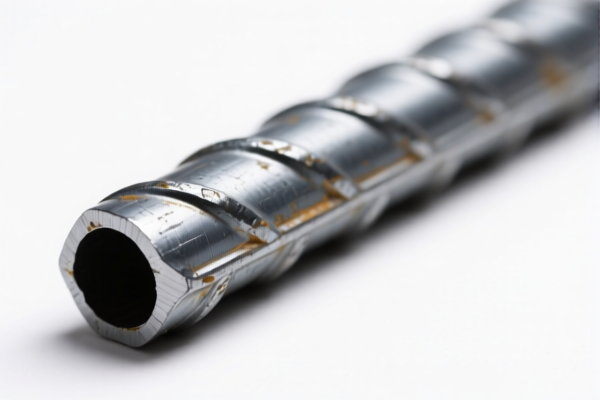
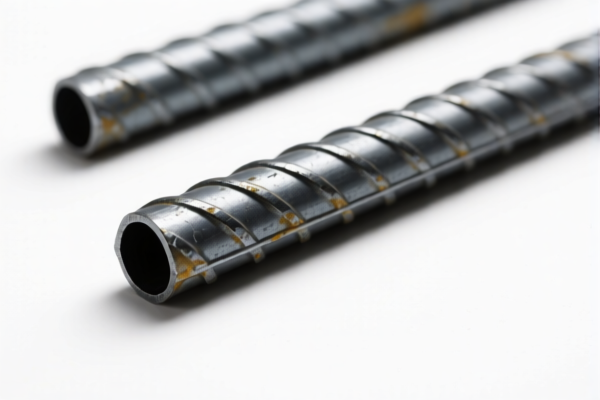
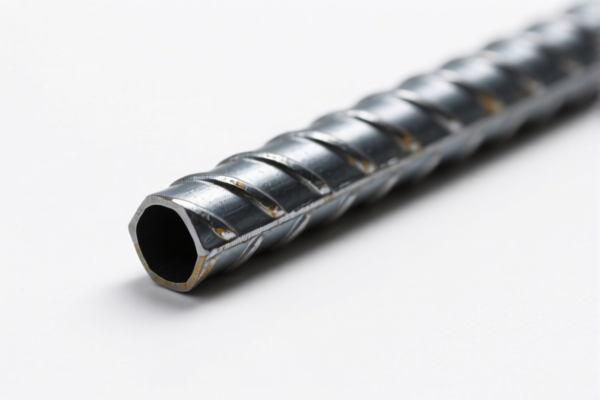
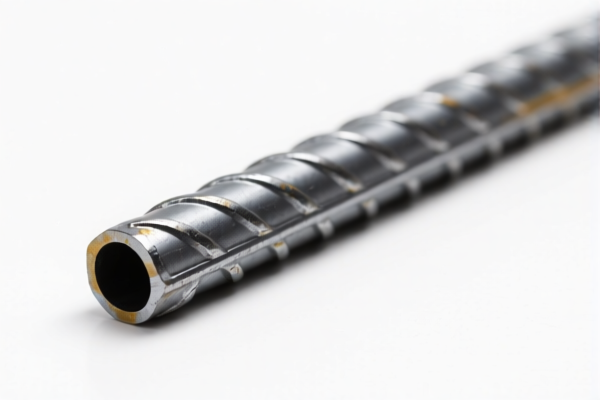
Carbon Steel/Rebar (7214 Series): Specifically defined as bars with projections (deformations) or twists, used primarily for concrete reinforcement.
Other Steel Bars/Rods (7215 Series): Includes flat-rolled products cut to length, bars, rods, angles, shapes, and sections, excluding those specifically classified as rebar under 7214.
⚠️ Critical Distinction:
- If the steel has deformations/ribs for concrete bonding → It is Rebar → Likely 7214.xxxx.xx
- If the steel is smooth, flat, or angular and used for structural/support purposes (not primary concrete reinforcement) → It is Other Steel Bar → Likely 7215.xxxx.xx
- Material Constraint: All data points to Iron or Non-Alloy Steel. Alloy steel rebar would fall under different codes not listed here.
📦 II. HS Code Classification Details (2026 Latest Tariff Authority Mapping)
Based on the provided dataset, here are the specific HS Codes for Iron/Non-Alloy Steel Bars and Rebar:
| HS Code | Product Description & Logic | Application Scenario | Tax Rate |
|---|---|---|---|
7214.10.00.00 |
Steel Bars/Rods: Material fits Iron/Non-Alloy Steel; Shape fits Bars/Rods requirements. | General structural bars, non-deformed rods. | 10.0% |
7214.20.00.00 |
Steel Bars/Rods: Fits definition of Iron/Non-Alloy Steel bars, rods, angles, shapes, and sections for concrete reinforcement. | Standard concrete reinforcing bars (Rebar). | 10.0% |
7214.99.00.60 |
Rebar: Material is Steel, Shape is Rod-like. No material conflict; reasonable inference based on common sense. | General purpose rebar, fallback category for specific rebar types. | 10.0% |
7215.50.00.16 |
Steel Bars/Rods: Material Iron/Non-Alloy Steel, Shape Rods. Classified based on "Other Categories" rule. | Other shaped bars/sections not specifically covered in 7214. | 35.0% |
7215.50.00.18 |
Steel Bars fit Iron/Non-Alloy Steel & Rod shape; Rebar falls under this sub-category application based on "Other Category" fallback rules. | Specialized or non-standard steel sections/rods. | 35.0% |
🔍 Key Insight:
- Low Tax Zone (10%): Primarily covers 7214 series (Standard Rebar & Structural Bars). This is the most common classification for standard construction rebar.
- High Tax Zone (35%): Covers 7215.50 series. These codes apply based on "other categories" or fallback rules, likely for specific shaped bars or sections that don't neatly fit the standard rebar definition of 7214, or specific sub-segments of 7215.
- Material Note: All listed codes specify Iron or Non-Alloy Steel. Do not use these codes for Stainless Steel or High-Alloy Steel.
💰 III. 2026 Latest Tariff Rate Breakdown (Including Surtaxes & Policy Add-ons)
✅ Applicable Country: United States (US)
✅ Origin: China (CN) (Note: Tax details in source imply US-China trade context due to "122 Clause" and "301/IEEPA" style surcharges)
✅ Effective Time: Current applicable rates
🎯 1. 7214.10.00.00 / 7214.20.00.00 / 7214.99.00.60 —— Standard Rebar & Steel Bars
| Item | Detail |
|---|---|
| Base Duty | 0.0% (Ad Valorem) |
| Section 301 Surtax | 0.0% (No additional 25% for these specific subheadings in this dataset) |
| Section 122/IEEPA Surtax | +10% (Specific clause tax) |
| Total Tax Rate | 10.0% |
| Calculation Method | CIF Value × 10% |
| De Minimis Exemption | ❌ Not Applicable (Steel products generally do not qualify for $800 de minimis if subject to these surtaxes) |
| Legal Basis | USITC:7214.xxxx.xx → Section 122/IEEPA: 10% |
📌 Explanation:
- These codes benefit from a 0% Section 301 surcharge in this specific dataset.
- The 10% total comes entirely from the "122 Clause" (or equivalent IEEPA provision).
- Advantage: Significantly cheaper than the 35% bracket. This is the preferred clearance path if the product strictly fits 7214 definitions.
🎯 2. 7215.50.00.16 / 7215.50.00.18 —— Other Steel Bars/Rods (Fallback Categories)
| Item | Detail |
|---|---|
| Base Duty | 0.0% (Ad Valorem) |
| Section 301 Surtax | +25% (Standard US-China trade war tariff) |
| Section 122/IEEPA Surtax | +10% (Specific clause tax) |
| Total Tax Rate | 35.0% |
| Calculation Method | CIF Value × 35% |
| De Minimis Exemption | ❌ Not Applicable |
| Legal Basis | USITC:7215.50.xx → Section 301: 25% + IEEPA: 10% |
📌 Explanation:
- This bracket carries the full burden of US-China trade tariffs.
- 25% is the standard Section 301 duty on many steel products.
- 10% is the additional policy surcharge.
- High Cost Warning: Clearing steel under 7215.50 is 3.5x more expensive than under 7214. Precise classification is critical to avoid overpaying.
🛠️ IV. Customs Clearance Practical Advice (Battle-Tested Pitfall Avoidance)
✅ 1. Required Documentation Checklist (Non-Negotiable)
| Document | Mandatory? | Explanation |
|---|---|---|
| ✅ Product Specification Sheet | ✔️ | Must explicitly state: Material (Non-Alloy Steel/Iron), Shape (Deformed/Smooth), Diameter, Length. |
| ✅ Material Test Certificate (MTC) | ✔️ | Critical to prove Non-Alloy status. If alloy content (e.g., Chromium) exceeds limits, HS Code changes. |
| ✅ Product Photos | ✔️ | Clear shots showing deformations (for 7214 Rebar) or cross-section shape (for 7215 Bars). |
| ✅ Commercial Invoice | ✔️ | Must declare: "Steel Reinforcing Bar" or "Carbon Steel Rod", Country of Origin, HS Code. |
| ✅ Packing List | ✔️ | Weight and dimensions are crucial for duty calculation. |
| ✅ Bill of Lading | ✔️ | Standard shipping document. |
✅ 2. Classification Strategy (Key Mantra)
🔥 "Rebar with Ribs is 7214 (10%); Smooth/Other Shapes might be 7215 (35%). Verify Cross-Section!"
| Scenario | Correct HS Code | Tax Rate | Reason |
|---|---|---|---|
| Deformed Steel Bar (Ribs/Spikes for concrete) | 7214.20.00.00 or 7214.99.00.60 |
10% | Specifically defined as concrete reinforcement. |
| Smooth Round Steel Bar (General structural use) | 7214.10.00.00 |
10% | Fits "Bars and Rods" definition in 7214. |
| Flat/Angled/Complex Shape Steel | 7215.50.00.16/18 |
35% | Falls into "Other" categories or shapes not covered by 7214 rebar rules. |
| Stainless Steel Bar | ❌ None of the above | Varies | Dataset only covers Iron/Non-Alloy Steel. |
✅ 3. Special Situation Handling
| Situation | Handling Advice |
|---|---|
| Mixed Shipment (Rebar + Smooth Rods) | Separate Line Items! Do not lump them. Rebar gets 10%, Smooth Rods might get 35%. Misclassification leads to audits and back-taxes. |
| "De Minimis" Attempt | ❌ Stop. Steel products subject to Section 301 or IEEPA surcharges cannot use the $800 de minimis exemption. Expect full duty. |
| Origin Marking | Ensure steel is marked "Made in China" as required for Section 301 applicability. |
🌍 V. Global Market Comparison (2026 Overview)
| Country/Region | Recommended HS Code | Approx. Duty | Notes |
|---|---|---|---|
| 🇺🇸 United States | 7214.20.00.00 |
10% | Best rate for Rebar. Avoid 7215 unless necessary. |
| 🇨🇳 China | 7214.20.00.00 |
~4-8% | Import duty varies, but generally lower than US. |
| 🇪🇺 European Union | 7214.20.00.00 |
5.3% | Standard MFN rate. No 301-style tariffs. |
| 🇬🇧 United Kingdom | 7214.20.00.00 |
5.3% | Post-Brexit tariffs align closely with EU. |
| 🇮🇳 India | 7214.20.00.00 |
7.5% | BCD + Social Welfare Surcharge. |
📌 Conclusion:
- The US market is unique due to the Section 122/IEEPA 10% surcharge on top of base duties.
- Section 301 (25%) is the biggest risk if misclassified under 7215.
- Accurate Physical Description is your best defense against classification disputes.
📌 VI. Common Errors & Pitfalls (Lessons Learned)
❌ Error 1: Calling all steel bars "Rebar" to get the 10% rate.
👉 Consequence: If the bar has no deformations and isn't for concrete reinforcement, Customs may reclassify to 7215 → Tax jumps from 10% to 35% + Penalties!
❌ Error 2: Ignoring Material Composition.
👉 Consequence: If steel contains >1.2% Carbon or significant Alloys, it may not be "Non-Alloy Steel." Provide MTC.
❌ Error 3: Using "Steel Bar" as the only description.
👉 Consequence: Too vague. Customs cannot determine if it's 7214 or 7215. Specify Shape and Use.
✅ Correct Declaration Example:
"Carbon Steel Reinforcing Bar, Deformed, 12mm Diameter, Non-Alloy, Made in China, for Concrete Reinforcement, HS Code 7214.20.00.00"
🎯 VII. Conclusion: Precision Saves Money
🎯 Remember the Mantra:
🔹 "Deformed = 7214 (10%). Smooth/Other = 7215 (35%). Verify Material!"
🔹 "Steel is Heavy, Tariffs are Heavy. Don't Pay 35% if you can pay 10%."
📌 Pro Tip:
If your shipment contains both rebar and structural steel sections, split the shipment or declare separately. Even a small misclassification on a large container of steel can result in tens of thousands of dollars in additional duties.
📣 Immediate Action:
📞 Contact Customs Broker: Provide photos and MTC.
📋 Request Advance Ruling: If volume is high, get a binding ruling on your specific bar profile.
🚀 Optimize Supply Chain: Ensure your manufacturer labels steel correctly as "Rebar" or "Rod" to match the HS Code.
✨ Professional Clearance Starts with Precise Classification!
💼 Every Percent Matters in Steel Trade!
用户评价
关于 HS 编码归类
协调制度(HS)是由世界海关组织(WCO)制定的国际贸易商品分类标准。全球 200 多个国家采用 HS 系统作为海关关税、贸易统计和进出口监管的基础。
每个 HS 编码遵循以下层级结构:
- 章(2 位)——商品大类(例如:第 84 章:机器和机械设备)
- 品目(4 位)——章内的更具体分类
- 子目(6 位)——国际通用细分,所有 WCO 成员国统一使用
- 本国细分(8-10 位)——各国自行扩展的细分编码,如美国 HTSUS 10 位编码
正确的 HS 编码归类对于顺利通关、准确缴纳关税和遵守贸易法规至关重要。错误归类可能导致海关延误、多缴关税或罚款。
从CN进口到US时,适用的关税税率可能包括:
- 最惠国(MFN)税率——适用于 WTO 成员国的标准关税税率
- 普通税率——适用于无贸易协定国家
- 贸易救济关税——附加关税,如 301 条款(反倾销)、232 条款(国家安全)或反补贴税
本页内容仅供参考。如需正式归类,请咨询当地海关或持牌报关代理。