Respiratory Apparatus
CN → US| HS编码 | 关税税率 | 原产国 | 目的国 | 文档 |
|---|---|---|---|---|
| 9019200000 | 10.0% | CN | US | 官方文档 |
| 9019104000 | 10.0% | CN | US | 官方文档 |
| 9020006000 | 12.5% | CN | US | 官方文档 |
| 9018903000 | 35.0% | CN | US | 官方文档 |
| 9020009000 | 12.5% | CN | US | 官方文档 |
商品图片
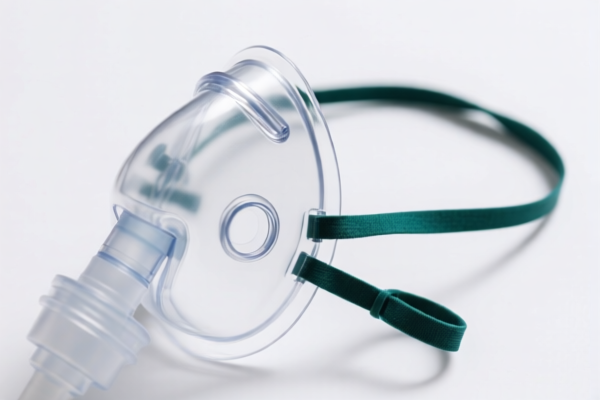
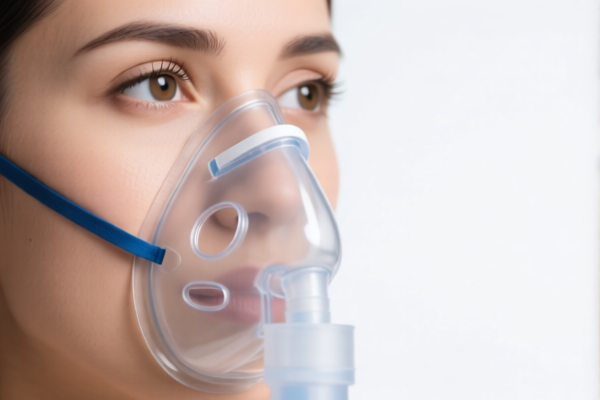
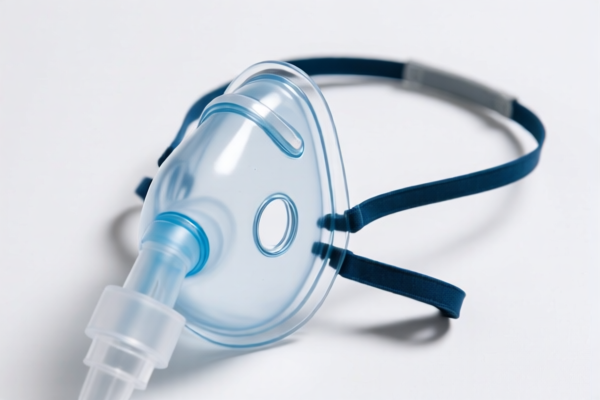
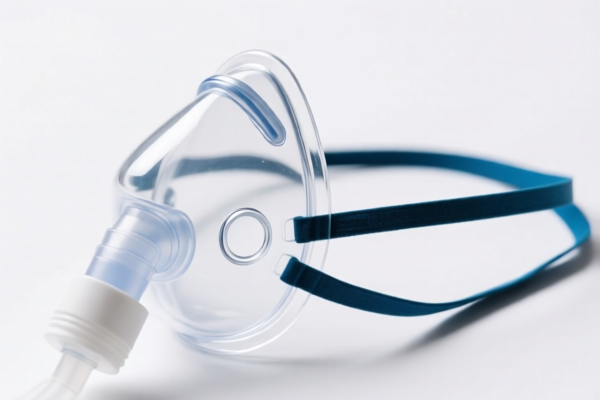
AI分析
🫁 Respiratory Apparatus: HS Code Classification & Tariff Breakdown | 2026 Customs Clearance Guide
🌐 HS Code Reference & Customs Clearance Guide | 2026 Latest Tariff Analysis | Professional Strategy
📌 One Product, Multiple Classifications: Why Does the Same Item Have Different Tax Rates?
A "Respiratory Apparatus" is a broad category. In international trade, small differences in technical definition, specific use, and structural integration can lead to entirely different HS Codes and massive differences in tax liabilities.
Below is the precise classification logic based on the provided data, explaining why each code applies and the corresponding tax implications.
⚠️ Key Insight:
- Not all respiratory devices are the same.
- High-tech medical devices may enjoy 0% base tariff but face Section 301/122 penalties.
- General-purpose apparatus may have a base tariff but lower penalties.
- Classification Error = Delayed customs, fines, or unexpected 35% total tax!
📦 1. HS Code Classification Details (Based on Provided Data)
| HS Code | Product Description & Justification | Total Tax Rate | Tax Breakdown |
|---|---|---|---|
| 9019.20.00.00 | Respiratory Therapy Equipment: Devices specifically for artificial respiration or therapeutic respiratory functions. (e.g., CPAP/BiPAP machines, ventilators for therapy) |
10.0% | Base: 0% Section 301/Add-on: 0% Section 122: 10% |
| 9019.10.40.00 | Mechanical Therapy Apparatus: Respiratory devices classified under mechanical therapy, meeting the definition of medical apparatus. (e.g., chest physiotherapy vests, mechanical cough assist devices) |
10.0% | Base: 0% Section 301/Add-on: 0% Section 122: 10% |
| 9020.00.60.00 | Respirators: Directly matches the category of "respiratory apparatus" in classification interpretations. (e.g., simple breathing apparatus, non-medical or general protective respirators) |
12.5% | Base: 2.5% Section 301/Add-on: 0% Section 122: 10% |
| 9018.90.30.00 | Respiratory Devices in Medical Category: Classified as medical instruments, highly relevant to anesthesia instruments and equipment. (e.g., anesthesia machines with respiratory components, advanced surgical respiratory systems) |
35.0% | Base: 0% Section 301/Add-on: 25% Section 122: 10% |
| 9020.00.90.00 | Respirators (Other): Matches respiratory apparatus use, falls under the "catch-all" category logic. (e.g., other unspecified respiratory devices not covered above) |
12.5% | Base: 2.5% Section 301/Add-on: 0% Section 122: 10% |
💰 2. Detailed Tax Clause Explanation (2026 Tariff Structure)
✅ Scenario A: Medical/Therapeutic Focus (HS 9019.xx)
Codes: 9019.20.00.00, 9019.10.40.00
| Item | Detail |
|---|---|
| Base Tariff | 0% (Enjoyed by most medical devices under USHTS Chapter 90) |
| Section 301 / Add-on Tariff | 0% (Specific subheadings under 9019 are often excluded from the 25% Section 301 tariff) |
| Section 122 Tariff | 10% (Applied to goods from China under the International Emergency Economic Powers Act - IEEPA) |
| Total Effective Rate | 10% |
📌 Why 10%?
Although these are medical devices with 0% base tariff, they are not exempt from the Section 122 tariff. However, they avoid the heavy 25% Section 301 tariff, making them cost-effective compared to other medical categories.
✅ Scenario B: General Respiratory Apparatus (HS 9020.xx)
Codes: 9020.00.60.00, 9020.00.90.00
| Item | Detail |
|---|---|
| Base Tariff | 2.5% |
| Section 301 / Add-on Tariff | 0% (Again, excluded from Section 301) |
| Section 122 Tariff | 10% |
| Total Effective Rate | 12.5% |
📌 Why 12.5%?
These are classified as "other instruments and apparatus" rather than strict medical devices. They incur a small base duty but still avoid the 25% Section 301 tariff. This makes them cheaper than Scenario C but slightly more expensive than Scenario A.
✅ Scenario C: Anesthesia/Surgical Related (HS 9018.90)
Code: 9018.90.30.00
| Item | Detail |
|---|---|
| Base Tariff | 0% |
| Section 301 / Add-on Tariff | 25% (This subheading is subject to the 25% Section 301 tariff) |
| Section 122 Tariff | 10% |
| Total Effective Rate | 35.0% |
📌 Why 35%?
This is the most expensive classification. While it enjoys 0% base tariff, it does not benefit from the Section 301 exemption. The combination of 25% (Section 301) + 10% (Section 122) results in a high tax burden.
Critical: Misclassifying a standard respiratory device as "anesthesia-related" here can double your costs.
🛠️ 3. Customs Clearance Practical Advice (Avoid Pitfalls)
✅ 1. Product Description Matters (Be Precise!)
| Incorrect Description | Risk | Correct Approach |
|---|---|---|
| "Breathing Machine" | Vague → May be flagged for review | Use specific technical names: "CPAP Respiratory Therapy Device" or "Anesthesia Respiratory Module" |
| "Medical Apparatus" | Too broad → May be assigned default higher tariff | Specify function: "Mechanical Chest Therapy Vest" vs "Artificial Ventilator for Surgery" |
| "Respirator" | Ambiguous → May be misclassified as PPE (84.64) or Medical (90.19) | Clarify: "Non-medical disposable respirator" vs "Medical ventilator" |
✅ 2. Key Documentation for Clearance
| Document | Purpose |
|---|---|
| Product Specification Sheet | Must clearly state: Intended use (medical vs. mechanical therapy), power source, and key components. |
| Function Diagram | Proves whether the device is for therapy (9019), anesthesia (9018), or general apparatus (9020). |
| Certificate of Free Sale / FDA 510(k) | Critical for 9019 and 9018 codes to prove medical classification. |
| Commercial Invoice | Must explicitly state: "Made in China" (triggers Section 122) and accurate HS Code. |
| Bill of Lading | Ensure no discrepancies in quantity or value. |
✅ 3. Strategic Classification Tips
🔥 "Match Function, Not Just Name!"
| If Your Product Is... | Recommended HS Code | Tax Rate | Why? |
|---|---|---|---|
| A CPAP/BiPAP for home use | 9019.20.00.00 |
10% | Clear therapeutic purpose; excluded from Section 301. |
| A Chest Physiotherapy Vest | 9019.10.40.00 |
10% | Mechanical therapy device; excluded from Section 301. |
| A Simple Breathing Mask/Apparatus (non-medical) | 9020.00.60.00 |
12.5% | General apparatus; small base duty but no Section 301. |
| An Anesthesia Machine Component | 9018.90.30.00 |
35% | Highly regulated surgical equipment; subject to Section 301. |
| An Unclassified Respiratory Device | 9020.00.90.00 |
12.5% | Catch-all; safe if unsure, but still 12.5%. |
⚠️ Critical Warning:
- Do NOT misclassify a 9018 (anesthesia) device as 9019 (therapy) to save 25%.
- If the device is used in surgery/anesthesia, it must be9018.90.30.00.
- If it is for post-op recovery or home therapy, it may qualify for9019(10% tax).
- Proof of Use is key: Include clinical data, user manuals, and intended application statements.
🌍 4. Global Market Comparison (2026 Snapshot)
| Market | Recommended HS Code | Total Tariff (China Origin) | Key Requirement |
|---|---|---|---|
| 🇺🇸 USA | Varies by function (see above) | 10% – 35% | FDA Clearance + IEEPA Declaration |
| 🇨🇳 China | Varies | ~0-7% | CCC Certification (if applicable) |
| 🇪🇺 EU | 9019 / 9020 | 0-4% | CE Marking + MDR Compliance |
| 🇯🇵 Japan | 9019 / 9020 | 0-5% | PSE/MDR Certification |
📌 Conclusion:
- USA is the most complex due to Section 122 (10%) and potential Section 301 (25%).
- EU/Japan are more straightforward with lower tariffs but strict CE/PSE requirements.
- Always verify FDA status for US imports; medical devices without FDA clearance will be seized.
📌 5. Common Mistakes & How to Avoid Them
❌ Mistake 1: Using "Respirator" for a medical ventilator.
👉 Result: Classified as 9020 (12.5%) or worse, flagged for FDA violation.
✅ Fix: Use "Medical Ventilator" or "Respiratory Therapy Device."
❌ Mistake 2: Assuming all medical devices are tax-free.
👉 Result: Unexpected 10% Section 122 or 35% total tariff.
✅ Fix: Check if the HS Code is exempt from Section 301. Only certain 9019 subheadings are.
❌ Mistake 3: Not declaring China Origin on the invoice.
👉 Result: Missing 10% Section 122 calculation → Underpayment → Penalties.
✅ Fix: Always include "Made in China" and HS Code on the commercial invoice.
❌ Mistake 4: Misclassifying anesthesia equipment as general therapy.
👉 Result: Underpayment of 25% Section 301 → Audit & Back Taxes.
✅ Fix: If used in surgical settings, classify as 9018.90.30.00.
🎯 6. Final Recommendation: Proactive Compliance
🎯 Action Plan: 1. Identify Primary Function: Is it for therapy (9019), surgery/anesthesia (9018), or general use (9020)? 2. Check FDA Status: For 9019/9018, ensure FDA clearance is in place. 3. Document Everything: Provide detailed specs, diagrams, and intended use statements. 4. Apply for Advance Ruling: If unsure, request a Pre-Ruling from US Customs to avoid disputes. 5. Calculate Total Landed Cost: Include 10% Section 122 + any Section 301 (25%) in your pricing model.
📌 Pro Tip:
"The difference between 10% and 35% is 25%. That’s the price of a misclassification.
Be precise. Be compliant. Save money."
📣 Need Help?
📞 Consult a licensed customs broker.
📄 Submit product specs for HS Code Pre-classification.
🚀 Ensure smooth clearance with accurate documentation.
✨ Clear Classification, Clear Customs, Clear Profits!
💼 Every tax dollar counts. Get it right from the start.
用户评价
关于 HS 编码归类
协调制度(HS)是由世界海关组织(WCO)制定的国际贸易商品分类标准。全球 200 多个国家采用 HS 系统作为海关关税、贸易统计和进出口监管的基础。
每个 HS 编码遵循以下层级结构:
- 章(2 位)——商品大类(例如:第 84 章:机器和机械设备)
- 品目(4 位)——章内的更具体分类
- 子目(6 位)——国际通用细分,所有 WCO 成员国统一使用
- 本国细分(8-10 位)——各国自行扩展的细分编码,如美国 HTSUS 10 位编码
正确的 HS 编码归类对于顺利通关、准确缴纳关税和遵守贸易法规至关重要。错误归类可能导致海关延误、多缴关税或罚款。
从CN进口到US时,适用的关税税率可能包括:
- 最惠国(MFN)税率——适用于 WTO 成员国的标准关税税率
- 普通税率——适用于无贸易协定国家
- 贸易救济关税——附加关税,如 301 条款(反倾销)、232 条款(国家安全)或反补贴税
本页内容仅供参考。如需正式归类,请咨询当地海关或持牌报关代理。