Roll Yarn
CN → US| HS编码 | 关税税率 | 原产国 | 目的国 | 文档 |
|---|---|---|---|---|
| 5308100000 | 35.0% | CN | US | 官方文档 |
| 5308200000 | 35.0% | CN | US | 官方文档 |
| 5106100090 | 41.0% | CN | US | 官方文档 |
| 5106100010 | 41.0% | CN | US | 官方文档 |
商品图片
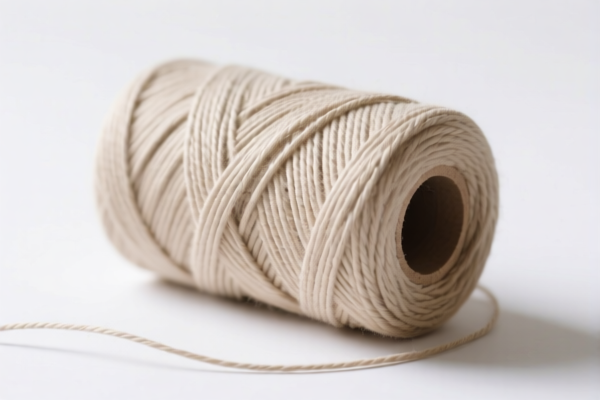
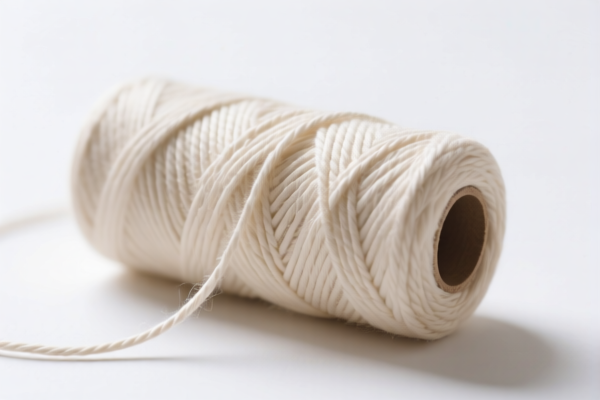
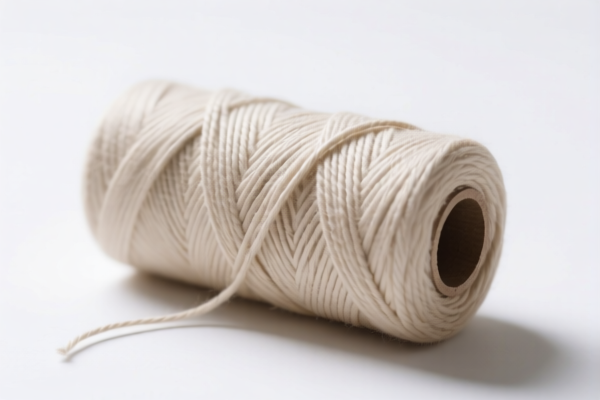
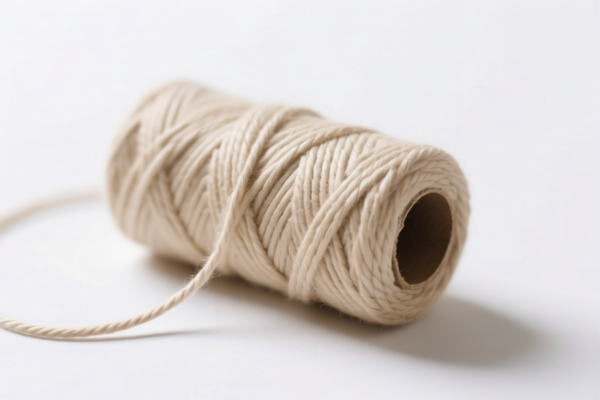
AI分析
🧶 Roll Yarn (毛线卷) | Global Trade & Customs Classification Guide 2026
🌐 HS Code Reference & Customs Clearance Strategy | 2026 Latest Tariff Analysis | Professional Compliance Guide
📌 I. Product Definition & Classification: What Exactly Is "Roll Yarn"?
"Roll Yarn" (毛线卷) refers to yarn that has been wound into a cylindrical or ball shape for ease of handling, knitting, or weaving. In international trade, the classification of yarn depends heavily on two factors: 1. Material Composition: Is it plant-based (e.g., cotton, linen), animal-based (e.g., wool, cashmere), or synthetic? 2. Form: It is a "primary/semi-processed form" of textile yarn.
⚠️ Key Classification Logic:
- If the yarn is made from plant fibers (e.g., cotton, ramie) or animal fibers (not wool, e.g., camel, alpaca) → It generally falls under Chapter 53 (Vegetable/Other Animal Fibers).
- If the yarn is made of Wool or Fine Animal Hair (e.g., cashmere, mohair) → It falls under Chapter 51 (Wool/Fine Animal Hair).
- Shape: The fact that it is "rolled" or "wound" is the standard primary form for yarn and does not change its core textile classification, but it distinguishes it from loose fiber or finished fabric.
📦 II. HS Code Classification Details (2026 Official Tariff Reference)
Based on the provided data, here are the possible HS Codes and their specific tax implications.
| HS Code | Product Description | Material Basis | Key Characteristics |
|---|---|---|---|
5308.10.00.00 |
Yarn of Other Vegetable Textile Fibers | Plant-based (e.g., Ramie, Jute, Flax blends not specified as Linen) | "Yarn roll belongs to textile fiber morphology, consistent with the general classification logic of plant/animal fiber yarns." |
5308.20.00.00 |
Yarn of Other Animal Textile Fibers | Animal-based (Non-Wool, e.g., Camel, Alpaca, Angora) | "Yarn roll is a textile yarn; the rolled form is a common primary/semi-processed form of yarn." |
5106.10.00.90 |
Wool Yarn (Not From Recycled Fibers) | Wool or Wool-blend | "Inferred material is wool or wool-containing fiber, consistent with wool yarn characteristics." |
5106.10.00.10 |
Wool Yarn (Specific Sub-category) | Wool or Similar Fiber | "Material is wool or similar fiber, rolled form, consistent with textile yarn characteristics." |
🔍 Critical Distinction:
- Chapters 53 vs. 51: The biggest difference lies in the material.
- If your "Roll Yarn" is Cotton, Linen, Hemp, or other plant fibers, it may fall under 5308 (assuming it's not standard cotton which is Ch. 52).
- If your "Roll Yarn" is Wool, Cashmere, Mohair, it MUST fall under 5106.
- If it is Camel, Alpaca, or other "other animal fibers", it falls under 5308.
💰 III. 2026 Tariff Rate Breakdown (Including Additional Duties & Policy Surcharges)
✅ Target Market: United States (US)
✅ Origin: China (CN)
✅ Effective Date: Post-2025 Trade Regulations (Including 122 Clause & Section 301)
🎯 1. Classification A: Plant/Other Animal Fiber Yarn (HS Code: 5308.10 / 5308.20)
| Item | Detail |
|---|---|
| Base Tariff | 0.0% (Ad Valorem) |
| Section 301 Additional Tariff | +25.0% |
| Section 122 Clause Tariff | +10.0% |
| Total Effective Rate | 35.0% |
| Tax Calculation | CIF Value × 35% |
| De Minimis Exemption? | ❌ No (Deny de minimis) |
| Legal Basis Path | USITC:5308.xx.xx.xx → Section 301: 25% → Section 122: 10% |
📌 Explanation:
- Base 0%: Standard MFN rate for certain textile yarns is often low or zero.
- 301 Clause (25%): Applies to most Chinese-origin goods under US Trade Act Section 301.
- Section 122 (10%): Specific additional levy applicable to Chinese textile products.
- Total: 35%. This is a high-cost category. Profit margins must account for this.
🎯 2. Classification B: Wool/Fine Animal Hair Yarn (HS Code: 5106.10.00.10 / 5106.10.00.90)
| Item | Detail |
|---|---|
| Base Tariff | 6.0% (Ad Valorem) |
| Section 301 Additional Tariff | +25.0% |
| Section 122 Clause Tariff | +10.0% |
| Total Effective Rate | 41.0% |
| Tax Calculation | CIF Value × 41% |
| De Minimis Exemption? | ❌ No (Deny de minimis) |
| Legal Basis Path | USITC:5106.10.xx.xx → Section 301: 25% → Section 122: 10% |
📌 Explanation:
- Base 6%: Wool yarns have a slightly higher base duty than some plant fibers.
- 301 Clause (25%): Same as above, applies to Chinese wool/textile goods.
- Section 122 (10%): Same as above.
- Total: 41%. This is the highest tax bracket for this product. Wool yarn imports from China are extremely expensive in duty.
🛠️ IV. Customs Clearance Practical Advice (Real-World Pitfall Avoidance)
✅ 1. Documentation Checklist (Must-Haves)
| Document | Required? | Notes |
|---|---|---|
| ✅ Commercial Invoice | Yes | Must clearly state: "Yarn Roll, [Material Type], Weight, Price" |
| ✅ Packing List | Yes | Include gross/net weight, number of rolls, dimensions |
| ✅ Certificate of Origin (CO) | Yes | To prove origin (China). Essential for 301/122 assessment. |
| ✅ Material Composition Declaration | Yes | CRITICAL: Must specify % of Wool vs. Plant Fiber vs. Synthetic. Misclassification leads to heavy penalties. |
| ✅ Product Photos | Yes | Show the "rolled" form to confirm it's yarn, not fabric or loose fiber. |
| ✅ Lab Test Report | Recommended | Fiber content analysis (e.g., from SGS, Intertek) to prove it's 100% Wool or Cotton, etc. |
✅ 2. Declaration Tips (Key Mantra)
🔥 "Material First, Form Second, Declare Precisely, Avoid Penalties!"
| Scenario | Correct Declaration | Wrong Practice | Consequence |
|---|---|---|---|
| Wool Yarn | 5106.10.00.10 |
Declaring as 5308 (Plant Fiber) |
Penalty for Misclassification + Back Taxes |
| Plant Fiber Yarn | 5308.10.00.00 |
Declaring as 5106 (Wool) |
Overpayment of 6% base duty (minor) or Underpayment if wool is taxed higher |
| Mixed Fiber | Check Main Component | Ignoring blend ratio | Customs may reclassify based on worst-case or highest duty |
| Loose Fiber vs. Yarn | State "Rolled Yarn" | Stating "Textile Fiber" | "Fiber" is raw material (different HS), "Yarn" is processed. Confusion causes delays. |
✅ 3. Special Considerations
| Situation | Handling Advice |
|---|---|
| OEM Knitting Yarn | Provide customer’s tech pack to prove it’s not "finished garment" but "raw yarn." |
| Dyed vs. Undyed | HS Code 5106 usually covers both, but ensure description matches. |
| Sample Imports | Even samples are subject to the same tariffs. No de minimis exemption for yarn from China. |
| Country of Origin | If yarn is spun in Vietnam but fiber is from China, check Substantial Transformation rules. Might avoid 301 tariffs if properly documented. |
🌍 V. Global Market Comparison (2026)
| Country/Region | Recommended HS Code | Estimated Total Duty (China Origin) | Key Certification/Requirement | Notes |
|---|---|---|---|---|
| 🇺🇸 USA | 5106.10 (Wool) / 5308 (Plant) |
41% (Wool) / 35% (Plant) | FDA (if contact dye), CE (if applicable) | Highest tariffs due to 301 & 122 clauses. |
| 🇨🇳 China | 5106 / 5308 |
5% - 8% | CCC (if applicable) | Low entry barrier. |
| 🇪🇺 EU | 5106 / 5308 |
0% - 6% (Most Favorable) | REACH, OEKO-TEX | No Section 301 equivalent, but strict environmental rules. |
| 🇬🇧 UK | 5106 / 5308 |
0% - 6% | UKCA, REACH | Post-Brexit trade agreement benefits may apply. |
| 🇯🇵 Japan | 5106 / 5308 |
0% - 8% | JIS | CPTPP benefits may reduce duty for eligible countries. |
📌 Conclusion:
- USA is the most expensive market for Chinese yarn imports due to the 41% (Wool) / 35% (Plant) total duty.
- EU/UK/Japan are more favorable, but require strict chemical safety (REACH/OEKO-TEX) compliance.
📌 VI. Common Mistakes & Pitfall Guide (Lessons Learned)
❌ Mistake 1: Declaring "Yarn" generically without material specification.
👉 Consequence: Customs will ask for clarification, causing delays. If they guess "Wool," you pay 41%. If it's Cotton, you overpaid.
❌ Mistake 2: Confusing "Yarn" (Ch 51/53) with "Knitted Fabric" (Ch 60).
👉 Consequence: "Roll Yarn" is raw material. If declared as fabric, it’s a serious misclassification. Fabric duties differ significantly.
❌ Mistake 3: Ignoring the "122 Clause" surcharge.
👉 Consequence: The 10% additional tariff is often overlooked by beginners, leading to unexpected costs at customs.
❌ Mistake 4: Assuming "De Minimis" applies.
👉 Consequence: NO de minimis for yarn from China to the US. Even $50 samples are taxed at 35-41%.
✅ Correct Approach:
"Wool Yarn, Rolled, 100% Wool, Knitting Grade, HS 5106.10.00.10, Origin China, DCPD/301/122 Applicable."
🎯 VII. Conclusion: Professional Clearance Saves Costs!
🎯 Remember the Mantra:
🔹 "Material determines Code, Code determines Tax."
🔹 "Wool is 41%, Plant is 35% – Don't get shocked!"
🔹 "No De Minimis for Yarn – Every Penny Counts!"
📌 Pro Tip:
If you are importing large volumes, consider Advance Rulings from US CBP to confirm the HS Code and duty liability. Also, explore Third-Country Transshipment (if legally compliant with rules of origin) to mitigate US tariffs.
📣 Action Plan:
📞 Consult a licensed customs broker.
📄 Prepare a detailed Material Composition Certificate.
🚀 Calculate landed cost including 35-41% duty + freight + insurance.
✨ Precision in Classification is the Key to Profitability!
💼 Don't let hidden tariffs eat your margin!
用户评价
关于 HS 编码归类
协调制度(HS)是由世界海关组织(WCO)制定的国际贸易商品分类标准。全球 200 多个国家采用 HS 系统作为海关关税、贸易统计和进出口监管的基础。
每个 HS 编码遵循以下层级结构:
- 章(2 位)——商品大类(例如:第 84 章:机器和机械设备)
- 品目(4 位)——章内的更具体分类
- 子目(6 位)——国际通用细分,所有 WCO 成员国统一使用
- 本国细分(8-10 位)——各国自行扩展的细分编码,如美国 HTSUS 10 位编码
正确的 HS 编码归类对于顺利通关、准确缴纳关税和遵守贸易法规至关重要。错误归类可能导致海关延误、多缴关税或罚款。
从CN进口到US时,适用的关税税率可能包括:
- 最惠国(MFN)税率——适用于 WTO 成员国的标准关税税率
- 普通税率——适用于无贸易协定国家
- 贸易救济关税——附加关税,如 301 条款(反倾销)、232 条款(国家安全)或反补贴税
本页内容仅供参考。如需正式归类,请咨询当地海关或持牌报关代理。