Rolled Packaging Materials
CN → US| HS编码 | 关税税率 | 原产国 | 目的国 | 文档 |
|---|---|---|---|---|
| 3923290000 | 38.0% | CN | US | 官方文档 |
| 4819300040 | 35.0% | CN | US | 官方文档 |
| 4819400040 | 35.0% | CN | US | 官方文档 |
| 3919102055 | 40.8% | CN | US | 官方文档 |
| 4821902000 | 35.0% | CN | US | 官方文档 |
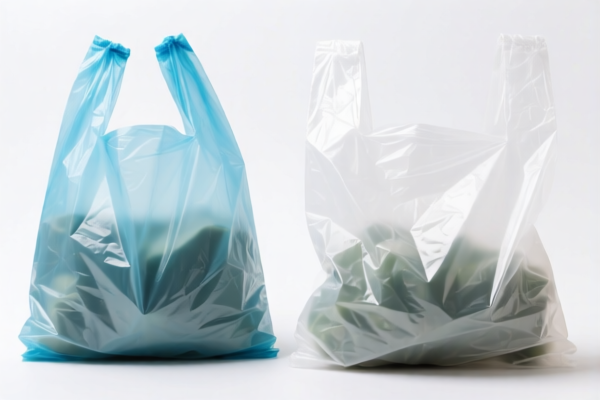
商品图片



AI分析
📦 Rolled Packaging Materials (卷装包装材料)
🌐 HS Code Reference & Customs Clearance Guide | 2026 Latest Tariff Analysis | Professional Entry Strategy
📌 1. Product Definition & Classification: Do You Truly Understand "Rolled Packaging"?
Rolled Packaging Materials refer to flexible materials supplied in rolls, primarily used for wrapping, sealing, labeling, or protecting goods during transport. In international trade, these materials are strictly classified based on their primary material composition (Plastic vs. Paper/Fiber) and specific form/function (Plates/Sheets, Bags, Labels).
Misclassification is the #1 cause of customs delays and penalties. The key distinction lies in identifying whether the roll consists of plastic films or paper/cardboard structures.
⚠️ Critical Distinction Point: - If the material is a plastic film (e.g., shrink wrap, stretch film, tape) → It falls under Chapter 39 (Plastics). - If the material is paper or fiber (e.g., kraft paper rolls, cardboard sleeves, paper bags) → It falls under Chapter 48 (Paper/Paperboard).
📊 2. HS Code Classification Details (2026 Latest Tariff Authority)
Below is the precise mapping of Rolled Packaging Materials to the correct HS Codes based on the provided data, along with the logical inference for each.
| HS Code | Product Description | Inference Logic (Why This Code?) | Material/State |
|---|---|---|---|
| 3923.29.00.00 | Articles for the conveyance or packing of goods, of plastics (Other) | Inference: Based on the use of packaging materials and matching plastic transport/packing supplies. The material is inferred to be Plastic. | Plastic Film/Sheet |
| 4819.30.00.40 | Sacks and bags (other than those of heading 4801 or 4803-4808), of paper or paperboard | Inference: Inferred from the "rolled" format as Paper or Cellulose-based, fitting the form of packaging products. Falls under the "Other" residual category. | Paper/Fiber Roll |
| 4819.40.00.40 | Sacks and bags, of paper or paperboard, folded without stitching or gluing | Inference: Inferred as Paper or Cellulose, in roll/container form. Falls under the residual category for bags/pouches. | Paper/Fiber Roll |
| 3919.10.20.55 | Self-adhesive plates, sheets, film, foil, tape, strip and other shapes | Inference: Form matches "Rolled" state; Material inferred as Plastic range. No obvious material conflict. Falls under "Other" residual category. | Plastic Tape/Film |
| 4821.90.20.00 | Labels of paper or paperboard, self-adhesive, printed (Other) | Inference: Inferred material as Paper or Film, matching the form of Labels. Based on the residual category for self-adhesive labels. | Paper/Film Label Roll |
🔍 Key Reminder: - "Rolled" alone is not enough. You must declare the Material (Plastic vs. Paper). - Plastic rolls (like stretch film) generally go to 3923 or 3919. - Paper rolls (like kraft paper or paper bags) generally go to 4819 or 4821.
💰 3. 2026 Latest Tariff Rate Breakdown (Including Surtaxes & Policy Add-ons)
✅ Applicable Country: United States (US)
✅ Origin: China (CN)
✅ Effective Date: Post-November 2025 (Current Enforcement)
🎯 1. 3923.29.00.00 – Plastic Packing Articles (Plastic Roll/Film)
| Item | Detail |
|---|---|
| Base Tariff | 3.0% (Ad Valorem) |
| Section 301 Surtax | +25.0% |
| Section 122 Surtax | +10.0% |
| Total Tariff Rate | 38.0% |
| Calculation | CIF Value × 38.0% |
| De Minimis Eligibility | ❌ No (High tariff threshold applies) |
| Legal Path | USITC:3923.29.00.00 → FOOTNOTE:301 → IEEPA:122 |
📌 Explanation: - Plastic packaging materials are subject to the standard 3% base rate. - The 25% Section 301 tariff applies broadly to Chinese plastics. - An additional 10% Section 122 tariff is applied, bringing the total to 38%.
🎯 2. 4819.30.00.40 – Paper Sacks/Bags (Paper Roll)
| Item | Detail |
|---|---|
| Base Tariff | 0.0% |
| Section 301 Surtax | +25.0% |
| Section 122 Surtax | +10.0% |
| Total Tariff Rate | 35.0% |
| Calculation | CIF Value × 35.0% |
| De Minimis Eligibility | ❌ No |
| Legal Path | USITC:4819.30.00.40 → FOOTNOTE:301 → IEEPA:122 |
📌 Note: - While the base tariff is 0%, the 35% total effective rate is still very high due to surtaxes. - Commonly used for heavy-duty kraft paper rolls or industrial paper bags.
🎯 3. 4819.40.00.40 – Folded Paper Sacks/Bags
| Item | Detail |
|---|---|
| Base Tariff | 0.0% |
| Section 301 Surtax | +25.0% |
| Section 122 Surtax | +10.0% |
| Total Tariff Rate | 35.0% |
| Calculation | CIF Value × 35.0% |
| De Minimis Eligibility | ❌ No |
| Legal Path | USITC:4819.40.00.40 → FOOTNOTE:301 → IEEPA:122 |
📌 Note: - Similar to 4819.30, but specifically for folded bags (e.g., pre-formed paper bag rolls). - Total rate remains 35%.
🎯 4. 3919.10.20.55 – Self-Adhesive Plastic Plates/Film/Tape
| Item | Detail |
|---|---|
| Base Tariff | 5.8% |
| Section 301 Surtax | +25.0% |
| Section 122 Surtax | +10.0% |
| Total Tariff Rate | 40.8% |
| Calculation | CIF Value × 40.8% |
| De Minimis Eligibility | ❌ No |
| Legal Path | USITC:3919.10.20.55 → FOOTNOTE:301 → IEEPA:122 |
📌 Warning: - This is the highest tariff among the options (40.8%). - Applies to self-adhesive plastic tapes, stretch wraps with adhesive, or plastic label rolls. - High base rate (5.8%) + 35% surtaxes = Expensive clearance.
🎯 5. 4821.90.20.00 – Self-Adhesive Paper Labels
| Item | Detail |
|---|---|
| Base Tariff | 0.0% |
| Section 301 Surtax | +25.0% |
| Section 122 Surtax | +10.0% |
| Total Tariff Rate | 35.0% |
| Calculation | CIF Value × 35.0% |
| De Minimis Eligibility | ❌ No |
| Legal Path | USITC:4821.90.20.00 → FOOTNOTE:301 → IEEPA:122 |
📌 Note: - Applies to paper label rolls (e.g., shipping labels, price tags). - If the labels are plastic-based (PET/PVC), they may incorrectly fall under
3919.10(40.8%). Ensure material is declared as Paper for the 35% rate.
🛠️ 4. Customs Clearance Practical Advice (实战避坑指南)
✅ 1. Documentation Checklist (Essential for Clearance)
| Document | Required? | Purpose |
|---|---|---|
| ✅ Product Specification Sheet | ✔️ | Must clearly state Material (Plastic vs. Paper) and Form (Roll/Film/Bag/Label). |
| ✅ Material Composition Statement | ✔️ | Explicitly declare: "100% Plastic PP" or "100% Kraft Paper". |
| ✅ Product Photos | ✔️ | Show the roll, core size, width, and any packaging markings. |
| ✅ Commercial Invoice | ✔️ | Description must match HS Code logic (e.g., "Plastic Stretch Film Roll" vs. "Paper Label Roll"). |
| ✅ Packing List | ✔️ | Net/Gross weight, dimensions of rolls. |
✅ 2. Declaration Tips (Key Strategy)
🔥 "Material First, Form Second, Code Accurate, Tariff Lower!"
| Scenario | Correct Declaration | Incorrect Declaration | Consequence |
|---|---|---|---|
| Plastic Stretch Film Roll | 3923.29.00.00 (38%) |
3919.10.20.55 (40.8%) |
Overpay 2.8% + Risk of Rejection |
| Paper Label Roll | 4821.90.20.00 (35%) |
3919.10.20.55 (40.8%) |
Overpay 5.8% + Risk of Fine |
| Kraft Paper Roll (Bags) | 4819.30.00.40 (35%) |
4819.40.00.40 (35%) |
Rate same, but description mismatch may cause delay |
| Plastic Tape (Adhesive) | 3919.10.20.55 (40.8%) |
3923.29.00.00 (38%) |
Under-declaration risk → Penalty |
📌 Crucial Point: - Do NOT simply declare "Packaging Material". - DO specify: "Self-Adhesive Plastic Film Roll, 10 microns, PP Material" or "Self-Adhesive Paper Label Roll, 100gsm, Kraft Paper".
✅ 3. Special Cases
| Situation | Handling Advice |
|---|---|
| Mixed Materials (Paper + Plastic Coating) | Typically classified by essential character. If plastic coating is dominant, may go to 3923 or 3919. Consult expert. |
| Rolls with Custom Printing | If printed with logos/instructions, ensure it matches 4821.90 (Labels) or 4819 (Sacks). Unprinted rolls are simpler. |
| Coreless Rolls | Still subject to same HS Code. Declare "Coreless" to avoid dimensional disputes. |
| Biodegradable Plastics | If certified as biodegradable plastic, still Plastic → Chapter 39. Does NOT automatically go to Paper. |
🌍 5. Global Market Comparison (2026 Update)
| Country/Region | Recommended HS Code | Total Tariff (China Origin) | Notes |
|---|---|---|---|
| 🇺🇸 USA | 3923.29.00.00 / 4819.30.00.40 |
35% - 40.8% | High surtaxes (301 + 122). |
| 🇨🇳 China | Same HS Codes | ~0% - 5% | Low import duty for packaging materials. |
| 🇪🇺 EU | Varies | 0% - 4% | No Section 301/122 equivalents. Lower cost. |
| 🇲🇽 Mexico | Varies | 5% - 10% | USMCA benefits if originating in NA. |
📌 Conclusion: - USA is the most expensive market for Chinese packaging materials due to 35-40.8% effective tariffs. - Consider supply chain diversification (e.g., shipping from Vietnam or Mexico) if targeting the US market to mitigate costs.
📌 6. Common Mistakes & Pitfalls (Lessons Learned)
❌ Mistake 1: Declaring "Plastic Roll" for a Paper Label Roll
👉 Result: 40.8% Tax instead of 35%. + Customs Inspection.
❌ Mistake 2: Declaring "Paper Bag" for a Plastic Bag Roll
👉 Result: Misclassification, potential fraud allegations, and 6-month hold.
❌ Mistake 3: Ignoring "Self-Adhesive" nature
👉 Result: If adhesive, it may shift from 3923 (Packing) to 3919 (Tape/Film), changing tax from 38% to 40.8%.
❌ Mistake 4: Vague Description "Packaging Film"
👉 Result: CBP (Customs Border Protection) will issue a Request for Information (RFI), causing 1-2 week delays.
✅ Correct Practice:
"100% Polyethylene Stretch Film Roll, Self-Adhesive, 12 Microns, Width 50cm, For Palletizing"
OR
"Self-Adhesive Kraft Paper Labels, 100mm x 150mm, Matte Finish, 200m per Roll"
🎯 7. Conclusion: Precision Saves Money!
🎯 Remember the Formula:
🔹 "Plastic Roll = 38% or 40.8%"
🔹 "Paper Roll = 35%"
🔹 "Adhesive = Higher Base Rate"
🔹 "Material Definition = Tax Driver"
📌 Pro Tip:
If you are importing small quantities (e.g., under $800), verify if De Minimis exemptions apply (currently restricted for many Chinese goods). For bulk shipments, pre-classification ruling is highly recommended.
📣 Immediate Action:
📞 Contact your customs broker with material specs + photos.
🚀 Declare accurately, pay fairly, clear smoothly!
✨ Professional Clearance Starts with Accurate Classification!
💼 Every percentage point of tariff difference is a profit difference!
用户评价
关于 HS 编码归类
协调制度(HS)是由世界海关组织(WCO)制定的国际贸易商品分类标准。全球 200 多个国家采用 HS 系统作为海关关税、贸易统计和进出口监管的基础。
每个 HS 编码遵循以下层级结构:
- 章(2 位)——商品大类(例如:第 84 章:机器和机械设备)
- 品目(4 位)——章内的更具体分类
- 子目(6 位)——国际通用细分,所有 WCO 成员国统一使用
- 本国细分(8-10 位)——各国自行扩展的细分编码,如美国 HTSUS 10 位编码
正确的 HS 编码归类对于顺利通关、准确缴纳关税和遵守贸易法规至关重要。错误归类可能导致海关延误、多缴关税或罚款。
从CN进口到US时,适用的关税税率可能包括:
- 最惠国(MFN)税率——适用于 WTO 成员国的标准关税税率
- 普通税率——适用于无贸易协定国家
- 贸易救济关税——附加关税,如 301 条款(反倾销)、232 条款(国家安全)或反补贴税
本页内容仅供参考。如需正式归类,请咨询当地海关或持牌报关代理。