Rolling Scale Waste
CN → US| HS编码 | 关税税率 | 原产国 | 目的国 | 文档 |
|---|---|---|---|---|
| 7204410080 | 35.0% | CN | US | 官方文档 |
| 7204490080 | 35.0% | CN | US | 官方文档 |
| 8423810010 | 35.0% | CN | US | 官方文档 |
| 8423810020 | 35.0% | CN | US | 官方文档 |
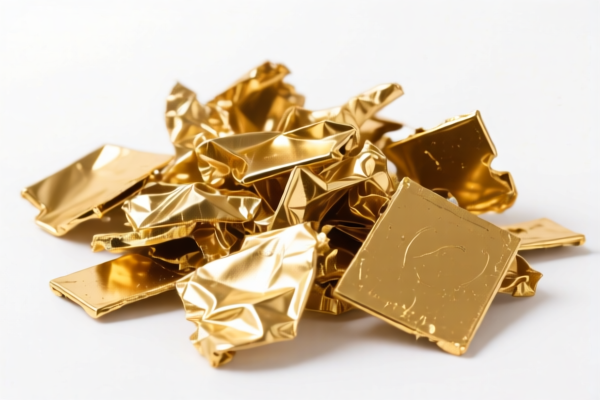
商品图片



AI分析
🏗️ Rolling Scale Waste (Ferrous Scrap & Weighing Machinery)
🌐 HS Code Reference & Customs Clearance Guide | 2026 Latest Tariff Analysis | Professional Entry Strategy
📌 I. Product Definition & Classification: What is "Rolling Scale Waste"?
The term "Rolling Scale Waste" is ambiguous and can refer to two entirely different categories of goods in international trade, depending on the physical state and intended use of the items:
- Ferrous Scrap/Metal Waste: Metal turnings, shavings, or cut-offs generated during the manufacturing or "rolling" process of iron/steel. These are raw materials for remelting.
- Weighing Machinery Parts/Equipment: Digital scales, counting scales, or parts thereof used in industrial or retail settings.
⚠️ Critical Distinction:
- If the item is discarded metal waste (turnings, shavings, stampings) → It falls under Chapter 72 (Ferrous Scrap).
- If the item is a functional or non-functional weighing machine/part → It falls under Chapter 84 (Weighing Machinery).
📦 II. HS Code Classification Details (2026 Latest Tariff Authority Match)
Based on the provided <DATA>, here are the exact HS Codes mapped to potential interpretations of "Rolling Scale Waste":
| HS Code | Product Description | Applicable Scenario | Type of Good |
|---|---|---|---|
7204.41.00.80 |
Ferrous waste and scrap: Other waste and scrap: Turnings, shavings, chips, milling waste, sawdust, filings, trimmings and stampings, whether or not in bundles Other | Metal shavings, turnings, or stampings from steel/iron production | ✅ Ferrous Scrap |
7204.49.00.80 |
Ferrous waste and scrap: Other waste and scrap: Other Other: Other | Other unsorted or miscellaneous ferrous waste/scrap not specified elsewhere | ✅ Ferrous Scrap |
8423.81.00.10 |
Weighing machinery: Other weighing machinery: Max capacity ≤ 30 kg: Digital electronic type: Counting scales | Industrial counting scales with digital display, max 30kg capacity | ✅ Weighing Machine |
8423.81.00.20 |
Weighing machinery: Other weighing machinery: Max capacity ≤ 30 kg: Digital electronic type: Retail scales, non-computing | Retail electronic scales (e.g., grocery store scales), max 30kg capacity | ✅ Weighing Machine |
🔍 Key Insight:
- "Waste" usually implies7204series (Scrap).
- "Scale" usually implies8423series (Machinery).
- You must clarify if the goods are junk metal or electronic devices. Misclassification here leads to severe customs penalties.
💰 III. 2026 Latest Tariff Rate Details (Including Surcharge)
✅ Applicable Country: USA (US)
✅ Origin: China (CN) (Implied by 25% surcharge typical in recent trade data)
✅ Effective Time: 2025/2026 Period
🎯 1. Ferrous Waste & Scrap (7204.41.00.80 & 7204.49.00.80)
| Item | Content |
|---|---|
| Base Tariff | 0.0% |
| Surcharge (Section 301/USITC) | +25.0% |
| Total Tax Rate | 25.0% |
| Tax Calculation | CIF Value × 25% |
| De Minimis Exemption | ❌ Not Eligible (Generally, scrap shipments exceed de minimis thresholds or are subject to specific scrap regulations) |
| Legal Basis | USITC:7204.41.00.80 / USITC:7204.49.00.80 + 25% Surcharge |
📌 Explanation:
- Ferrous scrap is generally taxed at 0% base duty.
- However, imports from China are subject to a 25% additional tariff under US trade policy.
- Total Cost Impact: 25% on top of the CIF value.
🎯 2. Weighing Machinery (8423.81.00.10 & 8423.81.00.20)
| Item | Content |
|---|---|
| Base Tariff | 0.0% |
| Surcharge (Section 301/USITC) | +25.0% |
| Total Tax Rate | 25.0% |
| Tax Calculation | CIF Value × 25% |
| De Minimis Exemption | ❌ Not Eligible |
| Legal Basis | USITC:8423.81.00.10 / USITC:8423.81.00.20 + 25% Surcharge |
📌 Explanation:
- Digital electronic scales (counting or retail) with max capacity ≤ 30kg have a 0% base duty.
- Like scrap, Chinese-origin weighing machinery is hit with a 25% surcharge.
- Total Cost Impact: 25% on top of the CIF value.
🛠️ IV. Customs Clearance Practical Advice (Real-World Pitfall Avoidance)
✅ 1. Documentation Checklist (All Items Required)
| Document | Mandatory? | Description |
|---|---|---|
| ✅ Commercial Invoice | ✔️ | Must clearly state: "Ferrous Scrap" OR "Digital Electronic Counting Scale" based on actual goods. |
| ✅ Packing List | ✔️ | Detail weight, volume, and condition (e.g., "Loose Scrap" vs. "Boxed Scales"). |
| ✅ Product Photos | ✔️ | Show the item clearly. For scrap: show material type. For scales: show digital display/brand. |
| ✅ Material Test Report | ✔️ | (For Scrap) Required to prove it is ferrous waste and not hazardous waste. |
| ✅ Technical Data Sheet | ✔️ | (For Scales) Max capacity (≤30kg), power supply, display type (digital). |
✅ 2. Declaration Tips (Key Mnemonics)
🔥 "Scrap is Metal, Scale is Machine! Don't Mix Them!"
| Scenario | Correct Declaration | Wrong Practice |
|---|---|---|
| Metal shavings/turnings | 7204.41.00.80 as "Ferrous Scrap" |
Declare as "Machine Parts" → High risk of rejection |
| Broken digital scale | Analyze intent: If for parts/recycling → 7204? No, still likely 8423 unless crushed into pure scrap. If functional → 8423 |
Declare as "Scrap" when it's a device → Tariff/Regulatory mismatch |
| Retail Digital Scale (≤30kg) | 8423.81.00.20 |
Declare as "General Electronic" → Wrong classification |
| Industrial Counting Scale (≤30kg) | 8423.81.00.10 |
Declare as "Retail Scale" → Possible audit flag |
✅ 3. Special Handling
| Situation | Advice |
|---|---|
| Mixed Shipment | Do NOT mix scrap metal and electronic scales in one container unless declared separately with different HS Codes. Mixed shipments cause delays. |
| Hazardous Content | If scales contain batteries or mercury switches, declare as Dangerous Goods. Scrap metal must be free of chemical contamination. |
| Chinese Origin | Ensure the Certificate of Origin clearly states "China" to apply the correct 25% surcharge. Avoid transshipment claims without proper proof to prevent anti-circumvention investigations. |
🌍 V. Global Market Comparison (2026 Update)
| Country/Region | Recommended HS Code | Tariff (China Origin) | Notes |
|---|---|---|---|
| 🇺🇸 USA | 7204.41.00.80 / 8423.81.00.x0 |
25.0% (Total) | High surcharge applies to both scrap and scales. |
| 🇨🇳 China | 7204.41.00.80 / 8423.81.00.x0 |
Low/Zero | Export tariffs may apply; check specific export policies. |
| 🇪🇺 EU | 7204.41.00.80 / 8423.81.00.x0 |
~2% - 4% | No US-style surcharges, but VAT applies. |
| 🇨🇦 Canada | 7204.41.00.80 / 8423.81.00.x0 |
0% - 5% | Generally lower than US. |
📌 Conclusion:
- The 25% surcharge is unique to US-China trade in the current period.
- Both Scrap and Scales carry the same 25% total tax rate in the provided data, but their regulatory requirements (hazardous waste vs. electronic compliance) differ significantly.
📌 VI. Common Errors & Pitfalls (Lessons Learned)
❌ Error 1: Declaring Digital Scales as Metal Scrap to avoid electronics regulations.
👉 Consequence: Customs will inspect, find electronics, assess penalties, and potentially seize goods.
❌ Error 2: Declaring Ferrous Scrap as New Machinery (8423).
👉 Consequence: Higher scrutiny for anti-dumping, potential denial of entry if not "scrap" grade.
❌ Error 3: Ignoring the ≤30 kg limit for 8423.81.
👉 Consequence: If scale >30kg, it moves to a different subheading with potentially different duty rates.
✅ Correct Approach:
"For Scrap: Provide Material Composition Report. For Scales: Provide Max Capacity & Digital Specification."
🎯 VII. Conclusion: Precision in Classification Saves Money
🎯 Remember the Golden Rule:
🔹 "If it's metal junk, it's 7204. If it's a digital scale, it's 8423. Both are 25% in the US. Don't mix them!"
📌 Pro Tip:
If you are exporting Ferrous Scrap, ensure it meets OECD hazardous waste guidelines. If exporting Scales, ensure they have FCC/CE certification for the destination market.
📣 Immediate Action:
📞 Verify product nature: Scrap or Machine?
📄 Prepare correct HS Code:7204.41.00.80/7204.49.00.80/8423.81.00.10/8423.81.00.20
🚀 Clear customs smoothly, avoid 25% surprises!
✨ Professional Clearance Starts with Accurate Classification!
💼 Every dollar of tax is worth calculating correctly!
用户评价
关于 HS 编码归类
协调制度(HS)是由世界海关组织(WCO)制定的国际贸易商品分类标准。全球 200 多个国家采用 HS 系统作为海关关税、贸易统计和进出口监管的基础。
每个 HS 编码遵循以下层级结构:
- 章(2 位)——商品大类(例如:第 84 章:机器和机械设备)
- 品目(4 位)——章内的更具体分类
- 子目(6 位)——国际通用细分,所有 WCO 成员国统一使用
- 本国细分(8-10 位)——各国自行扩展的细分编码,如美国 HTSUS 10 位编码
正确的 HS 编码归类对于顺利通关、准确缴纳关税和遵守贸易法规至关重要。错误归类可能导致海关延误、多缴关税或罚款。
从CN进口到US时,适用的关税税率可能包括:
- 最惠国(MFN)税率——适用于 WTO 成员国的标准关税税率
- 普通税率——适用于无贸易协定国家
- 贸易救济关税——附加关税,如 301 条款(反倾销)、232 条款(国家安全)或反补贴税
本页内容仅供参考。如需正式归类,请咨询当地海关或持牌报关代理。