Rosin Ester Additive
CN → US| HS编码 | 关税税率 | 原产国 | 目的国 | 文档 |
|---|---|---|---|---|
| 2942003500 | 41.5% | CN | US | 官方文档 |
| 2942005000 | 38.7% | CN | US | 官方文档 |
| 3824992900 | 41.5% | CN | US | 官方文档 |
| 3824994190 | 39.6% | CN | US | 官方文档 |
| 3806300000 | 41.5% | CN | US | 官方文档 |
商品图片
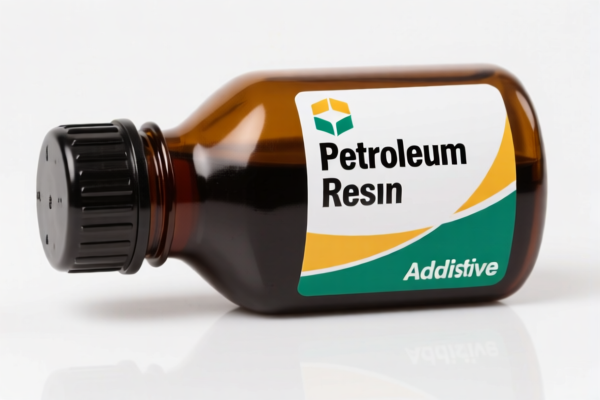

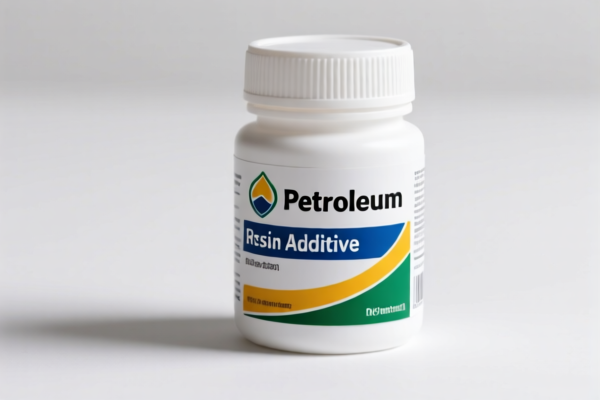
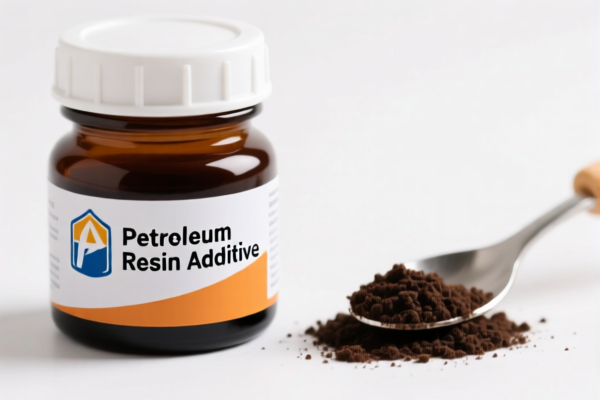
AI分析
🧪 Rosin Ester Additive (Modified Rosin Esters)
🌐 HS Code Reference & Customs Clearance Guide | 2026 Latest Tariff Analysis | Professional Strategy for US Imports
📌 I. Product Definition: What Exactly is a "Rosin Ester"?
Rosin Ester Additives, often referred to as Modified Rosin Esters or Rosin Acid Derivatives, are chemical substances produced by reacting natural rosin (derived from pine trees) with various alcohols and/or acids. They are widely used in adhesives, inks, coatings, and rubber as tackifiers or stabilizers.
In international trade, the classification depends heavily on the chemical structure and specific application:
- Polymerized/Modified Rosin Esters: Often classified under Chapter 38 (Miscellaneous Chemical Products) if considered "preparations" or "resin derivatives not elsewhere specified."
- Specific Organic Compounds: If isolated and pure, they may fall under Chapter 29 (Organic Chemicals), specifically as esters of organic acids or other organic compounds.
⚠️ Critical Distinction:
- If the product is a complex mixture/industrial preparation derived from rosin → Likely 3806.30 or 3824.99.
- If the product is a pure, isolated organic compound (e.g., specific glycerol rosinate) → Likely 2942.00.
- Misclassification Risk: Declaring as a simple resin (Chapter 39) or generic chemical (Chapter 38) without verifying chemical specificity can lead to severe penalties due to the high "Section 301" and "IEEPA" tariffs listed below.
📦 II. HS Code Classification Details (2026 Latest Tariff Mapping)
Based on the provided data, here are the five potential HS codes for Rosin Ester Additives, along with their legal justifications and total tax implications.
| HS Code | Summary / Legal Justification | Total Tax Rate | Tax Breakdown |
|---|---|---|---|
| 2942.00.35.00 | Other Organic Compounds: Classified as a specific organic compound not elsewhere specified. | 41.5% | Base: 6.5% + Sec 301: 25.0% + IEEPA: 10% |
| 2942.00.50.00 | Other Organic Compounds: Classified as an organic chemical substance under this residual category. | 38.7% | Base: 3.7% + Sec 301: 25.0% + IEEPA: 10% |
| 3824.99.29.00 | Miscellaneous Chemical Preparations: Considered a chemical preparation/resin derivative under the "other" residual category. | 41.5% | Base: 6.5% + Sec 301: 25.0% + IEEPA: 10% |
| 3824.99.41.90 | Animal/Vegetable Fats/Resins: Classified as a derivative of animal or vegetable origin (rosin is vegetable-based). | 39.6% | Base: 4.6% + Sec 301: 25.0% + IEEPA: 10% |
| 3806.30.00.00 | Colophony Esters: Specifically classified as modified rosin esters (glycerol esters, xylitol esters, etc.) under Colophony. | 41.5% | Base: 6.5% + Sec 301: 25.0% + IEEPA: 10% |
🔍 Key Insight:
- 3806.30.00.00 is the most specific description for "Modified Rosin Esters." In customs valuation, specific descriptions usually trump general "other" categories.
- However, 2942 and 3824 are also valid depending on whether the product is considered a "pure organic compound" vs. a "preparation."
- All listed codes incur high additional tariffs due to trade restrictions on Chinese-origin goods.
💰 III. 2026 Tariff Rate Detailed Analysis (US Origin: China)
✅ Applicable Country: United States (US)
✅ Country of Origin: China (CN)
✅ Effective Date: Post-2025 November 10 (Including subsequent imports)
🎯 1. 2942.00.35.00 & 2942.00.50.00 —— Organic Compounds
| Item | Content |
|---|---|
| Base Rate | 6.5% (for .35) / 3.7% (for .50) |
| Section 301 Tariff | +25.0% |
| IEEPA Tariff | +10.0% (针对中国/香港产品) |
| Total Tax Rate | 41.5% (.35) / 38.7% (.50) |
| Tax Calculation | CIF Value × Total Rate |
| De Minimis Exemption | ❌ NOT APPLICABLE (deny_de_minimis) |
| Legal Basis Path | USITC:2942.00 → USITC:Footnote 301 → IEEPA:9903.01.24 |
📌 Explanation:
- The 25% Section 301 tariff applies to most organic chemicals of Chinese origin.
- The 10% IEEPA tariff is an additional levy under the International Emergency Economic Powers Act.
- Total Cost Impact: Importers must budget for nearly 40% in duties alone, significantly affecting margin.
🎯 2. 3824.99.29.00 & 3824.99.41.90 —— Miscellaneous Chemicals / Resin Derivatives
| Item | Content |
|---|---|
| Base Rate | 6.5% (for .29) / 4.6% (for .41) |
| Section 301 Tariff | +25.0% |
| IEEPA Tariff | +10.0% |
| Total Tax Rate | 41.5% (.29) / 39.6% (.41) |
| Tax Calculation | CIF Value × Total Rate |
| De Minimis Exemption | ❌ NOT APPLICABLE |
| Legal Basis Path | USITC:3824.99 → USITC:Footnote 301 → IEEPA:9903.01.24 |
📌 Explanation:
- 3824.99.41.90 is unique because it references "animal or vegetable fats," capturing the botanical origin of rosin.
- The base rate is slightly lower (4.6%), but the high add-ons make the total competitive with Chapter 29.
- Customs may scrutinize this classification to ensure it’s not misdeclared to avoid higher Chapter 29 rates.
🎯 3. 3806.30.00.00 —— Colophony Esters (Most Specific)
| Item | Content |
|---|---|
| Base Rate | 6.5% |
| Section 301 Tariff | +25.0% |
| IEEPA Tariff | +10.0% |
| Total Tax Rate | 41.5% |
| Tax Calculation | CIF Value × 41.5% |
| De Minimis Exemption | ❌ NOT APPLICABLE |
| Legal Basis Path | USITC:3806.30 → USITC:Footnote 301 → IEEPA:9903.01.24 |
📌 Explanation:
- This is the most precise HS Code for "Rosin Esters."
- Even though it is specific, it is not exempt from Section 301 tariffs because colophony products from China are explicitly targeted.
- Advantage: Using this code reduces the risk of customs disputes regarding classification accuracy, even if the total tax is similar to other codes.
🛠️ IV. Customs Clearance Practical Advice
✅ 1. Required Documentation Checklist
| Document | Mandatory? | Notes |
|---|---|---|
| ✅ Product Specification Sheet | ✔️ | Must detail chemical composition, molecular weight, and esterification type. |
| ✅ Certificate of Origin (CO) | ✔️ | Crucial to confirm Chinese origin for accurate tariff application. |
| ✅ Commercial Invoice | ✔️ | Must clearly state "Rosin Ester Additive" or "Modified Rosin." |
| ✅ Bill of Lading | ✔️ | Ensure HS Code is consistent across all documents. |
| ✅ SDS (Safety Data Sheet) | ✔️ | Required for chemical products; helps customs verify classification. |
| ✅ Third-Party Lab Report | ✔️ | Proves chemical structure (e.g., GC/MS analysis) to support HS Code choice. |
✅ 2. Declaration Strategy
🔥 "Be Specific, Be Accurate, Avoid Guesswork!"
| Scenario | Correct Declaration | Incorrect Declaration | Risk |
|---|---|---|---|
| Pure Glycerol Rosinate | 3806.30.00.00 (Colophony Esters) |
2942.00.90 (General Organic) |
Misclassification penalty; delay. |
| Mixed Rosin Resin | 3824.99.29.00 |
3906.90 (Acrylic Resin) |
High risk; acrylics have different tariffs. |
| Vegetable-Based Resin Derivative | 3824.99.41.90 |
1302.19 (Natural Resins) |
Natural resins (Ch 13) have lower tariffs, but modified esters do NOT qualify. |
✅ 3. Special Considerations
| Situation | Advice |
|---|---|
| Pre-Commitment | Apply for a Binding Ruling with US CBP before shipping to lock in the HS Code and avoid disputes. |
| Section 301 Exclusions | Check if your specific product code was ever excluded from Section 301 tariffs (unlikely for rosin esters, but verify). |
| De Minimis (Section 321) | Do NOT use. These chemicals are subject to "deny_de_minimis," meaning small shipments are still taxed. |
| Origin Marking | Clearly mark "Made in China" on packaging to prevent additional scrutiny or fines. |
🌍 V. Global Market Comparison (2026)
| Country/Region | Recommended HS Code | Estimated Duty | Notes |
|---|---|---|---|
| 🇺🇸 USA | 3806.30.00.00 |
41.5% | High tariffs apply; specific classification required. |
| 🇨🇳 China | 3806.30.00.00 |
~5-6% | Lower import duty if importing back into China; no Section 301. |
| 🇪🇺 EU | 3806.30.00 |
~6.5% | No retaliatory tariffs like US; stable rate. |
| 🇬🇧 UK | 3806.30.00 |
~6.5% | Post-Brexit tariff schedule aligns with EU for many chemicals. |
| 🇯🇵 Japan | 3806.30.00 |
~3-6% | Check CPTPP benefits if applicable. |
📌 Conclusion:
- The US market is the most expensive for importing Rosin Esters from China due to the 41.5% effective duty rate.
- EU and Japan offer more favorable tariff environments.
- Consider supply chain diversification (e.g., sourcing from non-China origins) if targeting the US market to mitigate tariff risks.
📌 VI. Common Errors & Pitfalls
❌ Error 1: Classifying as "Natural Resin" (Chapter 13)
👉 Consequence: Rosin esters are modified/derivatives, not natural resins. Misclassification leads to duty underpayment penalties (Base rate ~2-4% vs. Actual 41.5%).
❌ Error 2: Using "Other Chemicals" (Generic Code)
👉 Consequence: Customs will assign a penalty rate or demand reclassification, causing shipment delays.
❌ Error 3: Ignoring IEEPA Tariffs
👉 Consequence: Even if Section 301 is managed, the additional 10% IEEPA tariff is often overlooked, leading to unexpected costs.
❌ Error 4: Splitting Shipments to Avoid De Minimis
👉 Consequence: Since these goods are denied de minimis, splitting shipments does not save money and may trigger fraud investigations.
✅ Best Practice:
"Modified Rosin Ester, Glycerol Based, CAS No. XXXXX-XX-X, for Use in Adhesives"
HS Code: 3806.30.00.00
🎯 VII. Final Recommendations
🎯 Key Takeaway:
🔹 "Specificity Saves Time, Tariffs Cost Money!"
🔹 "Rosin Esters are NOT Natural Resins!"
🔹 "US Imports = 41.5% Duty; Plan Your Budget!"
📌 Pro Tip:
If your product is not of Chinese origin (e.g., from Brazil, Malaysia, or Vietnam), you may qualify for lower or zero tariffs. Ensure your Certificate of Origin accurately reflects the true country of manufacture.
📣 Action Item:
📞 Consult a licensed customs broker to apply for a Pre-Ruling on HS Code
3806.30.00.00before your first shipment to the US.
🚀 Optimize Your Supply Chain and Protect Your Margins!
✨ Professional Customs Compliance Starts with Accurate Classification!
💼 Every Percent Saved is Profit Gained!
用户评价
关于 HS 编码归类
协调制度(HS)是由世界海关组织(WCO)制定的国际贸易商品分类标准。全球 200 多个国家采用 HS 系统作为海关关税、贸易统计和进出口监管的基础。
每个 HS 编码遵循以下层级结构:
- 章(2 位)——商品大类(例如:第 84 章:机器和机械设备)
- 品目(4 位)——章内的更具体分类
- 子目(6 位)——国际通用细分,所有 WCO 成员国统一使用
- 本国细分(8-10 位)——各国自行扩展的细分编码,如美国 HTSUS 10 位编码
正确的 HS 编码归类对于顺利通关、准确缴纳关税和遵守贸易法规至关重要。错误归类可能导致海关延误、多缴关税或罚款。
从CN进口到US时,适用的关税税率可能包括:
- 最惠国(MFN)税率——适用于 WTO 成员国的标准关税税率
- 普通税率——适用于无贸易协定国家
- 贸易救济关税——附加关税,如 301 条款(反倾销)、232 条款(国家安全)或反补贴税
本页内容仅供参考。如需正式归类,请咨询当地海关或持牌报关代理。