Rotating Tray
CN → US| HS编码 | 关税税率 | 原产国 | 目的国 | 文档 |
|---|---|---|---|---|
| 3924103000 | 22.8% | CN | US | 官方文档 |
| 3924905650 | 20.9% | CN | US | 官方文档 |
| 7323999080 | 88.4% | CN | US | 官方文档 |
| 7615109100 | 70.6% | CN | US | 官方文档 |
| 7323940080 | 70.2% | CN | US | 官方文档 |
商品图片
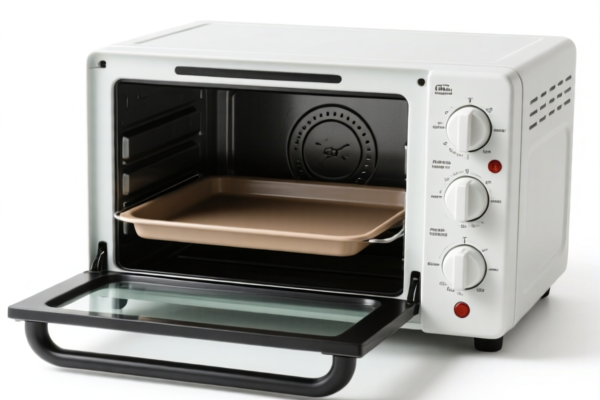
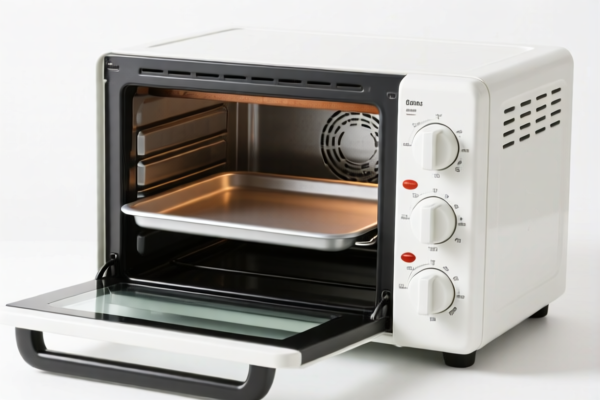
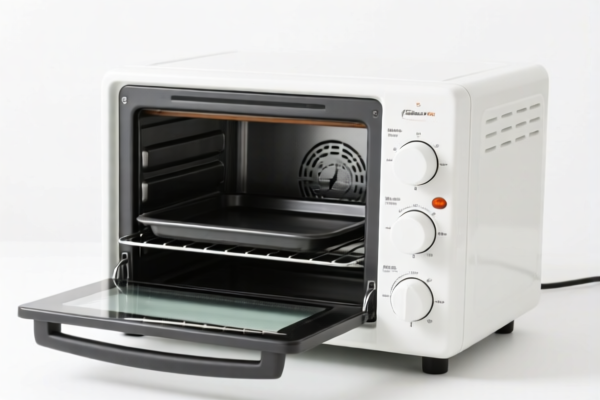
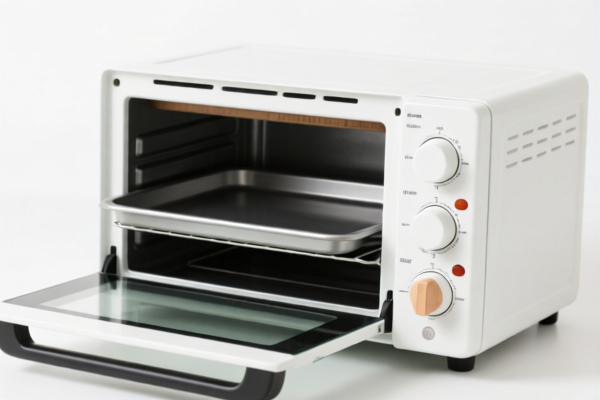
AI分析
🔄 The Rotating Tray (Lazy Susan / Serving Turntable)
🌐 HS Code Reference & Customs Clearance Guide | 2026 Latest Tariff Analysis | Strategic Compliance Strategy
📌 I. Product Definition & Classification: What Exactly Is a "Rotating Tray"?
In international trade, the term "Rotating Tray" is ambiguous. It can refer to plastic storage solutions, metal kitchenware, or aluminum tableware. The Harmonized System (HS) classification depends strictly on Material, Use, and Form. Misclassification leads to significant tariff discrepancies (from ~20% to nearly 90%).
Key Distinctions: * Plastic Materials: Categorized under Chapter 39. The specific subheading depends on whether it is used as a generic "Tray" or a general "Household Article." * Ferrous Metals (Iron/Steel): Categorized under Chapter 73. Subject to heavy Section 301 tariffs due to the "Steel/Aluminum/Copper" surcharge. * Aluminum: Categorized under Chapter 76. Also subject to the significant "Steel/Aluminum/Copper" surcharge.
⚠️ Critical Warning:
- Plastic items face moderate tariffs (~20-23%).
- Metal items (Steel/Aluminum) face extreme tariffs (70-88%) due to the specific US trade policy surcharges.
- Do not assume "Kitchenware" implies a low tax rate; the material drives the heavy surcharges for metals.
📦 II. HS Code Classification Details (2026 Authoritative Data)
Based on the provided dataset, here are the precise classifications for Rotating Trays.
| HS Code | Product Description | Material | Primary Use | Total Tax Rate |
|---|---|---|---|---|
| 3924.10.30.00 | Collapsible Tray | Plastic | Tray (Generic) | 22.8% |
| 3924.90.56.50 | Collapsible Tray | Plastic | Household Goods | 20.9% |
| 7323.99.90.80 | Collapsible Tray | Iron/Steel | Kitchen/Household | 88.4% |
| 7615.10.91.00 | Collapsible Tray | Aluminum | Tabletop/Kitchen | 70.6% |
| 7323.94.00.80 | Collapsible Tray | Iron/Steel | Enamelware/Household | 70.2% |
🔍 Detailed Breakdown:
- Plastic Trays (Ch 39): Are treated as standard household items. The tax rate is relatively low and stable.
- Steel Trays (Ch 73): Attract the highest burden. Note that7323.99.90.80carries a 50% additional surcharge for "Steel, Aluminum, Copper products" on top of base and 122 clause tariffs.
- Aluminum Trays (Ch 76): Also attract the 50% additional surcharge for "Steel, Aluminum, Copper products," though the base tariff is slightly lower than steel.
💰 III. 2026 Tariff Rate Breakdown (Detailed Policy Application)
✅ Applicable Country: United States (US)
✅ Origin: China (CN)
✅ Effective Date: Current Trade Policy Enforced
🎯 1. Plastic Trays (Low Risk / Moderate Cost)
A. HS Code 3924.10.30.00 – Plastic Tray (Foldable)
- Product Definition: Collapsible trays, plastic material, used as trays.
- Tax Composition:
- Base Tariff: 5.3%
- Section 301 (Add-on): 7.5%
- Section 122 Clause: 10%
- Total Rate: 22.8%
- 💡 Strategy: This is the standard classification for general plastic trays.
B. HS Code 3924.90.56.50 – Plastic Household Item
- Product Definition: Collapsible trays, plastic material, used as household goods, other categories.
- Tax Composition:
- Base Tariff: 3.4%
- Section 301 (Add-on): 7.5%
- Section 122 Clause: 10%
- Total Rate: 20.9%
- 💡 Strategy: If the tray is marketed broadly as a "household good" rather than a specific "tray," it may qualify for a lower base rate (3.4% vs 5.3%), saving 1.9% on CIF value.
🎯 2. Steel & Aluminum Trays (High Risk / Extreme Cost)
C. HS Code 7323.99.90.80 – Steel Tray (Iron/Steel)
- Product Definition: Collapsible tray, iron/steel material, used for kitchen/household tableware.
- Tax Composition:
- Base Tariff: 3.4%
- Section 301 (Add-on): 25.0%
- Section 122 Clause: 10%
- Section 301 "Steel/Aluminum/Copper" Surcharge: 50%
- Total Rate: 88.4%
- ⚠️ Critical Alert: The 50% surcharge is applied specifically to steel products. This makes steel rotating trays extremely unprofitable for direct export to the US without duty mitigation strategies.
D. HS Code 7615.10.91.00 – Aluminum Tray
- Product Definition: Collapsible tray, aluminum material, used for tabletop/kitchen/household items.
- Tax Composition:
- Base Tariff: 3.1%
- Section 301 (Add-on): 7.5%
- Section 122 Clause: 10%
- Section 301 "Steel/Aluminum/Copper" Surcharge: 50%
- Total Rate: 70.6%
- 💡 Comparison: Aluminum avoids the higher "Steel" specific penalty but still incurs the broad 50% metal surcharge. It is cheaper than steel (70.6% vs 88.4%) but still very high.
E. HS Code 7323.94.00.80 – Steel Enamelware/Tableware
- Product Definition: Collapsible tray, iron/steel, used for enamel iron/steel household items.
- Tax Composition:
- Base Tariff: 2.7%
- Section 301 (Add-on): 7.5%
- Section 122 Clause: 10%
- Section 301 "Steel/Aluminum/Copper" Surcharge: 50%
- Total Rate: 70.2%
- 💡 Strategy: If the steel tray is coated (enamel) or specifically designed as "tableware" rather than a generic tray, it may fall under this slightly lower base tariff category, reducing the total to 70.2%.
🛠️ IV. Customs Clearance Practical Advice (Pitfall Avoidance Guide)
✅ 1. Material Verification is Paramount
- Check Composition: Ensure your commercial invoice and packing list explicitly state the material (e.g., "100% Polypropylene Plastic" vs. "Stainless Steel").
- Avoid Ambiguity: Do not use vague terms like "Metal Tray" without specifying "Steel" or "Aluminum." If the material is misdeclared as Plastic when it is Steel, you face 86% additional penalties and potential seizure.
✅ 2. Use Case Declaration
- Plastic Items: Decide whether to declare as "Tray" (3924.10) or "Household Item" (3924.90).
- Recommendation: If the design is generic and not strictly a "serving tray," declaring as "Household Item" (3924.90.56.50) saves 1.9% tax.
- Metal Items: Clearly define the use. Is it a "Tray" or "Tableware"?
- Recommendation: For steel, using 7323.94.00.80 (Tableware/Enamelware) results in a 70.2% tax rate, which is 18.2% lower than the generic "Tray" classification (88.4%).
✅ 3. Documentation Checklist for Metal Goods
- Material Certification: Provide mill certificates or material test reports to prove the alloy composition (Steel vs. Aluminum).
- Product Photos: Include clear images showing the finish (e.g., enamel coating for 7323.94).
- Commercial Invoice: Must explicitly list:
- HS Code
- Material (e.g., "Stainless Steel 304")
- Usage (e.g., "Kitchen Tableware")
- Country of Origin (China)
✅ 4. Cost-Benefit Analysis for Importers
| Material | Recommended HS Code | Total Tax | Viability for US Market |
|---|---|---|---|
| Plastic | 3924.90.56.50 |
20.9% | ✅ High (Competitive) |
| Aluminum | 7615.10.91.00 |
70.6% | ⚠️ Low (High duty burden) |
| Steel (Generic) | 7323.99.90.80 |
88.4% | ❌ Unviable (Prohibitive) |
| Steel (Tableware) | 7323.94.00.80 |
70.2% | ⚠️ Moderate (Better than generic) |
📌 V. Common Errors & Pitfalls (Lessons Learned)
❌ Error 1: Declaring Steel Trays as "Household Goods" without specifying material.
👉 Consequence: Customs may reclassify to 3924 (Plastic) erroneously, leading to audits and back-taxes, OR correctly identify as Steel and charge 88.4%, causing shipment delays.
❌ Error 2: Ignoring the "Steel/Aluminum/Copper" 50% Surcharge.
👉 Consequence: Importers expecting ~10% tariffs for steel goods are shocked by 88%. Always check the Section 301 Footnotes for metal-specific surcharges.
❌ Error 3: Using "Tray" vs. "Tableware" interchangeably for Metal.
👉 Consequence: Paying 88.4% instead of 70.2%. Be precise in description. If it is used for dining, specify "Tableware."
✅ Correct Declaration Example:
"Collapsible Aluminum Serving Tray, Household Use, Model XYZ, Aluminum Alloy 6061, Country of Origin: China"
🎯 VI. Conclusion: Strategic Sourcing & Classification
🎯 Key Takeaway:
🔹 Plastic is King: For rotating trays, Plastic (HS 3924) is the only cost-effective material for the US market (~21% tax).
🔹 Metal is Mine: Steel and Aluminum trays face 70-88% tariffs due to specific metal surcharges. Only consider metal if your product has a high margin to absorb the duty.
🔹 Specificity Saves Money: For steel, declaring as "Tableware/Enamelware" (70.2%) is significantly cheaper than "Generic Tray" (88.4%).
📌 Pro Tip:
If you are exporting Plastic Rotating Trays, ensure they are described as "Household Goods" rather than just "Trays" to capture the lower base rate (3.4% vs 5.3%).
✨ Professional Clearance Starts with Precise Classification!
💼 Don't let tariff complexities rot your margins. Classify correctly, clear smoothly!
用户评价
关于 HS 编码归类
协调制度(HS)是由世界海关组织(WCO)制定的国际贸易商品分类标准。全球 200 多个国家采用 HS 系统作为海关关税、贸易统计和进出口监管的基础。
每个 HS 编码遵循以下层级结构:
- 章(2 位)——商品大类(例如:第 84 章:机器和机械设备)
- 品目(4 位)——章内的更具体分类
- 子目(6 位)——国际通用细分,所有 WCO 成员国统一使用
- 本国细分(8-10 位)——各国自行扩展的细分编码,如美国 HTSUS 10 位编码
正确的 HS 编码归类对于顺利通关、准确缴纳关税和遵守贸易法规至关重要。错误归类可能导致海关延误、多缴关税或罚款。
从CN进口到US时,适用的关税税率可能包括:
- 最惠国(MFN)税率——适用于 WTO 成员国的标准关税税率
- 普通税率——适用于无贸易协定国家
- 贸易救济关税——附加关税,如 301 条款(反倾销)、232 条款(国家安全)或反补贴税
本页内容仅供参考。如需正式归类,请咨询当地海关或持牌报关代理。