Rough Birch for Furniture
CN → US| HS编码 | 关税税率 | 原产国 | 目的国 | 文档 |
|---|---|---|---|---|
| 4403960130 | 35.0% | CN | US | 官方文档 |
| 9403608093 | 35.0% | CN | US | 官方文档 |
| 4407960019 | 35.0% | CN | US | 官方文档 |
| 4403950130 | 35.0% | CN | US | 官方文档 |
| 9403910080 | 35.0% | CN | US | 官方文档 |
商品图片
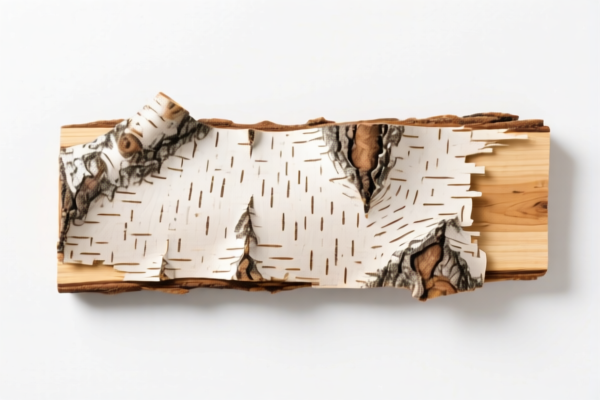
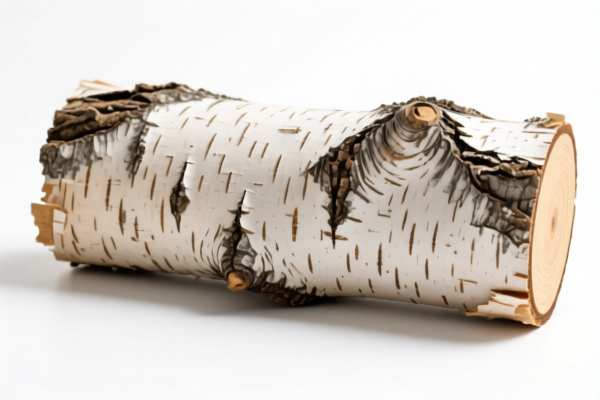
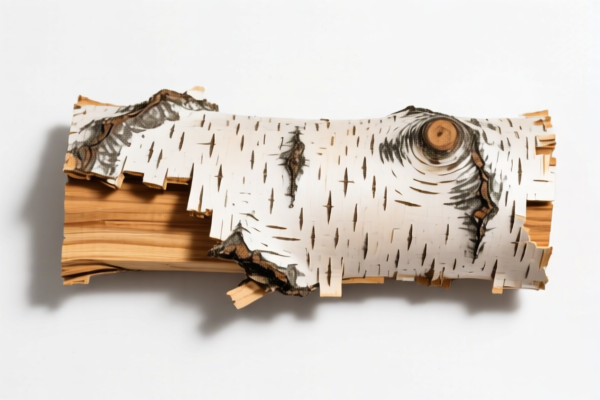
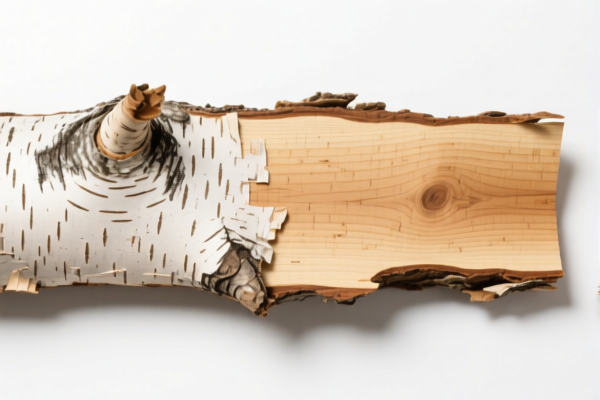
AI分析
🌲 Rough Birch for Furniture (Wood & Wood Products)
🌐 HS Code Reference & Customs Clearance Guide | 2026 Latest Tariff Analysis | Professional Transit Strategy
📌 I. Product Definition & Classification: What Exactly is "Rough Birch"?
Rough Birch, as specified for furniture manufacturing, refers to wood that has been felled, debarked, and possibly sawn or split, but has not undergone significant processing such as planing, sanding, or veneer slicing. It is the raw material stage of birch wood.
In international trade, the classification depends heavily on the physical state and intended use of the wood: 1. Raw Logs/Square Timber: Unprocessed or minimally processed wood blocks. 2. Sawn Wood/Thick Planks: Wood cut to specific dimensions but still "rough" (not finished). 3. Furniture Components: Parts cut from birch but not yet assembled into final furniture.
⚠️ Key Distinction:
- If the wood is in log, squared, or rough-sawn form → It falls under Chapter 44 (Wood and Wood Products).
- If the wood is cut into specific furniture parts (like legs, drawers, panels) but not assembled → It may fall under Chapter 94 (Furniture).
- If it is finished furniture → It falls under 9403.60.
Note: Based on the provided data, the items are classified either as raw timber (4403/4407) or furniture parts/components (9403.91/9403.60).
📦 II. HS Code Classification Details (2026 Latest Tariff Alignment)
| HS Code | Product Description | Applicable Scenario | Processing Level |
|---|---|---|---|
4403.96.01.30 |
Birch Wood for Furniture Use | Raw wood matching birch material, in an unprocessed or primary form (logs, squared timber). | ❌ Unprocessed / Primary |
9403.60.80.93 |
Birch Wood for Furniture Use | Wood components or semi-finished goods that constitute part of wooden furniture; fits the attribute of "Other wooden furniture." | 🛠️ Semi-finished / Component |
4407.96.00.19 |
Birch Wood for Furniture Use | Matches birch material characteristics with thickness >6mm, in sawn or sliced wood form. | 🪚 Sawn/Sliced (Rough) |
4403.95.01.30 |
Birch Wood for Furniture Use | Belongs to the category of "Rough Wood"; meets the requirements for birch-class rough timber. | 🪵 Rough/Primary Form |
9403.91.00.80 |
Birch Wood for Furniture Use | Belongs to the category of Furniture Parts/Components; fits the purpose of "Other furniture and parts thereof." | 🧩 Part/Component |
🔍 Critical Reminder:
- Raw Material vs. Finished Good: The same physical birch wood is taxed differently based on its processing depth. Raw logs (4403) and semi-processed planks (4407) have different HS codes than pre-assembled furniture parts (9403.91) or semi-finished furniture items (9403.60).
- US Trade Policy Impact: All listed HS Codes attract significant additional tariffs due to their Chinese origin (assumed based on the "122 Section" and high tax rates in the data).
💰 III. 2026 Latest Tariff Rate Breakdown (Including Surtaxes & Policy Add-ons)
✅ Applicable Country: United States (US)
✅ Origin: China (CN) (Inferred from "122 Section" and typical 25%+10% structure)
✅ Effective Time: 2025/2026 (Current Active Regime)
🎯 1. 4403.96.01.30 & 4403.95.01.30 —— Rough Birch Timber (Logs/Squared)
| Item | Content |
|---|---|
| Base Tariff | 0.0% (Ad Valorem) |
| Section 301 Surtax | +25.0% (USITC Footnote related to Chinese origin goods) |
| Section 122 Tariff | +10.0% (Specific to certain wood/wood products or general China add-on) |
| Total Tariff Rate | 35.0% |
| Tax Calculation | CIF Value × 35% |
| De Minimis Exemption? | ❌ NO (High-value goods excluded from $800 de minimis threshold) |
| Legal Basis Path | USITC:4403.96.01.30 → Section 301: +25% → Section 122: +10% |
📌 Explanation:
- Base Tariff 0%: Standard MFN rate for certain wood products is often zero.
- 25% Surtax: The standard Section 301 tariff on Chinese-origin wood products.
- 10% Section 122: An additional punitive tariff often applied to specific categories or as part of broader trade measures.
- Total 35%: This is a heavy burden on raw material imports.
🎯 2. 4407.96.00.19 —— Sawn Birch Wood (Thickness >6mm)
| Item | Content |
|---|---|
| Base Tariff | 0.0% |
| Section 301 Surtax | +25.0% |
| Section 122 Tariff | +10.0% |
| Total Tariff Rate | 35.0% |
| Tax Calculation | CIF Value × 35% |
| De Minimis Exemption? | ❌ NO |
| Legal Basis Path | USITC:4407.96.00.19 → Section 301: +25% → Section 122: +10% |
📌 Note:
- Even though the wood is "sawn" (processed more than logs), the tariff rate remains 35% because it is still considered a raw material input for furniture, not finished goods.
- Misdeclaring sawn planks as logs to save on paperwork does not change the tariff liability if the physical form is clearly sawn.
🎯 3. 9403.60.80.93 & 9403.91.00.80 —— Furniture Parts & Semi-Finished Furniture
| Item | Content |
|---|---|
| Base Tariff | 0.0% |
| Section 301 Surtax | +25.0% |
| Section 122 Tariff | +10.0% |
| Total Tariff Rate | 35.0% |
| Tax Calculation | CIF Value × 35% |
| De Minimis Exemption? | ❌ NO |
| Legal Basis Path | USITC:9403.60.80.93 / 9403.91.00.80 → Section 301: +25% → Section 122: +10% |
📌 Warning:
- Many importers mistakenly believe that "furniture parts" or "semi-finished furniture" might have lower tariffs. This is incorrect under current US-China trade relations.
- All listed HS Codes for Birch Furniture Material carry a uniform 35% total tariff.
- 9403.91.00.80 (Parts) and 9403.60.80.93 (Semi-finished) are often scrutinized to ensure they are not simply raw wood being disguised as parts to avoid stricter wood inspection rules, but the tax impact is the same.
🛠️ IV. Customs Clearance Practical Advice (Avoiding Pitfalls)
✅ 1. Documentation Checklist (Essential)
| Document | Required | Description |
|---|---|---|
| ✅ Commercial Invoice | ✔️ | Must clearly state "Birch Wood for Furniture" and specify HS Code. |
| ✅ Packing List | ✔️ | Detail dimensions, volume, and weight. Crucial for verifying "Rough" vs. "Finished" state. |
| ✅ Phytosanitary Certificate | ✔️ | Mandatory for all wood products. Must confirm treatment against pests (e.g., ISPM 15 if pallets used, or wood chip removal). |
| ✅ Wood Species Declaration | ✔️ | Must explicitly state "Betula" (Birch). Mislabeling as "Generic Wood" can lead to delays. |
| ✅ Certificate of Origin | ✔️ | Required to confirm Chinese origin for tariff application. |
| ✅ Processing Description | ✔️ | Detail if it is "Sawn," "Squared," "Log," or "Part." |
✅ 2. Declaration Strategy (Key Mnemonic)
🔥 “Be Specific, Declare Raw, Pay the 35%, Don’t Split!”
| Scenario | Correct Declaration | Wrong Approach |
|---|---|---|
| Raw Logs/Squared Wood | 4403.96.01.30 / 4403.95.01.30 |
Misdeclaring as "Furniture Parts" → Risk of classification error + penalty. |
| Sawn Planks (>6mm) | 4407.96.00.19 |
Misdeclaring as "Logs" → If caught, higher scrutiny for phytosanitary compliance. |
| Furniture Parts (e.g., Legs, Drawers) | 9403.91.00.80 |
Misdeclaring as "Logs" → High Risk (Parts are distinct from logs). |
| Semi-Finished Furniture | 9403.60.80.93 |
Splitting into parts/logs → Prohibited. Must declare as semi-finished furniture. |
✅ 3. Special Considerations
| Situation | Advice |
|---|---|
| Phytosanitary Control | Birch is susceptible to borers and beetles. Ensure heat treatment or fumigation is documented. Failure leads to rejection/destroyed cargo. |
| Volume Calculation | For 4407 (Sawn Wood), customs may verify thickness. If declared as >6mm, ensure it meets the definition. |
| Section 122 Specifics | The 10% Section 122 tariff is relatively new/additional. Ensure your customs broker is aware of the latest "122" application rules for wood products. |
| Avoid "De Minimis" | Do not attempt to ship under $800 (Section 321). Wood products are often excluded from de minimis due to phytosanitary and Section 301 rules. |
🌍 V. Global Market Comparison (2026 Latest)
| Country/Region | Recommended HS Code | Tariff (China Origin) | Certification | Notes |
|---|---|---|---|---|
| 🇺🇸 USA | 4403.96.01.30 / 9403.91.00.80 |
35% (0% + 25% + 10%) | Phytosanitary + ISPM 15 | Highest tariff burden. |
| 🇪🇺 EU | 4407.96 / 9403.60 |
~5-10% (Standard MFN) | FLEGT / EUTR | No Section 301/122 tariffs. |
| 🇨🇳 China | 4403.96 / 9403.60 |
0-5% (Import Duty) | None | Exporting from China has no exit tariff. |
| 🇲🇽 Mexico | 4403.96 / 9403.60 |
0% (Under USMCA if eligible) | Phytosanitary | Potential for lower tariffs if processed in Mexico. |
📌 Conclusion:
- The US market is the most expensive for importing rough birch due to the 35% combined tariff.
- For cost optimization, consider shifting supply chains to non-China origins (e.g., Russia, Canada, Scandinavia) if possible, or processing in a third country (e.g., Mexico) to change the country of origin.
📌 VI. Common Mistakes & Pitfalls (Lessons Learned)
❌ Mistake 1: Declaring "Furniture Parts" (9403.91) when the item is actually "Raw Timber" (4403)
👉 Consequence: Customs may reclassify, leading to phytosanitary violations (since parts don't always require the same level of pest control documentation as raw logs) and fines.
❌ Mistake 2: Ignoring the Section 122 Tariff
👉 Consequence: Underpaying by 10%. CBP will assess back taxes + interest + penalties.
❌ Mistake 3: Using "Birch Wood" generically without specifying form
👉 Consequence: Delays. CBP may hold cargo for species verification and processing assessment.
❌ Mistake 4: Attempting De Minimis ($800) shipment for bulky wood
👉 Consequence: Seizure. Wood products are frequently exempted from Section 321.
✅ Correct Practice:
"Rough Sawn Birch Planks, Thickness 25mm, Volume: 10 CBM, Heat Treated, HS Code: 4407.96.00.19"
🎯 VII. Conclusion: Professional Declaration, Cost Control!
🎯 Remember:
🔹 "Birch for Furniture? It’s 35% Tax. Raw, Sawn, or Part, the Rate is Same."
🔹 "Check the Form, Check the Origin, Pay the Surtax, Avoid the Sin."
📌 Pro Tip:
If you are importing large volumes, consider applying for a Product-Specific Exclusion under Section 301 if your specific birch product is not available in the US. However, given the 10% Section 122 add-on, exclusions may not cover that portion.
Consult a licensed customs broker to verify if your specific "Birch Furniture Material" qualifies for any recent exemptions or if a bonded warehouse strategy can defer duties.
📣 Immediate Action:
📞 Engage a Customs Broker + Provide Detailed Specs + Verify Phytosanitary Docs
🚀 Clear your Birch Wood Smoothly, Save on Compliance Costs, Profit Safely!
✨ Professional Customs Clearance Starts with Accurate Classification!
💼 Every Percentage Point Counts in International Trade!
用户评价
关于 HS 编码归类
协调制度(HS)是由世界海关组织(WCO)制定的国际贸易商品分类标准。全球 200 多个国家采用 HS 系统作为海关关税、贸易统计和进出口监管的基础。
每个 HS 编码遵循以下层级结构:
- 章(2 位)——商品大类(例如:第 84 章:机器和机械设备)
- 品目(4 位)——章内的更具体分类
- 子目(6 位)——国际通用细分,所有 WCO 成员国统一使用
- 本国细分(8-10 位)——各国自行扩展的细分编码,如美国 HTSUS 10 位编码
正确的 HS 编码归类对于顺利通关、准确缴纳关税和遵守贸易法规至关重要。错误归类可能导致海关延误、多缴关税或罚款。
从CN进口到US时,适用的关税税率可能包括:
- 最惠国(MFN)税率——适用于 WTO 成员国的标准关税税率
- 普通税率——适用于无贸易协定国家
- 贸易救济关税——附加关税,如 301 条款(反倾销)、232 条款(国家安全)或反补贴税
本页内容仅供参考。如需正式归类,请咨询当地海关或持牌报关代理。