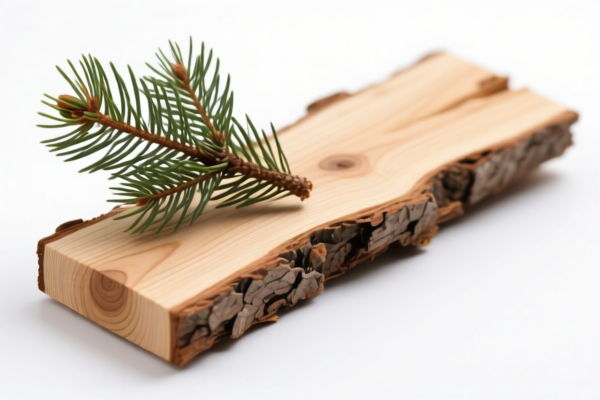
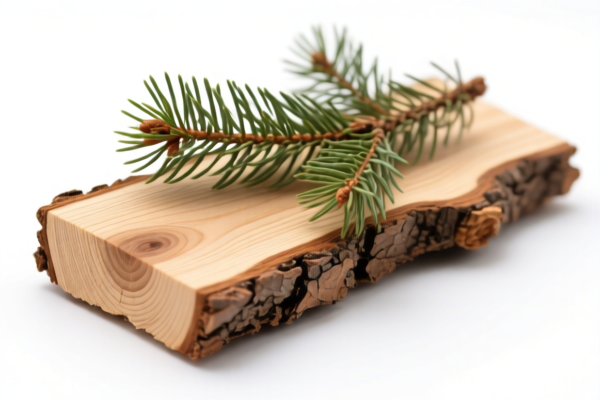
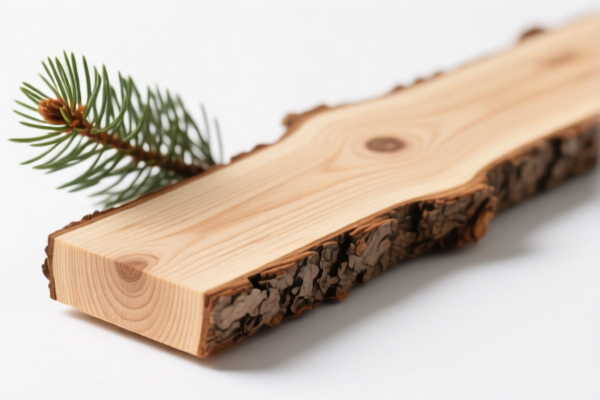
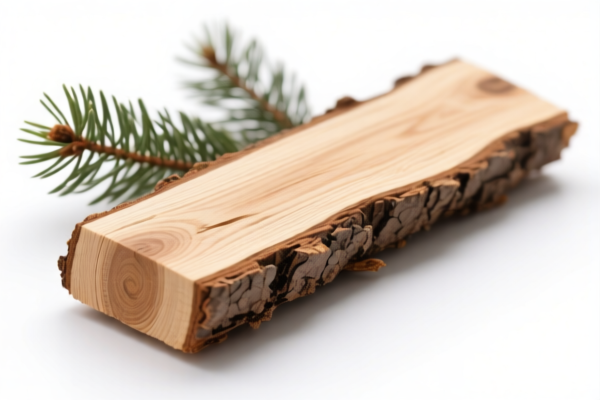
Roughly Processed Fir and Spruce Wood
CN → US| HS编码 | 关税税率 | 原产国 | 目的国 | 文档 |
|---|---|---|---|---|
| 4408100125 | 35.0% | CN | US | 官方文档 |
| 4408100145 | 35.0% | CN | US | 官方文档 |
| 4407120017 | 35.0% | CN | US | 官方文档 |
| 4407120058 | 35.0% | CN | US | 官方文档 |
商品图片
AI分析
🌲 Roughly Processed Fir and Spruce Wood (Coniferous Sawlog/Plank)
🌐 HS Code Reference & Customs Clearance Guide | 2024 Latest Tariff Analysis | Professional Compliance Strategy
📌 I. Product Definition & Classification: Understanding "Rough" Wood?
Roughly Processed Fir and Spruce Wood refers to coniferous timber that has been sawn, chipped, sliced, or peeled but has not undergone planing, sanding, or further finishing. It is primarily used for: * Structural Construction: Beams, studs, joists. * Plywood/Veneer Production: Sliced into thin sheets (if ≤6mm). * Industrial Packaging: Pallets, crates, and crates.
⚠️ Key Distinction:
- If the wood is sliced or peeled and has a thickness ≤ 6 mm (and is not further processed), it is classified as "Sheets for Veneering" under Heading 4408.
- If the wood is sawn or chipped and has a thickness > 6 mm (rough surface, not planed/sanded), it is classified as "Wood Sawn Lengthwise" under Heading 4407.
- Species Matters: The classification distinguishes between Douglas Fir (Pseudotsuga menziesii) and Other Conifers (including true Fir/Abies and Spruce/Picea).
📦 II. HS Code Classification Details (2024 Latest Tariff Alignment)
Based on the provided data, here are the precise HS Codes for these wood products. Note that the tax rates listed below reflect the Total Tax (Base + Additional), which currently includes a 25% Additional Tariff for Chinese-origin goods entering the US market (or similar high-tariff regimes).
| HS Code | Product Description | Key Characteristics | Applicable Tax Rate (Total) |
|---|---|---|---|
| 4408.10.01.25 | Sheets for veneering (thickness ≤ 6mm): Coniferous Douglas Fir | Sliced/peeled, ≤6mm, specifically Douglas Fir origin | 25.0% (0% Base + 25% Additional) |
| 4408.10.01.45 | Sheets for veneering (thickness ≤ 6mm): Coniferous Other | Sliced/peeled, ≤6mm, NOT Douglas Fir (e.g., Spruce, Abies) | 25.0% (0% Base + 25% Additional) |
| 4407.12.00.17 | Wood sawn/sliced/peeled (>6mm): Spruce (Picea spp.) - Sitka Spruce | Rough, not treated, specific species: Picea sitchensis | 25.0% (0% Base + 25% Additional) |
| 4407.12.00.58 | Wood sawn/sliced/peeled (>6mm): Fir (Abies spp.) | Rough, not treated, specific species: Abies spp. | 25.0% (0% Base + 25% Additional) |
🔍 Critical Note:
- "Rough" implies the wood has not been planed, sanded, or smoothed. If you plane these boards, they may shift categories (e.g., to 4409 or other sub-headings), but the provided data focuses on the rough/sawn/sliced state.
- Thickness Threshold: The line between 4408 (Veneer Sheets) and 4407 (Sawn Wood) is strictly 6 mm.
- ≤ 6 mm → Likely 4408 (Veneer/Plywood sheets).
- > 6 mm → Likely 4407 (Sawn timber/lumber).
💰 III. Tariff Rate Breakdown (Detailed Tax Explanation)
✅ Applicable Region: United States (US)
✅ Origin: Typically China (CN) – Based on the 25% Additional Tariff pattern
✅ Effective Date: Current (Subject to USITC/Office of the U.S. Trade Representative updates)
🎯 1. Veneer Sheets (HS 4408 Series)
- HS 4408.10.01.25 (Douglas Fir)
- HS 4408.10.01.45 (Other Coniferous)
| Item | Detail |
|---|---|
| Base Tariff (MFN) | 0.0% |
| Additional Tariff (Section 301) | +25.0% |
| Total Effective Tax | 25.0% |
| De Minimis Eligibility | ❌ No – Typically, wood products are excluded from de minimis exemptions (Section 321) when subject to additional tariffs. |
📌 Explanation:
The 0% base tariff reflects the MFN (Most Favored Nation) rate for raw wood veneers. However, due to trade tensions, a 25% additional duty is applied. This makes the total landed cost significantly higher.
🎯 2. Sawn/Sliced Wood (>6mm) (HS 4407 Series)
- HS 4407.12.00.17 (Sitka Spruce)
- HS 4407.12.00.58 (Fir/Abies)
| Item | Detail |
|---|---|
| Base Tariff (MFN) | 0.0% |
| Additional Tariff (Section 301) | +25.0% |
| Total Effective Tax | 25.0% |
| De Minimis Eligibility | ❌ No |
📌 Explanation:
Similar to veneer sheets, raw sawn timber from coniferous species like Spruce and Fir attracts a 25% additional tariff. The base rate remains 0%, but the 25% surcharge is mandatory.
🛠️ IV. Customs Clearance Practical Advice
✅ 1. Documentation Checklist (Must-Haves)
| Document | Requirement | Reason |
|---|---|---|
| Commercial Invoice | Must specify: - Species (e.g., Picea sitchensis) - Dimensions (Length, Width, Thickness) - Processing Type (Sawn, Sliced, Peeled) - "Rough" status |
To prove HS Code accuracy (4407 vs. 4408). |
| Phytosanitary Certificate | Mandatory | Wood is a high-risk category for pests (borers, fungi). Issued by the country of origin's agricultural authority. |
| Fumigation Certificate | Often Required | Proof that wood has been treated against pests (ISPM 15 standard if in packaging). |
| Bill of Lading/Air Waybill | Clear description of goods | Must match the invoice exactly. |
| Packing List | Detailed weight/volume | For customs valuation and inspection. |
| Country of Origin Certificate | Required for Tariff Determination | To apply the correct 25% additional tariff. |
✅ 2. Declaration Tips (Key Mantras)
🔥 "Species Specific, Thickness Clear, Rough Not Planed!"
| Scenario | Correct Declaration | Wrong Declaration | Consequence |
|---|---|---|---|
| Wood Slice 5mm, Spruce | 4408.10.01.45 - "Sliced Spruce Veneer" |
4407.12.00.58 - "Sawn Fir" |
Misclassification Risk: Wrong HS Code, potential penalty. |
| Beam 20mm, Douglas Fir | 4408.10.01.25? NO → Check if >6mm. If >6mm, likely 4407. (Note: Douglas Fir >6mm is not in the provided data, but typically falls under 4407.11 or similar) |
4408.10.01.25 |
Error: 4408 is for ≤6mm. If >6mm, it’s lumber. |
| Rough Lumber, Fir | 4407.12.00.58 - "Rough Sawn Fir" |
4409.11.00 - "Moulded/Profiled" |
Higher Tax: 4409 (processed) may have different rates or restrictions. |
✅ 3. Special Cases & Pitfalls
| Situation | Advice |
|---|---|
| Mixed Species | If a shipment contains both Fir and Spruce, declare each separately to avoid ambiguity. |
| Thickness Borderline | If thickness is exactly 6mm, verify if it’s sliced/peeled (4408) or sawn (4407). Sliced/peeled ≤6mm goes to 4408. |
| End-Jointed or Spliced | The provided HS codes include "whether or not planed, sanded, spliced or end-jointed." Ensure these features are declared if present. |
| Douglas Fir vs. Other Coniferous | Douglas Fir gets its own code (4408.10.01.25). Spruce/Fir/Other use different codes. Misidentifying the species leads to classification errors. |
🌍 V. Global Market Comparison (2024 Snapshot)
| Region | HS Code | Base Tariff | Additional Tariff | Total | Notes |
|---|---|---|---|---|---|
| 🇺🇸 USA | 4408/4407 | 0% | +25% | 25% | High tariff for Chinese origin. Strict phytosanitary rules. |
| 🇨🇳 China | 4408/4407 | 0-5% | 0% | 0-5% | Lower entry barrier for imports. |
| 🇪🇺 EU | 4408/4407 | 0-10% | 0% | 0-10% | Depends on origin. Requires FLEGT license or due diligence. |
| 🇯🇵 Japan | 4408/4407 | 0-6% | 0% | 0-6% | JETP agreement may reduce tariffs for ASEAN. |
📌 Conclusion:
- USA is the most expensive market due to the 25% additional tariff.
- Phytosanitary compliance is non-negotiable globally for wood products.
📌 VI. Common Errors & Avoidance Guide
❌ Error 1: Misidentifying "Rough" Wood as "Planed"
👉 Result: If wood is planed, it may fall under 4409 (Continuously Shaped Wood), which has different tax rates and restrictions.
👉 Fix: Explicitly state "Rough," "Unplaned," "Sawn" in the description.
❌ Error 2: Confusing Veneer (4408) with Lumber (4407)
👉 Result: Using 4408 for >6mm wood is incorrect.
👉 Fix: Check thickness. ≤6mm + Sliced/Peeled = 4408. >6mm + Sawn = 4407.
❌ Error 3: Ignoring Species Specificity
👉 Result: Generalizing "Coniferous" when Douglas Fir is distinct.
👉 Fix: Always specify the scientific or common name (e.g., Picea sitchensis, Abies spp.).
✅ Correct Declaration Example:
"Rough Sawn Fir Wood, 20mm Thickness, Not Planed, Species: Abies spp., Origin: China"
🎯 VII. Conclusion: Professional Declaration, Cost Efficiency
🎯 Remember:
🔹 "Species Matters: Douglas Fir vs. Others"
🔹 "Thickness Split: 6mm is the Line between 4408 and 4407"
🔹 "Rough is Key: Do Not Claim Planed Unless It Is"
🔹 "25% Tax is Inevitable for US: Budget Accordingly"
📌 Pro Tip:
If you are importing Douglas Fir veneer sheets, ensure you have the Species Certificate to justify 4408.10.01.25. For Spruce/Fir lumber, the Phytosanitary Certificate is your most critical document for US Customs.
📣 Immediate Action:
📞 Consult with a licensed customs broker to verify Species Identification and Thickness Measurements.
🚀 Avoid Misclassification Penalties by being precise in your documentation.
✨ Precision in Classification, Profit in Logistics!
💼 Every mm counts, every species matters!
用户评价
关于 HS 编码归类
协调制度(HS)是由世界海关组织(WCO)制定的国际贸易商品分类标准。全球 200 多个国家采用 HS 系统作为海关关税、贸易统计和进出口监管的基础。
每个 HS 编码遵循以下层级结构:
- 章(2 位)——商品大类(例如:第 84 章:机器和机械设备)
- 品目(4 位)——章内的更具体分类
- 子目(6 位)——国际通用细分,所有 WCO 成员国统一使用
- 本国细分(8-10 位)——各国自行扩展的细分编码,如美国 HTSUS 10 位编码
正确的 HS 编码归类对于顺利通关、准确缴纳关税和遵守贸易法规至关重要。错误归类可能导致海关延误、多缴关税或罚款。
从CN进口到US时,适用的关税税率可能包括:
- 最惠国(MFN)税率——适用于 WTO 成员国的标准关税税率
- 普通税率——适用于无贸易协定国家
- 贸易救济关税——附加关税,如 301 条款(反倾销)、232 条款(国家安全)或反补贴税
本页内容仅供参考。如需正式归类,请咨询当地海关或持牌报关代理。